Pakistan Budget 2026-27: Tax Relief Extended for Local EVs & REEVs Prices Stay Stable
The federal government extended tax relief for locally assembled EVs and REEVs in Budget 2026-27. This decision keeps prices steady for models like the Deepal S05 and Honri Ve. It supports Pakistan’s push toward electric mobility and eases worries about higher costs for buyers.
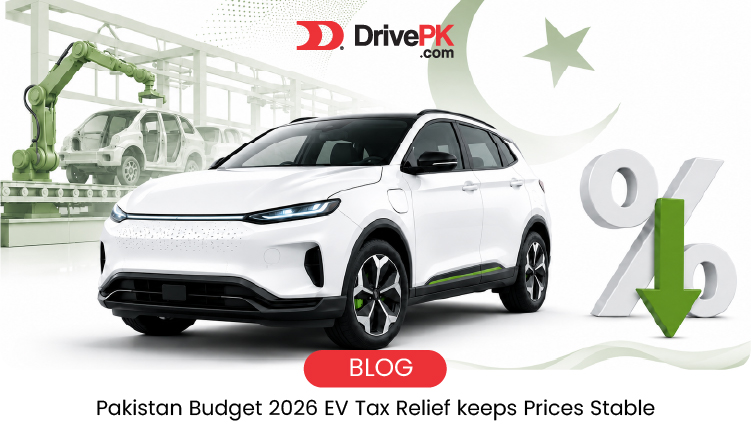
Table of Contents
- What the Decision Actually Means
- Why This Matters for Everyday Drivers
- A Closer Look at Key Models
- Benefits That Add Up Over Time
- Who Should Consider an EV or REEV Now
- How This Fits Pakistan’s Bigger Picture
- What to Watch in the Coming Months
- Final Thoughts
The federal government has extended tax relief for locally assembled electric vehicles (EVs) and range extender electric vehicles (REEVs) under Budget 2026-27. This move eases concerns about potential price increases.
Many people expected bad news. Rumors suggested taxes could rise sharply and push prices up. But the budget speech brought relief instead. The existing incentives continue for another year. This keeps things steady for buyers and local manufacturers.
If you are thinking about switching to an electric or range-extender vehicle, this decision gives you breathing room. Prices of popular models stay protected. No sudden jumps to worry about right now.
What the Decision Actually Means
Locally assembled EVs and REEVs keep their favorable tax treatment. The government avoided raising the sales tax from the current low rate to the standard higher level. This directly affects vehicles built or assembled here in Pakistan.
Models such as the Deepal S05 and the Honri Ve fall into this category. Their prices are expected to remain unaffected by the changes many feared. This stability comes at a good time. Fuel costs stay high for most families, and many want more affordable running options.
The move also continues policy support for Pakistan’s emerging new energy vehicle sector. It shows the government wants to encourage greater adoption of electric mobility without disrupting the early progress.
Why This Matters for Everyday Drivers
High fuel prices hurt monthly budgets. Electricity usually costs far less per kilometer than petrol or diesel. An EV or REEV can cut your running expenses significantly over time.
Many drivers also worry about range on long trips. Range-extender models solve this by using a small petrol engine as a generator when needed. You get electric efficiency for daily use plus backup for longer journeys.
This tax relief helps make these options more practical. It removes one big uncertainty that kept people waiting. You can now plan your purchase with clearer numbers.
A Closer Look at Key Models
The Deepal S05 is a range-extender SUV that has gained attention. It offers strong performance with electric drive and a generator for extended range. Locally assembled, it benefits directly from the continued relief. Its introductory pricing stays competitive without the expected tax hit.
The Honri Ve serves as another important locally assembled EV option. It gives buyers a pure electric choice that also stays protected. Both vehicles represent the early wave of new energy options built for Pakistani roads and conditions.
Because prices hold steady, interested buyers avoid last-minute rushes or disappointment. Dealers can focus on matching the right vehicle to your needs rather than managing price panic.
Benefits That Add Up Over Time
Lower taxes on local assembly bring several practical advantages:
- Running costs drop because electricity is cheaper than fuel in most cases.
- Maintenance tends to be simpler with fewer traditional engine parts.
- You contribute to better air quality in cities where pollution is a daily concern.
- The country reduces its dependence on imported oil, which helps the overall economy.
Challenges still exist. Charging stations are growing but not everywhere yet. Upfront costs remain higher than basic petrol cars even with relief. Service networks for these newer models are still expanding.
Still, extending the relief gives the sector time to build infrastructure and bring down costs through more local production. It is a measured step forward.
Who Should Consider an EV or REEV Now
Families tired of rising fuel bills often find REEVs like the Deepal S05 appealing. You handle city driving and school runs on electric power and use the extender for highway trips or family visits.
Urban commuters with predictable routes may prefer a pure EV like the Honri Ve. Shorter distances match well with current battery ranges and available charging.
Business users with fleets can see savings add up quickly on operating costs. Even if you are not ready to buy immediately, this stability lets you research and test drive without pressure from sudden price changes.
Not every family can switch yet. These vehicles target middle and upper segments. But supporting local assembly creates a foundation for more affordable options in coming years.
How This Fits Pakistan’s Bigger Picture
Pakistan imports a lot of oil. Shifting toward electric mobility helps manage that cost over time. The New Energy Vehicle approach aims to grow this sector gradually.
By protecting local assemblers, the government encourages investment in manufacturing, jobs, and technology here. Imported luxury EVs face different treatment, which favors vehicles built domestically.
Critics may want faster or bigger incentives. Others worry about short-term revenue. This balanced decision tries to support growth while being realistic about current needs.
The auto sector has faced ups and downs. Clear policy signals like this help companies plan and bring better products to market.
What to Watch in the Coming Months
The relief extends till next year. This window gives time for:
- More charging points along major highways and in cities.
- New models entering the local market.
- Improvements in battery technology and local component production.
- Better service and spare parts availability.
Buyers should still compare total ownership costs. Factor in electricity rates, maintenance, resale value, and real-world range in Pakistani driving conditions. Test drives help you feel the difference in quiet, smooth performance.
Fuel prices and electricity tariffs will keep influencing decisions. Any big shifts there could change the equation again.
Final Thoughts
The federal government has extended tax relief for locally assembled EVs and REEVs under Budget 2026-27. This eases concerns about price increases and supports Pakistan’s new energy vehicle sector. Models like the Deepal S05 and Honri Ve stay more accessible for now.
If you have been considering electric mobility, this creates a more predictable time to explore. The shift to cleaner transport is happening step by step. Stable policies like this help buyers, manufacturers, and the environment move in the same direction.
Do your research, talk to owners, and visit showrooms. The right choice depends on your daily needs and budget. With prices protected for local options, you have a better chance of making an informed decision that works for the long run. For more updates, visit DrivePK.com
Tags
Share this article
About the Author

Najeeb Khan
Automotive enthusiast and writer
Comments (0)
Login Required
You need to be logged in to comment on this article.
No comments yet. Be the first to share your thoughts!
Related Articles
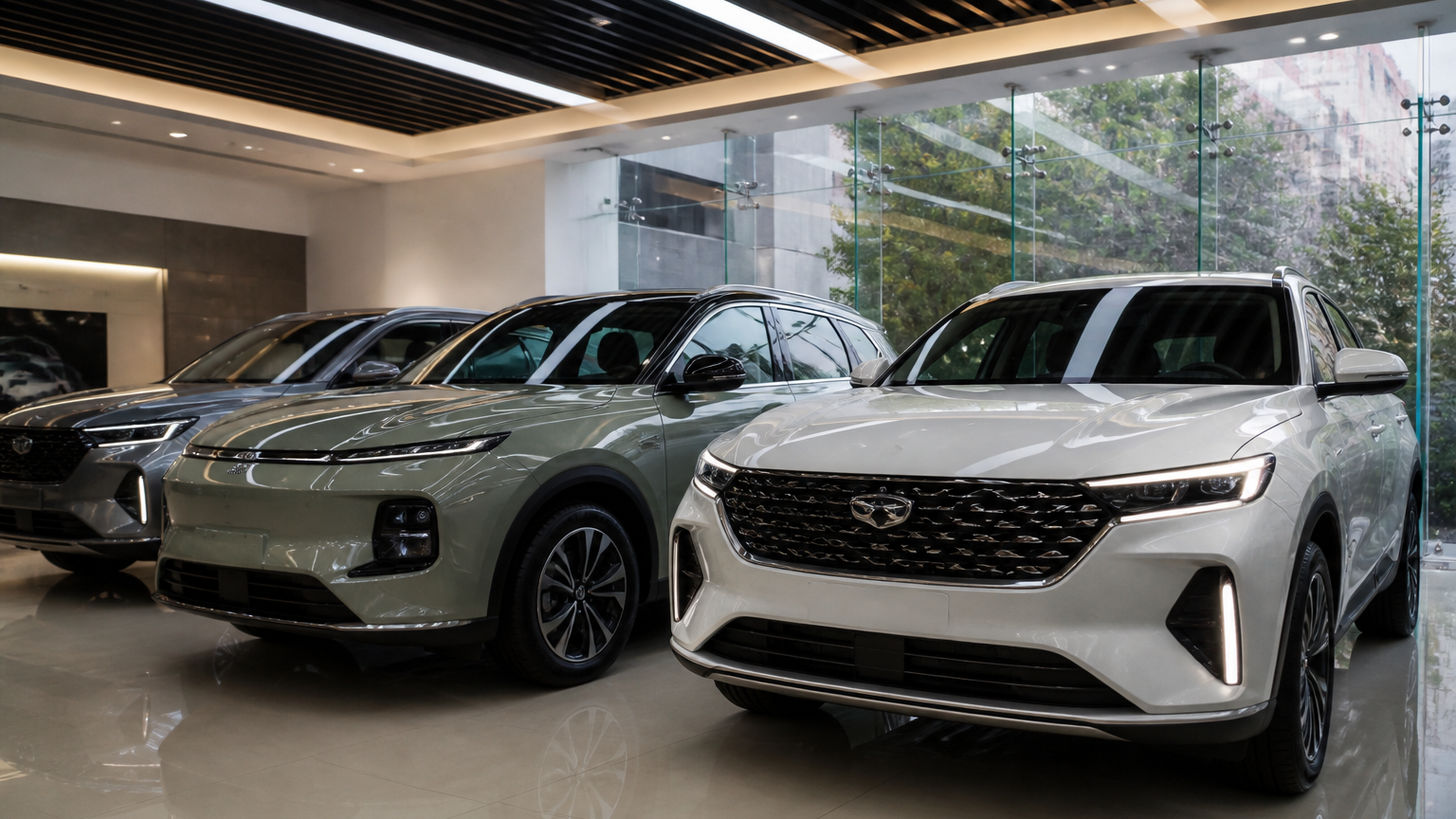
Geely to Launch 3 SUVs in Pakistan
Geely is set to enter Pakistan with two electric SUVs and a hybrid, imported by Bestway Automotive—but models, prices and launch dates remain unknown.
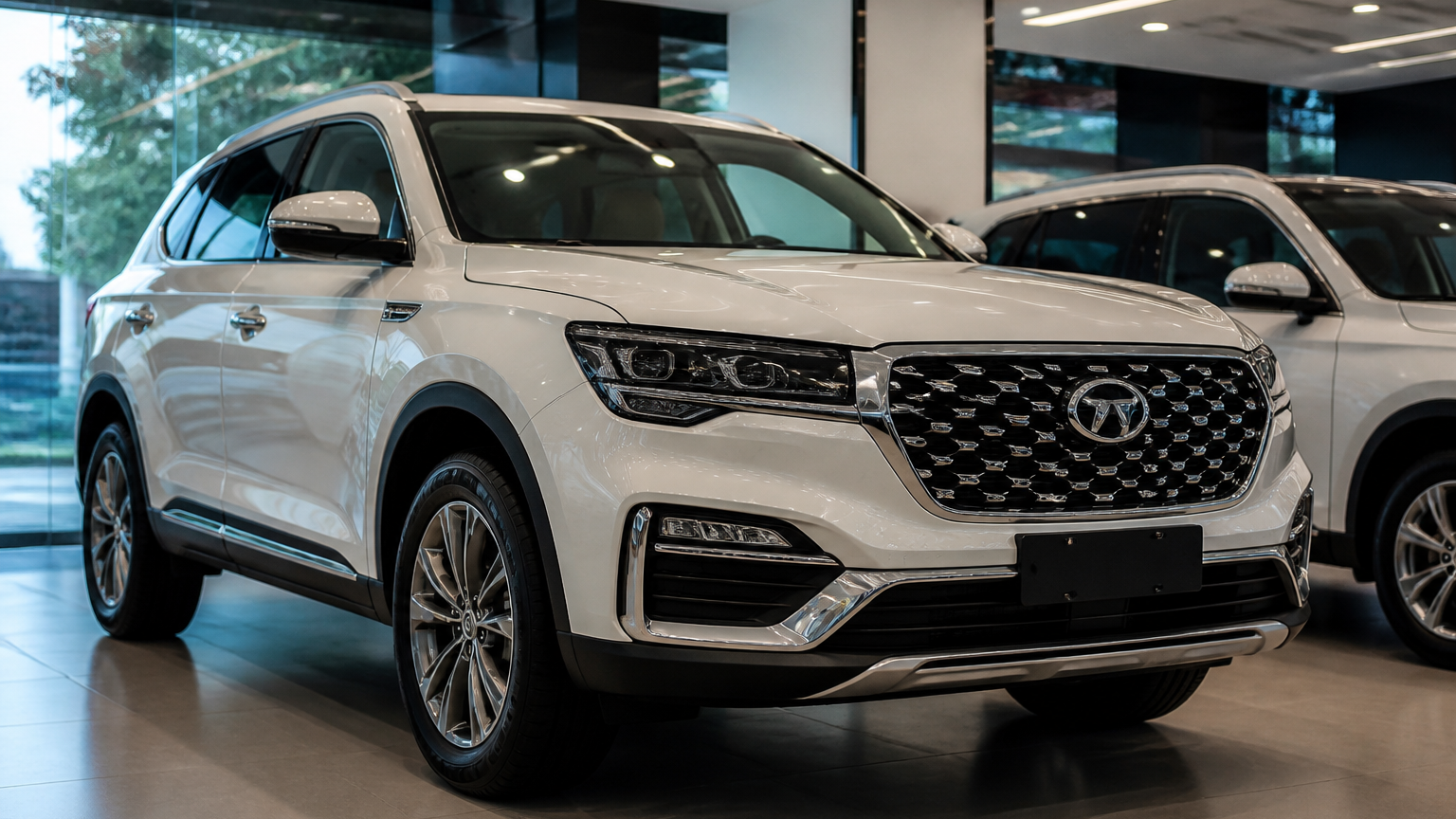
GWM Hybrid Prices Held in Pakistan for Now
GWM reportedly keeps hybrid prices unchanged in Pakistan—for now. Buyers should get a dated dealer quote and verify terms before booking.
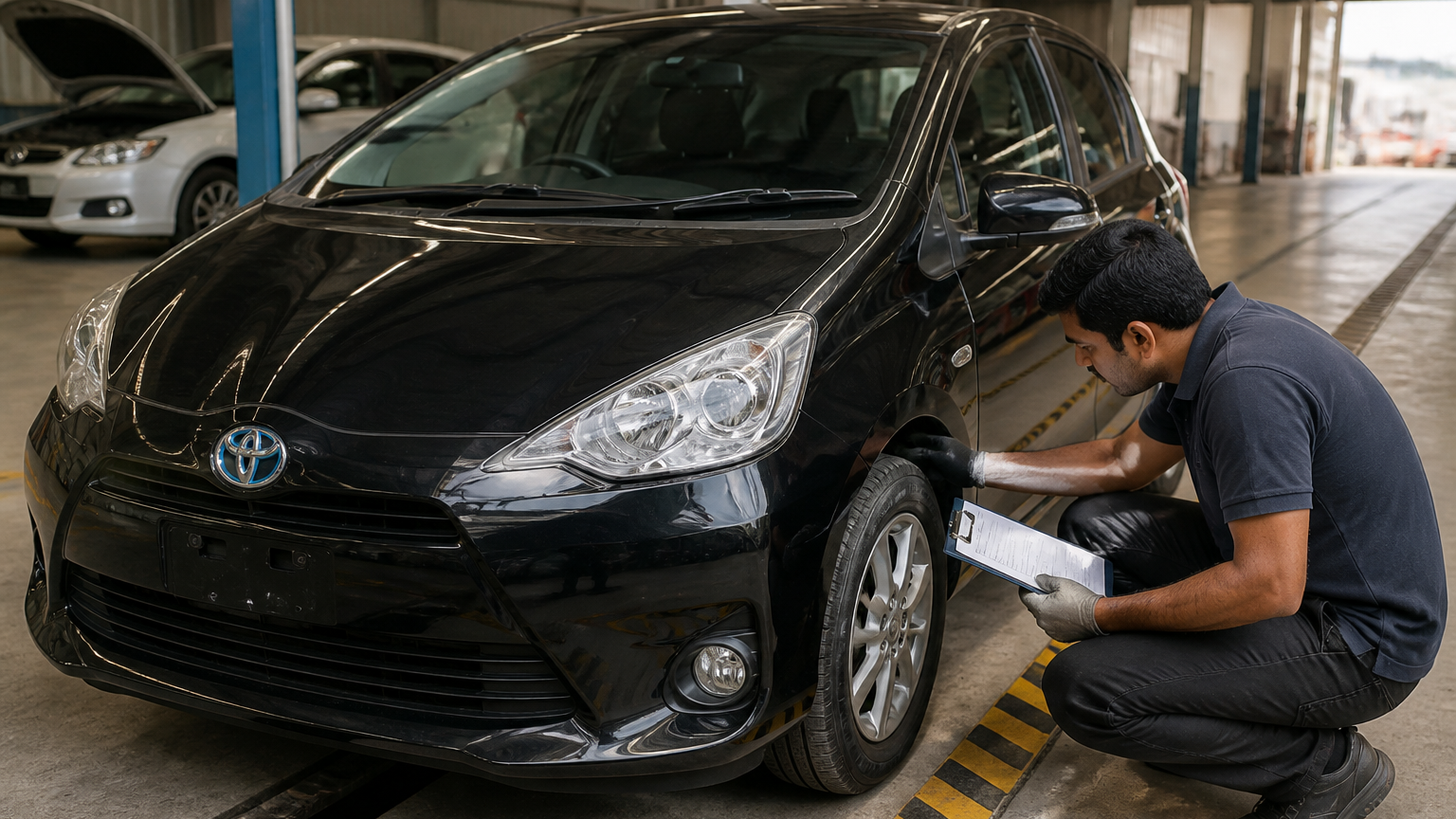
Auction Sheet vs Inspection: Need Both in Pakistan?
An auction sheet shows a Japanese import’s past; a physical inspection reveals its condition today in Pakistan. Know the difference before you buy.