Pakistan Car Imports Surge: Impact on Local Auto Industry and Economy
Pakistan sees a sharp rise in imported cars and EVs following policy changes, but overall demand hasn't increased. The surge threatens local manufacturers with existing capacity, harms the trade balance, benefits only wealthy buyers, and risks jobs. Experts urge policies strengthening local production with strict localization, tax reform, and regulated imports
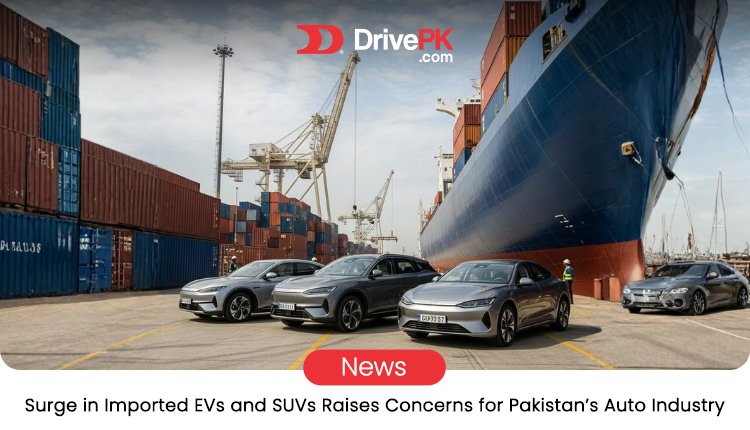
Table of Contents
- Why Imports Are Rising
- The Demand Problem
- Who Actually Buys These Imports
- The Trade Balance Risk
- What Local Manufacturers Face
- The Tax Contribution Factor
- What Experts Say Should Happen
- Focus on Local Manufacturing
- Enforce Localization Targets
- Fix the Tax Structure
- Offer Real Incentives
- Regulate Prices Better
- Monitor Imports Carefully
- The Employment Angle
- Balancing Act Required
- What Needs to Happen Now
- The Bigger Picture
Pakistan is seeing more imported cars on its roads than ever before. Electric vehicles, hybrids, and foreign SUVs are flooding the market. But this surge isn't happening because people suddenly want more cars. Something else is going on.
Why Imports Are Rising
Two policy changes triggered this wave. The New Energy Vehicle policy opened doors for electric and hybrid imports. Then IMF conditions forced Pakistan to relax import restrictions. Together, these changes created an easy path for foreign vehicles to enter the market.
The numbers tell the story. Imported cars now make up a growing share of vehicles on Pakistani roads. But here's the thing: overall vehicle demand hasn't actually increased that much.
The Demand Problem
Local manufacturers already have enough capacity to meet current market needs. They've built factories, trained workers, and established supply chains. Yet imported vehicles keep coming in at high volumes.
This creates an odd situation. The country isn't buying significantly more cars overall. Instead, imported vehicles are simply taking market share away from locally produced ones.
Who Actually Buys These Imports
Imported electric and hybrid vehicles aren't cheap. Most of them target wealthy buyers who can afford premium prices. The average Pakistani consumer can't touch these vehicles.
A middle-class family looking for reliable transportation won't benefit from this import surge. They're priced out from the start. The imports serve a small segment of affluent buyers while creating problems for everyone else.
The Trade Balance Risk
Pakistan's economy is already under pressure. The country struggles with foreign exchange reserves and trade deficits. Importing large volumes of vehicles makes these problems worse.
Every imported car means money leaving the country. That foreign exchange could go toward essential imports like fuel, medicine, or machinery. Instead, it's funding vehicles that local manufacturers could have built.
And this is happening when Pakistan needs every dollar it can save. The timing couldn't be worse from an economic standpoint.
What Local Manufacturers Face
Pakistani automobile companies have invested billions of rupees in factories and equipment. They employ thousands of workers directly and support even more through vendor networks. These are long-term commitments based on policy promises.
Now those investments look shaky. When imports flood the market, local production becomes less viable. Companies that planned expansion projects start reconsidering. New hiring slows down. Vendors lose orders.
The vendor industry particularly suffers. These are the smaller companies that make parts and components for local assemblers. They're often family-owned businesses with tight margins. A sudden drop in orders can push them toward bankruptcy.
The Tax Contribution Factor
Local manufacturers pay significant taxes. Corporate tax, sales tax, withholding tax, and various other levies go straight to the national treasury. They also create formal sector jobs that generate income tax revenue.
Imported vehicles pay duties at the port, but that's largely it. The economic activity they generate mostly benefits foreign manufacturers. Pakistani vendors don't get orders. Pakistani workers don't get jobs. The multiplier effect stays abroad.
When you compare the total economic contribution, local manufacturing wins easily. But policy decisions aren't reflecting this reality.
What Experts Say Should Happen
Industry analysts and economists have clear recommendations. They're not asking for handouts or permanent protection. They want sensible policies that balance consumer choice with economic reality.
Focus on Local Manufacturing
The core recommendation is simple: strengthen local production capacity for both conventional and new energy vehicles. Pakistan has the industrial base to do this. Companies are willing to invest if policy support is consistent.
This means encouraging local assembly of electric and hybrid vehicles rather than just importing them ready-made. Several manufacturers have already expressed interest in setting up EV production lines. They need clear guidelines and reasonable timelines.
Enforce Localization Targets
Localization requirements work when they're enforced properly. These targets push manufacturers to source more components domestically. This builds the vendor industry and keeps more value inside Pakistan.
But targets only work if there are consequences for missing them. Right now, enforcement is weak. Companies can often skip localization commitments without serious penalties. That needs to change.
Fix the Tax Structure
Pakistan's automobile taxes are among the highest in the region. Buyers pay multiple layers of duties and taxes that push prices up dramatically. This makes even locally produced cars expensive.
Rationalizing this tax structure would help everyone. Lower taxes mean more affordable vehicles, which increases demand. Higher demand supports local production. It's a cycle that benefits consumers and manufacturers.
The current system does the opposite. High taxes suppress demand, which makes local production less viable, which encourages imports to fill the gap.
Offer Real Incentives
Manufacturers need incentives to upgrade plants and introduce new models. Modern production equipment is expensive. Developing new vehicles costs even more. Companies won't make these investments without support.
Tax breaks for plant upgrades make sense. So do incentives for launching locally-assembled new energy vehicles. These policies encourage the right behaviour without requiring direct subsidies.
Regulate Prices Better
Price regulation is tricky but necessary. Local manufacturers sometimes increase prices beyond what rising costs justify. This hurts consumers and gives imports an opening.
Better price monitoring and regulation would prevent unjustified increases. Companies should profit fairly, but not excessively. Transparent pricing mechanisms build consumer trust and reduce pressure to allow more imports.
Monitor Imports Carefully
Import monitoring doesn't mean banning foreign vehicles. It means understanding what's coming in, in what volumes, and why. This data helps policymakers make informed decisions.
If imports surge in a specific category, that might signal problems with local production in that segment. Or it might indicate speculation and gray market activity. Either way, authorities need to know what's happening.
The Employment Angle
Jobs matter more than most policy discussions acknowledge. Local automobile manufacturing creates formal sector employment with decent wages. These jobs support families and generate consumer spending throughout the economy.
When imports displace local production, those jobs disappear. The families depending on them face hardship. The consumer spending they generated evaporates. Unemployment benefits cost the government money.
The social cost of unemployment often outweighs any consumer benefits from more vehicle choices. This calculation rarely enters policy debates, but it should.
Balancing Act Required
Nobody's saying Pakistan should ban all vehicle imports. Consumer choice matters. Competition keeps local manufacturers honest. Some imported vehicles serve niche needs that local production can't meet.
But balance is essential. Unrestricted imports harm the economy without providing proportional consumer benefits. Most Pakistanis still can't afford the vehicles flooding in. They're watching their employment prospects worsen while wealthy buyers get more luxury options.
What Needs to Happen Now
Pakistan's automobile policy needs urgent revision. The current approach favours imports over local manufacturing without clear justification. Economic conditions demand a rethink.
Policymakers should prioritize local production while allowing reasonable imports. They should enforce localization targets strictly. They should fix the tax structure to make vehicles more affordable. They should monitor import volumes carefully.
These steps would protect local industry without eliminating consumer choice. They would preserve jobs and keep foreign exchange inside Pakistan. They would build industrial capacity for the future rather than undermining it.
The Bigger Picture
Vehicle policy might seem like a narrow issue, but it affects Pakistan's broader economic trajectory. Manufacturing builds industrial capability. It creates skilled workers. It generates technological knowledge. These benefits compound over time.
Allowing imports to dominate reverses this process. Industrial capability weakens. Skills disappear. Knowledge drains away. The country becomes more dependent on imports for everything, which worsens trade deficits and economic vulnerability.
Pakistan needs to decide whether it wants to build industrial strength or remain an import-dependent economy. The automobile sector is just one front in this larger battle. But it's an important one where decisions made today will shape outcomes for decades.
The current import surge is a warning sign. If policymakers don't act soon, the damage to local manufacturing might become irreversible. Companies will close. Workers will lose jobs. Vendors will shut down. Rebuilding that capacity later will cost far more than protecting it now.
The choice is clear. Support local manufacturing through smart policies, or watch it collapse under an import wave that benefits few while hurting many. For more updates, visit DrivePK.com
Tags
Share this article
About the Author

Najeeb Khan
Automotive enthusiast and writer
Comments (0)
Login Required
You need to be logged in to comment on this article.
No comments yet. Be the first to share your thoughts!
Related Articles
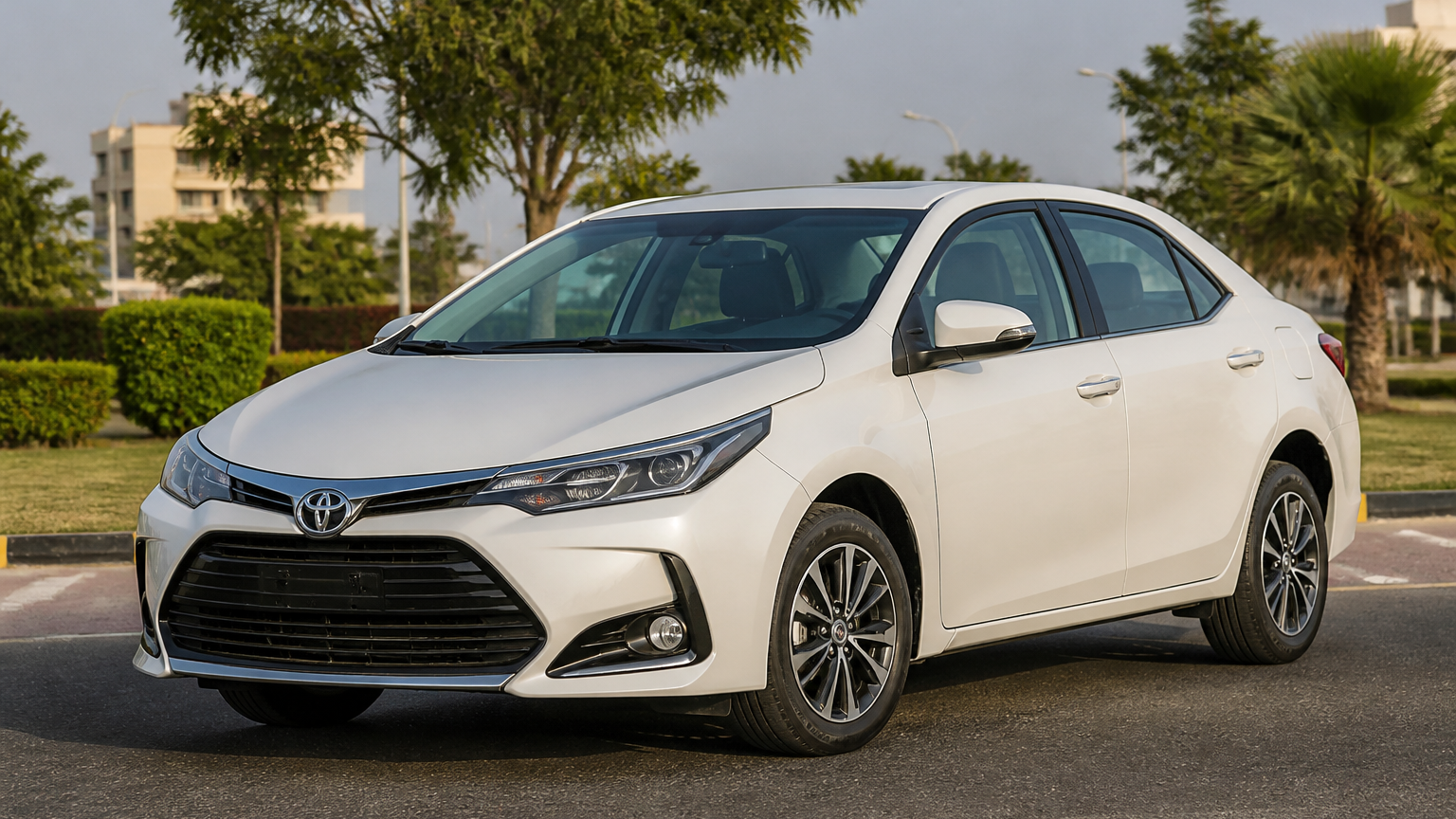
Toyota Corolla Discontinued Before Pakistan Facelift
Pakistan’s pre-facelift Toyota Corolla is reportedly discontinued, hinting at a facelift. Prices, bookings, specs and launch timing remain unconfirmed.
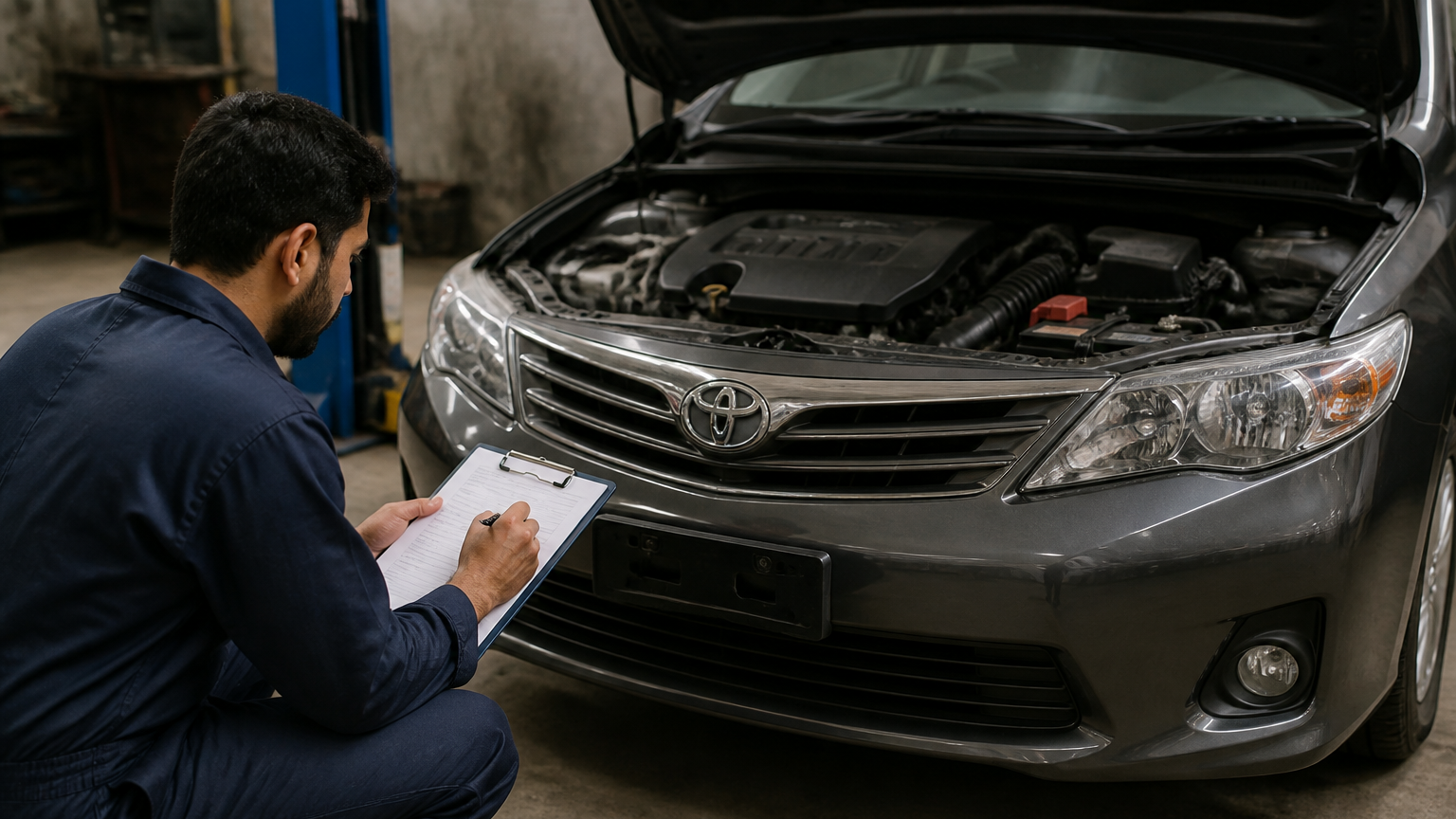
DrivePK Car Inspection Reports: Buy with Confidence
Buying a used car in Pakistan? A pre-purchase inspection can reveal hidden damage, engine issues and red flags before you pay—but it’s not enough alone.
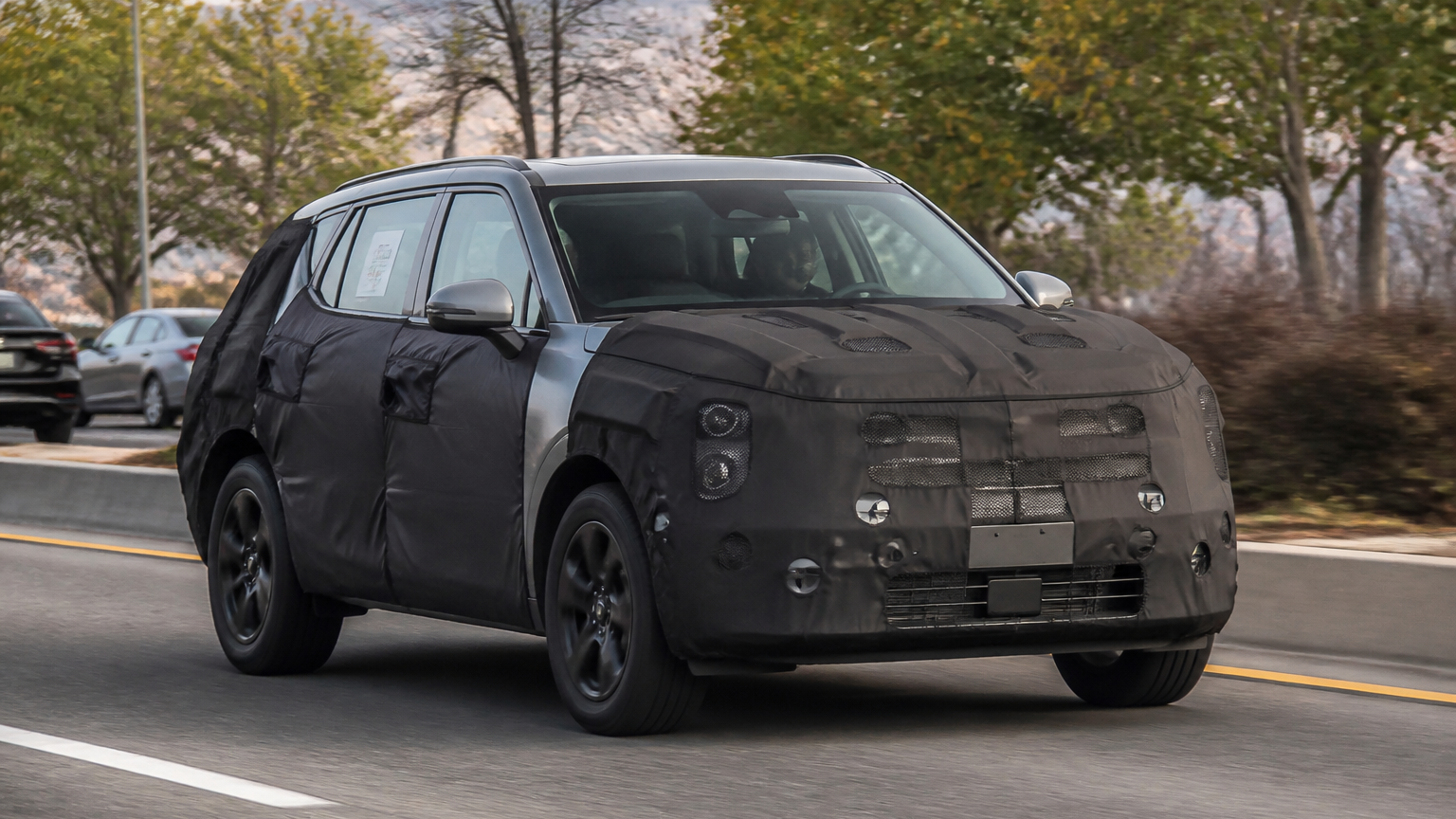
2028 Kia Sportage: Major Design Changes Spotted
Kia’s next Sportage may get a bolder, boxier redesign, with an upright profile, sharper lines, wider grille and split headlights hinted by spy shots.