Pakistan Cuts ACD on Imported Cars: What It Means for Buyers
The government has lowered the Additional Customs Duty on many imported vehicles starting July 1, 2026. This small but meaningful cut could ease the burden on buyers looking for options beyond local models. Here's a clear breakdown of the changes and what they mean for you.
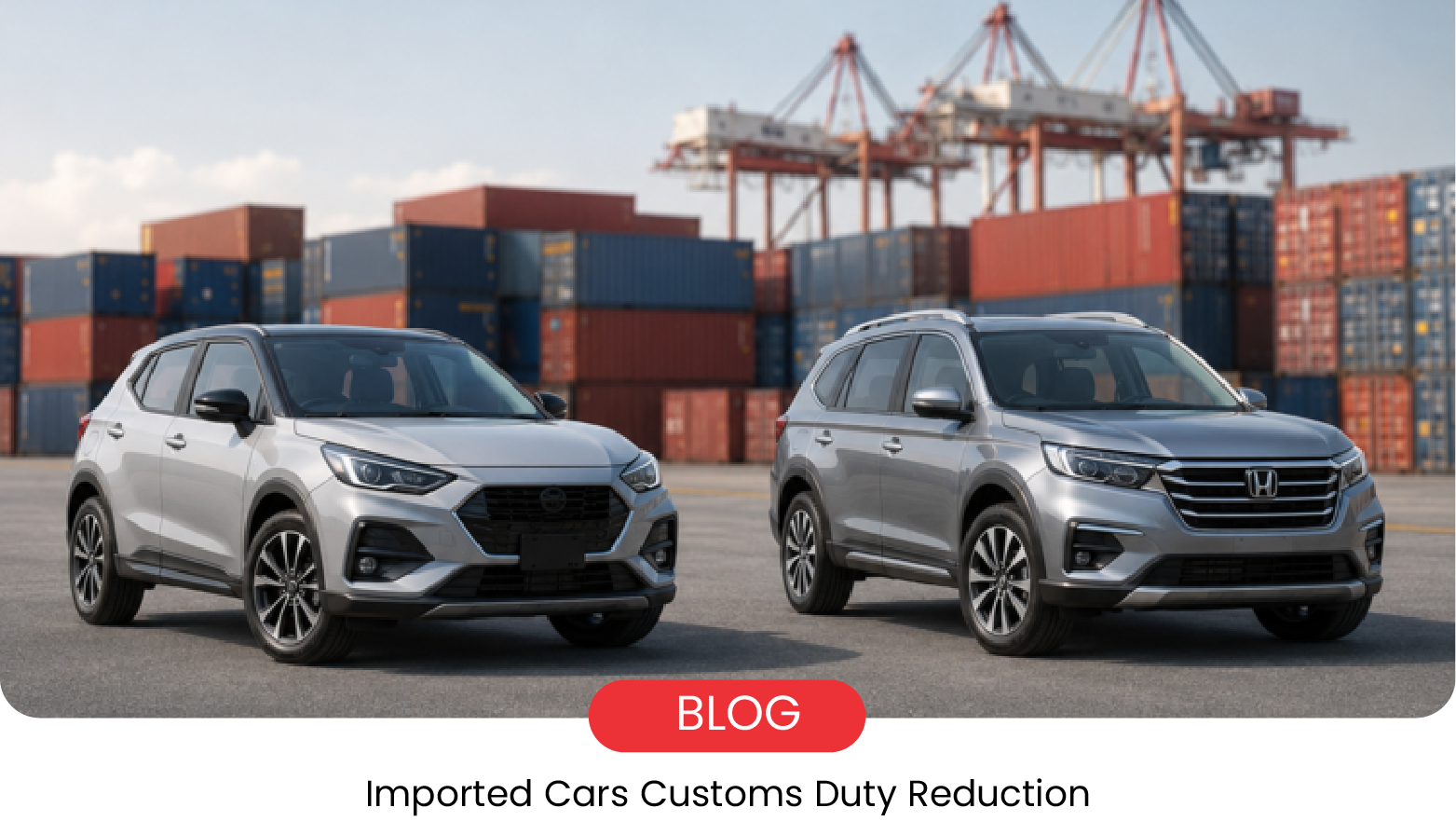
Table of Contents
- What Exactly Changed?
- Why This Matters Right Now
- Potential Impact on Car Prices
- Benefits for Buyers Like You
- How It Affects the Local Auto Industry
- Broader Economic Context
- What Should You Do Next?
- A Step Toward Better Options
If you're in the market for a car in Pakistan right now, you might have felt the pinch of high prices for years. The good news is that the federal government just made a move that could help. Through S.R.O. 1063(I)/2026, part of the Finance Act 2026 reforms, they've reduced the Additional Customs Duty (ACD) on imported vehicles.
This change takes effect from July 1, 2026. For imported vehicles above 850cc, the ACD drops from 6% to 4%. Exemptions stay the same for smaller engines and certain CKD (completely knocked down) units. It's a targeted step in broader tariff reforms aimed at making things a bit more affordable.
What Exactly Changed?
Let's keep it straightforward. Additional Customs Duty is one layer on top of other taxes like basic customs duty and regulatory duty. It adds to the final landed cost of imported cars.
- Imported vehicles above 850cc: ACD now 4% (was 6%).
- Imported vehicles up to 850cc: Still fully exempt from ACD.
- CKD vehicles above 1,000cc: Exemption continues.
- CKD vehicles up to 1,000cc: Exemption remains.
This isn't a massive overhaul of all duties, but it's part of a pattern of reductions seen in the Finance Act. Other components like customs duty and regulatory duty have also seen adjustments in various slabs, which together could lower the overall tax load on eligible imports.
I checked the official notification and reports from reliable sources like PakWheels and FBR-related updates. The numbers hold up.
Why This Matters Right Now
Car ownership in Pakistan has always been tough. High duties, rupee fluctuations, and limited options push prices out of reach for many. Local assembly dominates the market, but many people want the variety, features, or specific models that come with imports whether Japanese, Korean, or others.
This ACD cut arrives as the auto sector shows some recovery. Sales of locally assembled vehicles have grown in 2026 compared to previous years, but demand for affordable and diverse choices remains strong. Lower duties on imports can introduce more competition.
For someone saving up for their first family car or upgrading, even a few percentage points can translate into noticeable savings after all other costs add up.
Potential Impact on Car Prices
Will prices drop immediately? It's not automatic, but the direction is positive. Importers and dealers face lower costs on the duty component. How much they pass on depends on market dynamics, competition, and other factors like shipping and currency rates.
Analyses of similar past adjustments suggest reductions in the range of tens of thousands to a few lakhs for certain models, especially in the popular mid-range segments. Larger vehicles above 850cc stand to benefit directly from this ACD tweak.
Keep in mind the bigger picture from the tariff reforms: overall import duties on vehicles in some categories have come down significantly from previous highs. This contributes to easing the burden that has kept many imported options expensive.
Benefits for Buyers Like You
If you're tired of the same few local models and want better fuel efficiency, modern safety features, or simply a different driving experience, this helps open doors.
- More choices: Imported options become slightly more viable.
- Price pressure: Competition can push local manufacturers to offer better value or hold prices steady.
- Long-term affordability: As part of ongoing reforms, this signals a gradual shift toward a more balanced market.
Many middle-class families in cities like Karachi, Lahore, and Islamabad feel stuck between high local prices and even higher import costs. This change speaks directly to that frustration without promising miracles.
How It Affects the Local Auto Industry
Not everyone is cheering. Local assemblers and parts manufacturers have raised concerns about increased competition. Pakistan's auto sector supports a lot of jobs and has grown over the years under protection.
However, the policy isn't about sudden flooding of the market. Exemptions for CKD units support local assembly. And broader reforms aim to encourage efficiency and localization in the long run.
Experts point out that healthy competition can actually push the industry to improve quality, innovate, and perhaps export more something Pakistan needs for sustainable growth. The sector already contributes significantly to GDP and employment.
It's a balancing act: give consumers relief while protecting key industrial interests.
Broader Economic Context
This fits into Pakistan's tariff rationalization under the National Tariff Policy. The goal is to reduce overall trade barriers gradually, align with international practices, and boost economic activity.
With inflation easing somewhat and economic indicators showing cautious optimism in 2026, such measures aim to stimulate demand in key sectors like automobiles. Lower input costs can also help related industries.
Of course, challenges remain; currency stability, global supply chains, and domestic demand all play roles. But steps like this ACD reduction show intent to make things work better for ordinary people.
What Should You Do Next?
If you're planning to buy a car soon:
- Watch for dealer announcements in the coming weeks. Price adjustments may roll out as new shipments clear under the revised duties.
- Compare options carefully, both local and imported, considering running costs, resale value, and your needs.
- Check official FBR sources or trusted auto portals for the latest on other duty components.
For used imports or specific models, the ripple effects might take a bit longer but could still appear in the market.
A Step Toward Better Options
This isn't a complete game-over for high car prices in Pakistan. Duties are still substantial overall. But the reduction in Additional Customs Duty from 6% to 4% is a practical move that lowers the tax burden where it counts for many buyers.
It shows the government is listening to the need for more affordability and choice. For families budgeting carefully, enthusiasts looking for imports, or anyone tired of limited options, it's welcome news.
As the market responds over the next few months, we'll see how much relief actually reaches the showroom floor. In the meantime, stay informed and make choices that fit your situation.
The auto landscape in Pakistan is evolving. Changes like this, even if incremental, add up and can make a real difference over time. If you're in the market, this July 1 shift might just make your search a little easier.For more updates, visit DrivePK.com
Tags
Share this article
About the Author

Najeeb Khan
Automotive enthusiast and writer
Comments (0)
Login Required
You need to be logged in to comment on this article.
No comments yet. Be the first to share your thoughts!
Related Articles
Rawalpindi Approves Rs. 6.5bn Road Schemes
A Rs6.5bn plan for 18 roads around Rawalpindi is circulating—but without official documents, it remains an unverified report, not a confirmed project.
Punjab Driving License Services Suspended for DLIMS Upgrade
Punjab driving license services may be disrupted during a DLIMS upgrade. Check official updates before visiting a licensing center to avoid a wasted trip.
M-6 Motorway Delay Puts November 2026 Start in Doubt
Pakistan’s M-6 motorway faces fresh delays from lawsuits and approvals. Lawmakers demand a firm timeline and section-by-section briefing.