Pakistan Cuts Petrol and Diesel Prices: Quick Relief at the Pump
Pakistan cuts petrol and diesel prices for mid-October 2025, offering drivers and transporters welcome relief. Petrol now costs Rs263.02 and diesel Rs275.41. OGRA credits global oil dips and a stable rupee for the cut.
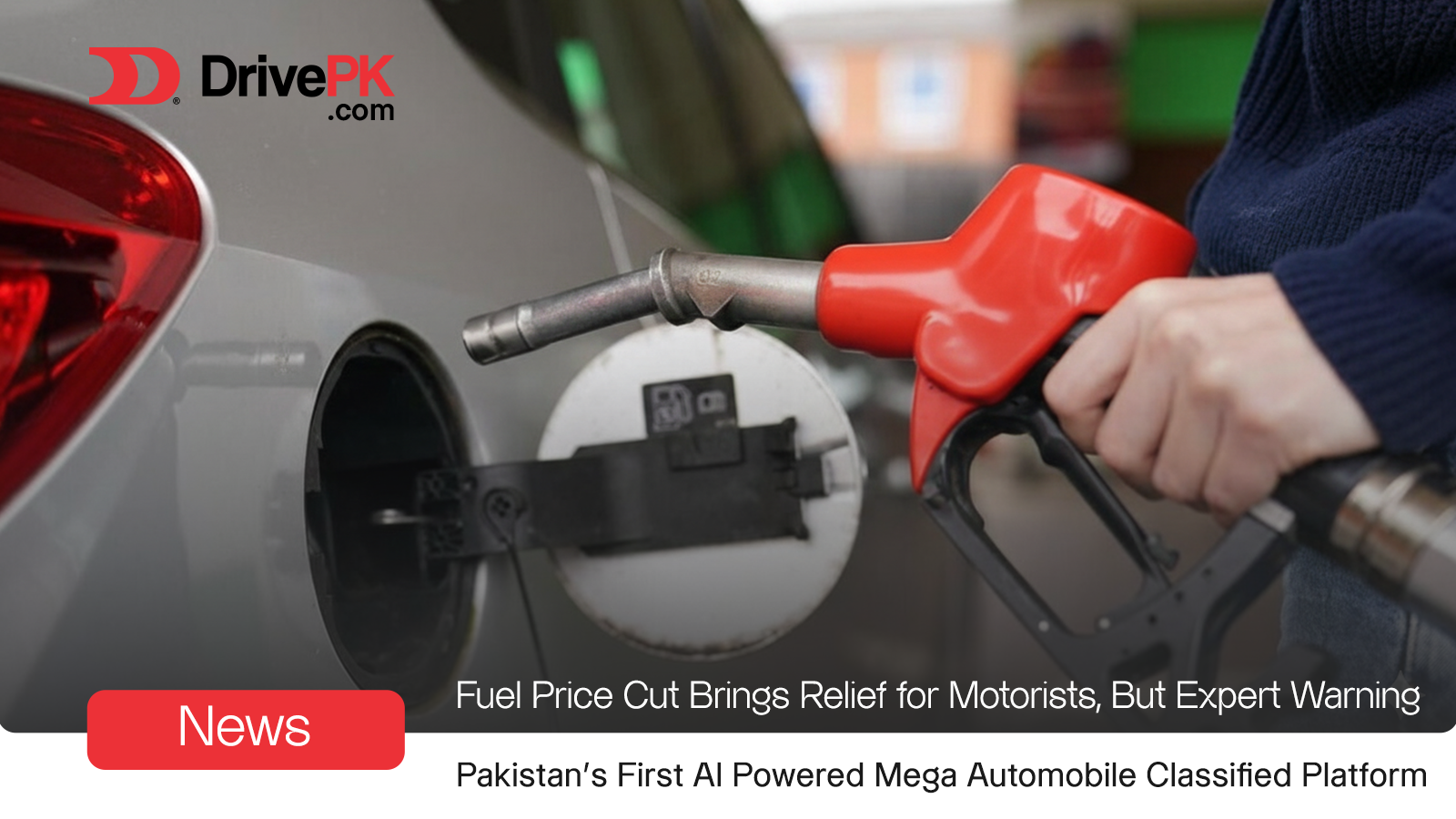
Table of Contents
- Why the Prices Came Down
- What It Means for Your Wallet
- The Catch: It Might Not Last
- Broader Picture for Pakistan
Fuel prices hit hard every day. They shape your morning commute, your weekend drive, or that truck hauling goods across the country. On October 16, 2025, Pakistan's government brought some good news. Petrol dropped by Rs5.66 per litre, now at Rs263.02. High-speed diesel fell by Rs1.39, settling at Rs275.41. These changes last until October 31.
Why the Prices Came Down
Global oil markets eased up. Crude prices slipped to about $61.9 per barrel, down from higher peaks earlier this year. A steady rupee helped too. It cut import costs, so the government could pass savings to you. The Oil and Gas Regulatory Authority (OGRA) crunched the numbers and advised the cuts. Prime Minister Shehbaz Sharif approved them, aiming to lighten the load on households and businesses.
Other fuels got relief as well. Kerosene oil shed Rs3.26, now Rs181.71 per litre. Light diesel oil dipped Rs2.74 to Rs162.76. No change for furnace oil, though. This marks the third straight drop in petrol prices, a shift after months of hikes that squeezed budgets.
What It Means for Your Wallet
For drivers, that's real money back in your pocket. Fill a 50-litre tank with petrol, and you save about Rs283 compared to last week. Transporters feel it more. Diesel powers trucks and buses, so lower costs could trim fares or grocery prices down the line. Farmers using diesel for tractors might see smaller bills, too.
In cities like Karachi or Lahore, where traffic crawls, this eases the daily grind. A family heading out for Eid shopping? More cash for treats. Small shops relying on deliveries? Slightly lower overheads. It's not a fix for everything, inflation still bites, but it's a breath of fresh air.
The Catch: It Might Not Last
Economists point out the upside is short-lived. Winter demand in colder countries could push oil prices back up. Geopolitical tensions or supply hiccups add risk, too. If the rupee wobbles, imports get pricier again. Still, for now, enjoy the break. Plan that road trip or just top up without the wince.
Broader Picture for Pakistan
These cuts tie into bigger efforts. The government pushes for more local refining and renewable energy to steady prices long-term. Hybrids and electrics gain traction as fuel bills stay volatile. For consumers, it's a reminder: Track global news, budget smart, and maybe eye fuel-efficient rides. For more updates, visit DrivePK.com
Tags
Share this article
About the Author

Najeeb Khan
Automotive enthusiast and writer
Comments (0)
Login Required
You need to be logged in to comment on this article.
No comments yet. Be the first to share your thoughts!
Related Articles
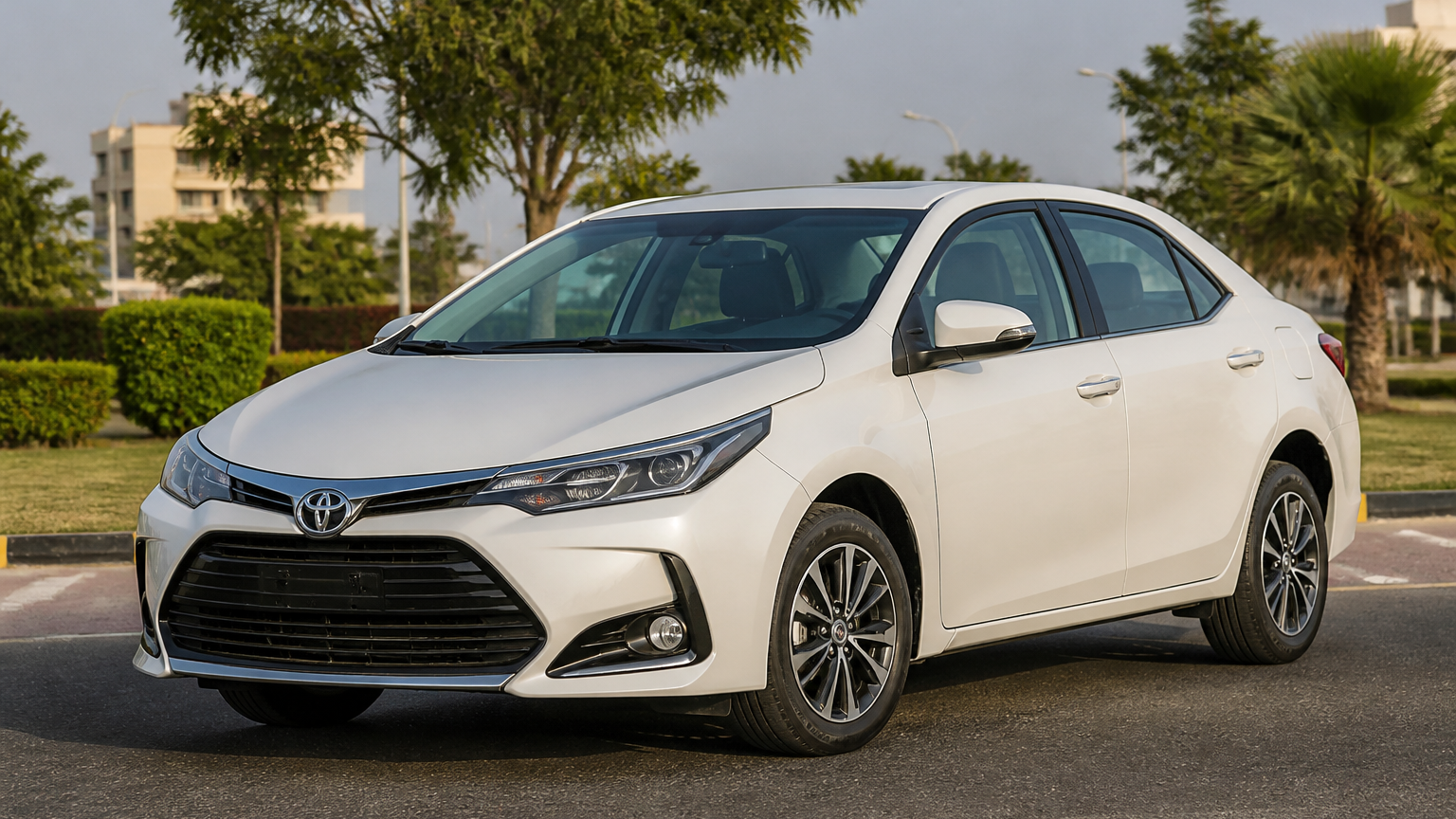
Toyota Corolla Discontinued Before Pakistan Facelift
Pakistan’s pre-facelift Toyota Corolla is reportedly discontinued, hinting at a facelift. Prices, bookings, specs and launch timing remain unconfirmed.
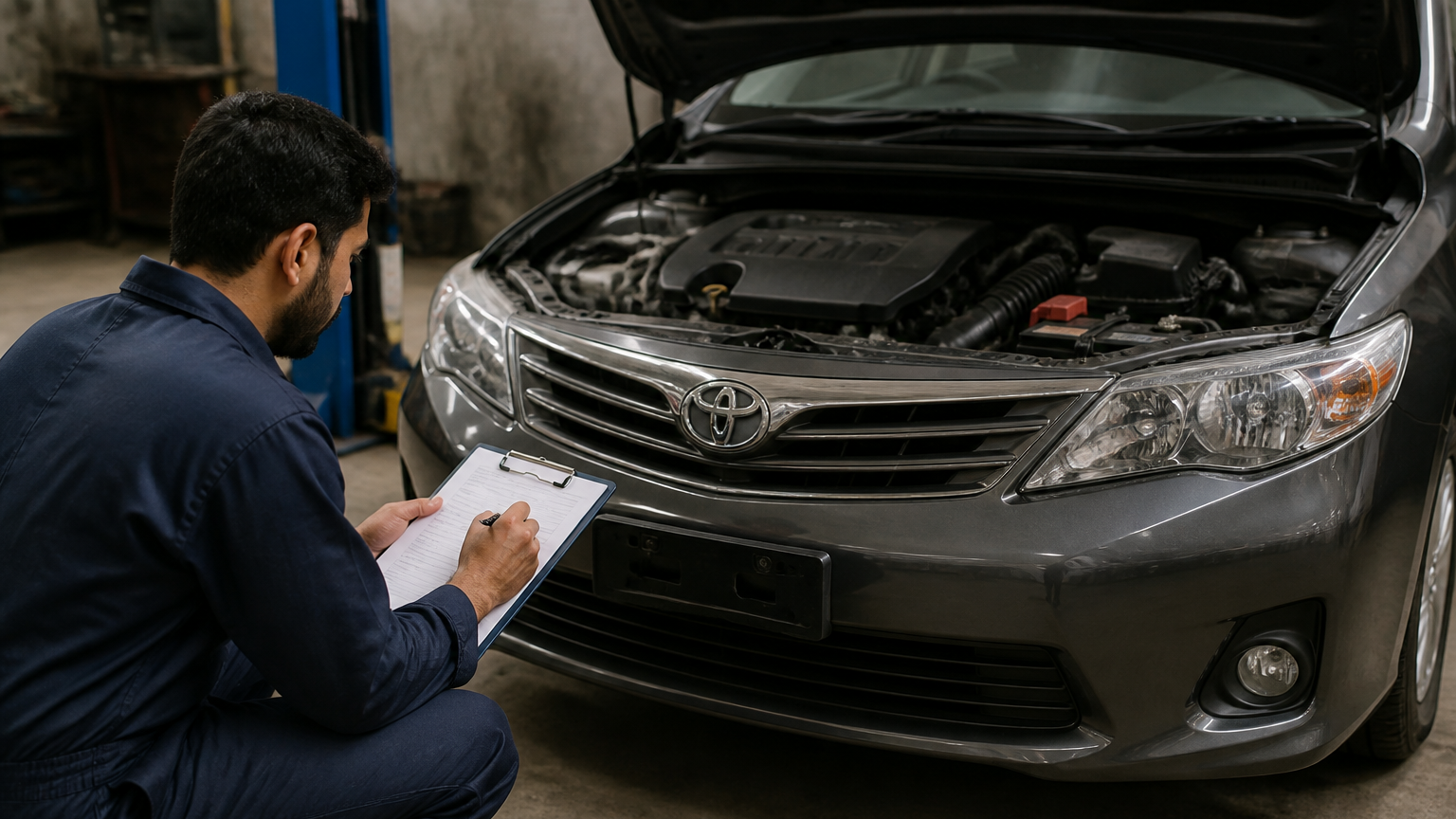
DrivePK Car Inspection Reports: Buy with Confidence
Buying a used car in Pakistan? A pre-purchase inspection can reveal hidden damage, engine issues and red flags before you pay—but it’s not enough alone.
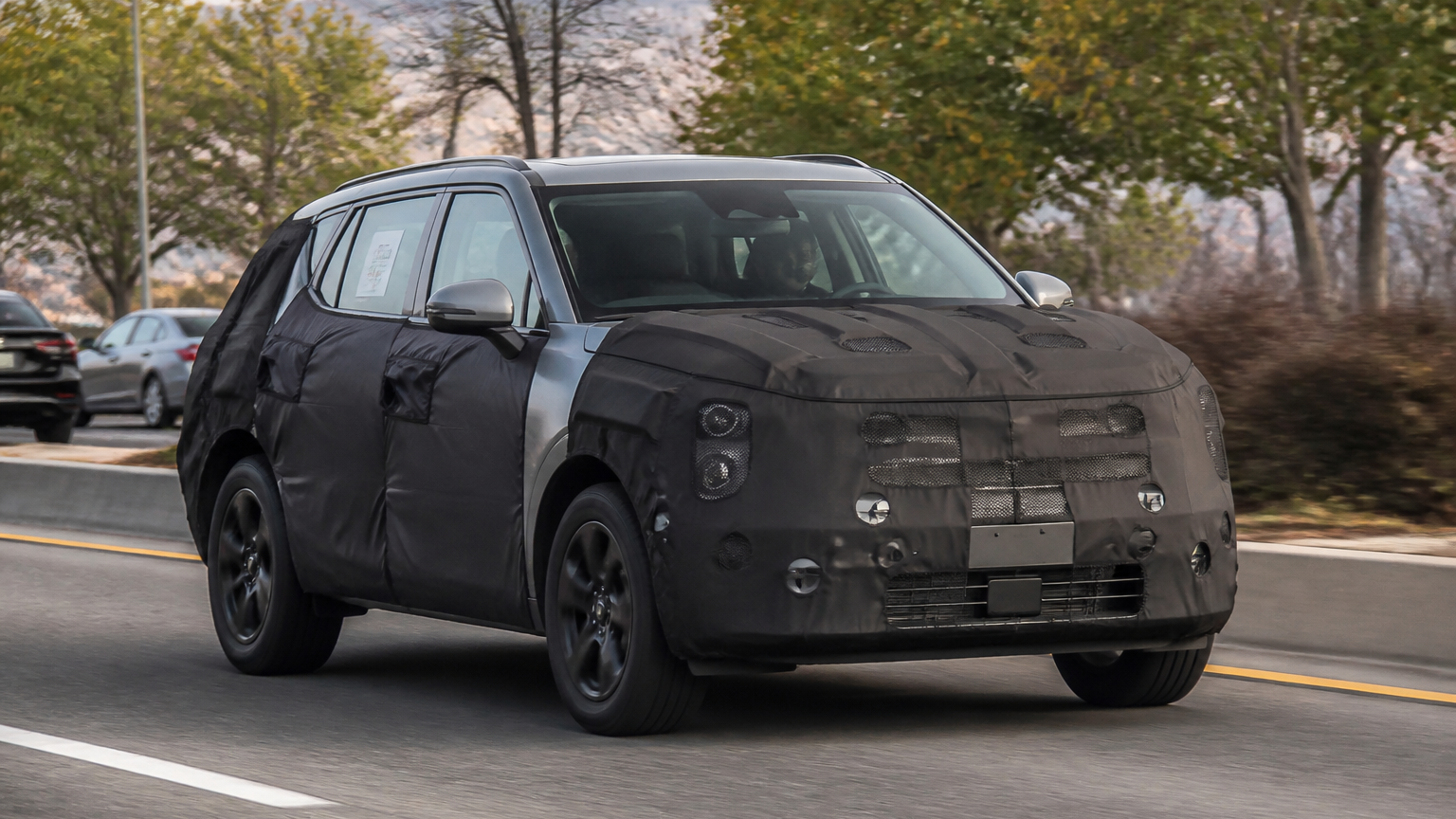
2028 Kia Sportage: Major Design Changes Spotted
Kia’s next Sportage may get a bolder, boxier redesign, with an upright profile, sharper lines, wider grille and split headlights hinted by spy shots.