Pakistan Cuts Used Car Import Duties: What It Really Means
Recent headlines about a new 30% duty on imported used cars have confused many. The truth is different. The government actually lowered key rates. This change could make certain imports more affordable. Let's clear up the facts so you know what it means for your next car purchase
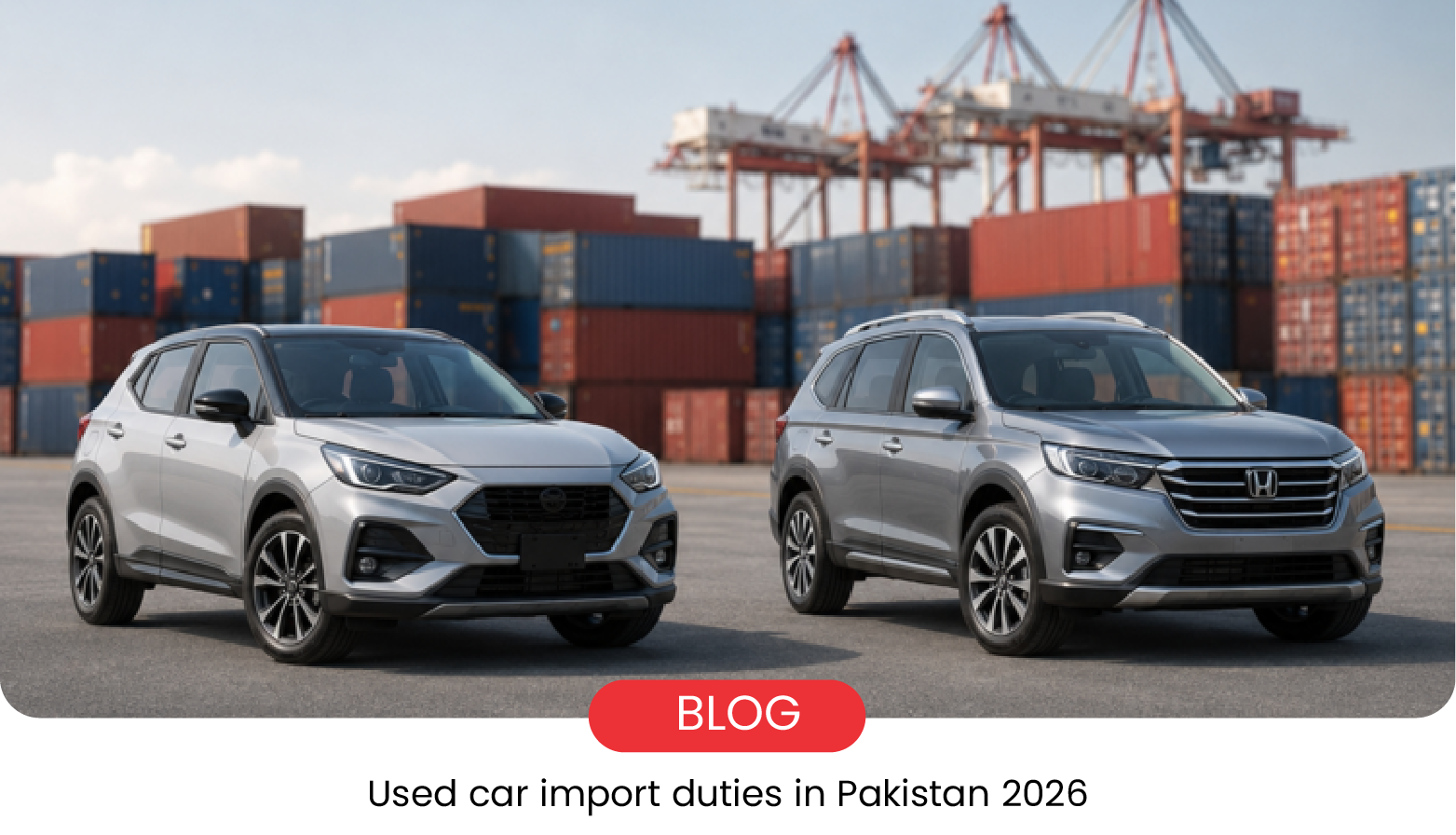
Table of Contents
- What Actually Changed with Commercial Imports
- Good News for Private Importers and Buyers
- Why This Matters to You as a Buyer
- Clearing Up the Misinformation
- Broader Context in Pakistan's Auto Sector
- What Should You Do Next?
- Bottom Line
You've probably seen the news. "Government slaps 30% new duty on used cars." It sounds bad. Many buyers and importers got worried. But the reports missed the full picture.
The changes are more nuanced. Some rates went down. This matters for people who buy imported cars, whether for personal use or business. Let's break it down simply, with verified details from official notifications.
What Actually Changed with Commercial Imports
Commercial importers bring in used cars to sell. Earlier, they faced a 40% regulatory duty (RD) on top of other taxes.
The new rule, under SRO 1065(I)/2026, sets this at 30%. It's not a new tax. It's a reduction from 40% to 30%. This took effect July 1, 2026.
Why the confusion? Some outlets saw the "30%" number and called it brand new. They didn't mention it replaced a higher rate. The duty still stacks with existing customs duties, sales tax, and more. So costs remain high for big commercial shipments. But it's a step toward easing, not tightening.
This fits a longer plan. The government wants to phase down these extra duties over years while protecting local auto makers.
Good News for Private Importers and Buyers
Most used cars in Pakistan come through private channels. Think overseas Pakistanis bringing vehicles under baggage, gift, or transfer of residence schemes.
Here, the update brings real relief. Through SRO 1064(I)/2026, regulatory duties dropped:
- From 10% to 8% for one category (often smaller or standard vehicles).
- From 50% to 20% for higher slabs, like many SUVs and larger engines.
These cuts started July 1, 2026. They apply on top of other standard duties but lower the total burden noticeably for many private imports.
SUVs and all-terrain vehicles saw the bigger drop from 50% to 20%. This could help bring down prices on popular imported models that families and individuals often prefer.
Why This Matters to You as a Buyer
If you're shopping for an imported used car, these changes matter. Private imports drive much of the market. Lower duties there mean potential savings on the final price after all taxes and freight.
Local car prices stay influenced by these imports too. More affordable used options can create pressure on new locally assembled cars.
Still, don't expect massive drops overnight. Other costs like shipping, currency rates (rupee fluctuations), and overall taxes stay significant. Quality checks and age limits also play a role.
The government aims to balance things: open some doors for consumers while supporting local industry and meeting international commitments like those with the IMF.
Clearing Up the Misinformation
Headlines often simplify or sensationalize. In this case, they turned a reduction into "new heavy duty." Always check primary sources like FBR notifications or reliable auto sites such as PakWheels for context.
The 30% applies specifically to commercial used vehicle imports under certain PCT headings. It's in addition to duties under the paired SRO 1064 but replaces the prior 40%. For everyday buyers using personal schemes, the story is one of cuts.
Broader Context in Pakistan's Auto Sector
Pakistan has tightened and then adjusted used-car import rules over the years. Bans or high duties on personal baggage schemes pushed more activity through regulated channels. Now, with tariff rationalization, duties are gradually trending downward.
This 2026 move continues that. It includes quality standards to stop low-grade or heavily damaged vehicles. The goal isn't to flood the market but to make sensible imports viable.
For someone saving for a reliable imported car, maybe a Japanese model known for durability, these duty tweaks offer hope. They signal the government is listening to buyer demand amid high local prices.
What Should You Do Next?
- Verify before buying:Check the exact engine size and import category for your target car. Duties vary.
- Consult professionals:Talk to customs brokers or trusted dealers familiar with the latest SROs.
- Compare total cost:Factor in all duties, taxes, shipping, and registration. A lower RD helps but isn't the whole picture.
- Watch for more changes:Duties may phase down further in coming years.
If you're an overseas Pakistani planning to ship a car home, the private import reductions are particularly relevant.
Bottom Line
The government did not impose a harsh new 30% duty that hurts everyone. Instead, it reduced rates in key areas. Commercial importers see a modest cut from 40% to 30%. Private importers and buyers benefit more directly from drops to 8% and 20%.
This brings some relief in a high-tax environment. Stay informed, avoid panic from clickbait, and calculate real costs. The auto market evolves. These steps show a measured approach that could make better options accessible without wild swings.
Understanding the details helps you make smarter choices. Whether you're upgrading the family car or exploring business opportunities in imports, the real story offers cautious optimism. For more updates, visit DrivePK.com
Tags
Share this article
About the Author

Najeeb Khan
Automotive enthusiast and writer
Comments (0)
Login Required
You need to be logged in to comment on this article.
No comments yet. Be the first to share your thoughts!
Related Articles
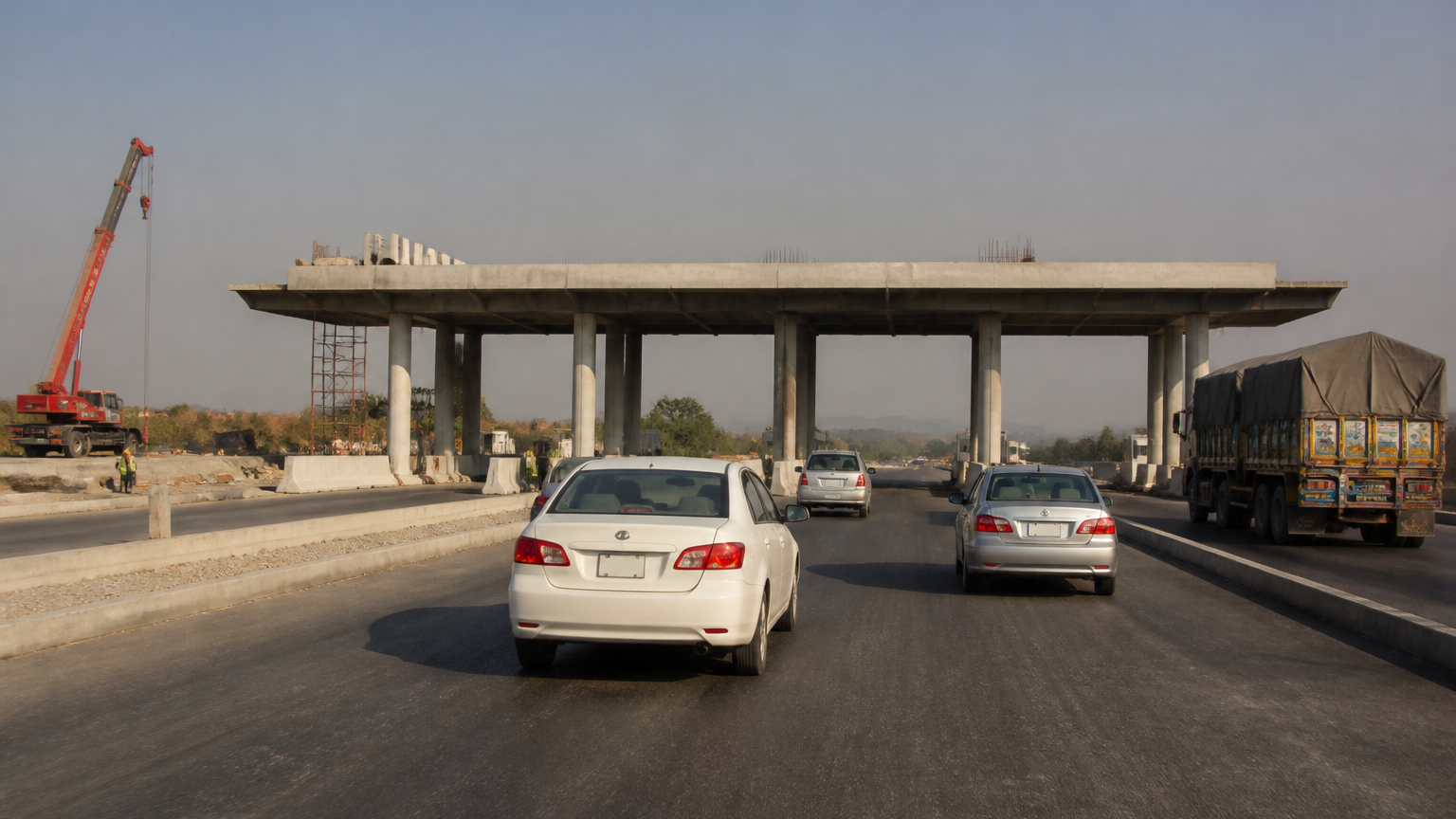
Rawalpindi Ring Road Opening Delayed by Toll Plaza Work
Rawalpindi Ring Road is structurally complete, but toll plazas and e-toll systems remain unfinished—delaying opening, toll rates and traffic relief.
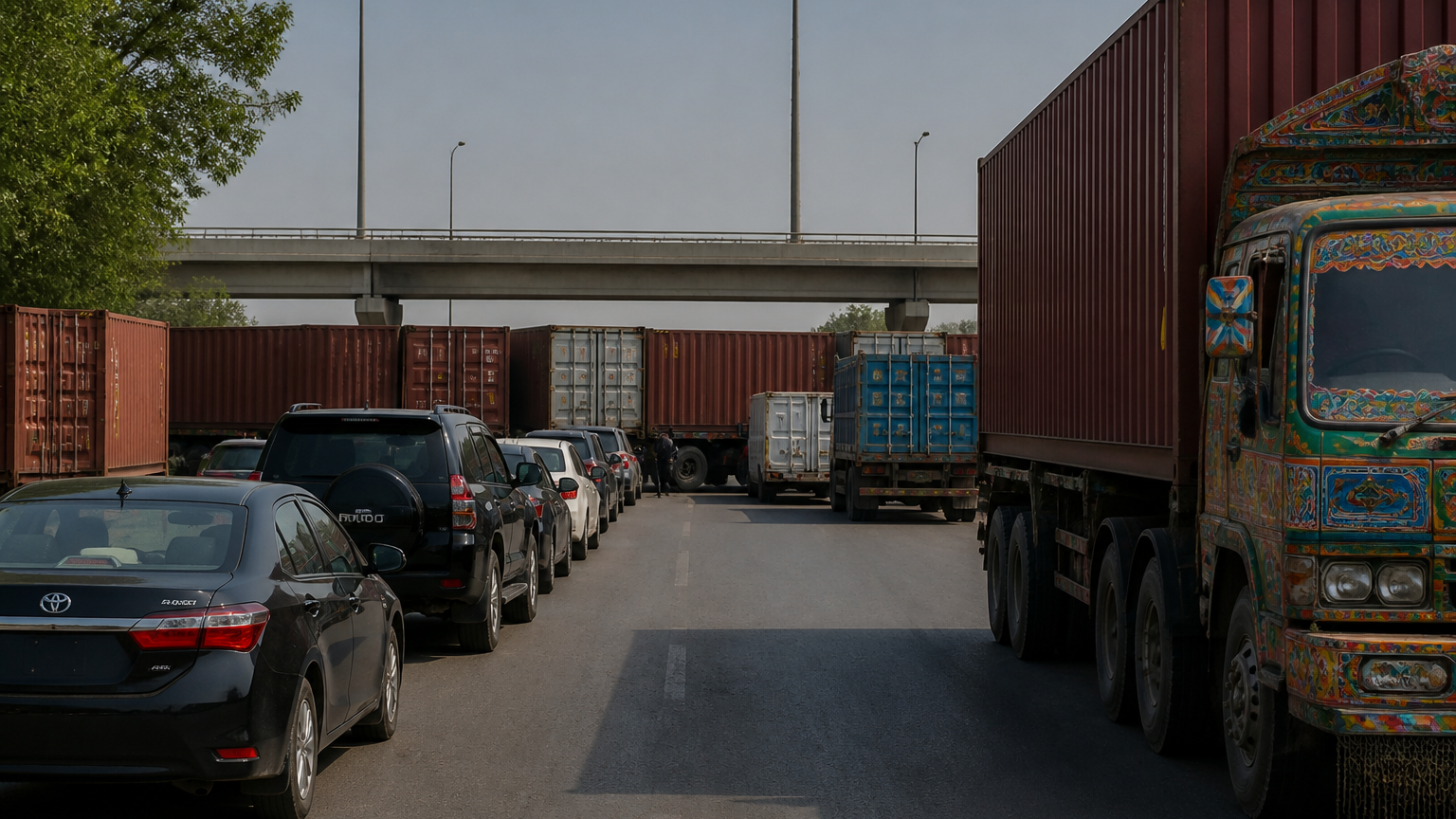
Islamabad Blockades Delay Karachi Freight Before PTI Protest
PTI’s Oct. 4 march may delay northbound freight from Karachi, affecting car parts, tyres and workshop supplies—but the scale remains unclear.
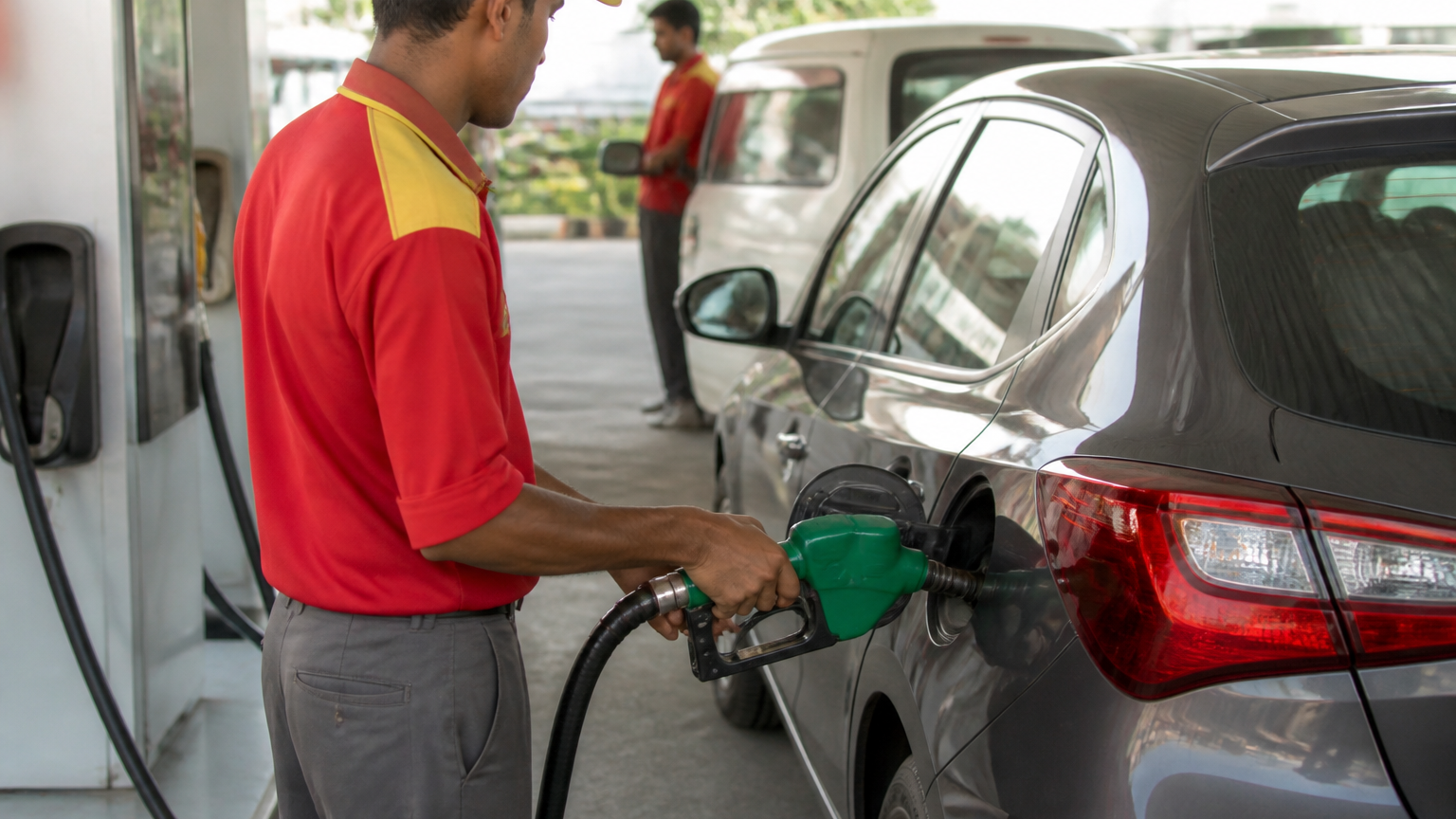
Oil Prices Near $100: Impact on Pakistan
Brent nears $100 after a sharp swing linked to China’s fuel-export curbs—but Pakistan’s petrol and diesel prices remain unchanged for now.