Pakistan Finance Act 2026: Auto Sector Tax Changes Explained
Pakistan's Finance Act 2026 changes taxes on imported cars, SUVs, and EVs starting July 1. Smaller engines get relief while luxury models face higher costs. Token tax in Islamabad now depends on invoice value. Here's what buyers and owners need to know.
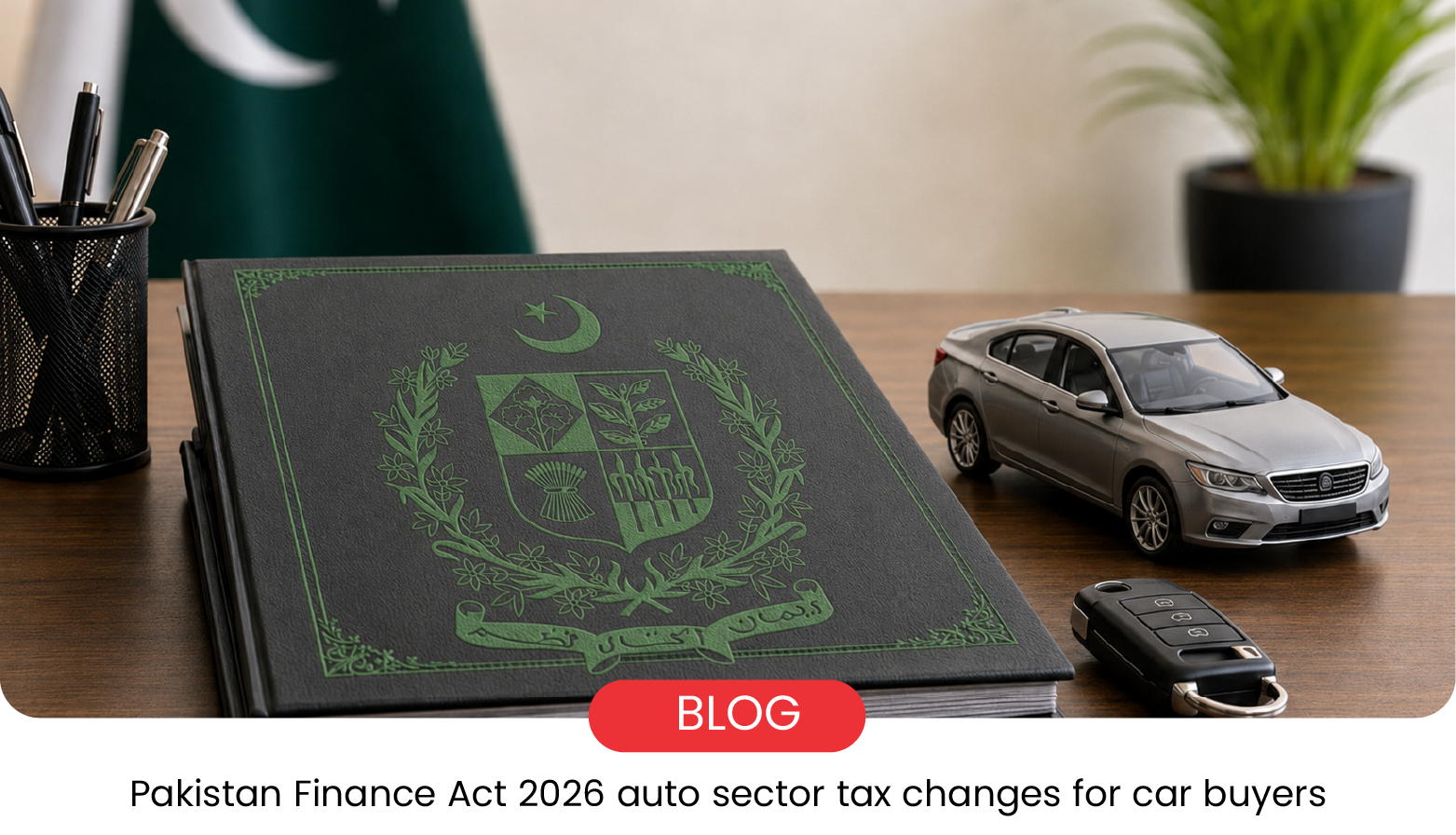
Table of Contents
- Lower Duties on Smaller Imported Cars
- Higher Burden on Luxury Petrol Cars and SUVs
- Electric Vehicles: Mixed News
- Islamabad Token Tax Overhaul
- Broader Impact on the Auto Sector
- What Should You Do Next?
The new rules took effect on July 1, 2026. They adjust customs duties, add special excise on bigger petrol vehicles, tweak EV taxes, and change how annual token tax works in Islamabad. These shifts aim to bring in revenue while giving some breathing room to smaller and greener options.
If you drive, import, or plan to buy a car, these changes affect your wallet directly. Let's break it down simply.
Lower Duties on Smaller Imported Cars
The government cut customs duties on many imported vehicles with smaller engines. This could make some popular models more affordable.
- Up to 850cc: Down from 66% to 42%
- 1000–1500cc: From 76% to 52%
- Above 1500cc: From 91% to 57%
- 1800cc: Big drop from 156% to 74%
These reductions target everyday cars and might help bring down prices for imported options in the mid-range segment. Local assemblers could also see some indirect benefits through cheaper parts or increased competition.
But remember, total cost includes other taxes, shipping, and dealer margins. Real price drops will depend on how importers pass on the savings.
Higher Burden on Luxury Petrol Cars and SUVs
For bigger engines, the story changes. The Act introduces or raises Special Excise Duty (SED) on imported petrol cars and SUVs above 2,000cc.
- 2000cc to 3000cc: 86% duty
- Above 3001cc: 92% duty
This hits luxury imports hard. Even with some customs duty relief elsewhere, the overall tax load goes up for high-end SUVs and sedans. Buyers of Land Cruiser-style vehicles or premium German imports will feel it most.
The goal seems clear: collect more from those who can afford premium options while easing pressure on mass-market segments.
Electric Vehicles: Mixed News
EVs get special treatment. Imported electric cars and SUVs up to $75,000 stay exempt from certain Federal Excise Duty in many cases, supporting greener transport. But higher-priced models face new rates.
- EVs up to $75,000: Often 0% or low FED, with 30% duty structure in some tiers
- Above $110,000 or Rs 2–3 crore range: 30–40% FED applies
Customs concessions for EV parts and lower-value CBUs continue to encourage local assembly. This balances environmental goals with revenue needs. Luxury EV buyers, however, won't escape the higher brackets.
Local EV and hybrid makers continue to enjoy reduced sales tax rates (1% for many EVs), which helps keep those options competitive.
Islamabad Token Tax Overhaul
One of the biggest practical changes hits vehicle owners in the capital. Token tax shifts from mostly fixed rates to a percentage of the vehicle's invoice value for most categories.
New structure (effective July 1, 2026):
- Up to 1000cc: Fixed Rs. 20,000
- 1001cc to 2000cc: 0.25% of invoice value
- Above 2000cc: 0.35% of invoice value
For newer or more expensive cars, this means noticeably higher annual payments. Older vehicles might still follow some previous slabs in certain cases. This move modernizes the system and ties tax to actual vehicle value.
If you own a mid-size or luxury car registered in Islamabad, check your new liability soon.
Broader Impact on the Auto Sector
Local manufacturers get some protection through higher taxes on big luxury imports. At the same time, lower duties on smaller segments could increase competition from imports. This might push local players to improve quality and pricing.
Importers of affordable cars may benefit in the short term. Luxury importers face squeezed margins. Overall industry volumes could shift toward smaller, more efficient, or electric options.
Buyers should watch for price adjustments over the coming months. Currency rates, global supply, and dealer strategies will also play a role.
What Should You Do Next?
- Planning to buy?: Compare total ownership costs including new duties and token tax. Smaller engine or EV options look more attractive now.
- Existing owner in Islamabad?: Calculate your new annual token tax based on invoice value.
- Importer or dealer?: Review the exact duty slabs for your models and plan inventory accordingly.
- Considering luxury?: Factor in the significantly higher upfront and ongoing costs.
These changes reflect a balancing act: generate revenue, promote smaller and greener vehicles, and protect local industry where possible.
The auto market in Pakistan keeps evolving. Stay informed as rules settle and prices adjust. Whether you drive a compact daily commuter or dream of a premium SUV, understanding these updates helps you make smarter decisions. For more updates, visit DrivePK.com
Tags
Share this article
About the Author

Najeeb Khan
Automotive enthusiast and writer
Comments (0)
Login Required
You need to be logged in to comment on this article.
No comments yet. Be the first to share your thoughts!
Related Articles
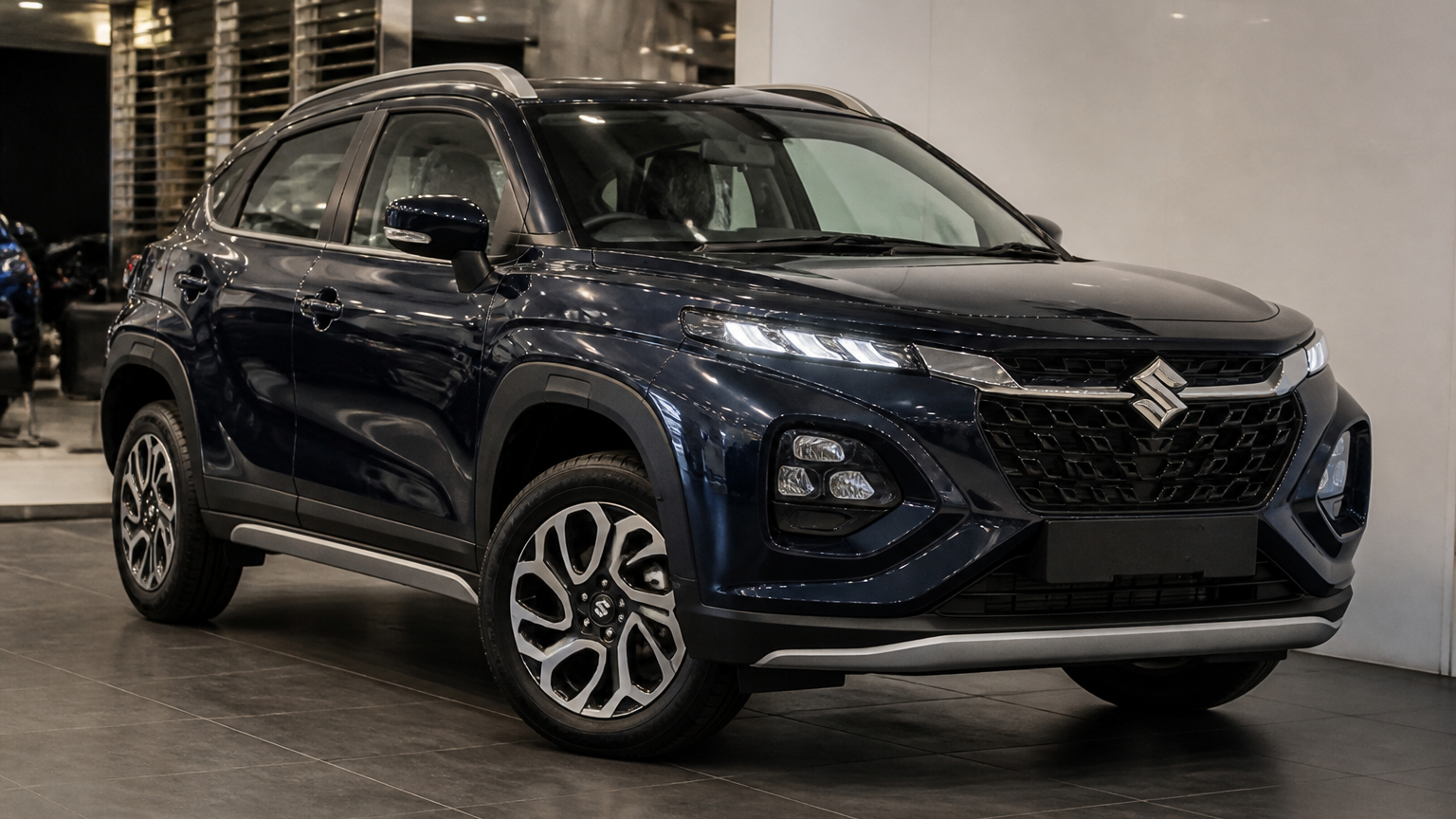
Suzuki FRONX MCB Financing Offer Announced
MCB financing for Suzuki FRONX remains unconfirmed. Wait for written terms from Suzuki Pakistan, MCB Bank, or an authorised dealer before booking.
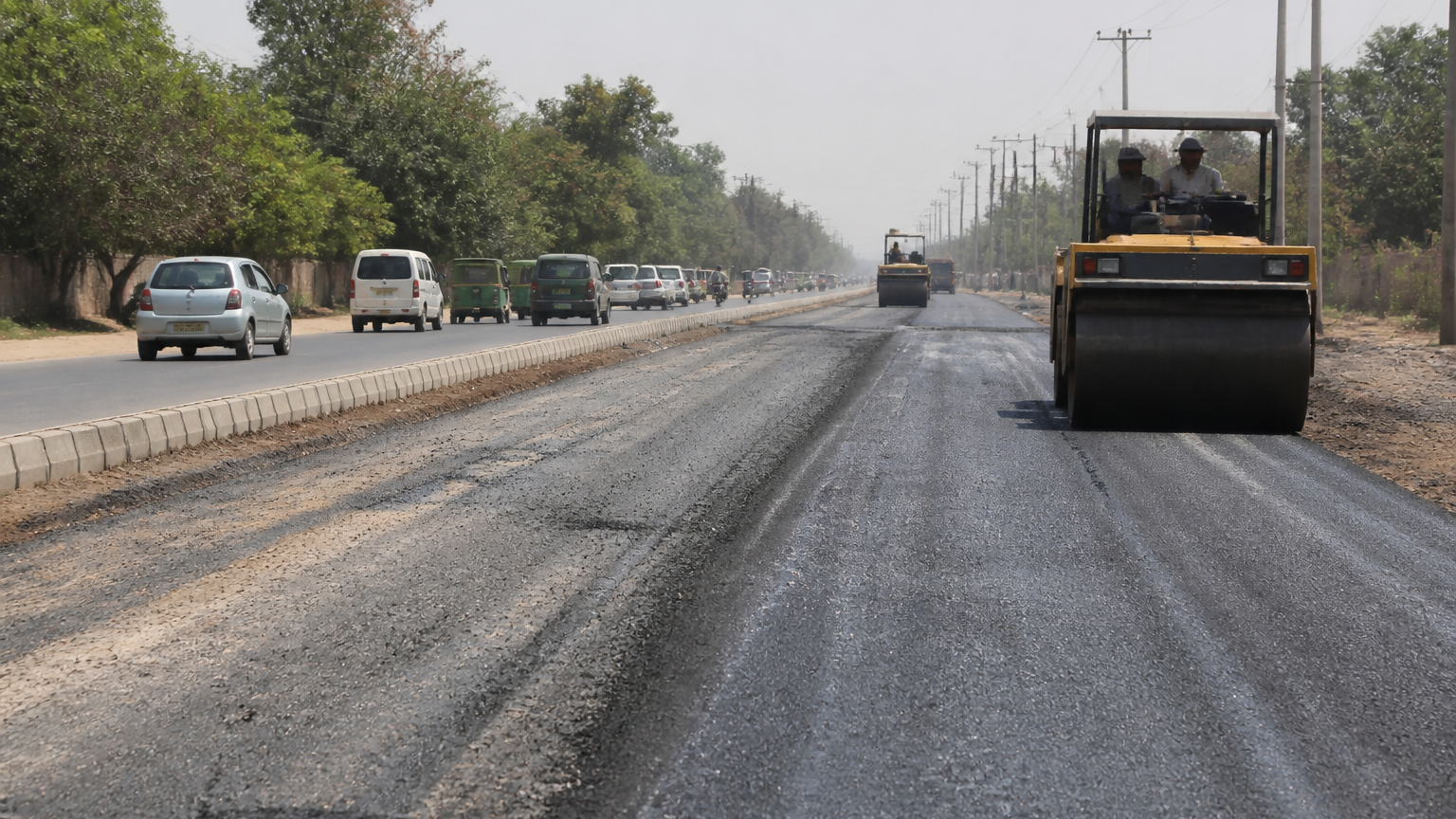
Multan Rs. 4.5bn Road Project Progress Inspected
A viral claim says Multan’s commissioner inspected a Rs4.5bn road project, but available sources verify only a separate sewerage-project report.
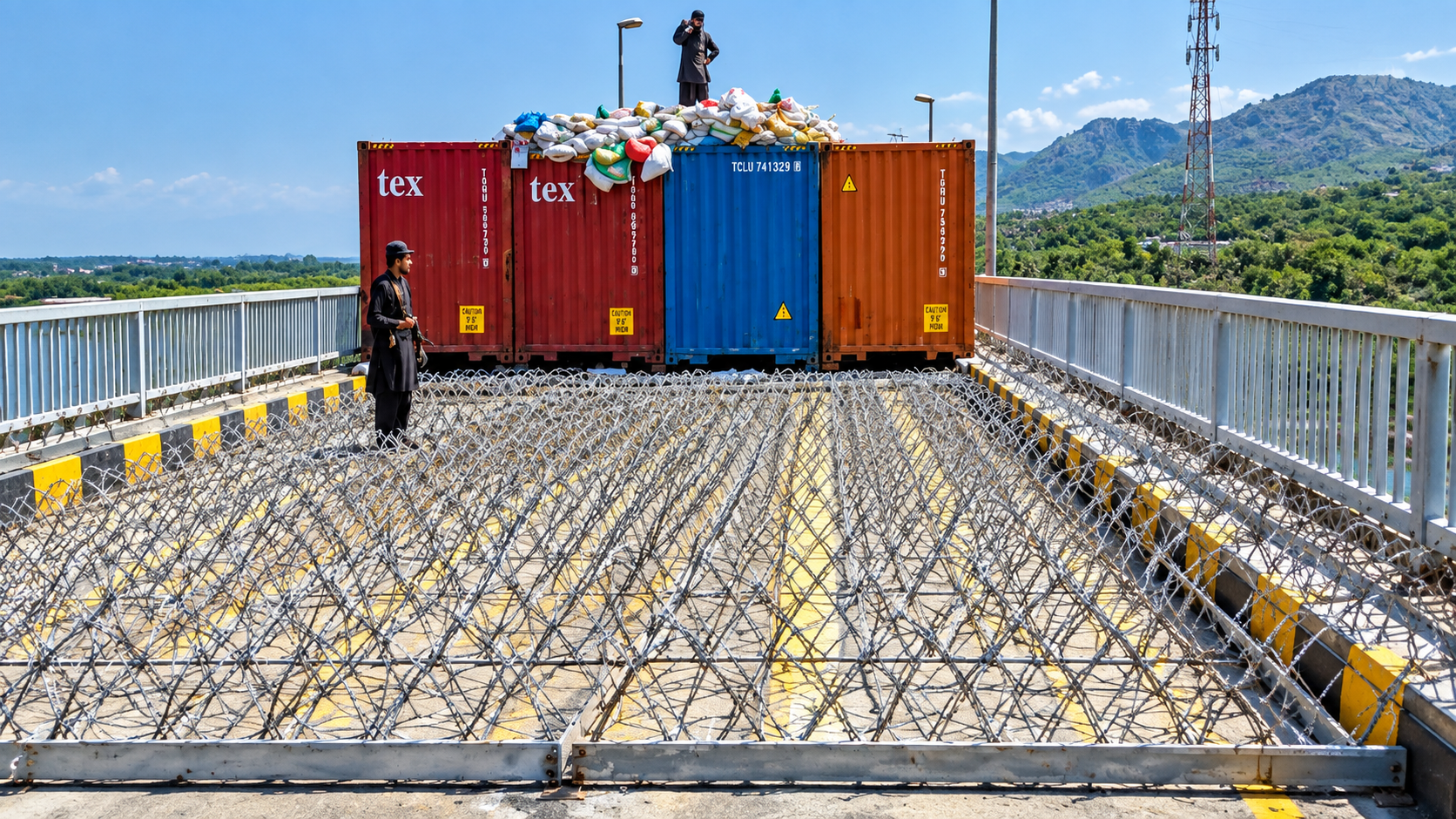
Attock Bridge, M-1 Reopen: What Motorists Need to Know
Attock Bridge and M-1 reopen, easing travel between Punjab, KP and Islamabad—but the reprieve is temporary after the PTI march was delayed.