Pakistan Fuel Price Cut: Petrol and Diesel Reduced from January 1, 2026
Starting January 1, 2026, Pakistan's federal government cut petrol prices by Rs. 10.28 to Rs. 253.17 per litre and diesel by Rs. 8.57 to Rs. 257.08. This move responds to falling global oil costs and a stable rupee, offering timely relief to everyday consumers.
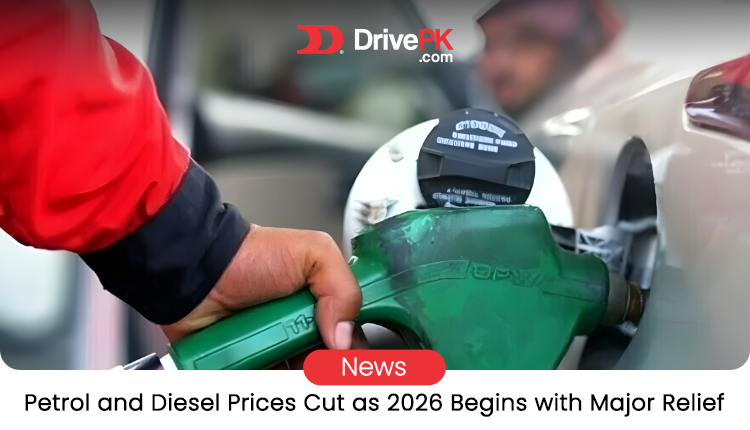
Table of Contents
- Why the Price Cut Happened
- How It Affects Everyday Life
- The Bigger Picture for Pakistan's Economy
- What This Means for Inflation and Growth
- Looking Ahead: Potential Future Adjustments
The new year kicked off with some good news for drivers and businesses across Pakistan. The federal government announced a drop in petrol and diesel prices, effective from January 1, 2026. It's not a massive cut, but it adds up at the pump. Petrol now costs Rs. 253.17 per litre after a Rs. 10.28 reduction. Diesel is down by Rs. 8.57 to Rs. 257.08 per litre. For many, this means a bit less strain on the wallet amid rising costs elsewhere.
People have been watching fuel prices closely. They affect everything from daily commutes to food delivery. When prices go up, it hits hard. But drops like this one bring a sigh of relief. And it's timely coming at the start of 2026, when folks are setting budgets for the months ahead.
Why the Price Cut Happened
This isn't random. The government pointed to clear reasons for the change. First, international crude oil prices have fallen. That's the raw stuff refineries turn into petrol and diesel. When crude gets cheaper on the global market, it trickles down.
Refined fuel costs abroad have also dipped. Pakistan imports a lot of its fuel needs, so lower prices there mean savings here. Add a stable Pakistani rupee to the mix. The currency hasn't swung wildly against the dollar lately, which keeps import costs in check. Without that stability, even falling oil prices might not help much.
Think about how this works. Oil trades in dollars worldwide. If the rupee weakens, we pay more in local terms. But with it holding steady, the benefits pass straight to consumers. The government could have kept the savings for taxes or something else. Instead, they chose to share them. It's a practical move, especially after months of higher prices pinching pockets.
How It Affects Everyday Life
For the average person, lower fuel prices mean real changes. Take a family in Lahore or Karachi. Filling up the car or bike costs less now. That extra cash can go toward groceries or school fees. Public transport might not hike fares right away, keeping commutes affordable.
Businesses feel it too. Truckers hauling goods from farms to cities save on diesel. That could slow price rises for fruits, veggies, and other basics. Inflation has been a worry in Pakistan, and fuel plays a big role in it. Cheaper diesel might ease pressure on overall costs.
But it's not just about savings. Farmers using diesel pumps for irrigation get a break. Small shops relying on generators during power cuts spend less. Even ride-sharing drivers on apps like Uber or Careem keep more of their earnings. It's a chain reaction. One person's lower fuel bill helps another down the line.
Of course, not everyone drives. But we all buy things that get transported by fuel-burning vehicles. So this cut touches most households indirectly. In rural areas, where diesel powers tractors, it supports agriculture. Urban folks see it in stable taxi rates. Overall, it's a small win for economic stability.
The Bigger Picture for Pakistan's Economy
Fuel prices tie into the country's broader economy. Pakistan has faced energy challenges for years. We rely heavily on imports, which drain foreign reserves. When global oil dips, it eases that burden. The government can use saved funds for other needs, like infrastructure or debt payments.
Look at recent trends. Crude oil hovered at high levels in 2025 due to global tensions. But supply has improved, pushing prices down. Brent crude, a key benchmark, fell below $70 per barrel lately. That's a shift from peaks over $100. For Pakistan, this means better trade balances.
The stable rupee helps here. Thanks to better remittances and exports, the currency has held firm. It reduces inflation risks from imports. Economists say such price adjustments keep the economy on track. Without them, public frustration grows, leading to protests or political pressure.
But challenges remain. Pakistan's energy mix needs more renewables to cut import dependence. Solar and wind could hedge against oil swings. For now, though, this cut shows the government responding to market signals. It's not a fix-all, but it buys time for longer-term plans.
What This Means for Inflation and Growth
Inflation has been a hot topic. Fuel costs feed into it directly. Higher petrol means pricier transport, which bumps up everything else. A cut like this could trim inflation by a point or two in coming months. That's based on how energy weighs in the consumer price index.
Growth gets a nudge, too. When businesses spend less on fuel, they invest more elsewhere. Factories run more smoothly; exports become competitive. Tourism might pick up if travel costs drop. Domestic trips to places like Murree or Swat could see more visitors.
Yet, it's worth noting the limits. This is a modest reduction. If global oil rebounds, prices could rise again. The government reviews them every fortnight, so stay tuned. Consumers should plan accordingly, maybe lock in savings now for future hikes.
Looking Ahead: Potential Future Adjustments
What's next?
The government will watch global markets closely. If crude keeps falling, more cuts could follow. But supply disruptions like weather events or geopolitics could reverse it. Pakistan's push for local refining might help in the long run.
For now, enjoy the relief. Fill up your tank and think about how these changes ripple out. It's a reminder that global events shape local lives. And in a country like ours, where fuel is essential, small shifts matter a lot.
In the end, this price drop starts in 2026 on a positive note. It shows responsiveness to economic realities. Consumers get breathing room, and the economy stays steadier. Keep an eye on updates; fuel prices rarely stay put for long. For more updates, visit DrivePK.com
Tags
Share this article
About the Author

Najeeb Khan
Automotive enthusiast and writer
Comments (0)
Login Required
You need to be logged in to comment on this article.
No comments yet. Be the first to share your thoughts!
Related Articles
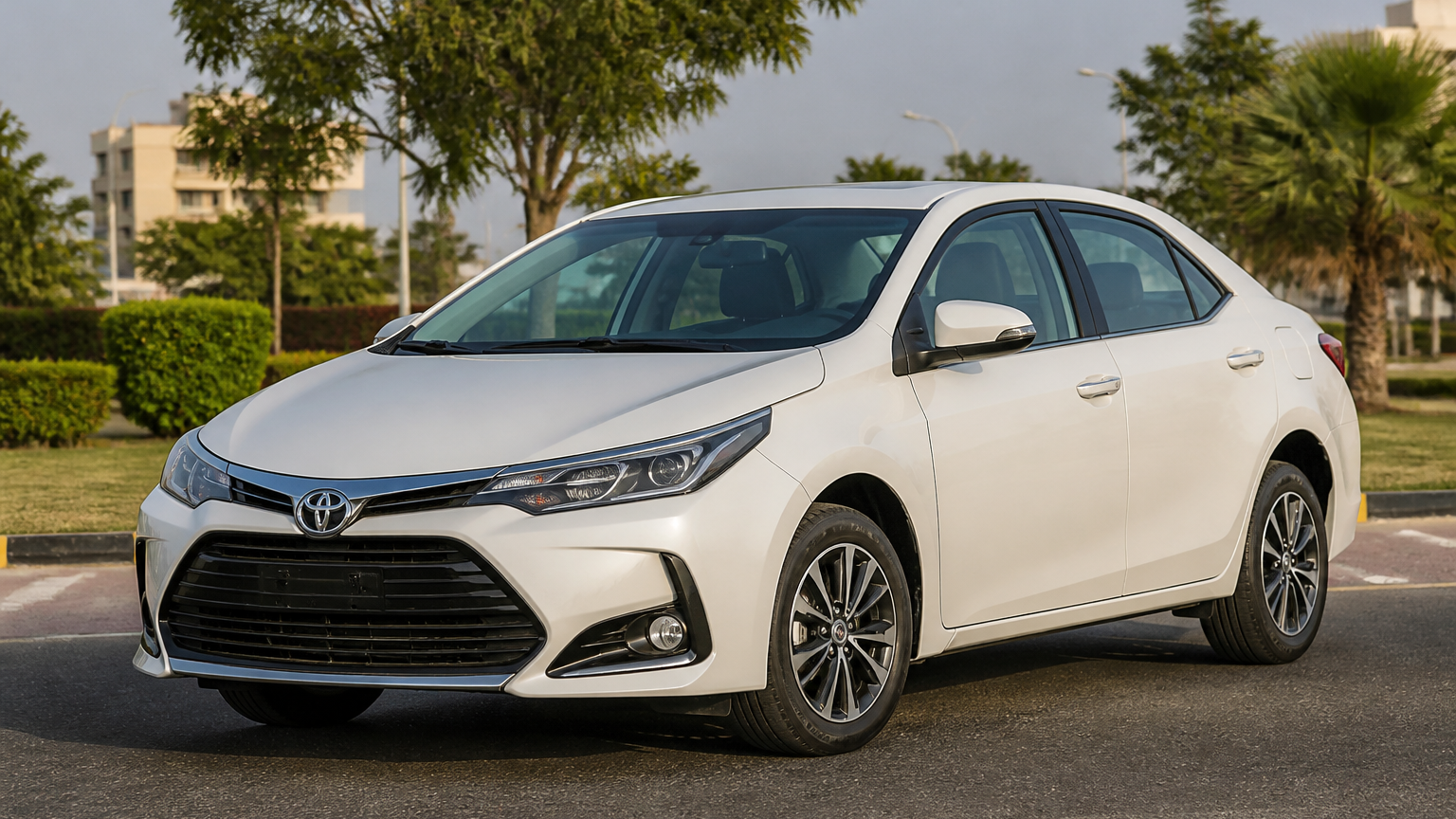
Toyota Corolla Discontinued Before Pakistan Facelift
Pakistan’s pre-facelift Toyota Corolla is reportedly discontinued, hinting at a facelift. Prices, bookings, specs and launch timing remain unconfirmed.
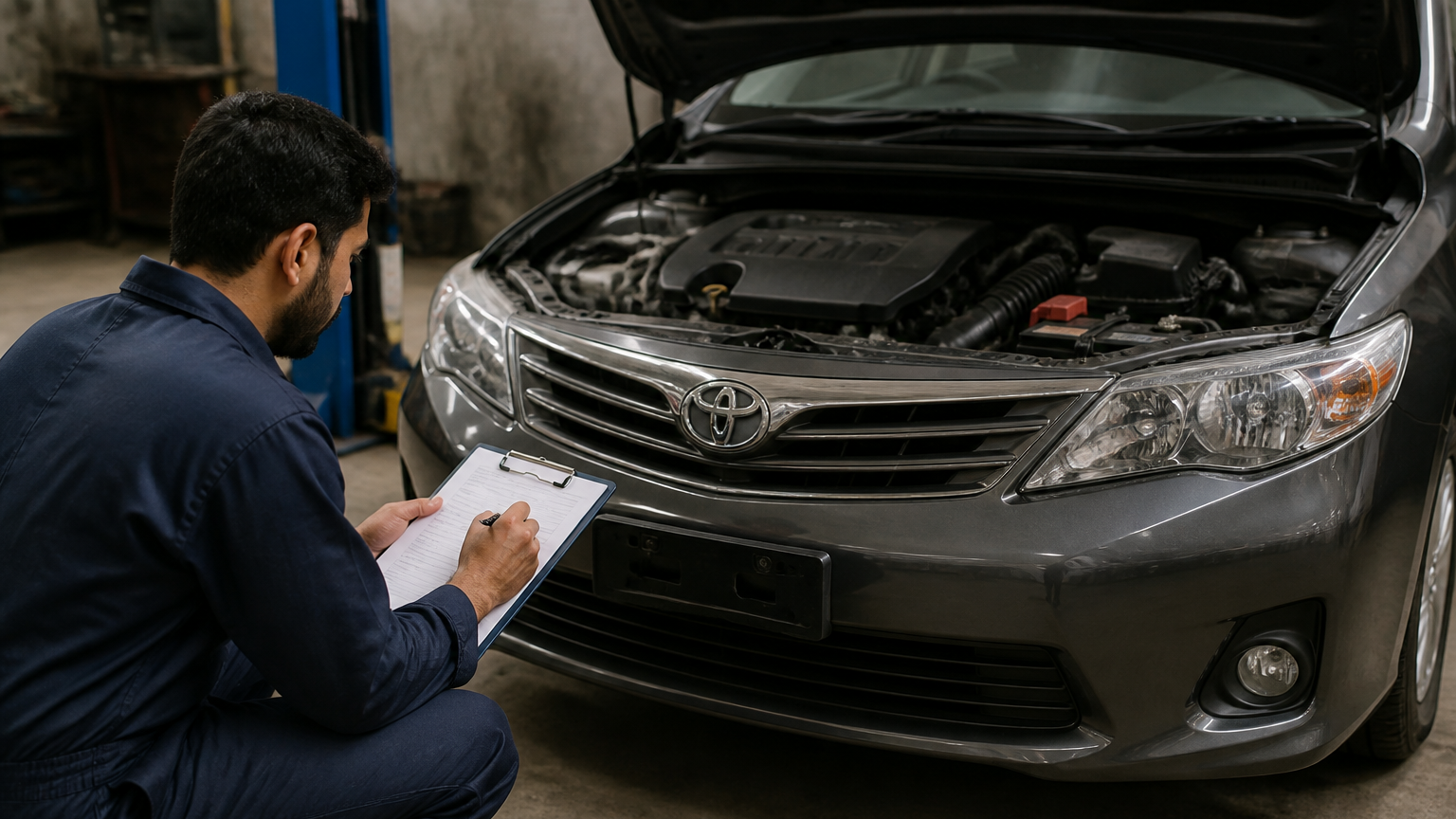
DrivePK Car Inspection Reports: Buy with Confidence
Buying a used car in Pakistan? A pre-purchase inspection can reveal hidden damage, engine issues and red flags before you pay—but it’s not enough alone.

2028 Kia Sportage: Major Design Changes Spotted
Kia’s next Sportage may get a bolder, boxier redesign, with an upright profile, sharper lines, wider grille and split headlights hinted by spy shots.