Pakistan Fuel Prices Hit Near Rs 400 Mark After May 2026 Hike
The Government of Pakistan increased fuel prices again from May 1, 2026. Petrol now costs Rs 399.86 per litre after a Rs 6.51 rise, while high-speed diesel jumped Rs 19.39 to Rs 399.58. This hike will raise transportation costs and push up prices of essential items for households nationwide.
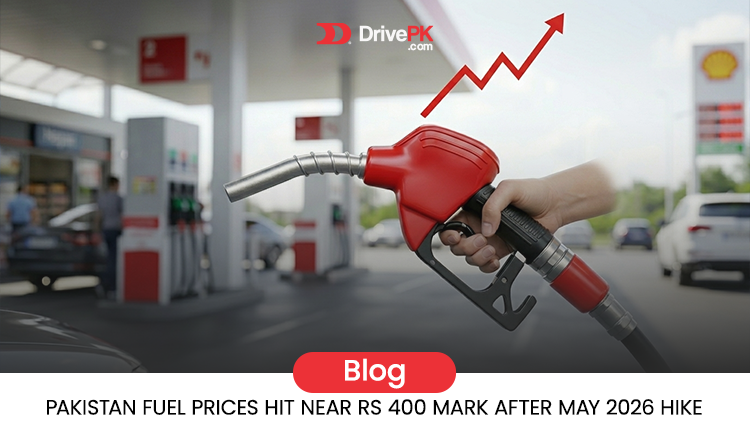
Table of Contents
- Why the Prices Went Up
- How This Affects Everyday Life
- Crude Oil Prices: A Quick Look from 2015 to 2026
- Broader Economic Impact
- What It Means Going Forward
The government has once more adjusted petroleum product prices upward, effective today, May 1, 2026. Petrol now stands at Rs 399.86 per litre, up Rs 6.51 from the previous rate. High-speed diesel (HSD) saw a sharper increase of Rs 19.39, bringing it to Rs 399.58 per litre.
Both fuels are now knocking on the door of Rs 400. For most people in Pakistan, this means higher costs for commuting, goods movement, and daily life. The bigger jump in diesel matters more because it powers trucks, buses, tractors, and much of the supply chain.
Why the Prices Went Up
Pakistan imports most of its crude oil and refined products. Global crude oil prices have stayed elevated due to ongoing tensions in the Middle East. These supply worries push up the cost of imports. On top of that, the government adjusts the petroleum levy and other taxes to meet revenue targets and manage the budget.
The recent revision follows a pattern of fortnightly or weekly reviews based on international rates and exchange factors. This time, the diesel hike stands out because diesel has a wider ripple effect on the economy.
How This Affects Everyday Life
Daily commuters who use bikes, cars, or rickshaws will feel the petrol increase directly. But the diesel rise hits harder and faster for most families.
- Transportation fares: Bus, truck, and ride-hailing services will likely pass on higher costs. Inter-city travel and freight rates are expected to climb soon.
- Essential goods: Vegetables, fruits, milk, and other items travel by truck. Higher diesel means higher prices at the market.
- Household budgets: Families already managing tight finances will see another squeeze on monthly spending. Those running small businesses or farms relying on diesel generators or machinery face extra pressure.
Economists note that fuel costs feed directly into inflation. A big diesel hike can raise the overall cost of living because it touches production, logistics, and distribution at every step.
Crude Oil Prices: A Quick Look from 2015 to 2026
Global crude oil prices swing a lot. They influence what Pakistan pays at the pump, though local taxes and levies also play a big role. Here is a simplified yearly average view of West Texas Intermediate (WTI) crude oil prices in US dollars per barrel (approximate figures based on historical data):
| Year | Avg. Crude Oil Price (USD per Barrel) | Notes on Pakistan Fuel Context |
|---|---|---|
| 2015 | ~$49 | Lower global prices helped keep local rates moderate. |
| 2016 | ~$43 | Sharp drop due to oversupply; Pakistan saw some relief. |
| 2017 | ~$51 | Gradual recovery. |
| 2018 | ~$65 | Rising trend. |
| 2019 | ~$57 | Pre-pandemic levels. |
| 2020 | ~$39 | COVID crash brought temporary low prices. |
| 2021 | ~$68 | Strong rebound as economies reopened. |
| 2022 | ~$94 | Ukraine conflict spiked prices; Pakistan faced high pump rates. |
| 2023 | ~$78 | Some cooling but still elevated. |
| 2024 | ~$80 | Steady with occasional jumps. |
| 2025 | Higher volatility | Geopolitical tensions pushed averages up. |
| 2026 (so far) | ~$100–110+ | Middle East issues have kept crude near or above $100, feeding recent local hikes. |
These are rough annual averages. Actual daily or monthly prices fluctuate more. In 2026, concerns around supply routes have driven crude higher again, which explains part of the pressure on local prices. Pakistan's final pump price also includes import costs, refining margins, taxes, and the petroleum development levy.
The gap between global crude and local retail prices often widens due to heavy taxation. When global prices rise fast, the government sometimes absorbs some impact or passes it on in phases.
Broader Economic Impact
Higher fuel costs raise the price of almost everything that moves. Agriculture suffers because diesel runs tube-wells and farm equipment. Industry faces higher input and logistics costs, which can affect exports. Transporters have already started adjusting fares in many cities.
For a country like Pakistan, where a large part of the population lives on limited incomes, these increases add up quickly. They reduce purchasing power and can slow down economic activity if they continue.
At the same time, the government needs revenue to run the country and service debt. Balancing these needs while protecting ordinary citizens is never easy. Partial adjustments or targeted relief measures sometimes come later, but the immediate effect remains visible at petrol pumps.
What It Means Going Forward
Fuel prices rarely stay still. They depend on global events, the rupee-dollar rate, and policy decisions. Right now, both petrol and diesel are hovering near the Rs 400-per-litre mark, a significant point for most households and businesses.
People are already feeling the pinch from previous adjustments. Many are cutting back on non-essential travel or looking for ways to manage fuel use better. Businesses are reviewing their logistics and costs.
The coming weeks will show how quickly transport fares and commodity prices adjust. Families will have to plan their budgets even more carefully. Small changes in daily spending can help, but the bigger picture depends on how global oil markets and local policies evolve.
This latest hike reminds us of how closely our daily expenses are tied to international oil dynamics and government revenue needs. Staying informed about these changes helps in making better financial decisions, whether you drive a bike for work or run a small shop that relies on delivered goods. Keeping yourself updated, be in touch with drivepk.com, pakistan energing AI powered auto plate form, hopeful to bring ease and convenience to the public,
Tags
Share this article
About the Author

Najeeb Khan
Automotive enthusiast and writer
Comments (0)
Login Required
You need to be logged in to comment on this article.
No comments yet. Be the first to share your thoughts!
Related Articles

Geely to Launch 3 SUVs in Pakistan
Geely is set to enter Pakistan with two electric SUVs and a hybrid, imported by Bestway Automotive—but models, prices and launch dates remain unknown.

GWM Hybrid Prices Held in Pakistan for Now
GWM reportedly keeps hybrid prices unchanged in Pakistan—for now. Buyers should get a dated dealer quote and verify terms before booking.
Auction Sheet vs Inspection: Need Both in Pakistan?
An auction sheet shows a Japanese import’s past; a physical inspection reveals its condition today in Pakistan. Know the difference before you buy.