Pakistan Goods Transport Fares Up 5% After Diesel Hike: What It Means
Transporters increased goods fares by 5% after the latest diesel price jump. The association supports the petrol pump owners' planned action and calls for stable fuel pricing. Here's how this affects businesses, consumers, and daily essentials across Pakistan.
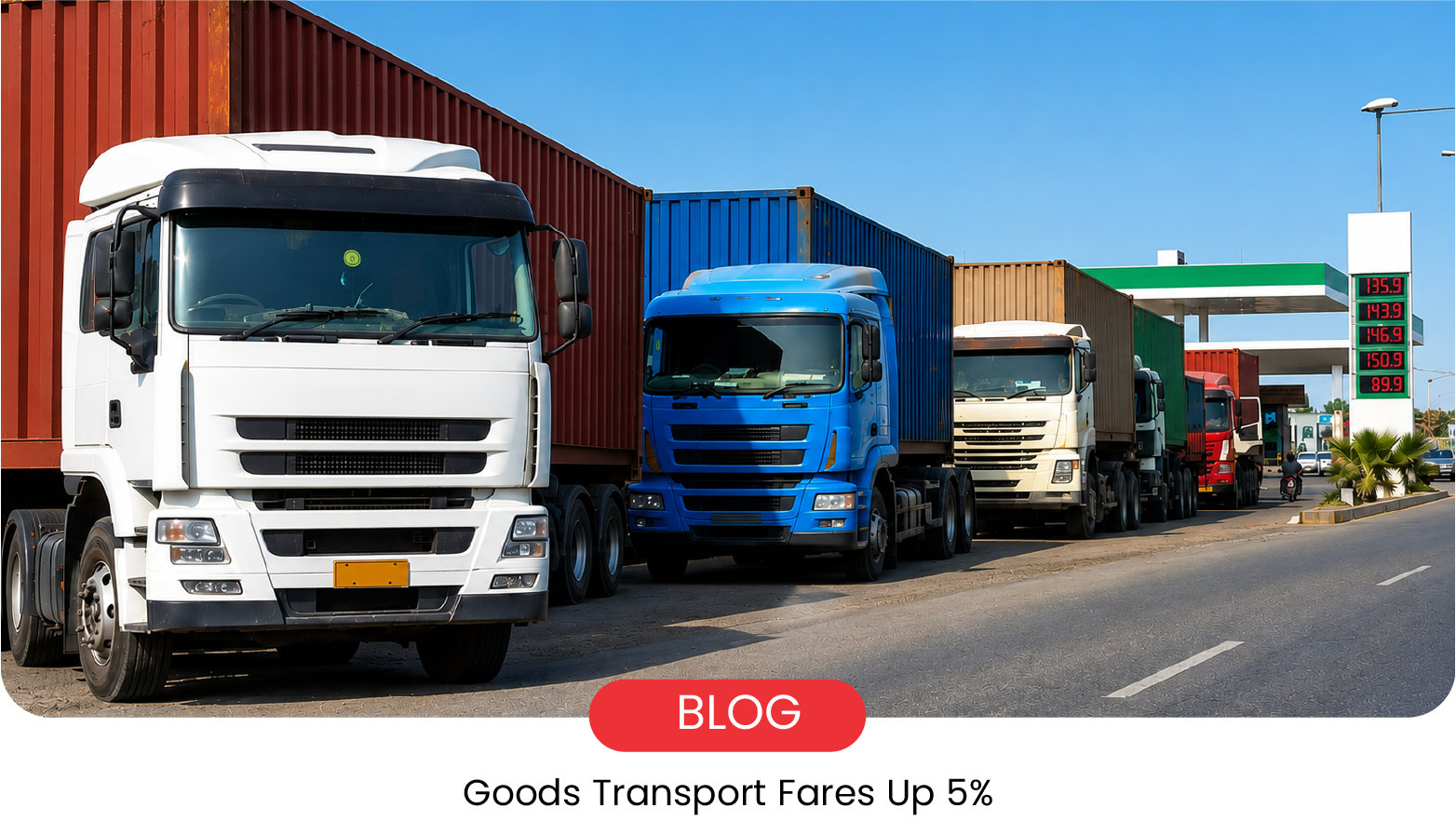
Table of Contents
- What Happened and Why Now
- How This Hits Your Wallet
- Transporters' Point of View
- Government Side and Recent Changes
- What This Means for Businesses and Consumers
- Possible Next Steps
Diesel prices went up again. The government raised high-speed diesel by Rs7.83 per litre, bringing it to Rs375.04. Petrol also increased.
In response, the Pakistan Mini Mazda and Goods Transport Association announced a 5% increase in freight charges. They say higher fuel costs make it hard to keep trucks running without adjusting rates.
This move comes as transporters also threw support behind the All Pakistan Petrol Pump Owners Association's planned strike. They warn that without relief, the cost of moving goods will keep pushing up prices for everyday items.
What Happened and Why Now
Fuel prices change often these days under the new daily pricing system. Transporters faced repeated hikes without enough time to plan. Many say they operate at a loss when diesel costs climb this fast.
The Mini Mazda Association, which handles a big part of goods movement, decided enough is enough. Their 5% fare increase applies nationwide. It affects everything from food supplies to construction materials and industrial cargo.
Association leaders, including figures like Haji Sher Ali Chaudhry or similar representatives, made it clear: they back the pump owners' protest. From midnight, some goods vehicles may stop if things don't improve.
They want the government to bring back a more stable system – maybe fortnightly or monthly reviews instead of daily changes. This uncertainty hurts their business and, in turn, everyone who buys things moved by truck.
How This Hits Your Wallet
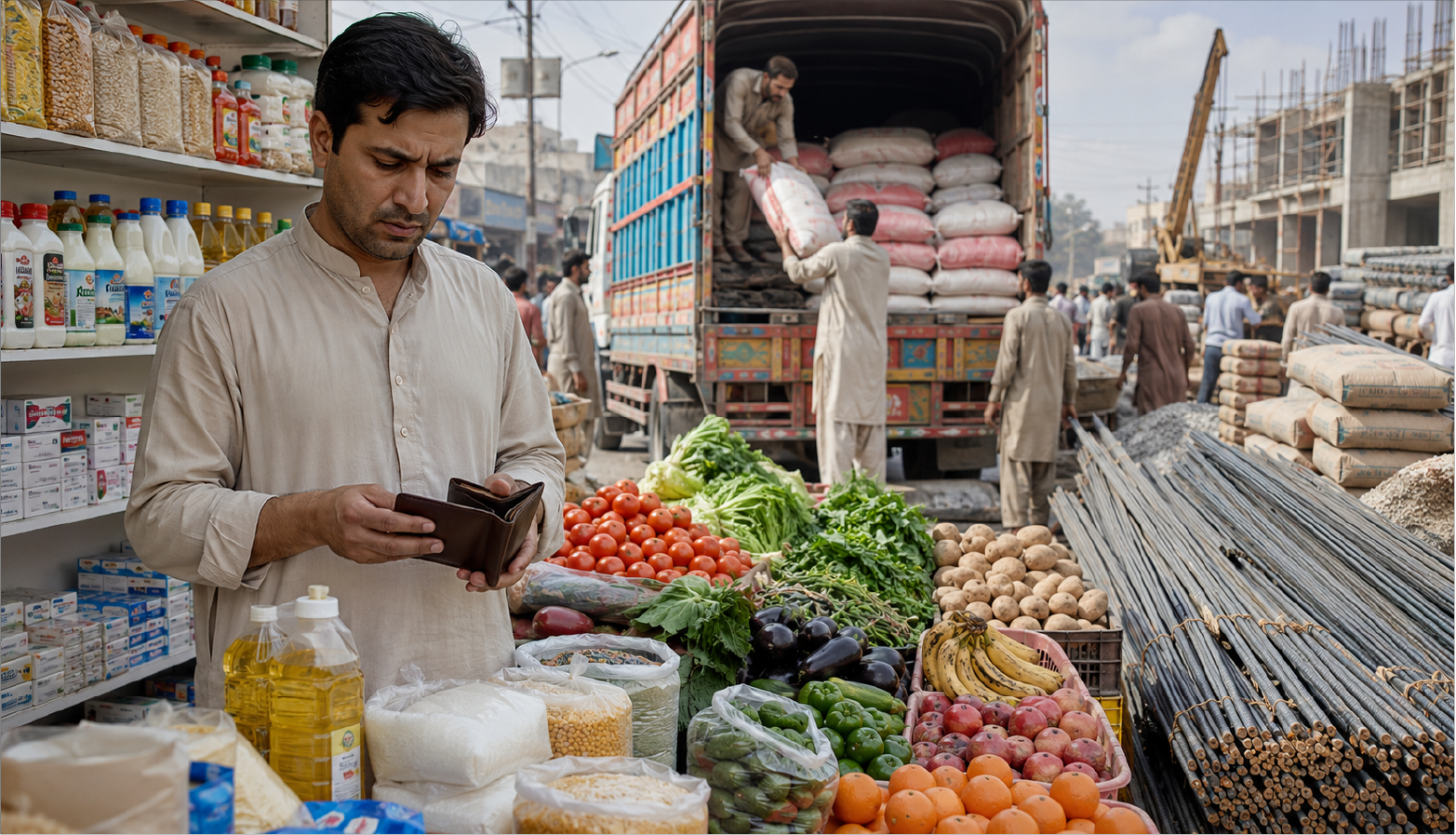
Goods transport forms the backbone of the economy. When freight costs rise, the increase travels straight to market shelves.
- Food items: Vegetables, fruits, flour, rice, and milk often come from farms or ports. Higher transport means higher prices in cities.
- Daily essentials: Cooking oil, sugar, medicines, and household goods get costlier.
- Construction and industry: Cement, steel, and raw materials become expensive, which affects building costs and factory output.
Past similar hikes showed quick ripple effects. A 5% jump might seem small, but on large volumes it adds up fast for traders and families.
Consumers already deal with tight budgets. Another round of increases on top of fuel, electricity, and other costs creates real pressure.
Transporters' Point of View
Truck operators cover fuel, maintenance, driver wages, tolls, and other expenses. Diesel is a major chunk. When prices jump Rs7-8 in one go, margins disappear quickly.
They kept operations going during tough times before. But repeated changes without support make it unsustainable. Many smaller transporters struggle the most.
Their demands stay consistent:
- Stable fuel pricing policy.
- Relief on toll taxes and other charges.
- Better support so they don't pass every hike to customers.
They also note that without trucks moving smoothly, supply chains slow down. That leads to shortages in some areas and higher prices everywhere.
Government Side and Recent Changes
The new daily pricing tries to match international oil rates more closely. It aims for transparency but creates daily headaches for businesses.
Negotiations with pump owners happened. Some reports say the strike got postponed or eased after talks with the Petroleum Minister. But transporters still voice strong concerns.
The government faces a balancing act managing global oil fluctuations, local inflation, and keeping essential services running.
What This Means for Businesses and Consumers
For traders and shopkeepers: Expect higher incoming costs. They may need to adjust selling prices or absorb some loss, which is tough right now.
For families: Budgets stretch further. People might cut back on non-essentials or look for cheaper alternatives.
For the wider economy: Frequent disruptions in transport raise overall inflation. This affects exports too if costs go up.
Long term, a stable fuel policy could help everyone. It lets businesses plan better and reduces sudden shocks.
Possible Next Steps
Watch for updates on the strike situation. If transporters join fully, some routes could see delays.
In the meantime:
- Businesses should check new freight rates with their regular transporters.
- Consumers can stock up on basics where possible.
- Authorities might step in with talks to find middle ground.
Transporters say they prefer dialogue over disruption. They urge quick action on a predictable pricing system.
This 5% hike is the latest in a series of adjustments. It shows how closely fuel and transport link together. When one moves, everything else feels it.
The coming days will show how far this goes. For now, the message from transporters is clear: costs are rising, and they can't absorb it all alone. Stable policies would benefit drivers, businesses, and ordinary people alike.
Keep an eye on official notifications and market updates. Small changes in fuel can lead to noticeable differences in your monthly expenses. For more updates, visit DrivePK.com
Tags
Share this article
About the Author

Najeeb Khan
Automotive enthusiast and writer
Comments (0)
Login Required
You need to be logged in to comment on this article.
No comments yet. Be the first to share your thoughts!
Related Articles

Sell It For Me: اپنی کار کی فروخت DrivePK کے سپرد کریں
DrivePK کی Sell It For Me سروس اس لیے تیار کی گئی ہے کہ آپ فروخت کے عمل کی ذمہ داری منتقل کر سکیں، جبکہ توجہ آپ کی کار اور آپ کے اشتہاری اہداف پر برقرار رہے۔
Sell It For Me: Let DrivePK Handle Your Car Sale
DrivePK’s Sell It For Me service is designed to help you hand over the selling process while keeping the focus on your car and your listing goals.
1,000cc تک کی گاڑیوں پر مجوزہ FED کٹ کی وضاحت
کیا آپ سستی چھوٹی گاڑی کے منتظر ہیں؟ 1,000cc گاڑیوں کے لیے مجوزہ FED کٹ ابھی تک منظور نہیں ہوئی—اپنی اگلی Alto کی قیمت کم ہونے کا اندازہ ابھی نہ لگائیں۔