Pakistan May Lift Ban on 600cc+ Motorcycles on Motorways with New Safety Rules
The IHC suggests lifting the ban on motorcycles over 600cc on Pakistan's motorways, with mandatory safety training required. New centers in Islamabad and Sheikhupura are planned. This addresses the 2022 Supreme Court concerns for safer roads ahead.
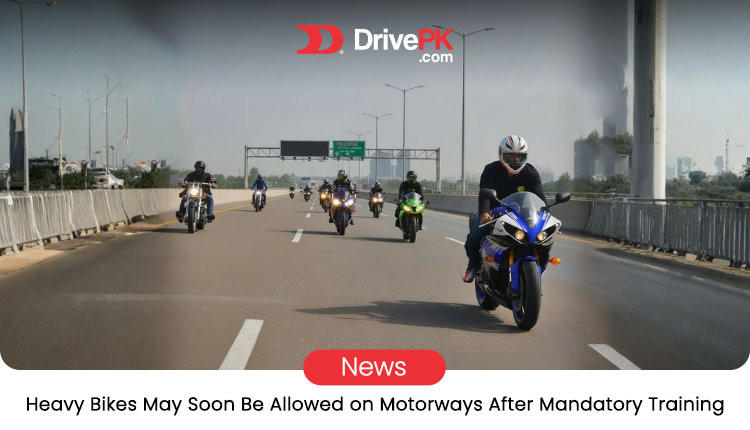
Table of Contents
- The Ban's History
- Shifts in Court Views
- Safety and Rules in Focus
- What It Means for Riders and Roads
- Road Ahead
Big motorcycles might hit Pakistan's motorways again soon. The Islamabad High Court is leaning toward lifting the ban on bikes over 600cc. But it's not a free pass. Strict rules would apply. No official order yet, but court talks point that way. This could change things for riders who love power on open roads.
The debate started years back. Safety worries kept these bikes off highways. Now, with new training plans, the court might say yes. Riders would need to prove they're ready. Centers in Islamabad and Sheikhupura could handle that. It's about balancing thrill and safety.
The Ban's History
Back in 2019, the Islamabad High Court okayed heavy bikes on motorways. With limits, sure. Riders cheered. But it didn't last. The Supreme Court stepped in during 2022. They flipped the decision. Why? Too many risks. Big engines mean high speeds. Accidents could spike on busy roads.
Motorways in Pakistan are vital links. They connect cities like Lahore to Islamabad. Trucks, cars, and buses dominate. Adding fast bikes seemed dicey. Crashes involving motorcycles often end badly. The ban aimed to cut that danger.
But riders pushed back. They argued for rights. Petitions piled up. Courts heard cases. The issue simmered. Safety data showed mixed results. Some countries allow big bikes with rules. Pakistan could too, if done right.
And enforcement varied. Some spots let bikes slip through. Others enforced strictly. Inconsistency frustrated everyone. The 2022 overturn made it clear: no access without fixes.
Shifts in Court Views
Fast forward to now. The Islamabad High Court is rethinking. In recent hearings, they heard from motorway bosses. No ban lift yet, but signals are positive. Provided safety steps kick in.
Authorities shared plans. Mandatory training tops the list. Riders must learn highway skills. Think defensive driving, emergency stops, and weather handling. It's not just theory, hands-on too.
New centers would open. One in Islamabad, another in Sheikhupura. These spots handle registration and licenses. Streamline the process. Cut red tape. But add checks.
The court wants proof. How will training work? Who runs it? Details matter. If satisfied, approval could come quickly. Riders watch closely. A nod means access will be restored soon.
This shift addresses Supreme Court fears. Back then, lack of prep was key. Now, the framework fills that gap. Competence over engine size.
Safety and Rules in Focus
Safety is the core. Big bikes pack power. Over 600cc, they zoom past 200 km/h easily. On motorways, that tempts speed. But with cars and trucks, one mistake hurts.
Training would cover the basics. Helmet use, gear checks, lane discipline. Maybe simulators for practice. Pass a test to ride on highways.
Registration changes, too. Special plates or stickers? Track compliant bikes. Police could scan quickly.
Costs come up. Training fees, center visits. But worth it for access. Riders say it's fair. Better than total ban.
Enforcement needs teeth. Patrols monitor. Fines for skips. Build trust in the system.
And public input? Groups like rider clubs weigh in. They want safe roads for all. Balance rights and risks.
What It Means for Riders and Roads
For enthusiasts, this is big. Heavy bikes like Harley-Davidsons or BMWs shine on long stretches. Touring Pakistan's north becomes easier. No detours on side roads.
But responsibility rises. Skip training, face bans. It weeds out the reckless ones. Good riders benefit.
Road safety overall? If done well, improves. Trained folks mean fewer wrecks. Data from other places shows that. Australia, for example, has tiered licenses. Works there.
Challenges exist. Rural riders might struggle with centers. Only two are planned so far. Expand needed.
Traffic flow changes. Motorways handle more variety. Signs, lanes adjust maybe.
The economy perks up. Bike sales rise. Workshops busy. Tourism boosts.
But critics worry. What if training falls short? Monitor key. Court oversight helps.
Road Ahead
No timeline yet. The court could rule soon. If yes, rollout follows. Centers open, courses start.
Riders prep now. Check bikes, gear up. Join forums for updates.
Authorities must communicate. Websites and apps share info. Clear rules avoid confusion.
In the end, it's progress. Evolve with the times. Safe access for all vehicles.
This could set a precedent. Other bans revisited. Focus on training over outright no.
Pakistan's roads get safer, more inclusive. Watch this space.
For more updates, visit DrivePK.com
Tags
Share this article
About the Author

Najeeb Khan
Automotive enthusiast and writer
Comments (0)
Login Required
You need to be logged in to comment on this article.
No comments yet. Be the first to share your thoughts!
Related Articles
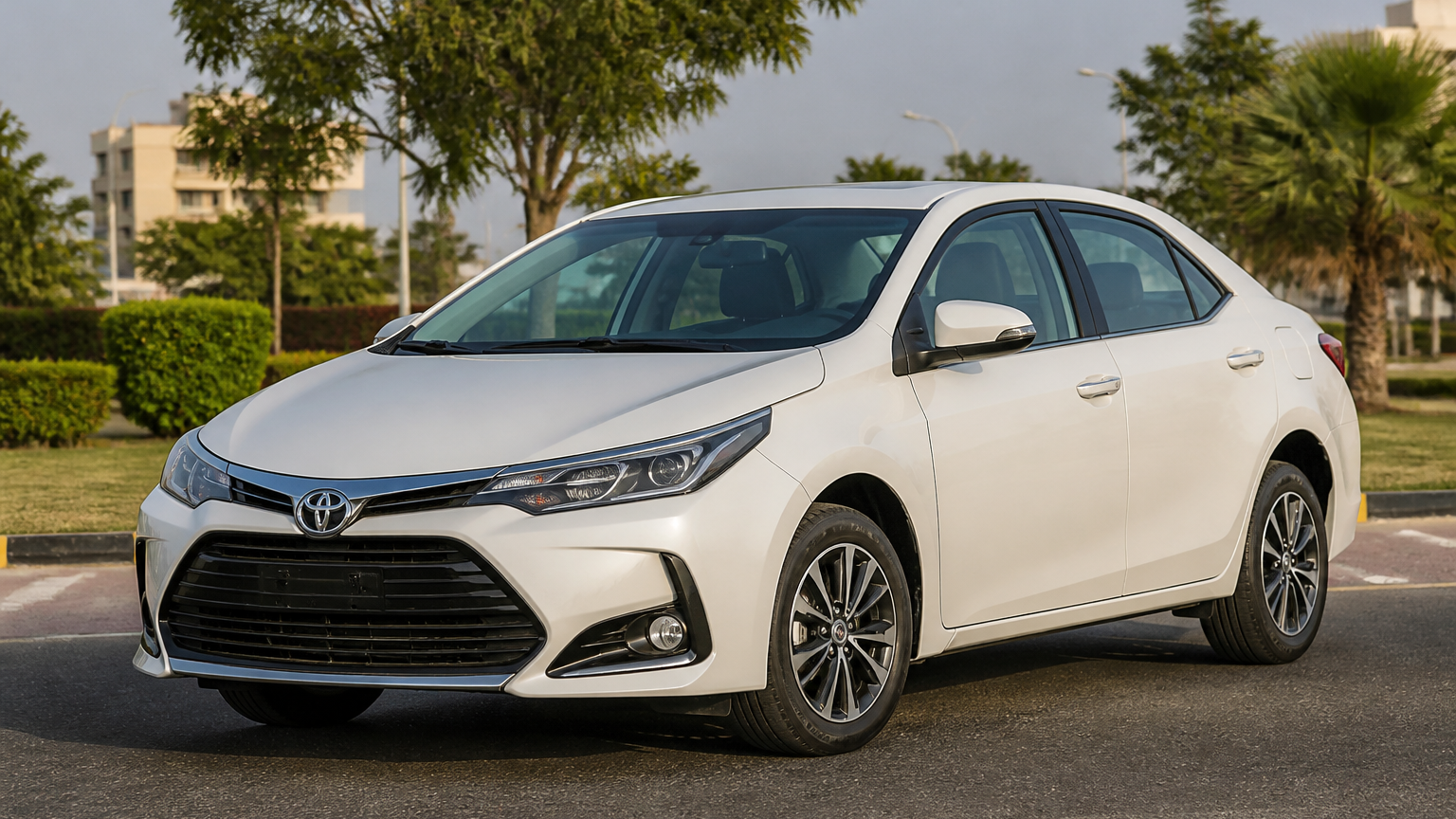
Toyota Corolla Discontinued Before Pakistan Facelift
Pakistan’s pre-facelift Toyota Corolla is reportedly discontinued, hinting at a facelift. Prices, bookings, specs and launch timing remain unconfirmed.
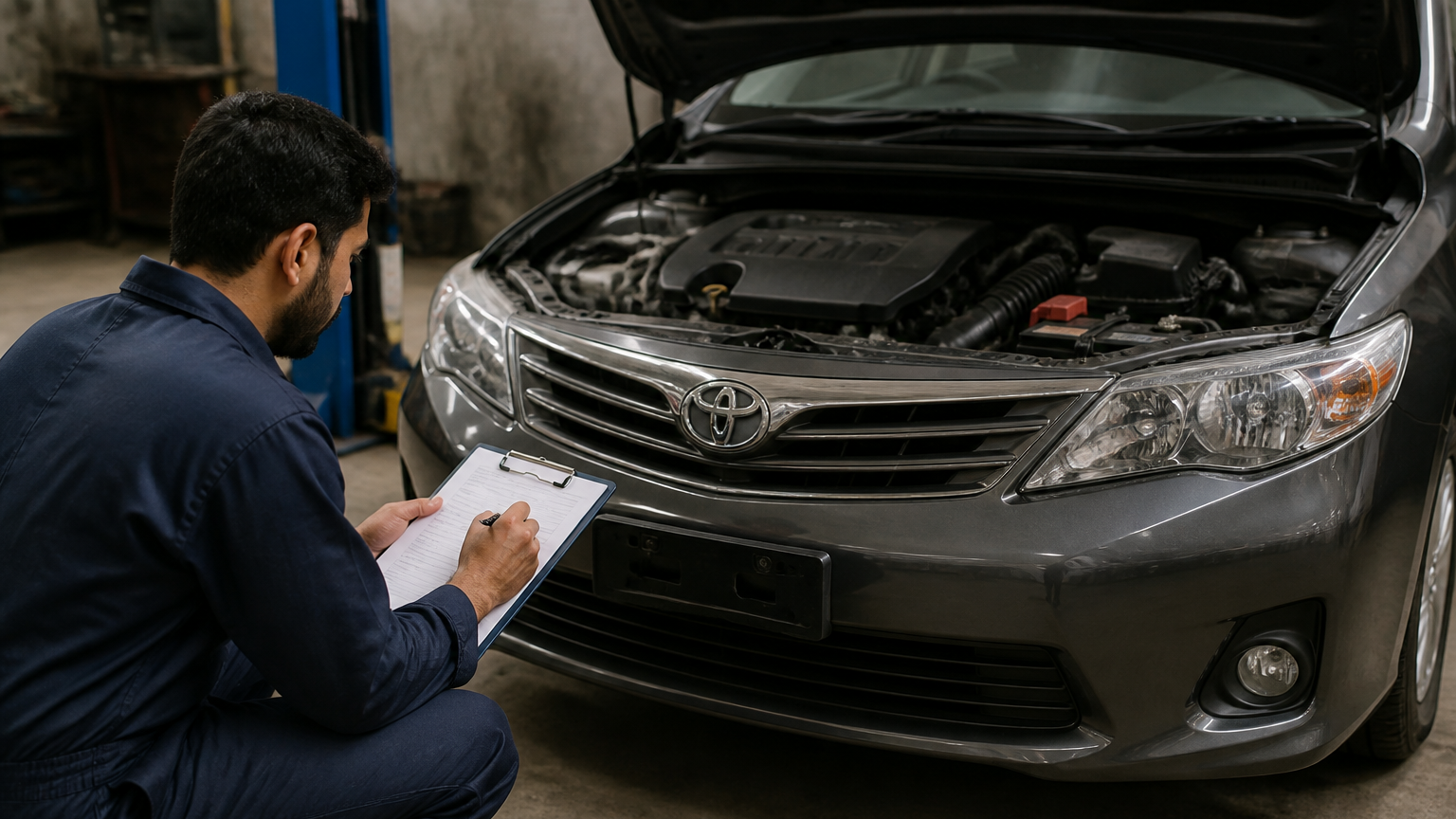
DrivePK Car Inspection Reports: Buy with Confidence
Buying a used car in Pakistan? A pre-purchase inspection can reveal hidden damage, engine issues and red flags before you pay—but it’s not enough alone.
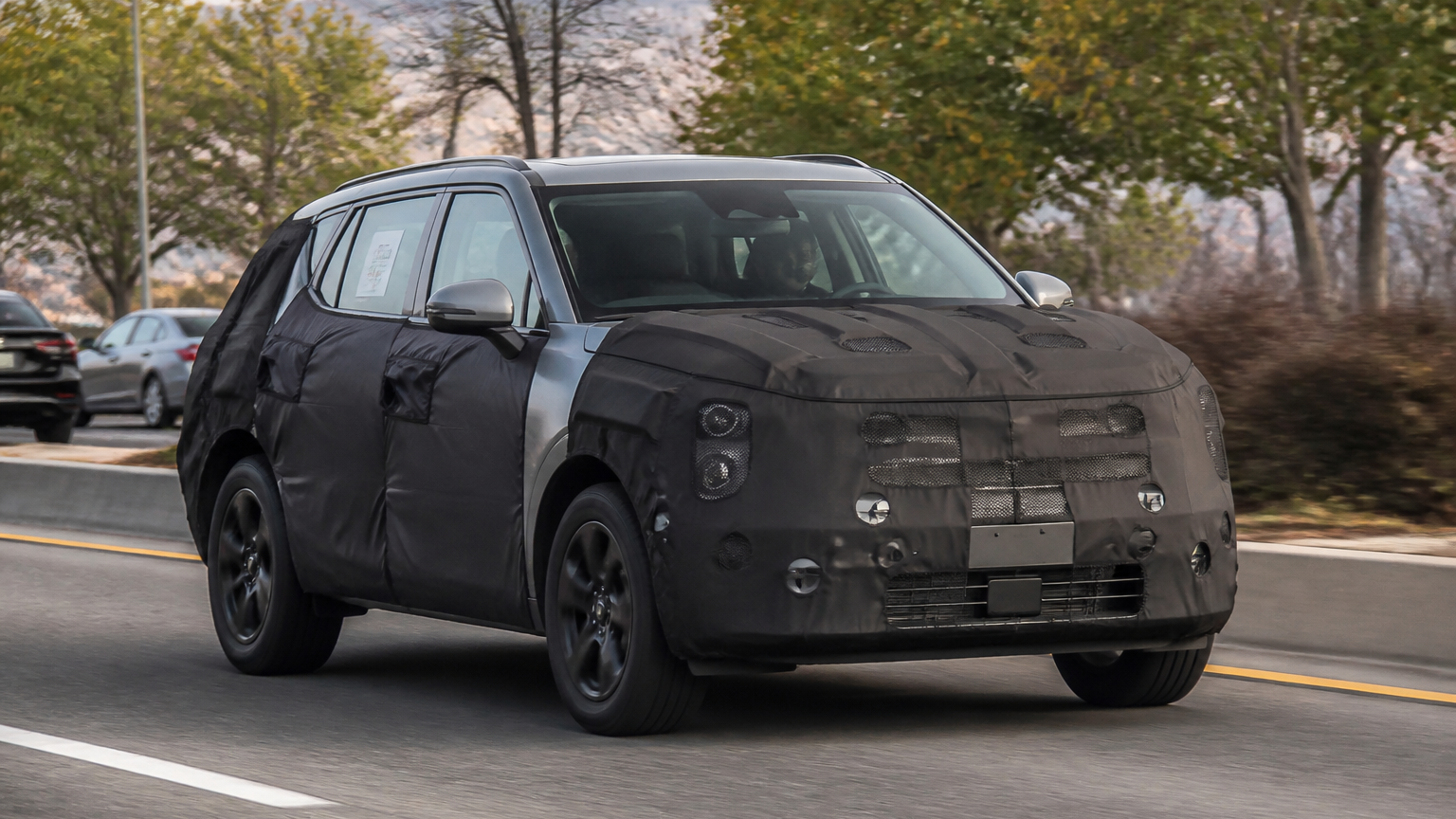
2028 Kia Sportage: Major Design Changes Spotted
Kia’s next Sportage may get a bolder, boxier redesign, with an upright profile, sharper lines, wider grille and split headlights hinted by spy shots.