Pakistan Motorcycle Industry 2025: 35% Sales Jump Despite Tough Economy
Pakistan's motorcycle industry recovered strongly in 2025, with sales up 35% to nearly 1.9 million units. 70cc models led for their low cost, while 125cc bikes offered better performance. Local firms like United and Honda gained, supporting jobs and supply chains amid economic hurdles.
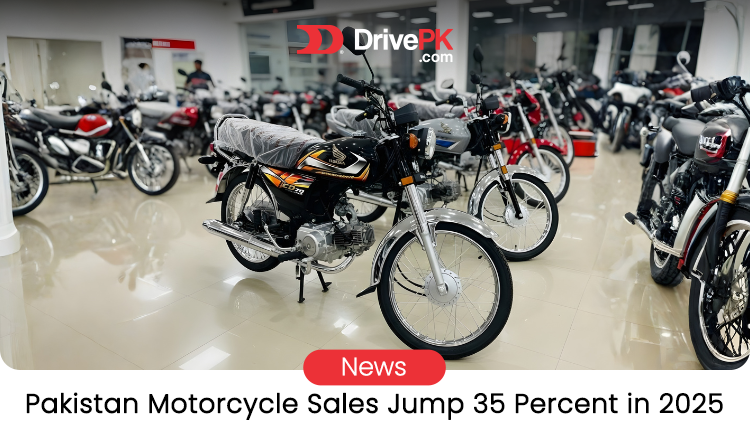
Table of Contents
- The Numbers Behind the Recovery
- Top Models: 70cc and 125cc Lead the Way
- Key Manufacturers Driving the Growth
- Wider Impacts on Economy and Society
- Why This Matters for Pakistan
Pakistan's roads are full of motorcycles. They zip through traffic, carry families, and get people to work. In 2025, this industry made a strong recovery. Sales climbed 35 percent from the year before. That's impressive, given the economic troubles like inflation and high fuel costs. Nearly 1.9 million bikes were built. People still need cheap, reliable ways to get around. Motorcycles fit that bill perfectly.
But why the surge? Demand stayed high for affordable transport. Cars are too expensive for many. Public buses can be unreliable. So, bikes remain the go-to choice. This rebound shows how the sector adapts. It also highlights Pakistan's reliance on two-wheelers for daily life.
The Numbers Behind the Recovery
Sales hit new highs in 2025. That 35 percent increase came despite challenges. Factories churned out almost 1.9 million units. That's a big jump from prior years. Production ramped up to meet the need.
Most growth came from everyday models. The market is split mainly between smaller and mid-size engines. Buyers focused on what saves money and works well. Fuel prices stayed volatile, so efficiency mattered. Local assembly helped keep costs down, too.
And employment got a lift. More production meant more jobs in factories and workshops. Supply chains strengthened as parts makers scaled up. This isn't just about bikes,s it's about supporting communities.
Top Models: 70cc and 125cc Lead the Way
70cc motorcycles topped the charts. They're cheap to buy and run. A basic model costs far less than a car. Fuel use is low, perfect for short trips. In cities like Lahore or Karachi, they're everywhere. Families use them for school runs or market visits.
But 125cc bikes gained ground, too. They offer more power. Hills or longer rides? These handle it better. Efficiency is still good, so buyers don't spend extra on gas. Performance draws in young riders or those needing speed.
Growth spread across categories. Even higher-end models saw gains, though smaller. People want options. Low-cost leaders like 70cc keep dominating, but variety helps the market expand.
What makes these popular? Simplicity. Easy to fix, parts are available. In rural areas, they're vital for farm work or village travel. Urban folks use them to beat jams. No wonder sales stayed strong.
Key Manufacturers Driving the Growth
Local brands shone in 2025. United Motors led with affordable options. Their bikes are built tough for Pakistan's roads. Potholes and dust? No problem.
Unique Motors followed suit. They focus on value. Good quality at low prices wins customers. Hi Speed stepped up too, with models that appeal to budget buyers.
Honda, a big name, kept its share. Japanese tech mixed with local assembly. Reliability is their edge. Buyers trust the brand for long-term use.
These firms boosted the industry. Competition pushed innovation. Better engines, safer features. But they stayed focused on basics: cost and efficiency.
Challenges remain. Imports can undercut prices. Regulations on emissions add pressure. Yet, locals adapted. They sourced more parts at home, cutting reliance on foreign suppliers.
Wider Impacts on Economy and Society
This recovery means more than sales. Jobs grew in manufacturing. Mechanics and dealers were hired, too. Thousands depend on this sector.
Supply chains got stronger. Local steel, tires, and plastics firms benefited. It reduces imports, saving foreign exchange.
Motorcycles are Pakistan's backbone for transport. Over 80 percent of households own one. They connect remote areas to cities. Without them, daily life slows.
But safety is a concern. More bikes mean more accidents. Helmets and rules help, but awareness lags. The industry could push for better training.
Environmentally, fuel efficiency cuts emissions. Still, millions of bikes add pollution. Electric models are emerging, though slowly. In 2025, a few brands tested them. Adoption could rise with better batteries and charging.
Looking ahead, experts see steady growth. If the economy stabilizes, sales could climb further. Investments in tech might bring smarter bikes. Connected features or anti-theft? Possible.
Yet, hurdles like energy costs persist. Fuel prices affect everything. Stable policies would help.
Why This Matters for Pakistan
Motorcycles aren't just vehicles. They're lifelines. In 2025, the industry's bounce-back proved resilience. It supported families, businesses, and the economy.
People choose bikes for freedom. No waiting for buses. Quick errands. Affordable ownership.
The story here is simple: demand drives supply. When times are tough, practical options win. Pakistan's market reflects that.
As 2026 begins, watch this space. More innovations could come. Electric shifts might change the game. But for now, the recovery builds confidence.
In the end, it's about mobility. Getting from A to B without breaking the bank. That's why motorcycles rule Pakistan's roads. For more updates, visit DrivePK.com
Tags
Share this article
About the Author

Najeeb Khan
Automotive enthusiast and writer
Comments (0)
Login Required
You need to be logged in to comment on this article.
No comments yet. Be the first to share your thoughts!
Related Articles
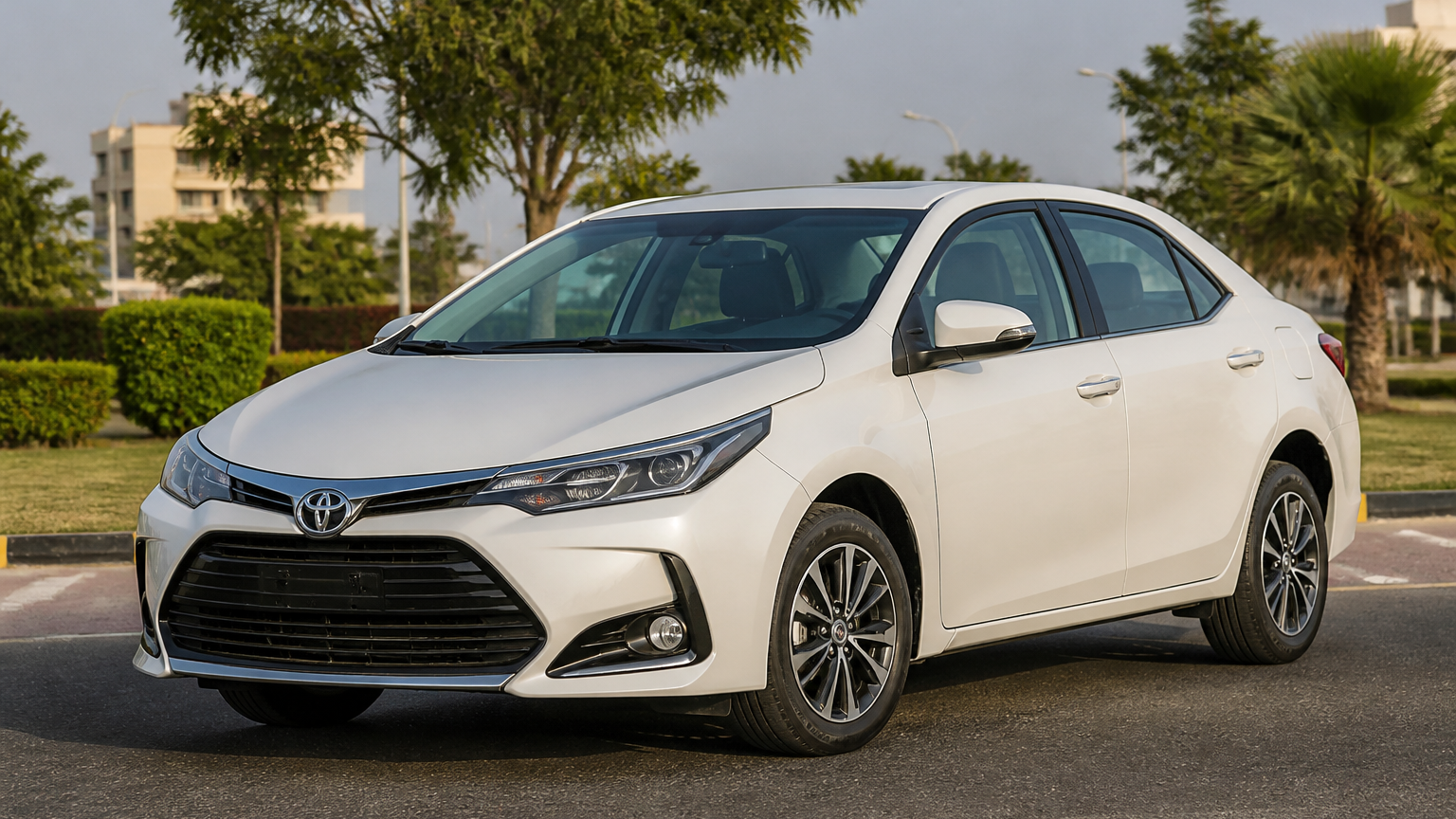
Toyota Corolla Discontinued Before Pakistan Facelift
Pakistan’s pre-facelift Toyota Corolla is reportedly discontinued, hinting at a facelift. Prices, bookings, specs and launch timing remain unconfirmed.
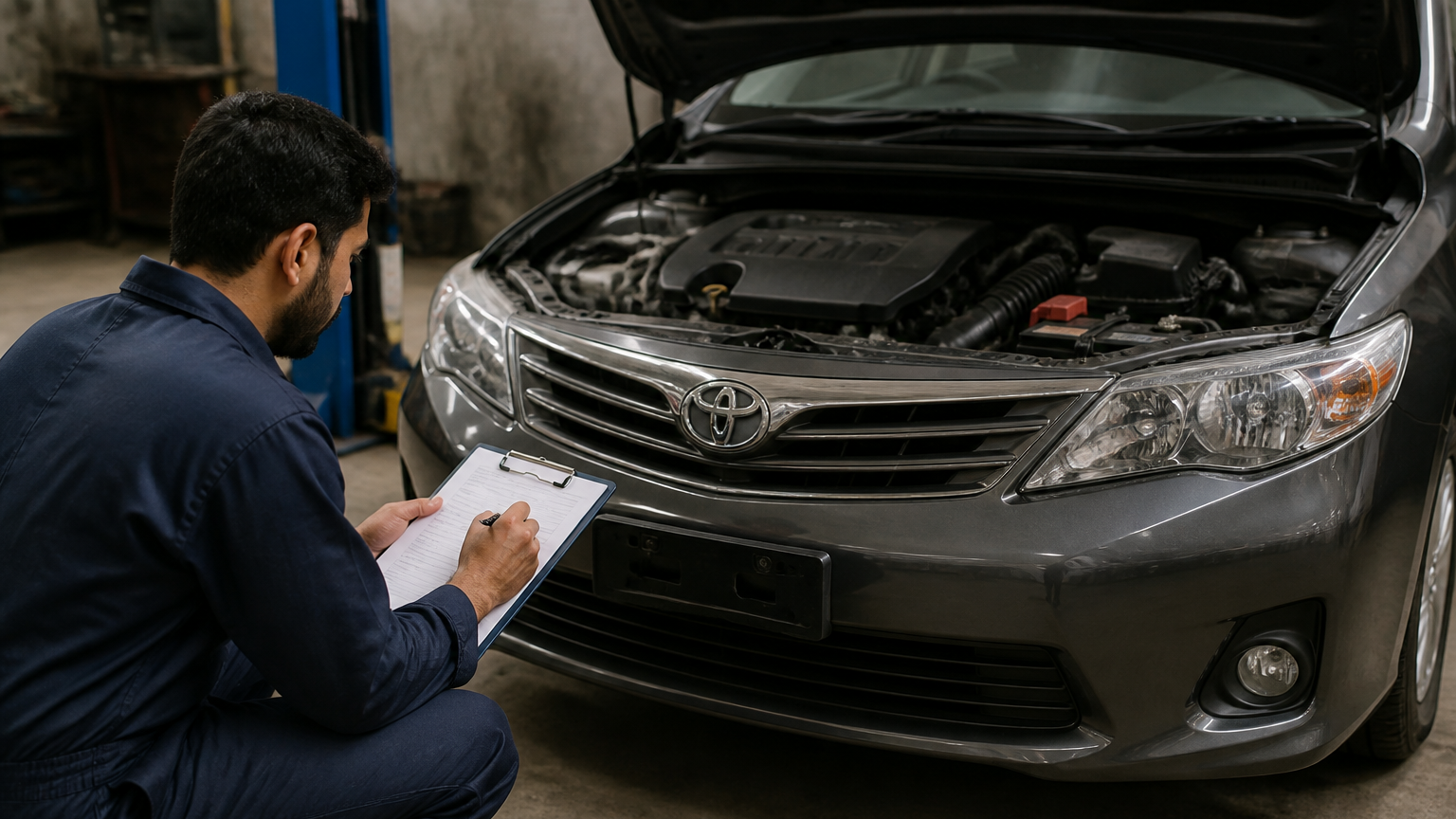
DrivePK Car Inspection Reports: Buy with Confidence
Buying a used car in Pakistan? A pre-purchase inspection can reveal hidden damage, engine issues and red flags before you pay—but it’s not enough alone.
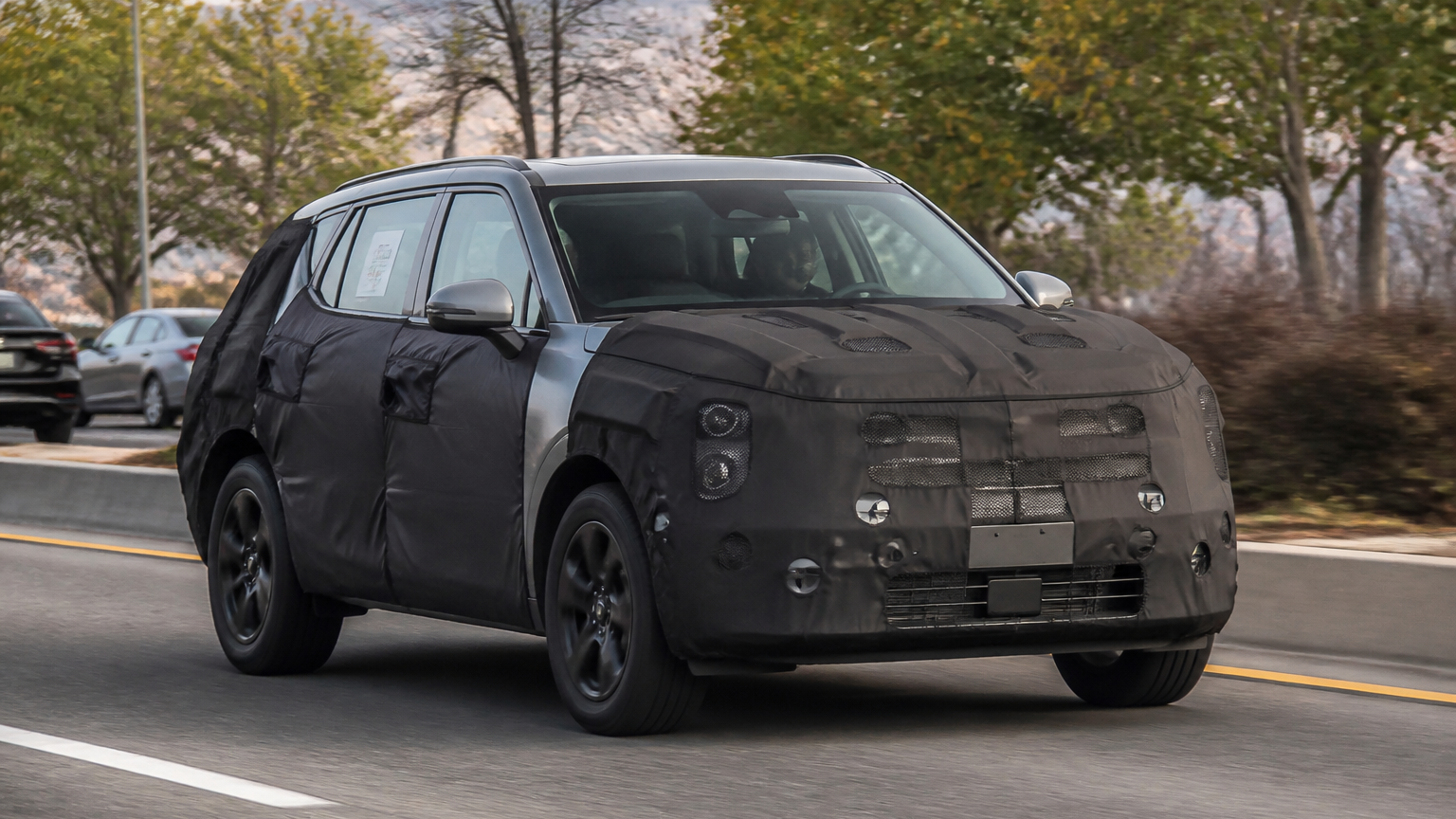
2028 Kia Sportage: Major Design Changes Spotted
Kia’s next Sportage may get a bolder, boxier redesign, with an upright profile, sharper lines, wider grille and split headlights hinted by spy shots.