Pakistan New Motorway Link: Lahore-Sialkot to Islamabad Via Kharian Cuts 100km Travel
The Pakistan government is connecting the Lahore–Sialkot Motorway (M-11) to Islamabad via Kharian. New M-12 and M-13 sections will cut nearly 100 kilometres off the journey and ease heavy traffic on the M-2. Announced by Abdul Aleem Khan at the Sheikhupura NHMP college, the project promises faster travel and stronger trade links for Sialkot exporters.
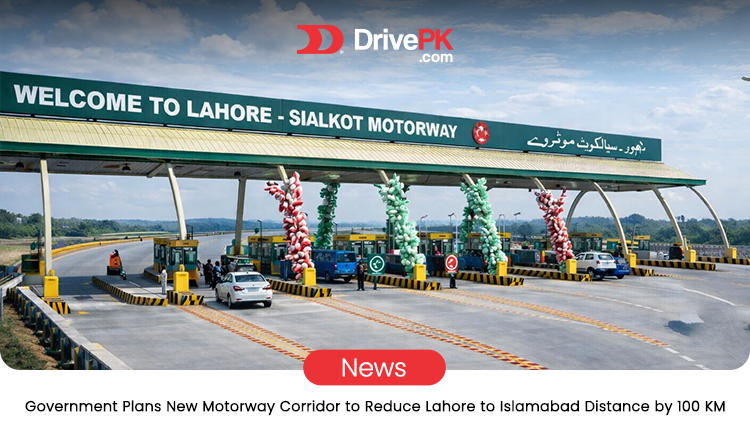
Table of Contents
- How the Route Will Work
- Easing Congestion on the M-2
- Boost for Trade and Exporters
- What It Means for Everyday Drivers
- Bigger Picture for Pakistan’s Roads
- Final Thoughts
Pakistan’s New Motorway Connection: Linking Lahore-Sialkot to Islamabad Via Kharian
The government of Pakistan has a fresh plan to make travel between Lahore and Islamabad much easier. They want to link the Lahore–Sialkot Motorway (M-11) straight to the capital through Kharian. This new route should cut the distance by nearly 100 kilometres. It will also take some pressure off the busy Lahore–Islamabad Motorway (M-2).
Federal Minister Abdul Aleem Khan shared the news during the passing-out parade at the National Highways and Motorway Police training college in Sheikhupura. He spoke to new officers and laid out the vision. The idea is simple. Build two new sections – the Sambrial–Kharian Motorway (M-12) and the Kharian–Rawalpindi Motorway (M-13) – to create one smooth corridor.
Right now, most people drive the full length of the M-2. It works, but traffic builds up fast, especially near big cities. Add fog or accidents, and the delays get worse. The new link changes that. Drivers from Sialkot and nearby areas can head north through Kharian and reach Rawalpindi or Islamabad more quickly.
How the Route Will Work
The M-11 already ends at Sambrial, near Sialkot. From there, the M-12 will run about 70 kilometres to Kharian. Then the M-13 picks up and heads to Rawalpindi. Put them together and you skip the long loop on the M-2. Officials say the full trip could drop by almost 100 kilometres and save roughly one hour.
That matters for daily commuters, families heading north for holidays, and truckers moving goods. Less distance means less fuel and fewer hours on the road.
Easing Congestion on the M-2
The M-2 carries heavy traffic every day. It links two major cities and handles everything from cars to loaded trucks. When volumes rise, jams happen. The new corridor spreads that load.
Planners expect the M-12 and M-13 to pull traffic away from the older route. That leaves more space on the M-2 for people who still need it. In the long run, both motorways stay smoother.
Recent decisions go further. The National Highway Authority now wants every new motorway built with three lanes in each direction – six lanes total. They also plan to widen the existing M-11 from two to three lanes. The goal is to handle growing traffic without quick fixes later.
Boost for Trade and Exporters
Sialkot is famous for sports goods, surgical instruments and leather. Many factories ship products to the capital region and beyond. Faster roads mean quicker deliveries and lower costs. Exporters in northern Punjab can reach Islamabad markets or airports in less time.
The link also helps smaller towns along the way. Kharian sits right in the middle. Better connections bring new business chances for local traders and service stations.
And the timing feels right. Pakistan’s motorway network keeps growing. These additions fit the bigger picture of stronger trade routes across Punjab.
What It Means for Everyday Drivers
Imagine leaving Sialkot in the morning and reaching Islamabad before lunch instead of late afternoon. Families planning weekend trips to the hills save time and arrive fresher. Truck drivers finish runs earlier and rest more.
Safety improves, too. Shorter trips cut fatigue. Wider lanes on the new sections give more room for overtaking. Plus, the motorways come with modern interchanges and service areas.
Of course, construction takes time. The M-12 is already underway, though costs have risen. The government is pushing to speed things up. Once finished, the full corridor should open a new chapter for road travel in the north.
Bigger Picture for Pakistan’s Roads
Motorways changed how Pakistan moves. The M-2 cut travel time years ago. Now the M-11 extension builds on that success. It shows a steady focus on infrastructure that people actually use.
Other projects continue too. But this one stands out because it connects an industrial hub directly to the capital region. It joins Sialkot’s energy with Islamabad’s markets in one straight line.
Drivers often complain about long waits on the M-2. This plan answers those complaints with real distance savings. And it does so without ignoring safety or future needs.
Final Thoughts
The move to link the Lahore–Sialkot Motorway to Islamabad through Kharian is practical. It shortens journeys, eases old traffic problems, and supports business. Abdul Aleem Khan’s announcement at the Sheikhupura ceremony put the plan on record. Now the work moves forward.
If you drive these routes often, keep an eye on updates. The new M-12 and M-13 could make your next trip noticeably shorter. Pakistan’s road network keeps improving, and this link is a clear step ahead. For more updates, visit DrivePK.com
Tags
Share this article
About the Author

Najeeb Khan
Automotive enthusiast and writer
Comments (0)
Login Required
You need to be logged in to comment on this article.
No comments yet. Be the first to share your thoughts!
Related Articles
N-45 اپ گریڈ: چکدرہ–تیمرگرہ منصوبہ، مالیت 17 ارب روپے
N-45 کے 17 ارب روپے کے چکدرہ–تیمرگرہ توسیعی منصوبے سے دیر اور چترال کا سفر آسان ہو سکتا ہے—لیکن تعمیرات اور آغاز کی تاریخ تاحال غیر مصدقہ ہیں۔
N-45 Upgrade: Rs17bn Chakdara–Timergara Project
N-45’s Rs17bn Chakdara–Timergara widening plan could ease Dir and Chitral travel—but construction and a start date remain unconfirmed.
کشمیر چوک اسلام آباد بند: متبادل راستے
کشمیر چوک زیرِگزر کے کام کی وجہ سے مزید اطلاع تک بند ہے۔ بھارہ کہو، راول ڈیم چوک اور قریبی علاقوں کی جانب جانے والے ڈرائیورز متبادل راستے اختیار کریں۔