Pakistan Petrol Pump Strike Called Off: What Happened and Next Steps
The All Pakistan Petrol Pumps Owners Association threatened an indefinite strike starting July 22 over the new daily fuel pricing system and low margins. Negotiations led to a postponement. This update explains the dispute, its effects on you, and what comes next.
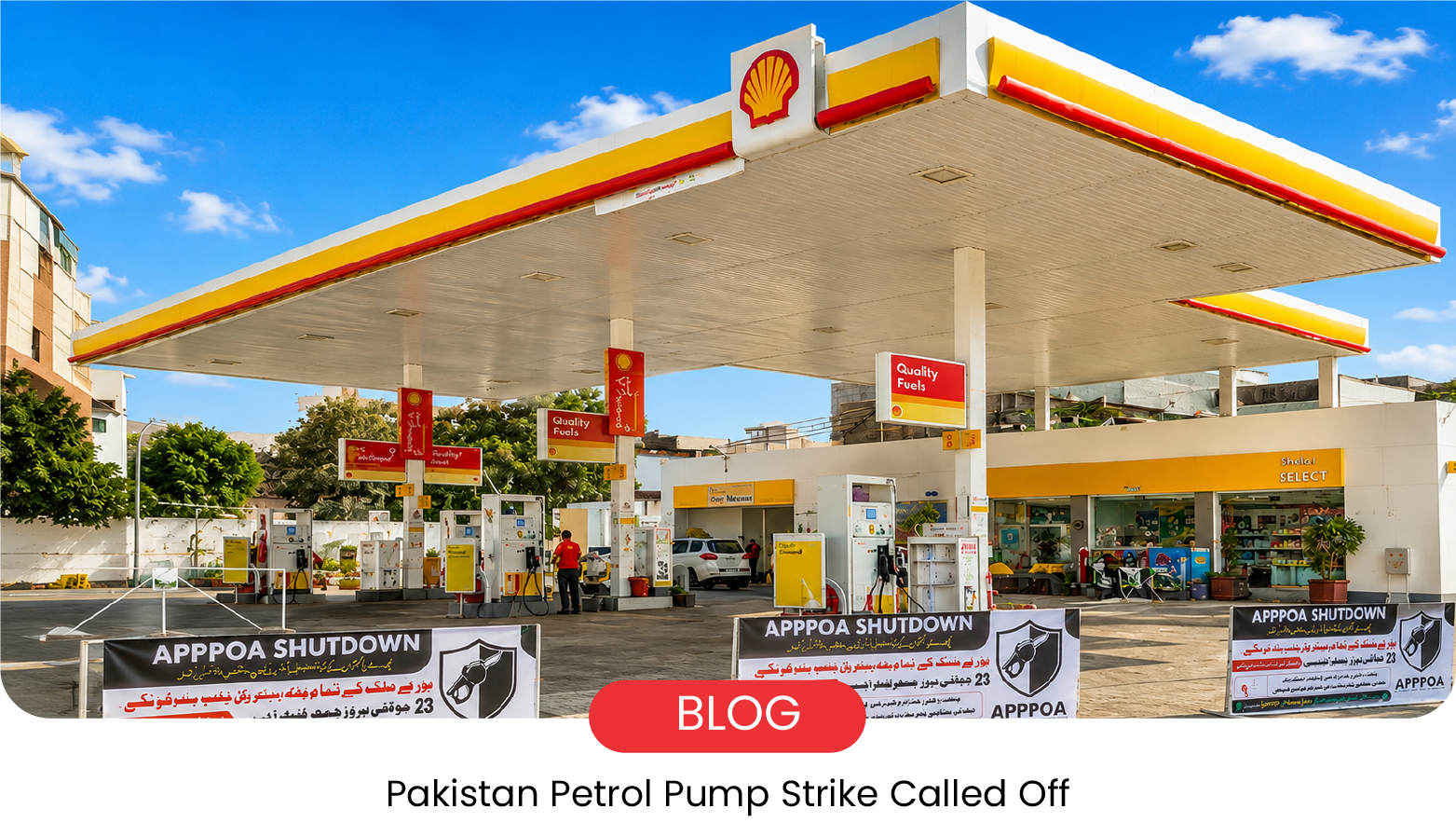
Table of Contents
- The Trigger: New Daily Fuel Pricing
- Core Demands from the Owners
- What Could Have Happened If It Went Ahead
- The Resolution: Strike Postponed After Talks
- Broader Picture: Fuel Prices and Pakistan's Economy
- Tips for Drivers and Businesses Right Now
- What to Watch in the Coming Weeks
- Final Thoughts
You probably heard the news and rushed to fill up your tank. The All Pakistan Petrol Pumps Owners Association (APPPOA) had announced a big strike from midnight on July 22. Nearly 15,000 pumps across the country were expected to close. But talks with the government changed things quickly.
I get it. Fuel prices already feel heavy on the pocket. Another disruption would have made daily life tougher for everyone, from bike riders to truck drivers and small business owners. Let's break down what really happened, why the owners were upset, and where things stand now.
The Trigger: New Daily Fuel Pricing
The government, through the Oil and Gas Regulatory Authority (OGRA), started revising petrol and diesel prices every day. This replaced the older system of weekly or fortnightly changes.
Dealers said this daily system creates real problems. Stock they buy at one price can lose value overnight if prices drop the next day. Small pump owners, who run on thin margins, struggle most with tracking costs, accounting, and staying profitable.
On the flip side, the government wants this change for transparency. It aims to pass international price movements to consumers faster and cut out sudden big jumps or political delays. Prices did move daily in the days leading up to the announcement; for example, petrol went up by several rupees in short periods.
Core Demands from the Owners
APPPOA and related dealer groups raised three main points:
- Higher commissions: Current margins sit around Rs8-8.64 per litre, which they say is too low after inflation, electricity bills, salaries, and other costs. They want it raised significantly, closer to 8% of the invoice value or a guaranteed minimum that adjusts with prices.
- Go back to less frequent price changes: Daily updates make business unpredictable. They prefer fortnightly or monthly revisions.
- End the quota system: Some complained about restrictions from oil marketing companies that limit how they operate.
These issues have built up over time. Similar complaints appeared earlier in 2026 about weekly changes and rising costs. Small owners feel squeezed between global oil swings, taxes, and fixed expenses.
What Could Have Happened If It Went Ahead
A full shutdown would have hit hard. Pakistan has thousands of pumps serving millions of vehicles daily. Transport, goods movement, agriculture (diesel for machinery), and emergency services all rely on steady supply.
Motorists would face long queues, possible shortages, and panic buying. Prices at any open pumps might spike unofficially. Businesses depending on fuel logistics, delivery services, factories, and farms would see delays and extra costs. In rural areas and smaller cities, the impact could feel even sharper.
The association mentioned up to 15,000 pumps could join, though some company-operated or government-linked ones might stay open. Past threats showed real unity on margins, but divisions appeared this time between different dealer groups.
The Resolution: Strike Postponed After Talks
Good news: the strike did not fully materialize. On July 22, after meetings with Petroleum Minister Ali Pervaiz Malik, APPPOA and the Petroleum Dealers Association agreed to postpone.
Key points from the agreement:
- The daily pricing will run on a trial basis for two weeks.
- Government committed to reviewing and increasing dealer margins within two weeks. A summary will go to the cabinet.
- Further consultations if issues remain.
This came through joint statements and press conferences. Pumps stayed open, avoiding immediate chaos. Some factions showed hesitation or split, but the main bodies stepped back to allow dialogue.
Broader Picture: Fuel Prices and Pakistan's Economy
Fuel costs touch everything. Recent hikes pushed petrol to around Rs327 per litre and diesel to over Rs375 per litre in the latest update.
High prices feed into transport fares, food costs, and manufacturing. Smuggling from borders adds unfair competition for legitimate dealers. At the same time, the government manages subsidies, levies, and fiscal pressures.
The new daily mechanism tries to make pricing more market-linked, similar to how exchange rates move. But for small businesses on the ground, the operational headache is real. Both sides have valid perspectives: consumers want stability and fair prices, dealers need sustainable margins.
Tips for Drivers and Businesses Right Now
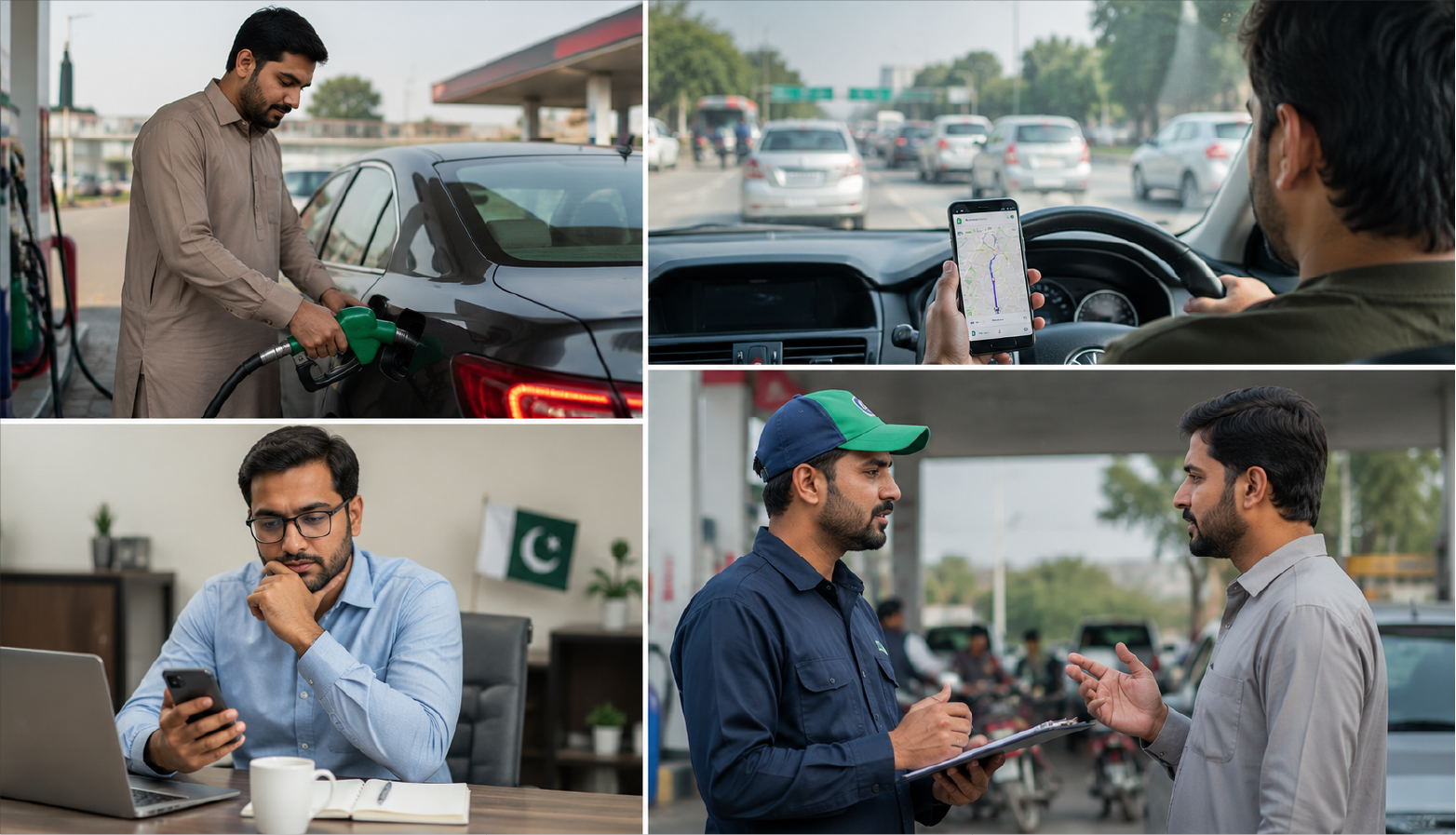
Even with the postponement, stay prepared:
- Keep your tank reasonably full, especially before weekends or long trips.
- Check official OGRA or Petroleum Division updates for daily changes instead of rumors.
- Plan routes and combine errands to save fuel.
- For businesses, talk to your regular pump about any supply concerns.
If you're a small dealer or owner, this two-week window matters. The trial period will show how daily pricing works in practice.
What to Watch in the Coming Weeks
The next 14 days are important. Will margins increase enough to satisfy owners? Does the trial reveal big problems with daily adjustments? Will there be more talks or another threat if promises aren't kept?
This dispute highlights ongoing challenges in Pakistan's petroleum sector — balancing deregulation, consumer protection, and business viability. Past patterns show these tensions come up when costs rise, or policies shift quickly.
Final Thoughts
The quick resolution prevented real hardship for ordinary people. But the underlying issues fair commissions, workable pricing rules, support for small operators won't vanish overnight. Everyone wants reliable fuel without constant drama.
As a regular driver or business owner, your voice and careful habits matter. Stay informed, use fuel wisely, and keep an eye on official updates. These situations remind us how connected daily decisions at the pump are to bigger policy choices.
What do you think about daily price changes versus stable periods? Have you faced issues at pumps lately? Share real experiences in the comments; they help everyone understand the ground reality better.For more updates, visit DrivePK.com
Tags
Share this article
About the Author

Najeeb Khan
Automotive enthusiast and writer
Comments (0)
Login Required
You need to be logged in to comment on this article.
No comments yet. Be the first to share your thoughts!
Related Articles

Sell It For Me: اپنی کار کی فروخت DrivePK کے سپرد کریں
DrivePK کی Sell It For Me سروس اس لیے تیار کی گئی ہے کہ آپ فروخت کے عمل کی ذمہ داری منتقل کر سکیں، جبکہ توجہ آپ کی کار اور آپ کے اشتہاری اہداف پر برقرار رہے۔
Sell It For Me: Let DrivePK Handle Your Car Sale
DrivePK’s Sell It For Me service is designed to help you hand over the selling process while keeping the focus on your car and your listing goals.

1,000cc تک کی گاڑیوں پر مجوزہ FED کٹ کی وضاحت
کیا آپ سستی چھوٹی گاڑی کے منتظر ہیں؟ 1,000cc گاڑیوں کے لیے مجوزہ FED کٹ ابھی تک منظور نہیں ہوئی—اپنی اگلی Alto کی قیمت کم ہونے کا اندازہ ابھی نہ لگائیں۔