Pakistan Plans 3,000 EV Charging Stations by 2030. Here’s What It Actually Means
Pakistan has launched a practical nationwide plan to install 3,000 EV charging stations by 2030, starting with 240 stations this fiscal year. With 72 licenses already issued and clear regulations in place, the country is finally building the infrastructure needed for electric vehicles to become mainstream.
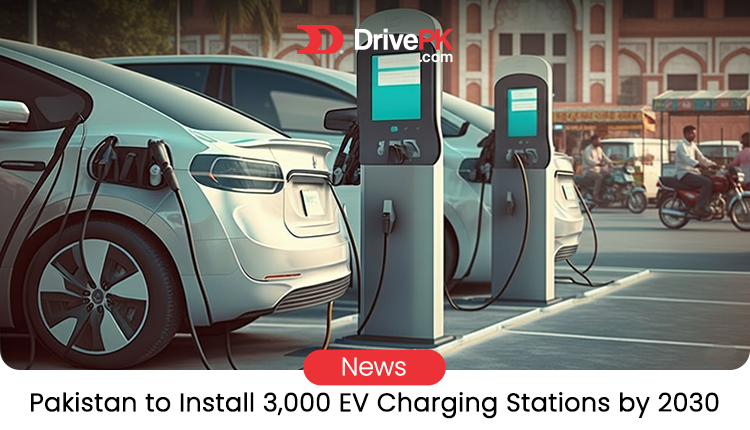
Table of Contents
- 240 Stations This Year, 3,000 by 2030
- New Rules Are Already Working
- This Is Part of a Bigger EV Policy
- What Ordinary People Will Notice
- The Challenges Nobody’s Hiding
- Bottom Line
Pakistan just dropped a real plan to build 3,000 electric vehicle charging stations across the country between 2025 and 2030. This isn’t some vague promise; the government has already allocated 240 stations for the current fiscal year, and private companies are doing the actual work.
The news came out quietly, but it’s one of the most practical steps the country has taken toward cleaner transport in years.
240 Stations This Year, 3,000 by 2030
For 2024-25, the target is 240 charging points. Private firms will install and run them. The Ministry of Industries, NEECA (National Energy Efficiency & Conservation Authority), Ministry of Energy, NEPRA, and the power distribution companies are overseeing everything to make sure it actually happens.
The full target is 3,000 stations by 2030. That’s enough to start making electric cars and bikes feel normal instead of exotic.
New Rules Are Already Working
In October 2024, NEECA issued proper charging station regulations. Since then, they’ve already given out 72 licenses. That’s not just paperwork – real companies are moving fast because the rules are finally clear.
This matters more than most people realise. Until October, anyone wanting to set up charging stations faced confusion, delays, and different departments pointing fingers at each other. Now there’s one clear process. The result? 72 licenses in less than two months.
This Is Part of a Bigger EV Policy
The charging stations are the visible part of the Draft New Energy Vehicle Policy. The goal is simple: get more Pakistanis using electric vehicles instead of petrol and diesel ones.
Electric bikes are already popular in many cities because they’re cheap to run. Electric cars are still expensive, but prices are dropping. The missing piece was always charging. Once people know they won’t get stuck with a dead battery, more will make the switch.
What Ordinary People Will Notice
In a year or two, you’ll probably see charging points at petrol stations, shopping malls, housing societies, and highway rest areas. That’s when electric vehicles stop feeling like a rich person’s toy and start feeling normal.
Petrol prices keep jumping. Electricity is cheaper and more predictable. For delivery riders, Uber drivers, and families running two bikes and a car, the savings add up fast.
The Challenges Nobody’s Hiding
Power outages are still a problem in many areas. The government says priority will be given to reliable grid connections, but everyone knows the grid needs serious upgrades.
Another issue: most of the early stations will probably go to big cities first. Rural areas and smaller towns might wait longer. That’s just how these things usually roll out.
Bottom Line
Pakistan is actually doing something practical about electric vehicles instead of just talking. 240 stations this year. 3,000 by 2030. 72 licenses already issued. Private companies are involved, the rules are clear, and the process has started.
It’s not perfect. It won’t fix everything overnight. But for the first time, the country has a real, workable plan to make electric vehicles make sense for normal people.
For more updates, visit DrivePK.com
Tags
Share this article
About the Author

Najeeb Khan
Automotive enthusiast and writer
Comments (0)
Login Required
You need to be logged in to comment on this article.
No comments yet. Be the first to share your thoughts!
Related Articles
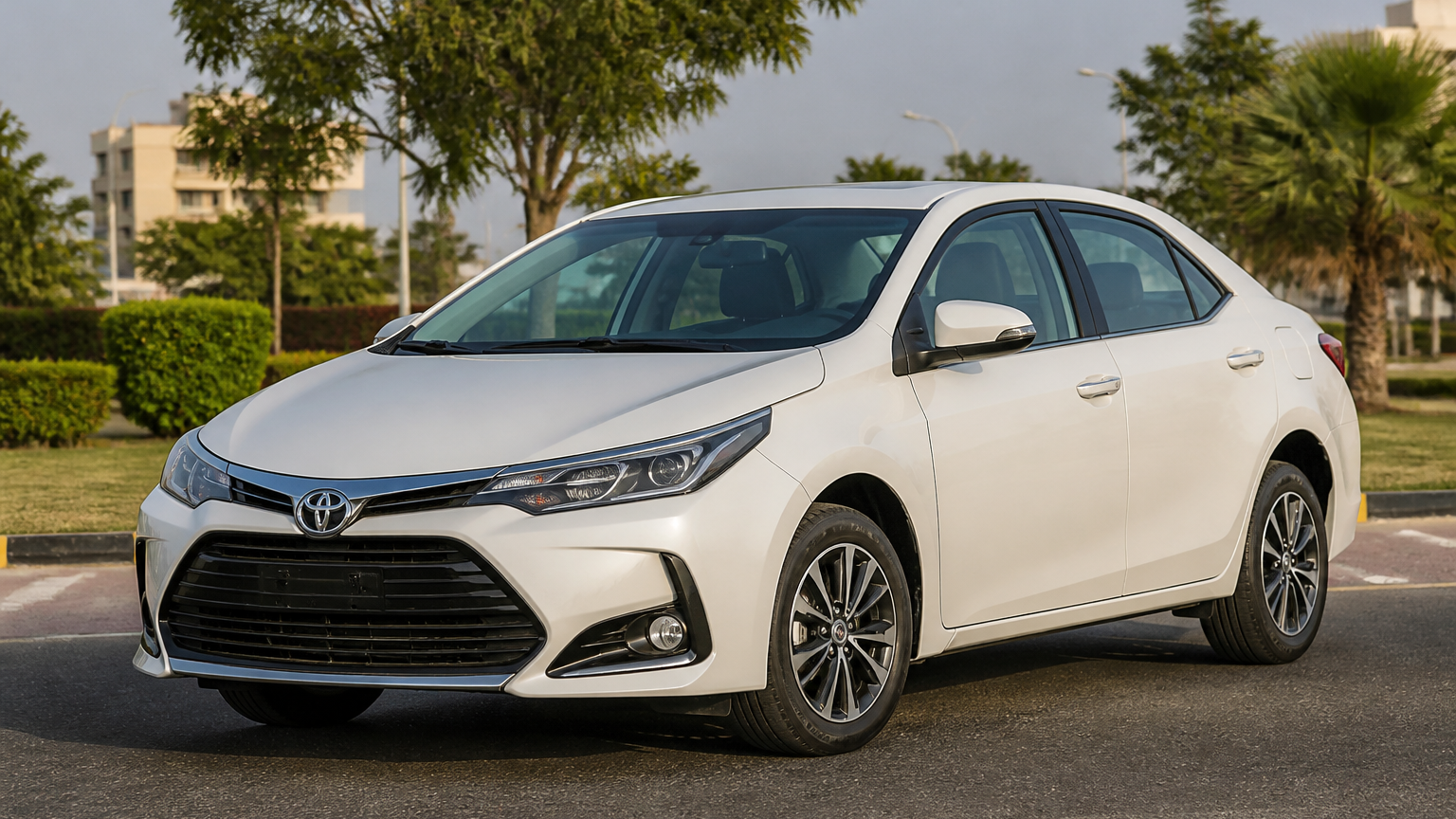
Toyota Corolla Discontinued Before Pakistan Facelift
Pakistan’s pre-facelift Toyota Corolla is reportedly discontinued, hinting at a facelift. Prices, bookings, specs and launch timing remain unconfirmed.
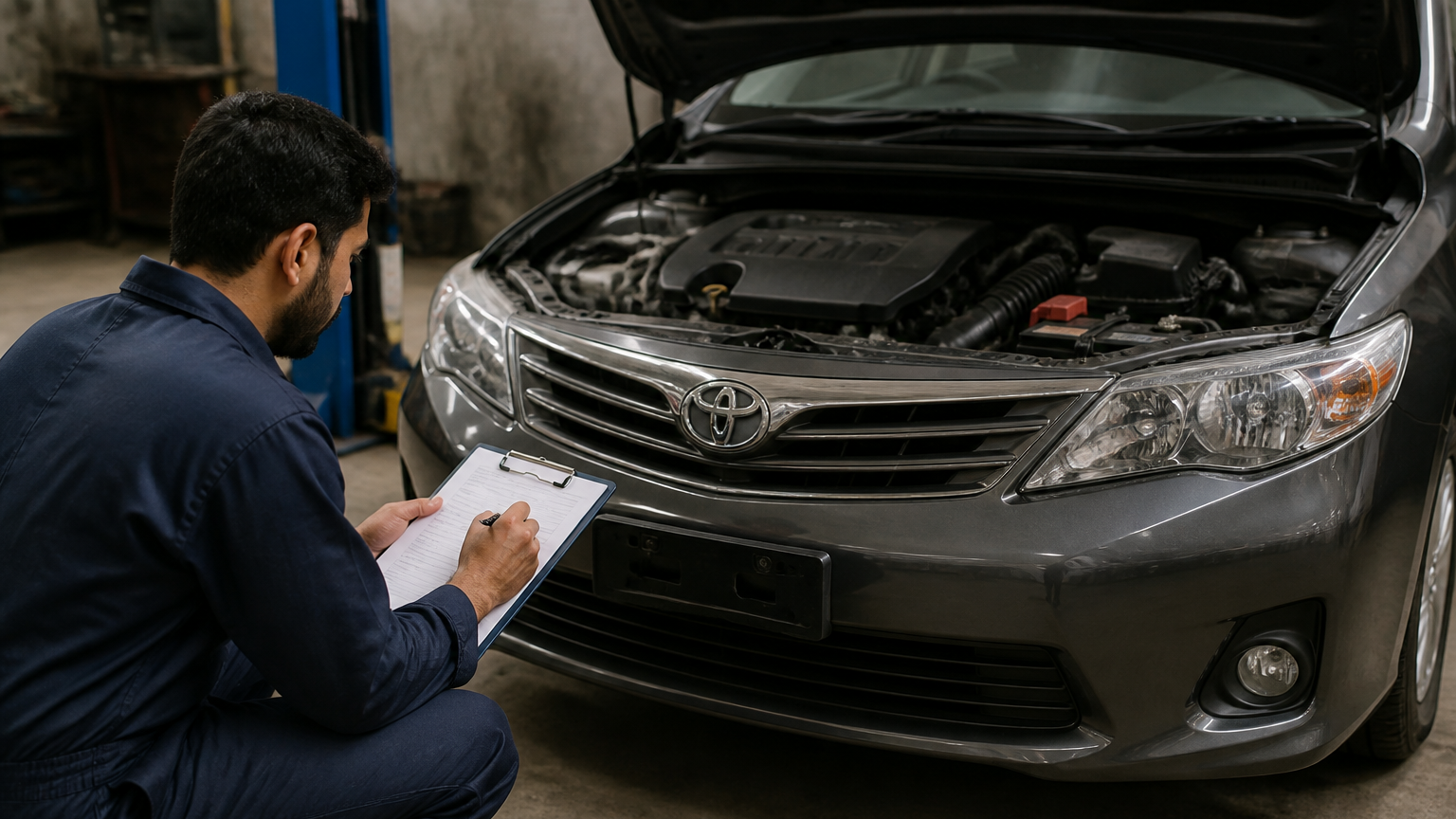
DrivePK Car Inspection Reports: Buy with Confidence
Buying a used car in Pakistan? A pre-purchase inspection can reveal hidden damage, engine issues and red flags before you pay—but it’s not enough alone.
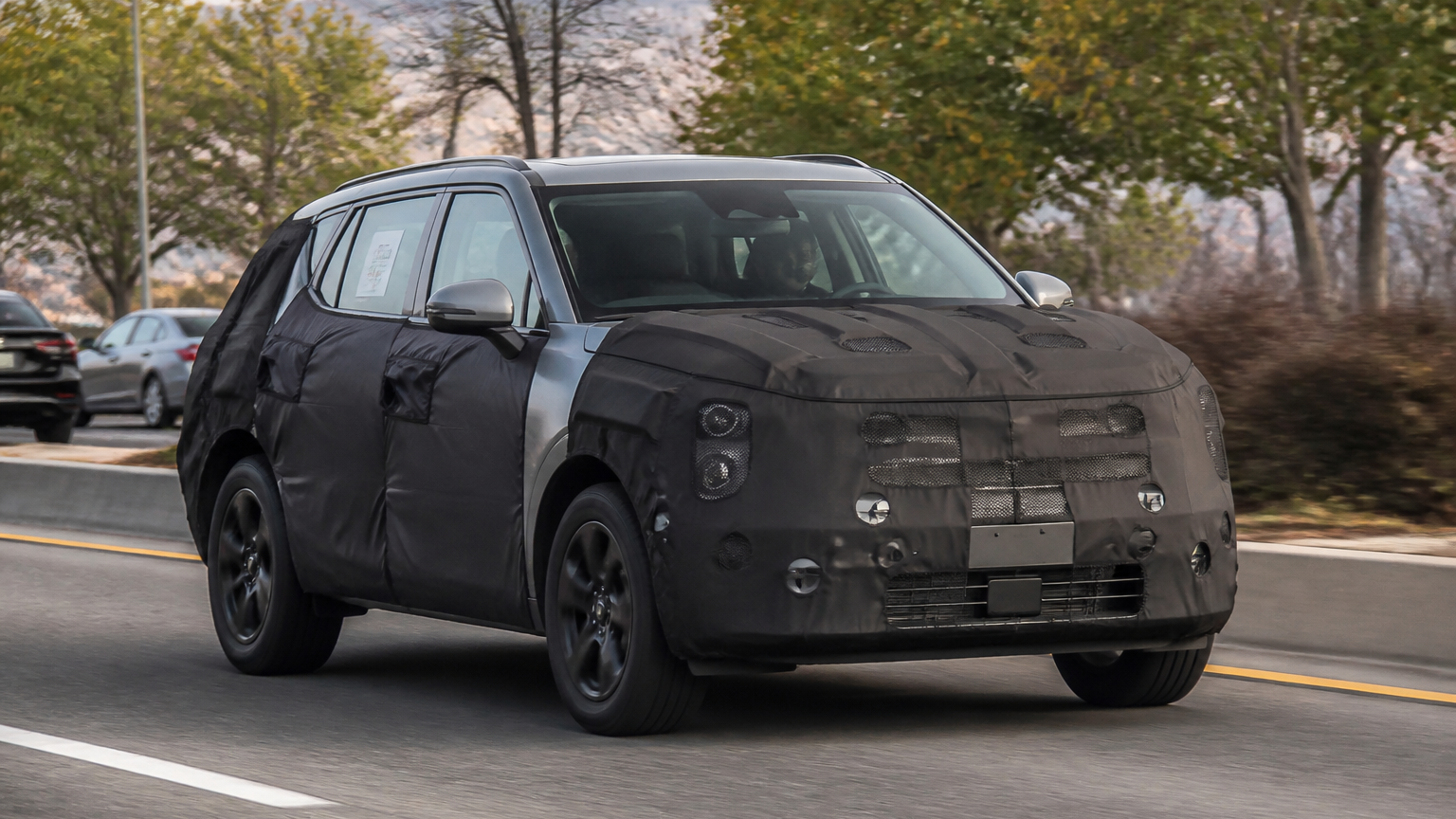
2028 Kia Sportage: Major Design Changes Spotted
Kia’s next Sportage may get a bolder, boxier redesign, with an upright profile, sharper lines, wider grille and split headlights hinted by spy shots.