Pakistan Railways to Hand Over 11 More Passenger Trains to Private Companies
Pakistan Railways has opened tenders to outsource 11 more passenger trains, targeting Rs. 8.5 billion in extra yearly revenue. The move is part of a wider privatisation push covering trains, hospitals, schools, and cargo operations to cut losses and improve service quality.
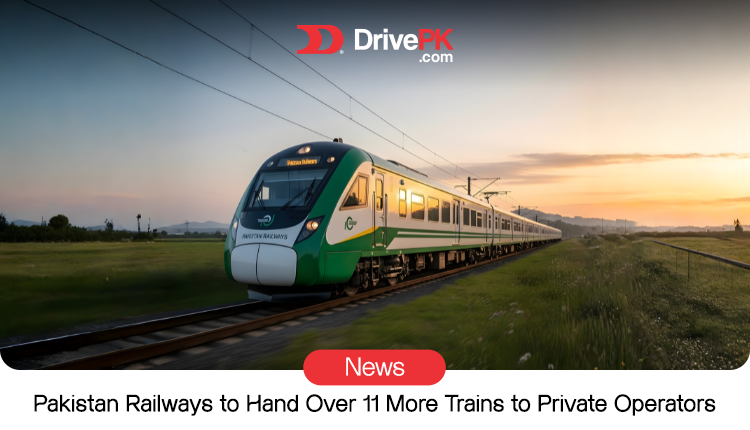
Table of Contents
- Why the push for private hands?
- More than just trains
- Extra revenue from small steps
- What passengers can expect
- The bottom line
Pakistan Railways is moving fast with its privatisation plan. The department has just invited bids to outsource 11 more passenger trains to private operators. If everything goes as planned, these trains alone should bring in an extra Rs. 8.5 billion a year.
The tenders are already out in the open. Companies have until the deadline to submit their offers.
Why the push for private hands?
The railway has been losing money for years. Passenger trains, in particular, cost significantly more to operate than the ticket revenue they generate. By letting private firms take over operations, the government hopes to cut losses and improve service at the same time.
This is not just about a few trains. It’s part of a bigger plan.
More than just trains
Pakistan Railways wants to get out of running many things that are not core to moving people and goods. The list includes:
- Railway hospitals
- Schools for staff children
- Rest houses
- Dry ports
All of these will soon be managed by private parties too.
Extra revenue from small steps
Even the little things are being looked at. Outsourcing luggage vans and brake vans on existing trains is expected to add Rs. 820 million to the budget.
Two new cargo express trains are also in the pipeline. Once they start running under private management, they should add another Rs. 6.3 billion in yearly earnings.
What passengers can expect
Private operators usually have a strong reason to keep trains clean, on time, and comfortable — they only make money when people want to travel with them. Past examples of outsourced trains in Pakistan have shown better punctuality and cleaner coaches. Many travellers hope the same happens with these 11 trains.
The bottom line
Pakistan Railways is trying to stop the bleed. Instead of pouring more public money into a loss-making system, the plan is to let private companies run services and share the profits. The target is clear: turn red numbers into black, one train at a time.
Suppose the bids come in strong and the new operators deliver. In that case, passengers might finally see cleaner, faster, and more reliable trains, and the railway might stop being a burden on the national budget.
That’s the hope, at least. The tenders are open now, and we’ll soon know who steps up to run these routes.
For more updates, visit DrivePK.com
Tags
Share this article
About the Author

Najeeb Khan
Automotive enthusiast and writer
Comments (0)
Login Required
You need to be logged in to comment on this article.
No comments yet. Be the first to share your thoughts!
Related Articles
Toyota Corolla Discontinued Before Pakistan Facelift
Pakistan’s pre-facelift Toyota Corolla is reportedly discontinued, hinting at a facelift. Prices, bookings, specs and launch timing remain unconfirmed.
DrivePK Car Inspection Reports: Buy with Confidence
Buying a used car in Pakistan? A pre-purchase inspection can reveal hidden damage, engine issues and red flags before you pay—but it’s not enough alone.

2028 Kia Sportage: Major Design Changes Spotted
Kia’s next Sportage may get a bolder, boxier redesign, with an upright profile, sharper lines, wider grille and split headlights hinted by spy shots.