Pakistan's New Energy Vehicle Policy 2025-30: Key Targets and Incentives
Pakistan's New Energy Vehicle Policy 2025-30 targets 30% EV sales by 2030 to cut emissions and oil imports. It offers subsidies like Rs 80,000 for bikes, plans 3,000 charging stations, and promotes local manufacturing for a greener future.
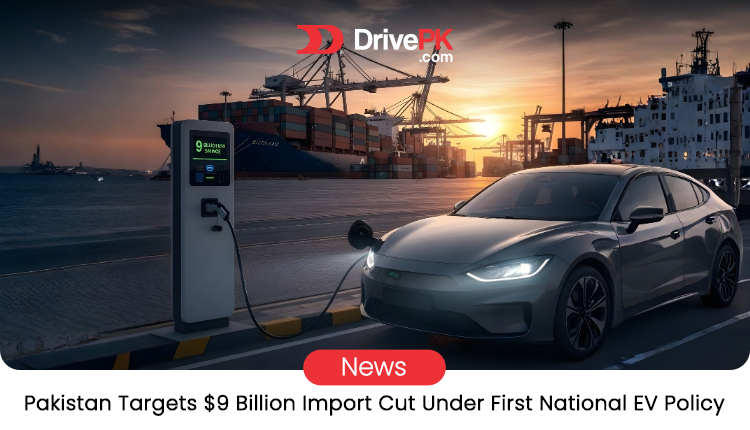
Table of Contents
- What the Policy Covers
- Targets for Adoption
- Incentives and Subsidies
- Building Charging Infrastructure
- Addressing Challenges
- Benefits for the Country
- Looking Ahead
Pakistan has unveiled its New Energy Vehicle Policy for 2025-2030. This marks a fresh start in shifting the country's transport from oil-dependent rides to cleaner electric options. It's not just about going green. The policy tackles high fuel imports, bad air quality, and job creation, too. And it builds on earlier efforts that hit snags like the pandemic.
The government wants to cut oil imports by billions. Right now, vehicles guzzle a lot of fuel, pushing emissions up. With this policy, Pakistan aims to make electric vehicles a big part of daily life.
But how?
Let's break it down.
What the Policy Covers
The policy focuses on new energy vehicles, or NEVs. These include electric bikes, rickshaws, cars, buses, and trucks. It sets clear rules to boost local making and use. No more heavy reliance on imports. Instead, build them here.
One big change: taxes on imported EVs and parts. Locally made ones get low or no duties. This levels the field for homegrown makers. Officials have already given licenses for electric motorcycles and three- or four-wheelers. It's a step to grow the industry from the ground up.
The plan comes after talks with over 100 groups. They pointed out issues like high costs upfront and poor coordination. Now, the policy addresses those head-on.
Targets for Adoption
By 2030, the goal is 30% of new vehicle sales as NEVs. That's across all types, from two-wheelers to heavy trucks. Looking further, it's 50% by 2040 and a full net-zero fleet by 2060.
Yearly targets keep things on track. For example, over 2 million NEVs will be sold by 2030. That breaks down to about 54,000 electric bikes and nearly 100,000 four-wheelers in the mix. It's ambitious, but the policy has backups like yearly reviews.
Past targets from 2019 fell short. Only 80,000 EVs on roads by mid-2025, far from the half-million aimed for bikes and rickshaws. This time, lessons learned include better funding and rules.
Incentives and Subsidies
To make EVs affordable, subsidies kick in. Electric bikes get up to Rs 80,000 off. Rickshaws? Up to Rs 400,000. These come from a carbon levy on gas-powered vehicles, 1% to 3% based on engine size.
The levy could raise Rs 122 billion. It's revenue-neutral, meaning it funds the shift without extra burden. Subsidies drop over time as costs fall.
Other perks include lower registration fees, no tolls for EVs, and priority in public purchases. After 2027, government offices must pick NEVs. Provinces are urged to swap public buses and taxis too.
For buyers, rules protect rights. Online tracking for bookings, deliveries in 60 days max, or face penalties. It's about trust in the process.
Building Charging Infrastructure
No EVs without places to charge. The policy plans 3,000 stations by 2030. Mix of fast chargers (Level 3), medium ones (Level 2), and battery swaps. Forty stations from Peshawar to Karachi start it off.
Petrol pumps must add chargers. Electricity rates for stations: around Rs 40 per kWh for commercial. To attract private cash, there's funding for gaps.
Model cities like Islamabad will test full setups. Provinces can follow. It's all about making charging easy and widespread.
Addressing Challenges
Pakistan's vehicle count jumped from 9 million in 2010 to 36 million now. Emissions hit 60 million tons yearly. The power grid has extra capacity at night, perfect for charging.
But hurdles remain. High battery costs, waste management, and standards. The policy sets rules for battery recycling and safety, and penalties for poor disposal. It promotes a circular economy, reusing materials.
Jobs are key. Shift lead battery makers to advanced tech. Train 10,000 apprentices and 5,000 workers. Add IT roles for smart vehicles.
Financing gets a look. Banks might ease rules for EV loans. And tap global funds for climate help.
Benefits for the Country
Switching saves big. Up to $950 million in oil by 2030. Cut 4.5 million tons of CO2, worth $58 million in credits. Cleaner air means less health costs, maybe Rs 4.5 billion saved.
EVs cost 68% less to run per km. They use excess power, boosting grid use. Local factories could hit 2 million units yearly, now underused.
It's about jobs, too. Green ones in making, charging, and tech. Plus, export potential with standard rules.
Looking Ahead
A steering committee oversees it all, with quarterly checks. Provinces join in for a uniform push. Regular tweaks keep it current.
Pakistan's transport needs change. This policy sets a path to sustainable rides. It won't happen overnight, but with steady steps, it could transform how we move. If done right, it means cleaner streets, saved money, and a stronger economy.For more updates, visit DrivePK.com
Tags
Share this article
About the Author

Najeeb Khan
Automotive enthusiast and writer
Comments (0)
Login Required
You need to be logged in to comment on this article.
No comments yet. Be the first to share your thoughts!
Related Articles
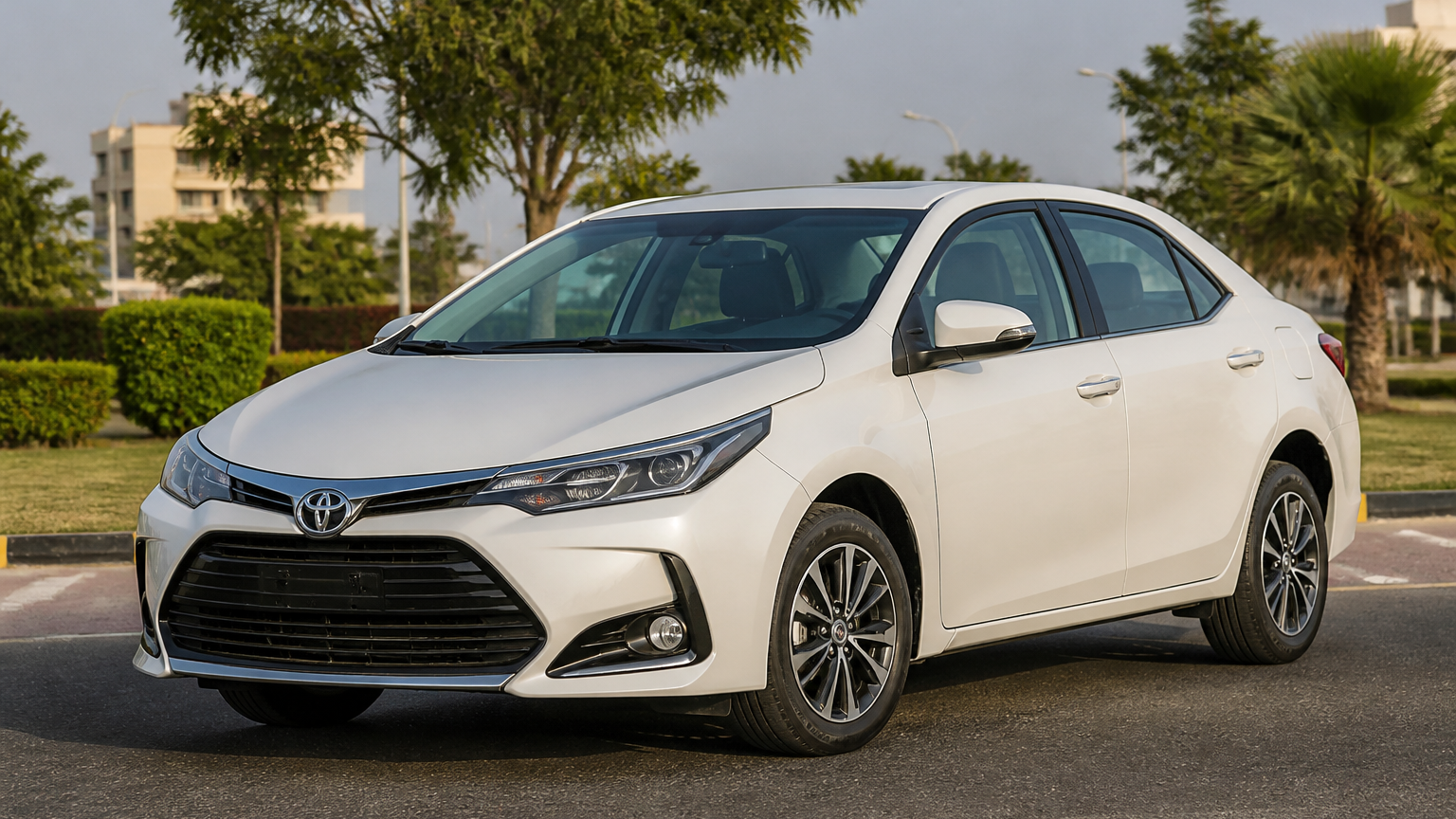
Toyota Corolla Discontinued Before Pakistan Facelift
Pakistan’s pre-facelift Toyota Corolla is reportedly discontinued, hinting at a facelift. Prices, bookings, specs and launch timing remain unconfirmed.
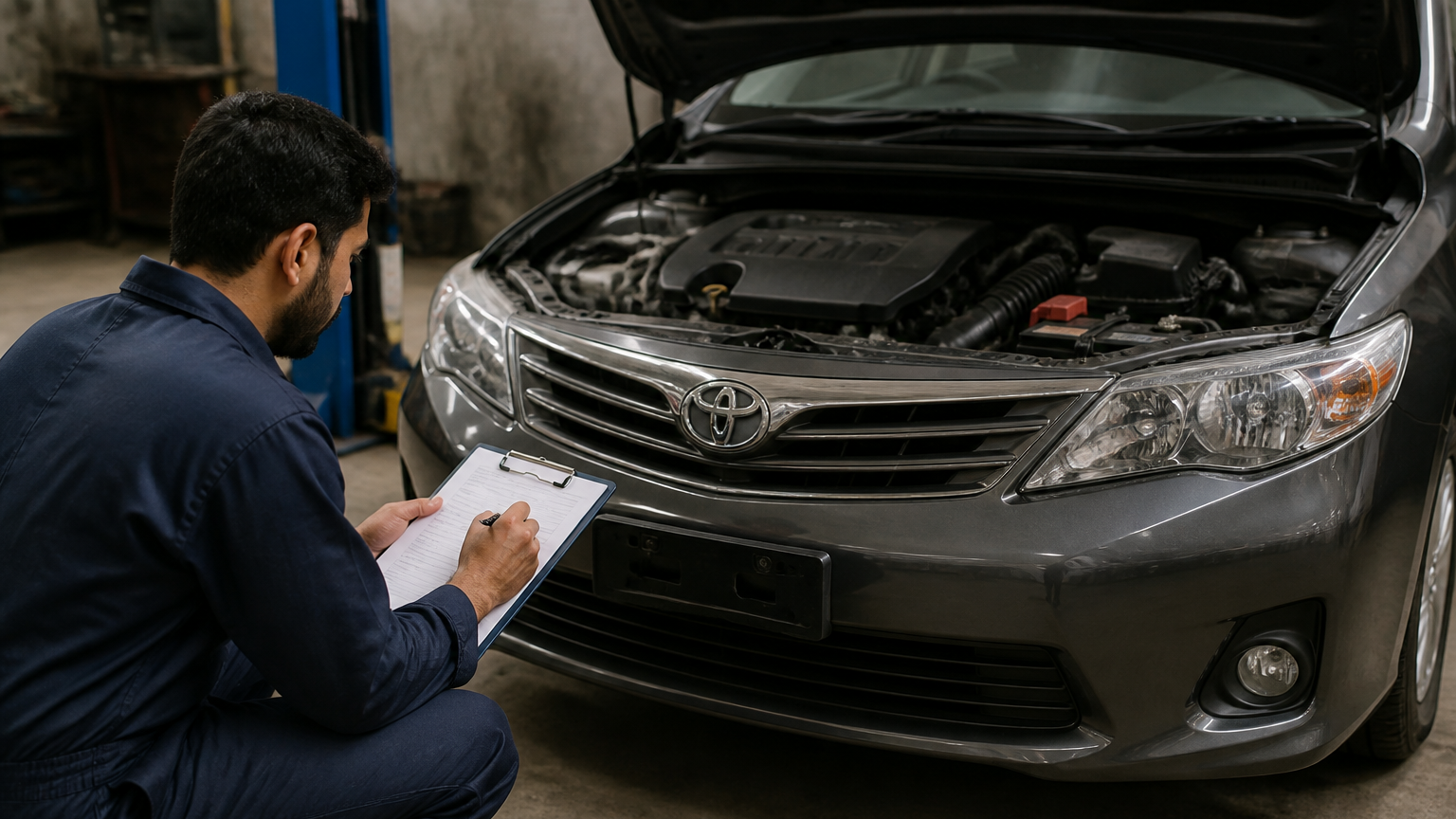
DrivePK Car Inspection Reports: Buy with Confidence
Buying a used car in Pakistan? A pre-purchase inspection can reveal hidden damage, engine issues and red flags before you pay—but it’s not enough alone.
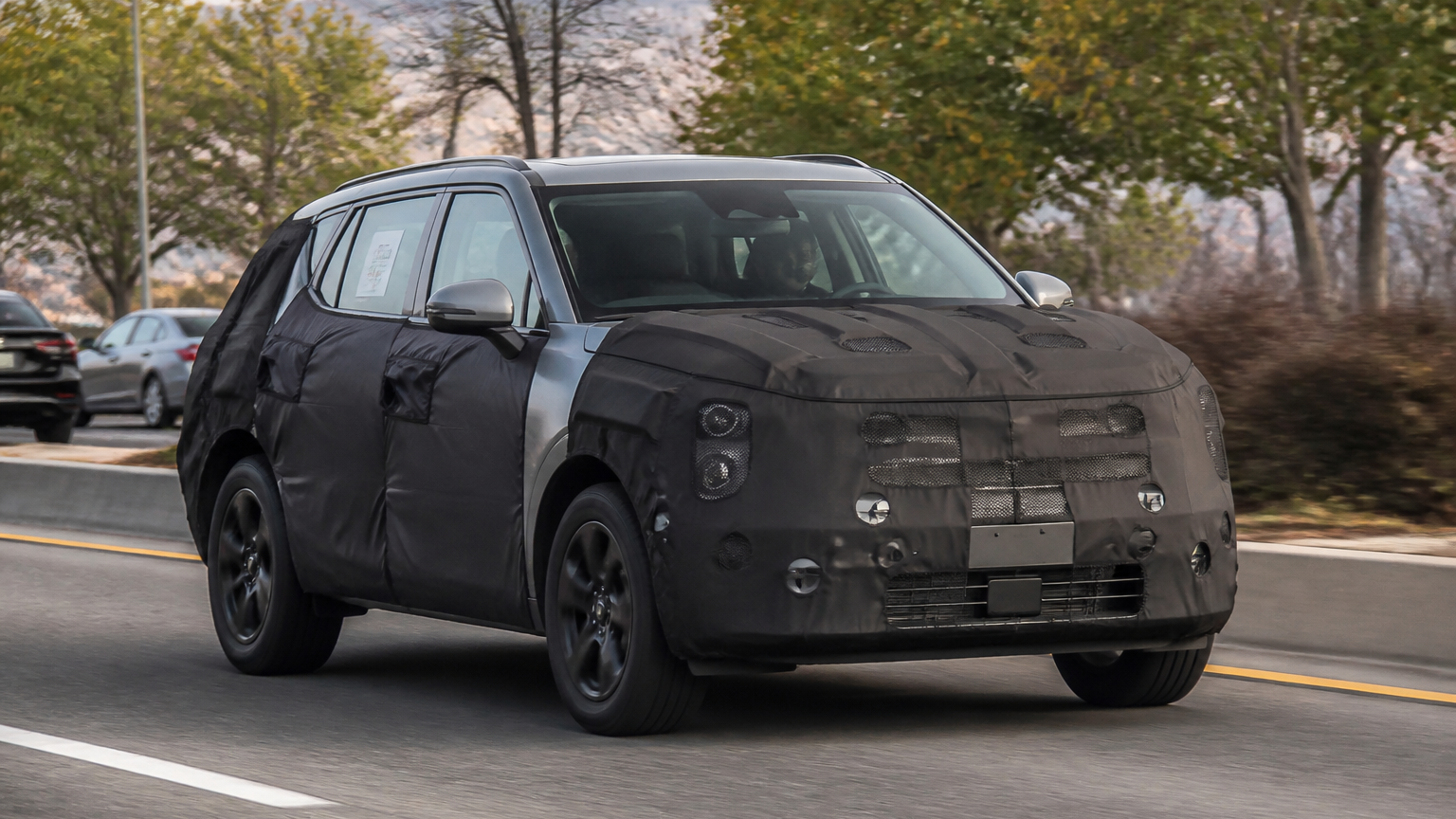
2028 Kia Sportage: Major Design Changes Spotted
Kia’s next Sportage may get a bolder, boxier redesign, with an upright profile, sharper lines, wider grille and split headlights hinted by spy shots.