Pakistan's New Special Excise Duty: Winners and Losers in the Car Market
Pakistan introduced a new Special Excise Duty on imported vehicles starting July 1, 2026. Affordable cars and EVs under $75,000 may get cheaper thanks to other cuts. But luxury models and bigger engines face higher costs. Here's exactly what changed and how it affects buyers.
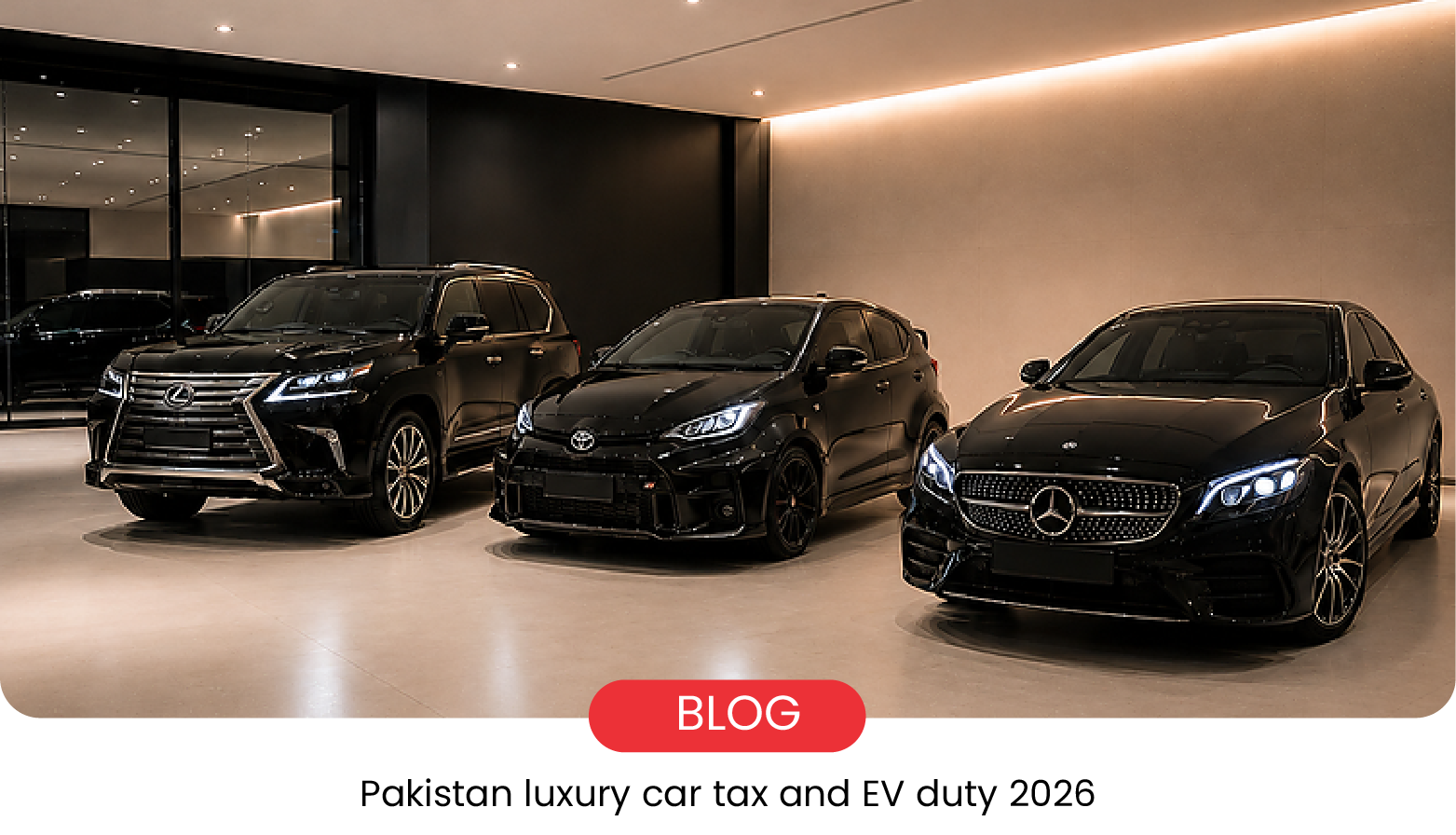
Table of Contents
- What Is the New Special Excise Duty?
- Relief for Smaller Cars and Affordable EVs
- Who Feels the Pinch?
- Why the Government Made These Changes
- Real-World Impact on Buyers
- Tips for Car Buyers Right Now
- The Bigger Picture for Pakistan's Auto Market
- Final Thoughts
If you're eyeing an imported car or thinking about going electric, the rules shifted on July 1, 2026. The government added a Special Excise Duty (SED) on certain vehicles. At the same time, other duty reductions help smaller and greener options.
This mix aims to make everyday cars more reachable while putting higher taxes on true luxury buys. Let's look at the clear facts.
What Is the New Special Excise Duty?
The Finance Act 2026 brought in SED through a new table in the Federal Excise Act. It targets imported luxury and high-engine vehicles on top of existing taxes.
Key rates for imported vehicles:
- 2,000cc to 3,000cc: 86% SED (plus standard Federal Excise Duty around 30%, pushing total excise over 110%).
- Above 3,000cc: 92% SED (even higher combined burden).
These apply mainly to passenger cars, SUVs, and similar imports. The goal is to discourage heavy luxury spending while collecting more revenue from those who can afford premium models.
Relief for Smaller Cars and Affordable EVs
Not all changes raise costs. Many passenger cars stay below the high-SED thresholds. Lower customs duties in the budget help bring down prices for vehicles under 2,000cc.
For electric vehicles, the news is mostly positive for regular buyers:
- EVs valued up to $75,000: Zero or very low excise duty.
- Higher-value EVs (above certain thresholds like Rs. 20-30 million or $110,000+): Face 30% to 40% duties.
This encourages adoption of practical electric cars and SUVs while taxing ultra-luxury EVs. It supports environmental goals without fully closing the door on green imports.
Who Feels the Pinch?
Luxury sedan and SUV buyers targeting bigger engines or high-end brands will see noticeably higher costs. Models from BMW, Mercedes, Land Cruiser, Prado, and similar often fall into the 2,000cc+ range. The combined taxes can make them significantly more expensive.
Even some popular imported SUVs that were borderline affordable could jump in price. This hits affluent buyers and those importing for status or specific performance needs.
Local assembly of smaller cars might gain some edge as imports of bigger units become costlier.
Why the Government Made These Changes
Pakistan wants to balance several things:
- Boost revenue without broad tax hikes on average citizens.
- Promote smaller, more fuel-efficient, and electric vehicles.
- Protect the local auto industry from unchecked luxury imports.
- Align with broader tariff reforms.
Reducing duties on entry-level and mid-range options while hiking on luxury fits this strategy. It also ties into efforts to improve the environment through EV incentives.
Real-World Impact on Buyers
If your budget targets cars with engines below 2,000cc or EVs under $75,000, you could see some price relief from the overall package of duty adjustments. This includes popular Japanese hybrids or compact models.
For luxury seekers, prepare for higher landed costs. Total taxes (customs + regulatory + excise + sales tax) can easily exceed 100% on big-engine imports. Always calculate the full picture, including registration and other fees.
Importers and dealers will adjust pricing. Watch the market in the coming weeks for actual on-ground changes.
Tips for Car Buyers Right Now
- Check engine size and value carefully: A small difference in cc or dollar valuation can shift you into a higher tax bracket.
- Consider hybrids or EVs in the relief zone: They often combine lower running costs with better duty treatment.
- Compare total ownership: Fuel, maintenance, and resale value matter more than sticker price alone.
- Consult experts: Work with registered importers or check FBR resources for the latest notifications.
- Timing: Some pre-July shipments might have different rates, but new rules apply now.
The Bigger Picture for Pakistan's Auto Market
These changes continue the government's phased approach to tariffs. Earlier duty tweaks on used cars (like regulatory duty reductions) aimed at accessibility. The SED focuses the burden on the top end.
It sends a signal: sensible mobility gets support, while pure luxury pays more. This could help local manufacturers in smaller segments and encourage EV infrastructure growth over time.
For the average Pakistani family or overseas buyer shipping a practical car, the net effect leans neutral to positive on smaller options. Luxury buyers face a clearer hit.
Final Thoughts
The new Special Excise Duty from July 1, 2026, makes luxury imported vehicles and high-end EVs more expensive. Meanwhile, many everyday passenger cars and affordable electric options stand to benefit from duty relief elsewhere.
Understand your specific needs before deciding. Smaller engines or value-focused EVs often make smarter financial sense under these rules. Stay updated with official sources as the market settles.
This balanced policy tries to open doors for more people while asking more from premium segments. Smart buyers who do the math will find opportunities in the details. For more updates, visit DrivePK.com
Tags
Share this article
About the Author

Najeeb Khan
Automotive enthusiast and writer
Comments (0)
Login Required
You need to be logged in to comment on this article.
No comments yet. Be the first to share your thoughts!
Related Articles
Rawalpindi Ring Road Opening Delayed by Toll Plaza Work
Rawalpindi Ring Road is structurally complete, but toll plazas and e-toll systems remain unfinished—delaying opening, toll rates and traffic relief.
Islamabad Blockades Delay Karachi Freight Before PTI Protest
PTI’s Oct. 4 march may delay northbound freight from Karachi, affecting car parts, tyres and workshop supplies—but the scale remains unclear.
Oil Prices Near $100: Impact on Pakistan
Brent nears $100 after a sharp swing linked to China’s fuel-export curbs—but Pakistan’s petrol and diesel prices remain unchanged for now.