Pakistan Transport Alliance Extends Nationwide Strike Against Traffic Ordinance 2025
The Pakistan Transport Alliance has extended its nationwide strike against the Traffic Ordinance 2025, arguing that higher fines, tougher rules, and rising costs are hurting drivers. With buses, trucks, and rickshaws off the roads across Punjab and Sindh, daily life and trade continue to suffer as talks with the government stall.
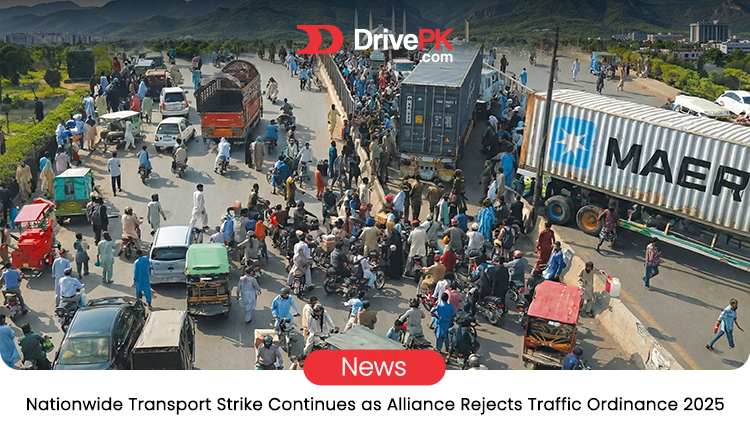
Table of Contents
- What Sparked the Strike?
- The 12-Point List of Demands
- Statements from Alliance Leaders
- How the Strike Affects Everyday Pakistanis
- Government Response So Far
- What's Next for the Protest?
Transport workers across Pakistan have dug in their heels. On December 10, 2025, the Pakistan Transport Alliance announced they're extending their nationwide strike. This comes after days of protests that have halted buses, trucks, and rickshaws in major cities. The core issue? The new Traffic Ordinance 2025, which transporters call unfair and burdensome.
I've followed strikes like this before. They disrupt lives, but they also spotlight real problems in the system. In Lahore, where the alliance held a press conference, leaders laid out their grievances. The ordinance hikes fines, complicates licenses, and adds tolls that hit drivers hard. With fuel costs already high, many say it's too much.
The strike started on December 8 and has spread from Punjab to Sindh. Roads are quieter, but tensions run high. People can't get to work, goods sit undelivered, and the economy takes a hit. Let's break it down.
What Sparked the Strike?
The Traffic Ordinance 2025 rolled out to improve road safety. It includes steeper penalties for violations, like PKR 5,000 fines for minor offenses. Transporters argue it targets them without fixing bigger issues, such as poor roads or corruption in licensing.
Alliance members, including truckers and bus owners, feel squeezed. They say the rules ignore their daily struggles. For instance, excessive challans—traffic tickets—eat into slim profits. The ordinance also demands more paperwork for permits, which many small operators can't handle.
In Punjab, the strike jammed wheels completely on December 8. Cities like Lahore, Rawalpindi, and Karachi saw empty bus stands. Sindh joined in, paralyzing routes between provinces. By December 9, some talks happened, but no deal stuck. That's why the extension.
The 12-Point List of Demands
At the heart of the protest is a clear set of asks. The alliance presented a 12-point charter during their Lahore press meet. Here's what they want:
- Scrap the Traffic Ordinance 2025 entirely.
- Stop excessive challans and harassment by traffic police.
- Simplify driving license renewals—no more endless queues or bribes.
- Cut toll taxes on highways; they're too high for daily haulers.
- Grant industry status to transport, unlocking benefits like loans and subsidies.
- Improve route permits for inter-city buses.
- Fix vehicle fitness checks to be fair and quick.
- End corruption in registration processes.
- Provide fuel subsidies for public transport.
- Build better rest areas for long-haul drivers.
- Involve transporters in future policy decisions.
- Offer relief for fines issued under the old rules.
These points aren't new. Similar complaints surfaced last year, but nothing changed. Leaders say they've tried talking, but the government drags its feet.
Statements from Alliance Leaders
Haji Sher Ali, the alliance president, didn't mince words. "This strike goes on until the ordinance is gone," he said at the conference. He's led these efforts before and knows the drill.
Chairman Riaz Tajik called government promises "lollipops" sweet but empty. "We've lost millions already, and so has the state," he added. The strike's cost? Massive. Daily losses run into billions from halted freight and passengers stuck at home.
Other voices chimed in. In Punjab, transporters met officials at 2 PM on December 8, but walked away unhappy. The Lahore High Court heard a petition but refused to suspend the ordinance. Some groups called off protests temporarily, but the alliance pushed to extend.
How the Strike Affects Everyday Pakistanis
Life grinds to a halt without transport. In Lahore, students missed exams, workers lost wages, and markets ran low on supplies. Inter-city buses stopped, stranding travelers at terminals.
Economically, it's a blow. Freight trucks carry goods worth billions daily. With them parked, factories slow down, and prices might spike. The government loses toll revenue too. But transporters say their losses are worse many live hand-to-mouth.
In Sindh, the wheel-jam crippled Karachi's ports. Punjab's highways turned ghost towns. And safety? Empty roads mean fewer accidents, but that's small comfort.
Government Response So Far
Officials have offered talks, but transporters want action. The Punjab government urged withdrawal of the ordinance, yet no firm steps. Federal level? Quiet for now. The alliance demands a meeting with the prime minister.
Court involvement adds layers. The Lahore High Court's refusal to intervene keeps the pressure on protesters.
What's Next for the Protest?
The strike extends indefinitely. More press meets are planned in Karachi and Islamabad. If no resolution by week's end, it could spread further.
Transporters hint at blocking key routes if ignored. But fatigue sets in—strikes cost everyone. A compromise might emerge, like phased rollbacks or subsidies.
For now, watch for updates. If you're traveling, check routes. And if you're affected, voice support or concerns online.
Strikes like this remind us: Policies need buy-in from those they impact. Without it, roads stay empty, and problems fester.
For more updates, visit DrivePK.com
Tags
Share this article
About the Author

Najeeb Khan
Automotive enthusiast and writer
Comments (0)
Login Required
You need to be logged in to comment on this article.
No comments yet. Be the first to share your thoughts!
Related Articles
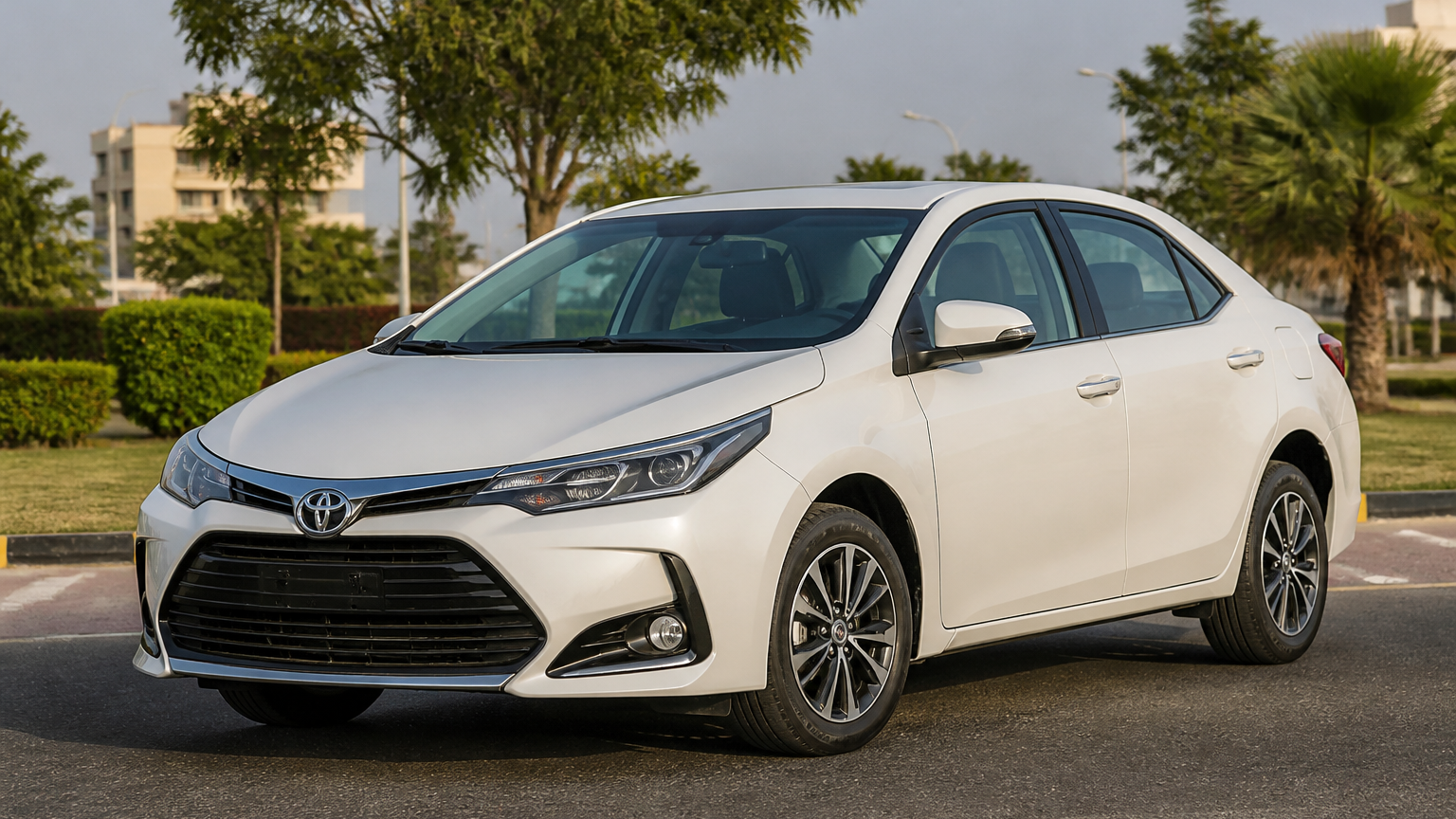
Toyota Corolla Discontinued Before Pakistan Facelift
Pakistan’s pre-facelift Toyota Corolla is reportedly discontinued, hinting at a facelift. Prices, bookings, specs and launch timing remain unconfirmed.
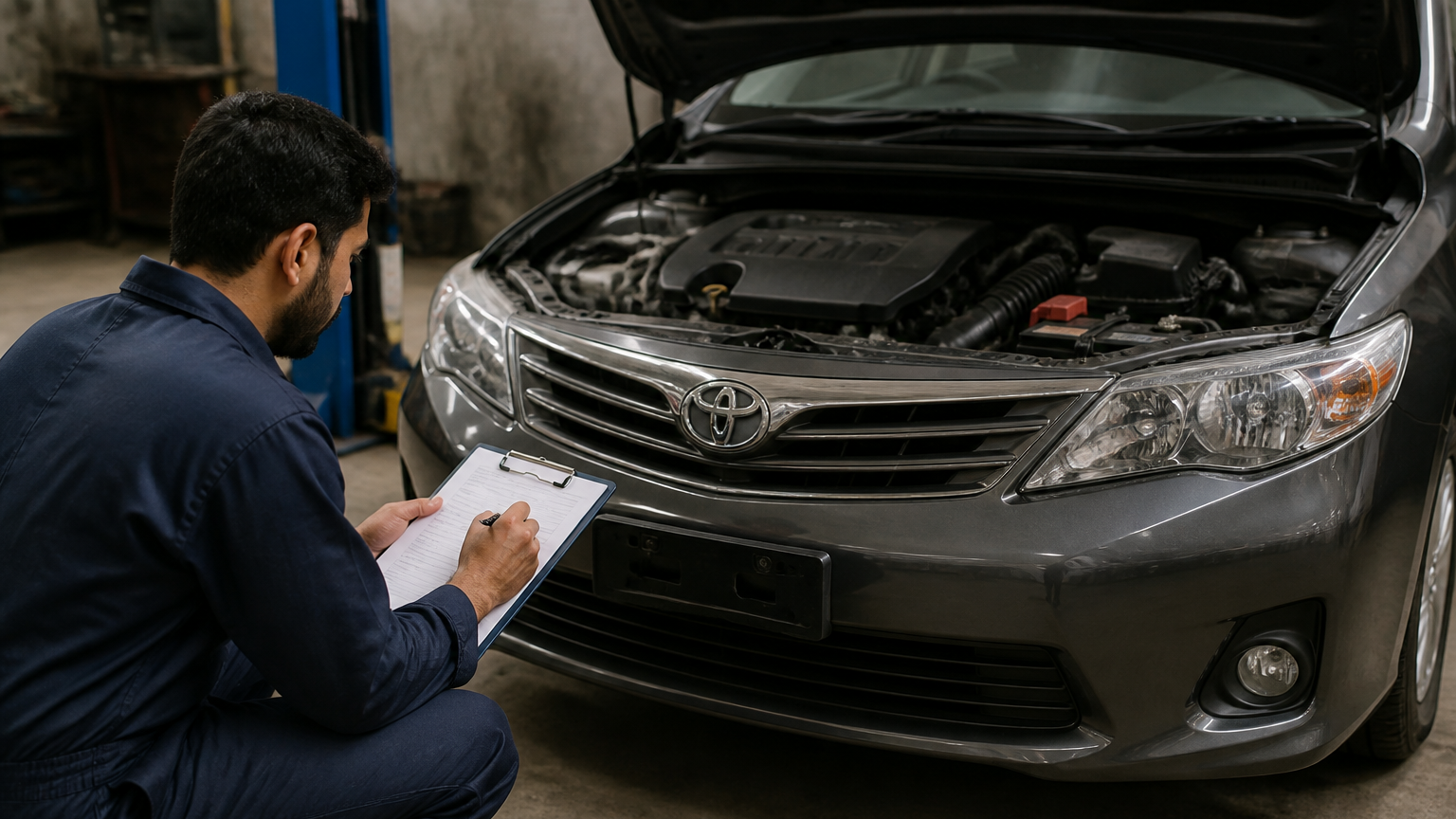
DrivePK Car Inspection Reports: Buy with Confidence
Buying a used car in Pakistan? A pre-purchase inspection can reveal hidden damage, engine issues and red flags before you pay—but it’s not enough alone.
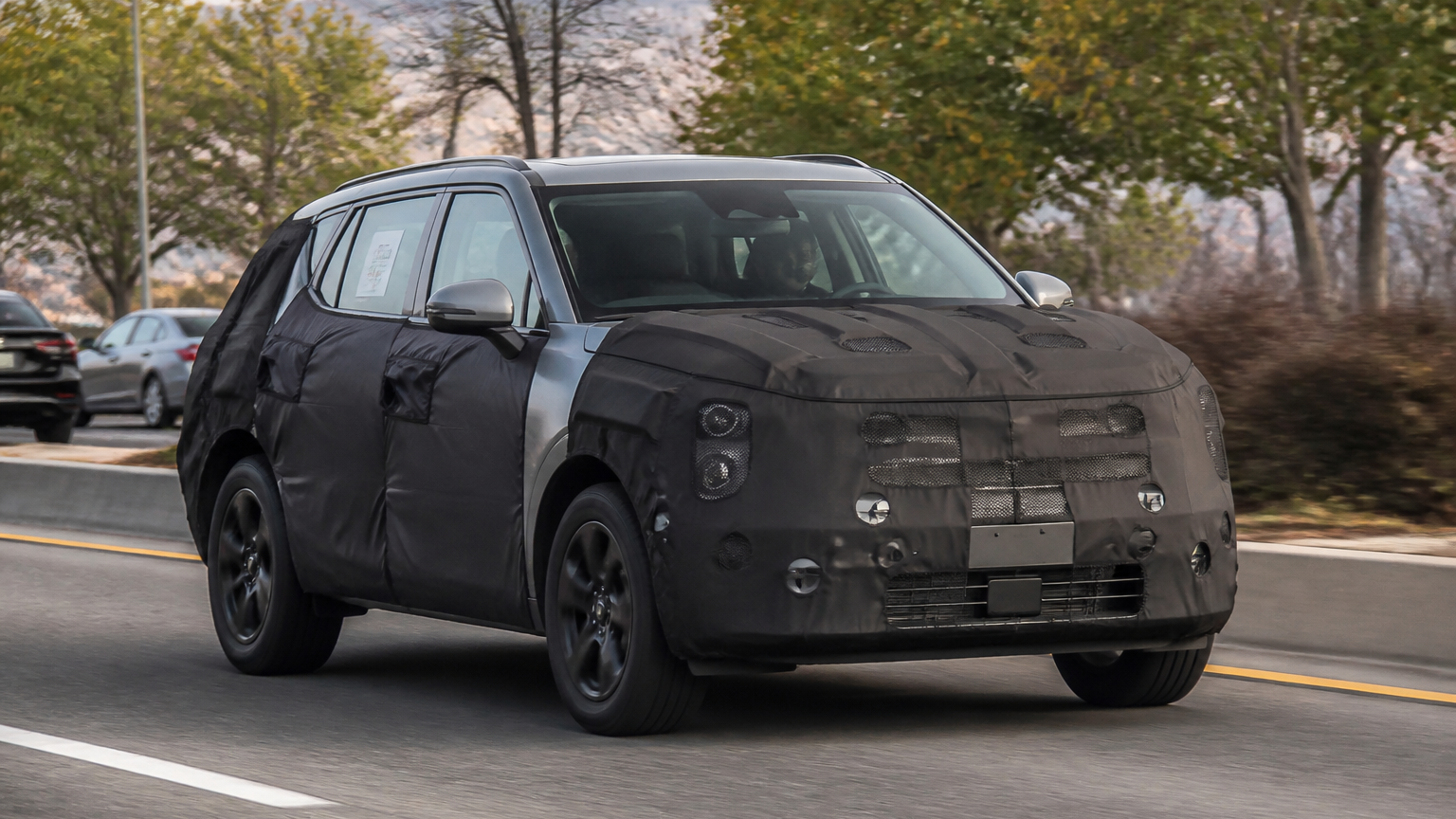
2028 Kia Sportage: Major Design Changes Spotted
Kia’s next Sportage may get a bolder, boxier redesign, with an upright profile, sharper lines, wider grille and split headlights hinted by spy shots.