Pakistan Transport Strike December 19: Nationwide Wheel Jam Protest Explained
Transport unions across Pakistan have called for a nationwide wheel jam strike on December 19. This could halt goods movement and public transport from north to south. The protest targets heavy fines and strict traffic rules. Businesses worry about supply chain breaks, while the government stresses road safety. If demands aren't met, a full shutdown might follow.
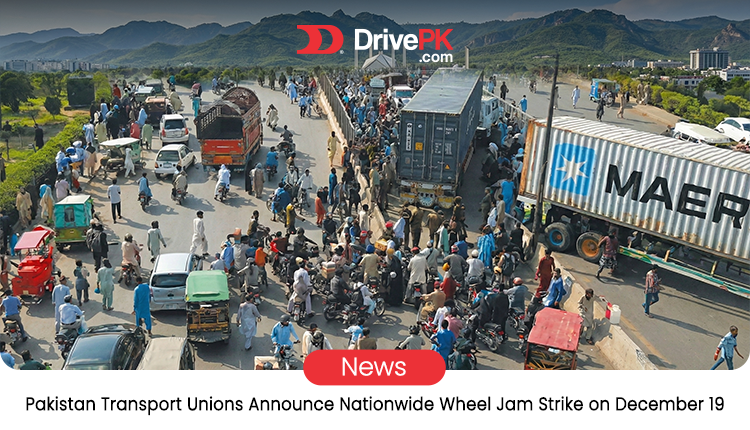
Table of Contents
- Who Stands to Lose
- The Government's Side
- Past Disruptions and Lessons
- Economic Ripple Effects
- What to Watch For
Transport unions in Pakistan aren't happy with recent changes. They've announced a big protest on December 19. It's called a wheel jam strike. That means trucks, buses, and other vehicles will stop moving. The goal is to block roads and draw attention to their problems.
The main group behind this is the All Pakistan Transport Federation. They have allies joining in. Their big complaints are about heavy fines and tougher traffic rules. They say officials are too harsh when enforcing these. Vehicles get impounded often, which hurts drivers and owners financially.
Transporters feel squeezed. Running costs are high already. Add fines and impoundments, and it's hard to stay in business. They've asked the government to ease up. But so far, no luck. That's why they're taking this step.
Who Stands to Lose
This strike could touch everyone. From Khyber in the north to Karachi in the south, roads might empty out. Public transport like buses could grind to a halt. People who rely on them for work or school might face tough days.
Goods movement is a bigger worry. Trucks carry everything from food to factory parts. If they stop, shelves could go bare in stores. Prices might jump if supplies run low.
Business groups are already speaking out. Manufacturers and exporters say past strikes hurt them bad. Production lines stopped because parts didn't arrive. Orders got delayed, and that damaged reputations abroad.
Think about it. Pakistan's economy leans on exports like textiles and rice. A day or two of disruption might not seem much. But it adds up. Lost wages, spoiled goods, missed deadlines. The bill could run into millions.
And if the strike drags on? Unions warn it could turn into a full shutdown. No vehicles moving at all. That would amplify the pain.
The Government's Side
Officials aren't backing down. They say strict rules are needed for safety. Roads in Pakistan can be dangerous. Accidents happen too often. Enforcing speed limits, vehicle checks, and fines helps save lives.
It's a fair point. Better rules mean fewer crashes. But unions argue the approach is over the top. Fines are too high for small mistakes. Impoundments happen without warning. They want a middle ground. Maybe lower penalties or clearer guidelines.
Talks might happen before December 19. Both sides have reasons to avoid a full clash. Government doesn't want economic hits. Unions need to work. But if no deal comes, the strike goes ahead.
Past Disruptions and Lessons
Strikes like this aren't new. Pakistan has seen them before. A few years back, similar protests over fuel prices shut down highways. Cities like Lahore and Islamabad felt the squeeze. Traffic jams lasted hours. Businesses lost big.
What happened then? Some demands got met after negotiations. But not all. It shows dialogue works, but only if started early.
This time, with the date set, pressure is on. Businesses are preparing. Some might stock up on supplies. Others could shift to rail or air, but that's costly and limited.
For everyday people, it's about planning ahead. If you travel on December 19, check updates. Maybe work from home if possible. Or use local options.
Economic Ripple Effects
A strike hits more than transport. Factories might idle workers. Exports could drop, affecting foreign earnings. That's bad for the rupee and jobs.
Small businesses suffer most. Shop owners waiting for deliveries. Farmers with produce rotting in trucks. It's a chain reaction.
Experts estimate losses from past strikes at billions of rupees per day. This one could match that if widespread.
But there's a silver lining. Protests push for change. If rules are revised fairly, roads might improve in the long term. Safer driving benefits all.
What to Watch For
Keep an eye on the news from December 13 onward. That's today, and talks might start soon. Unions have vowed to protest until policies change.
If you're in business, talk to suppliers now. Diversify routes if you can. For commuters, apps like Google Maps might show real-time blocks.
In the end, it's about balance. Safety matters. But so does fair treatment for transporters. Hopefully, they find common ground before the wheels stop turning.
This situation reminds us how connected everything is. One sector's issue ripples out. And that's why resolving it quickly makes sense for Pakistan. For more updates, visit DrivePK.com
Tags
Share this article
About the Author

Najeeb Khan
Automotive enthusiast and writer
Comments (0)
Login Required
You need to be logged in to comment on this article.
No comments yet. Be the first to share your thoughts!
Related Articles
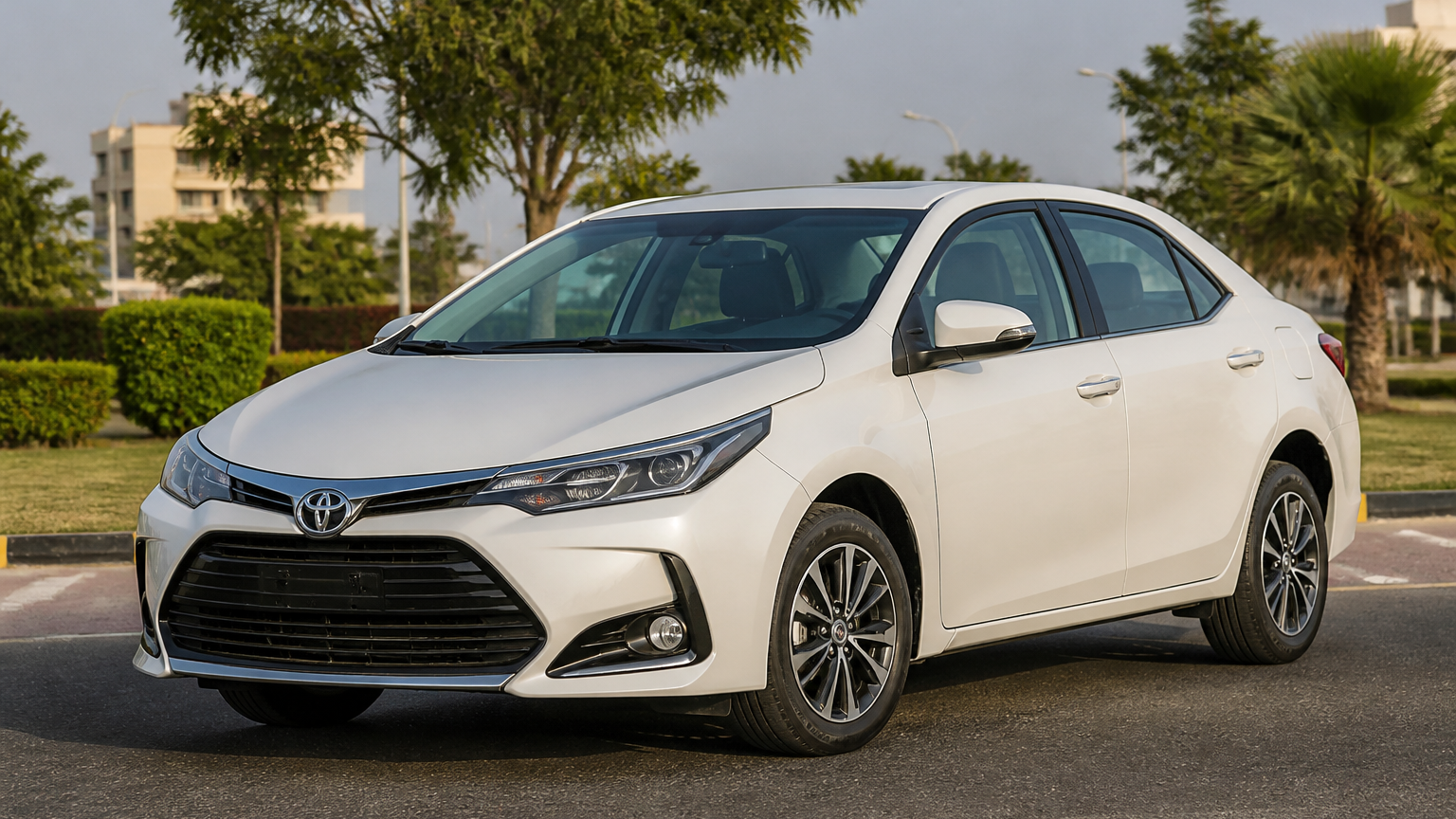
Toyota Corolla Discontinued Before Pakistan Facelift
Pakistan’s pre-facelift Toyota Corolla is reportedly discontinued, hinting at a facelift. Prices, bookings, specs and launch timing remain unconfirmed.
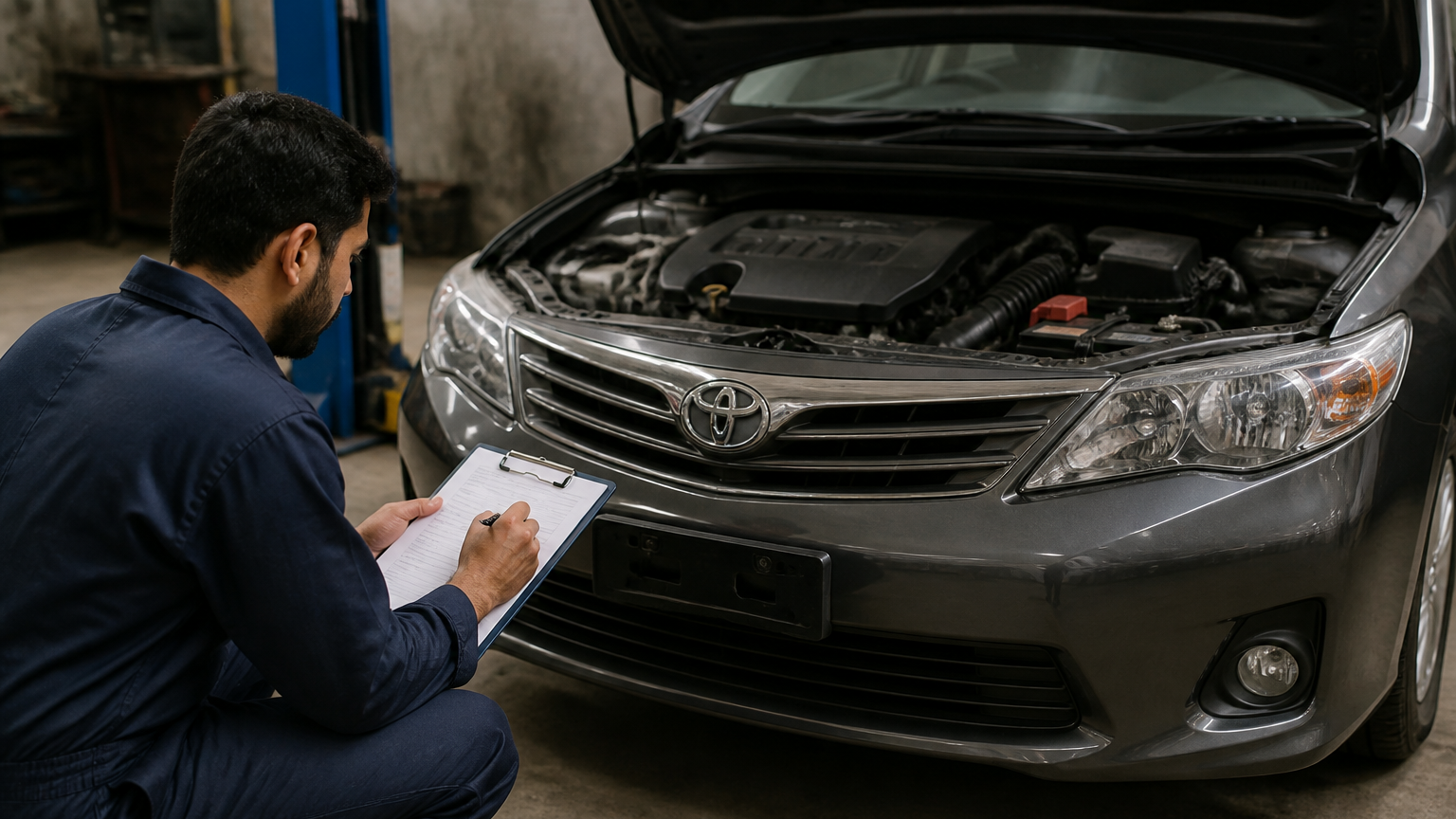
DrivePK Car Inspection Reports: Buy with Confidence
Buying a used car in Pakistan? A pre-purchase inspection can reveal hidden damage, engine issues and red flags before you pay—but it’s not enough alone.
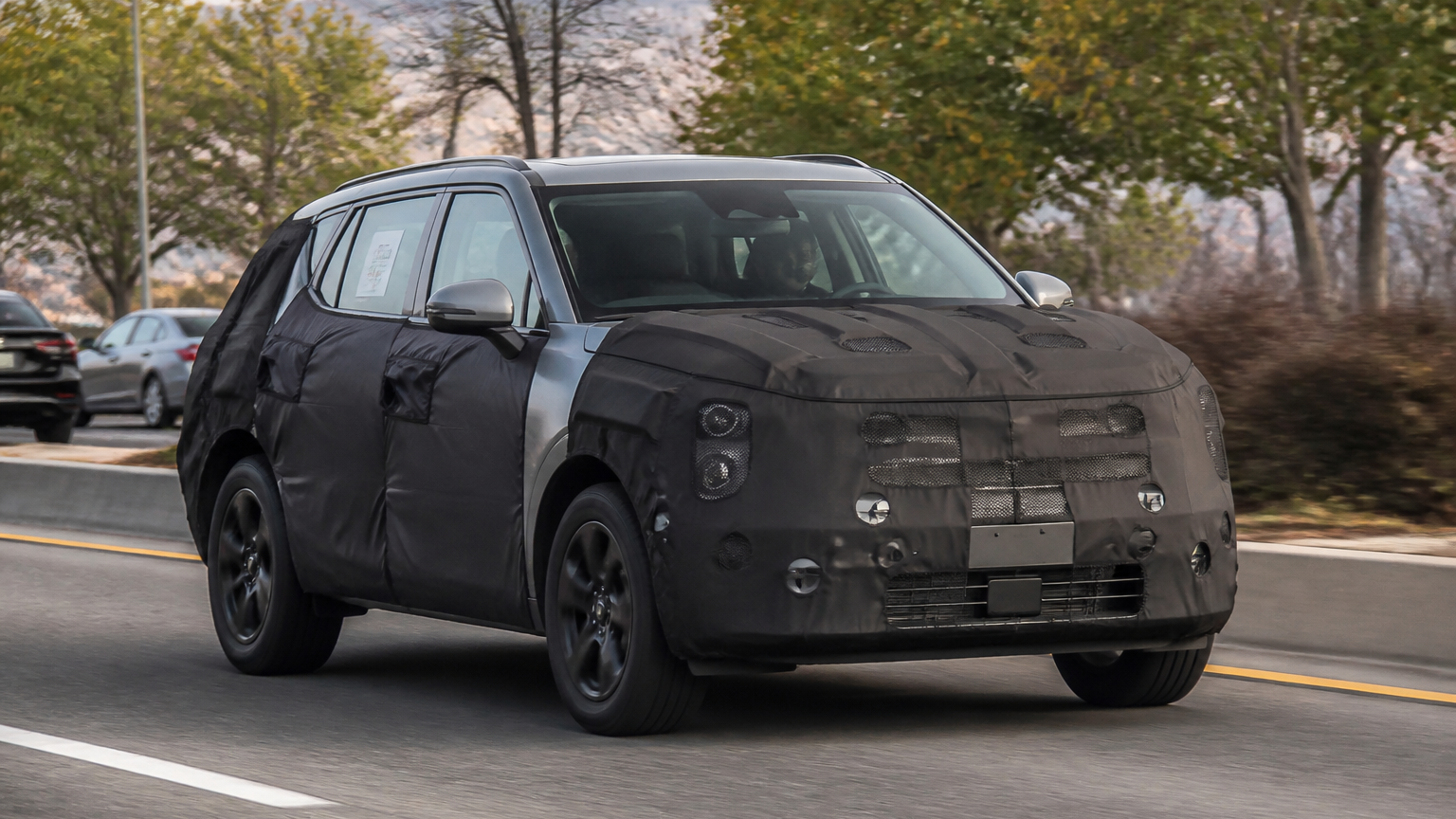
2028 Kia Sportage: Major Design Changes Spotted
Kia’s next Sportage may get a bolder, boxier redesign, with an upright profile, sharper lines, wider grille and split headlights hinted by spy shots.