Pakistan Vehicle Registration: Why Rules Must Unify
Moving a car across Pakistan is easy; moving its paperwork isn't. Punjab offers re-registration, but patchy provincial systems keep drivers stuck.
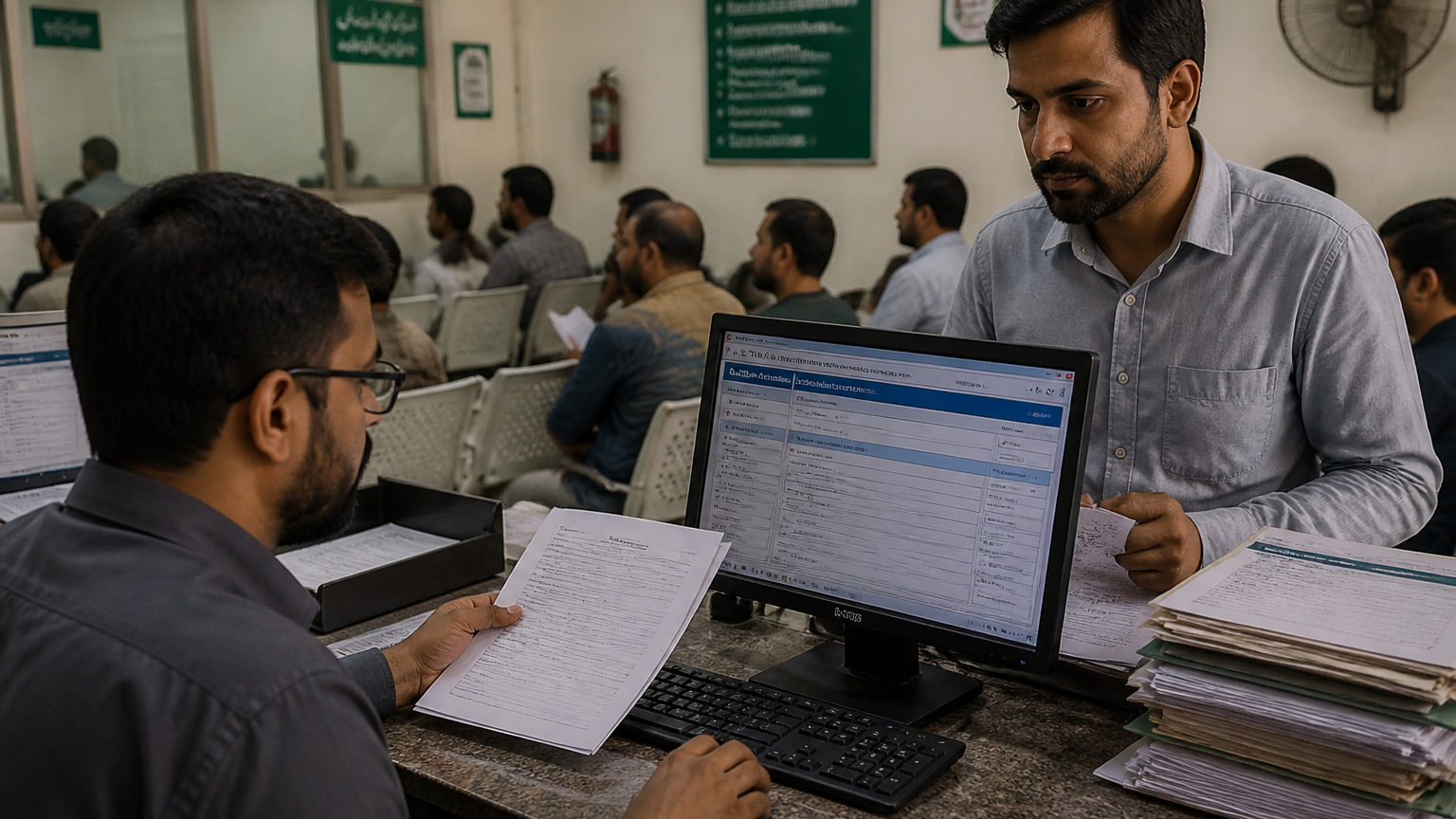
A move from Karachi to Lahore should not turn into a paperwork battle, but for many motorists in Pakistan, it still does. A car can cross provincial borders in a day, yet its registration, tax record and ownership file may remain stuck in the old system for months or longer.
That gap is now more visible because Punjab has opened a route for interprovincial re-registration, while other provinces still handle the same issue in different ways. The result is a confusing setup for drivers, excise offices and enforcement teams.
Punjab has a process, but it still depends on other provinces
Punjab Excise introduced a re-registration facility for vehicles brought from other provinces. The process requires the original registering authority’s NOC, a vehicle clearance certificate, original registration documents, police verification, biometric verification and the relevant charges.
But this is where the plan often slows down. Punjab’s system still depends on the province that first issued the registration. If that authority does not provide the needed NOC, the transfer cannot move forward.
That problem has already shown up in practice. In the period covered by the reported case from Rawalpindi Division, no interprovincial re-registration had been processed there.
Sindh law already talks about interprovincial transfers
The Sindh Law Department’s version of the West Pakistan Motor Vehicles Ordinance, 1965, is important here. It does not ignore the issue of vehicles moving between provinces.
Section 29 recognises valid registrations issued by other competent authorities. Section 30 allows a new registration number and transfer of records between registering authorities. Section 31 covers changes of address, and Section 35 deals with cancellation when a vehicle is permanently removed from the province.
So the legal framework is not as empty as many motorists assume. The bigger problem is that the law and the on-ground process do not line up. Punjab’s current NOC-style requirement is not clearly spelled out in the same form in Sindh’s rules, and that leaves room for delay and confusion.
Another issue is the 12-month rule in Section 30. If a vehicle registered outside Sindh stays there for more than 12 months, it should be re-registered. But without linked databases, it is hard to prove where a car is actually being kept.
Disconnected databases also weaken enforcement
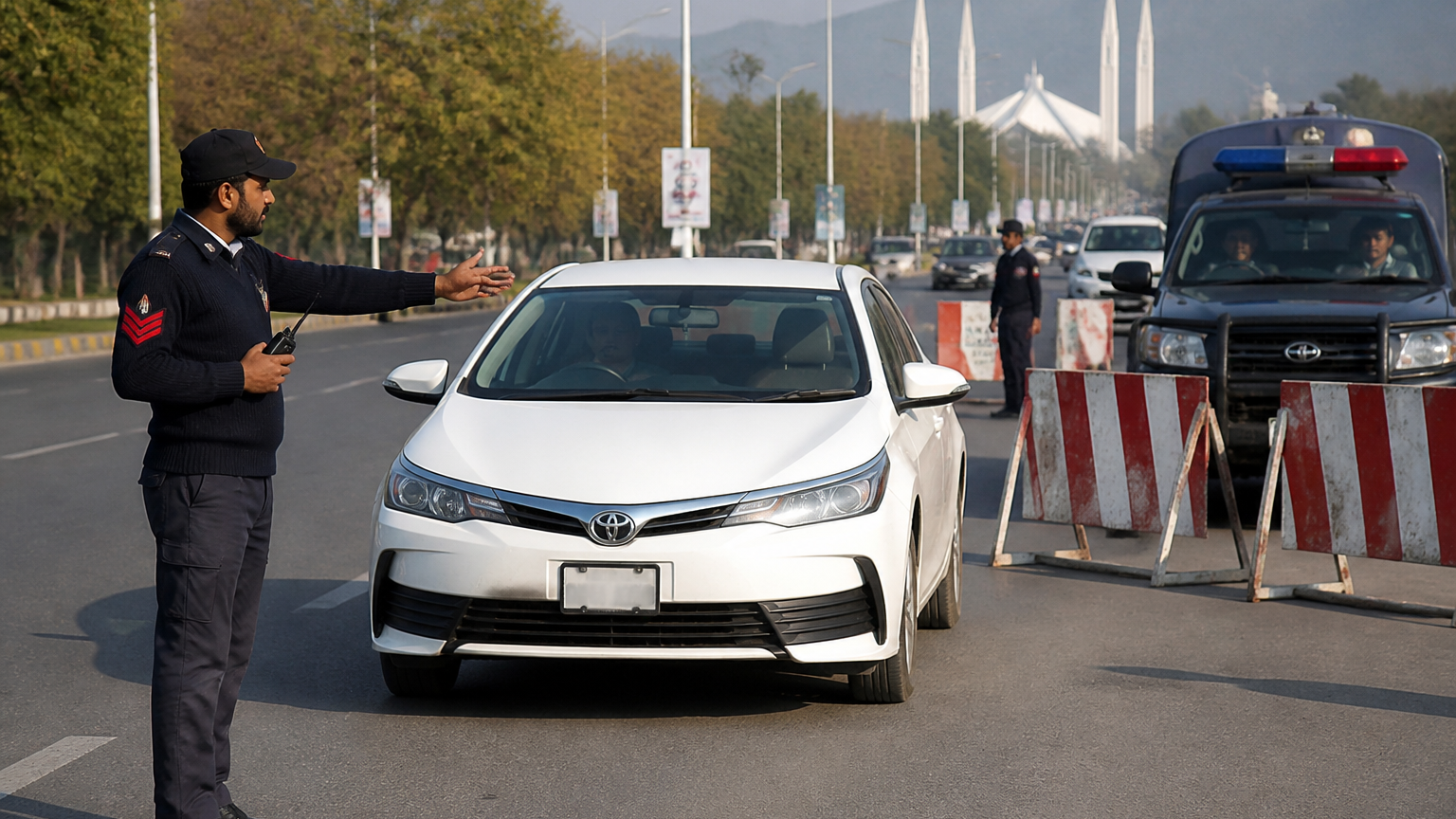
This is not only a registration issue. It also affects Safe City systems, e-challans and stolen vehicle checks.
A vehicle camera can catch a number plate, but if the enforcement system cannot quickly access the correct provincial record, identifying the owner becomes harder. Auditor General findings reported in July 2026 pointed to incomplete database integration between Islamabad Safe City and provincial registration systems. Islamabad and Punjab were linked, but connections with Sindh, Khyber Pakhtunkhwa, Balochistan, AJK and Gilgit-Baltistan were still incomplete.
That creates problems in real life: stolen vehicle tracing, ownership checks, accident probes and unpaid challans can all get stuck.
Tax records can also fall out of sync
The issue does not stop at registration. A car that is permanently used in one province but still registered in another can leave one government providing roads and policing while another keeps collecting recurring tax.
That can also create duplicate demands if the registration file is shifted but tax records are not updated at the same time. In simple terms, a car may be treated as a tax matter in two places at once.
This is why separate rules across provinces keep producing the same headache. They also encourage motorists to look for the cheapest place to register, especially for imported vehicles and expensive SUVs.
For background on how provincial tax deadlines and token tax updates affect owners, see Punjab Vehicle Token Tax Deadline Set for Nov 30 and Punjab Token Tax: 50% Fine Warning Before Nov 30.
What motorists need now
Until the provinces agree on one clear system, drivers should keep every document ready before moving a vehicle permanently: registration papers, tax receipts, clearance certificates, sale papers and biometric records. They should also check both the origin and destination Excise offices before assuming the transfer will be simple.
Pakistan does not just need more digitisation. It needs the provinces to speak to each other. Without that, motorists will keep facing different rules for the same car, depending on which side of the border they are on.
Explore DrivePK services
Buying or selling a vehicle? Explore DrivePK services, including car inspection, Sell It For Me and Featured Listings, and choose the option that fits your needs.
For more updates, visit DrivePK.com
Share this article
About the author

Dr Khan
Automotive expert and content strategist
Comments (0)
Sign in required
Sign in to comment on this article.
No comments yet. Be the first to share your thoughts!