Pakistan Vehicle Import Rules 2025. New Requirements, Restrictions & Impact on Overseas Pakistanis
Pakistan has tightened vehicle import rules by ending the Personal Baggage scheme and raising the overseas stay requirement to three years for the Transfer of Residence scheme. With stricter safety and environmental standards, overseas Pakistanis now face tougher conditions when importing cars under the updated ECC policy.
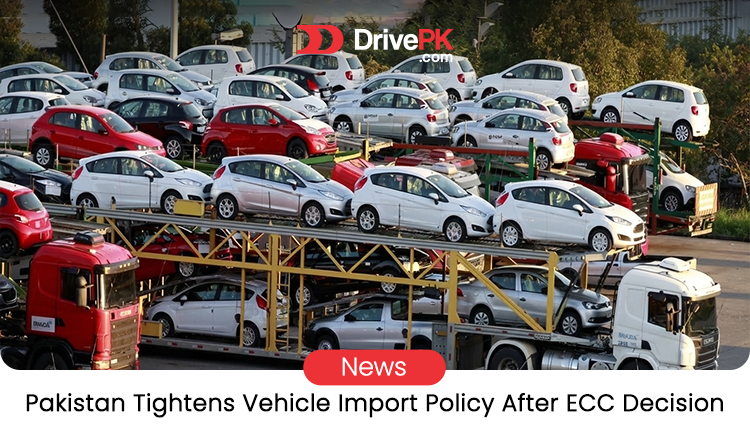
Table of Contents
- Key Changes to Vehicle Imports
- Why Make These Changes Now?
- How This Affects Overseas Pakistanis
- Petroleum Margins Get a Boost
- Conclusion
If you're an overseas Pakistani thinking about shipping your car back home, brace yourself. The rules just changed, and not in a small way. Pakistan's Economic Coordination Committee (ECC), chaired by Finance Minister Muhammad Aurangzeb, approved these updates earlier this week. They aim to curb misuse and align with international commitments. But for many, it means extra hurdles.
The changes hit hard on personal imports. Gone is the Personal Baggage scheme, which allowed Pakistanis abroad for at least 180 days to bring in vehicles easily. Now, only two options remain: the Transfer of Residence scheme and the Gift scheme. And even those come with stricter terms.
Key Changes to Vehicle Imports
First off, the overseas stay requirement jumps from two years to three years for the Transfer of Residence scheme. That's a big shift. It used to be around 700 days, but now you need a full three years abroad to qualify. Plus, once the car arrives in Pakistan, you can't sell or transfer it for one year. Before, it was two years in some cases, but this locks it down tighter.
All personal imports must now match the safety and environmental standards of commercial ones. No more slipping in older models that don't meet emission rules. The government wants cleaner air and safer roads. Vehicles older than three years? Likely out. This follows promises made during IMF talks to stop loopholes that let people dodge taxes or import junk.
The Gift scheme stays open, but expect scrutiny. You can still send a car as a gift, but it has to follow the new standards. These rules won't kick in until the official Statutory Regulatory Order (SRO) drops. So, if you're planning a shipment, watch for that announcement.
Why Make These Changes Now?
Pakistan's economy has been under pressure. IMF loans come with strings, and one is tightening import controls. Misuse was rampant people using baggage schemes to bring in luxury cars without paying full duties. This drained foreign reserves and hurt local auto makers.
Finance Minister Aurangzeb stressed fairness. He wants to protect the environment, too. Older cars pollute more, and with cities like Lahore choking on smog, cleaner imports make sense. But critics say it punishes honest expats who rely on these schemes to bring home reliable wheels.
And it's not just about cars. The ECC tied this to broader fiscal tweaks. They aim to stabilize the rupee and boost revenue. By limiting imports, Pakistan saves dollars needed for essentials like fuel.
How This Affects Overseas Pakistanis
Picture this: You've worked abroad for years, saved for a decent car, and now want to bring it back. Under old rules, a six-month stay might have sufficed for baggage. No more. Three years minimum means fewer qualify.
Resale takes a hit too. That one-year hold? It could drop values if you need cash quickly. Families gifting cars face the same checks. Environmental standards might block favorites like older SUVs.
On the flip side, it levels the field. Local dealers might see more business as imports slow. But for expats in the Gulf or the UK, this adds paperwork and delays. Some might opt for buying new in Pakistan instead.
Costs could rise. Duties on compliant cars stay, but avoiding schemes means higher taxes. If you're affected, check with customs soon. Groups like the Overseas Pakistanis Foundation might offer guidance.
Petroleum Margins Get a Boost
The ECC didn't stop at cars. They approved higher margins for petroleum dealers and Oil Marketing Companies (OMCs). This covers petrol and high-speed diesel.
Details: An increase of up to 10%, split in half. The first part hits immediately about Rs 1.28 per liter extra. The rest depends on digitization efforts, like better tracking and invoicing. Dealers pushed for this, citing rising costs.
What does it mean for you? Pump prices might edge up. But it's not a full hike yet. The government ties the second half to tech upgrades, aiming for transparency. OMCs like PSO and Shell benefit, potentially improving services.
This follows dealer complaints about slim profits. With inflation biting, they needed relief. But consumers worry about fuel costs, already high. Watch for price notifications from OGRA.
Conclusion
These moves show Pakistan's push for discipline. Tighter imports protect the economy and environment. Higher margins keep the fuel sector running smoothly. But they add burdens for some.
If you're impacted, stay informed. The SRO will clarify timelines. Talk to experts or join expat forums for tips. In the end, these changes aim for long-term gains, even if they sting now.
Finance Minister Aurangzeb leads this charge, balancing IMF demands with local needs. Will it work? Time tells. For now, plan accordingly if cars or fuel factor into your life. For more updates, visit DrivePK.com
Tags
Share this article
About the Author

Najeeb Khan
Automotive enthusiast and writer
Comments (0)
Login Required
You need to be logged in to comment on this article.
No comments yet. Be the first to share your thoughts!
Related Articles
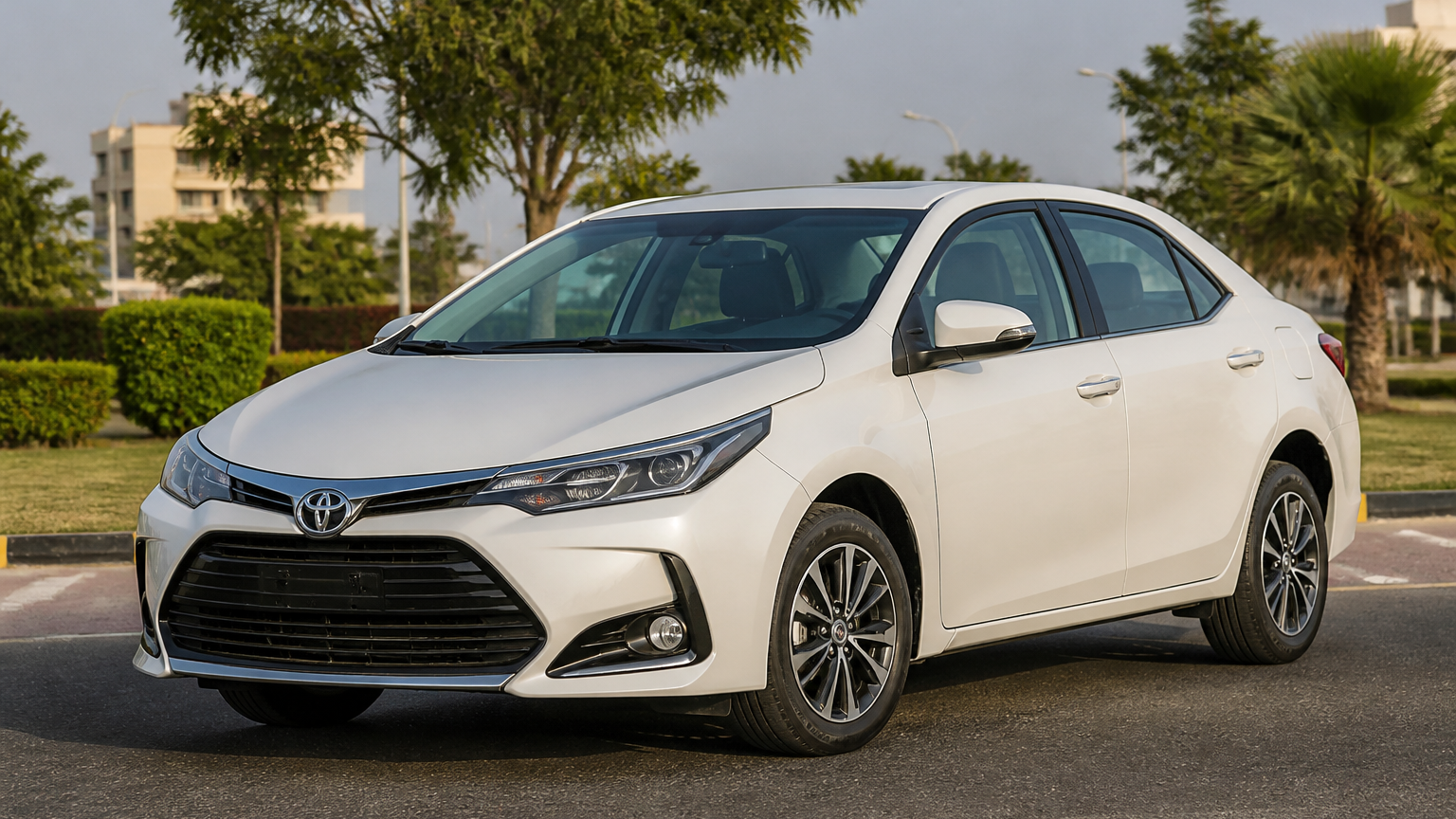
Toyota Corolla Discontinued Before Pakistan Facelift
Pakistan’s pre-facelift Toyota Corolla is reportedly discontinued, hinting at a facelift. Prices, bookings, specs and launch timing remain unconfirmed.
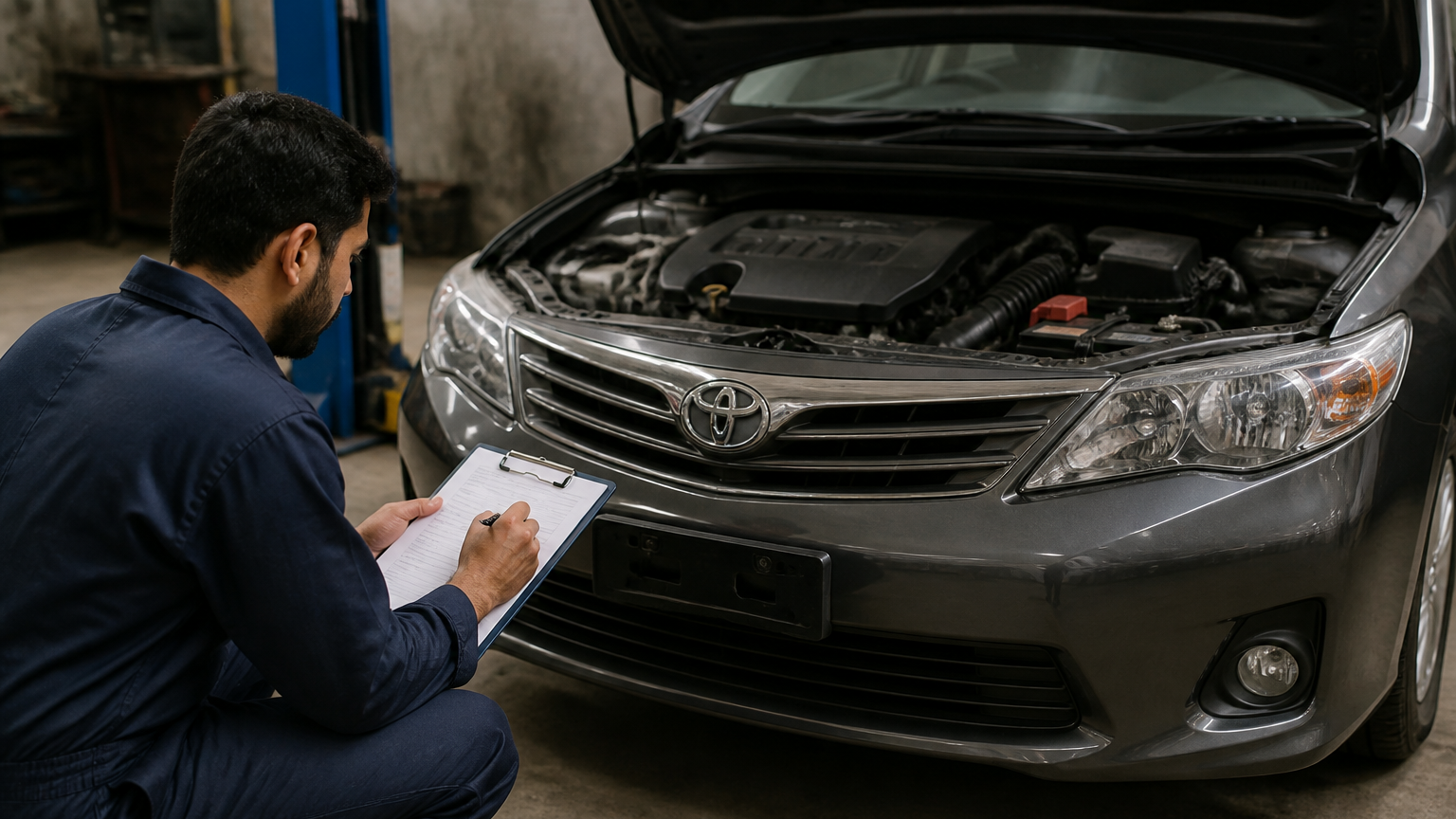
DrivePK Car Inspection Reports: Buy with Confidence
Buying a used car in Pakistan? A pre-purchase inspection can reveal hidden damage, engine issues and red flags before you pay—but it’s not enough alone.
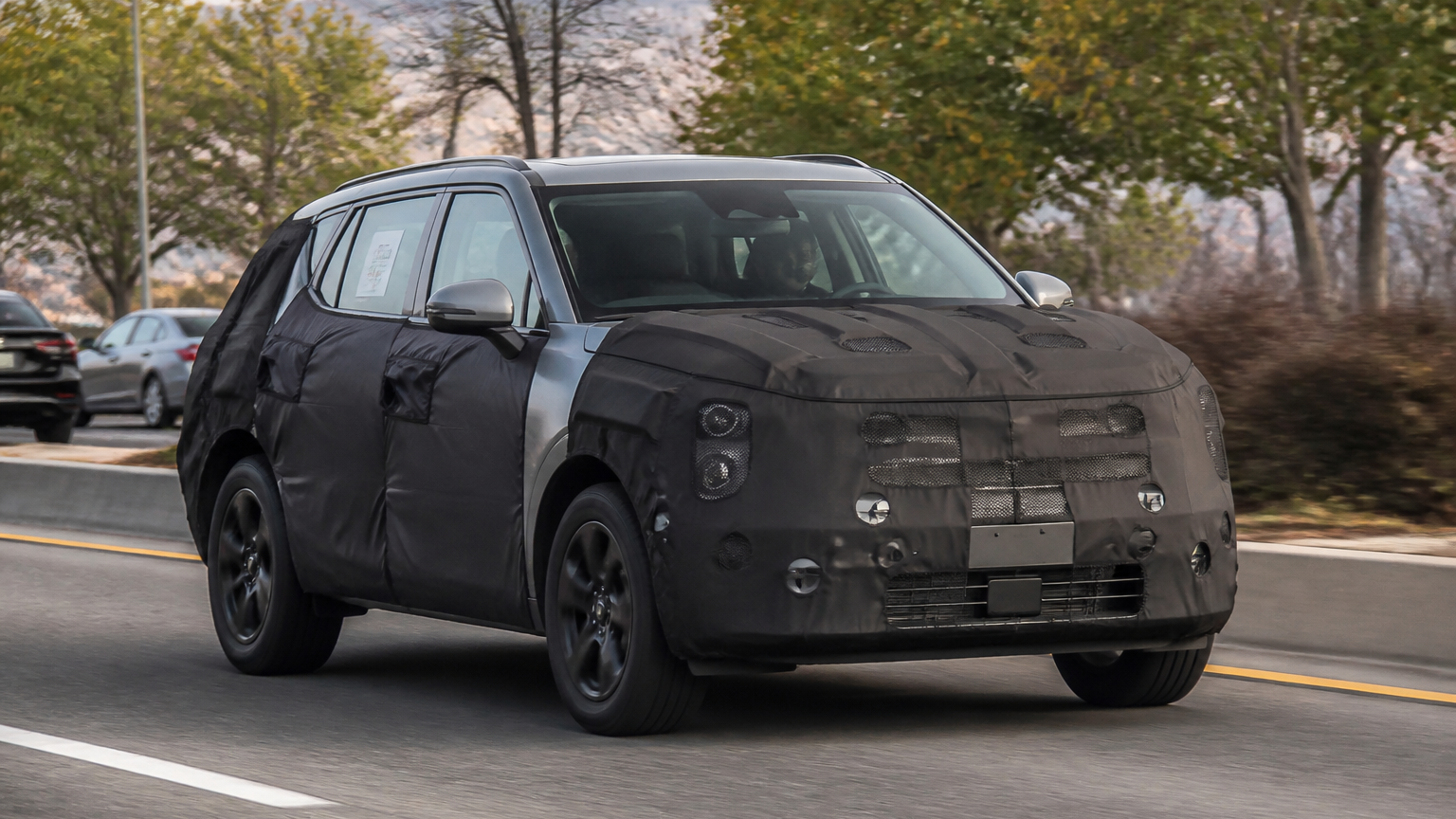
2028 Kia Sportage: Major Design Changes Spotted
Kia’s next Sportage may get a bolder, boxier redesign, with an upright profile, sharper lines, wider grille and split headlights hinted by spy shots.