Peshawar CNG Shutdown: Daily Life Comes to a Standstill
The ongoing CNG shutdown in Peshawar has left school vans parked and public buses charging higher fares. Students miss classes, parents scramble for rides, and daily commuters pay more just to get around. With stations closed for the second day straight, families already stretched thin are demanding quick government action.
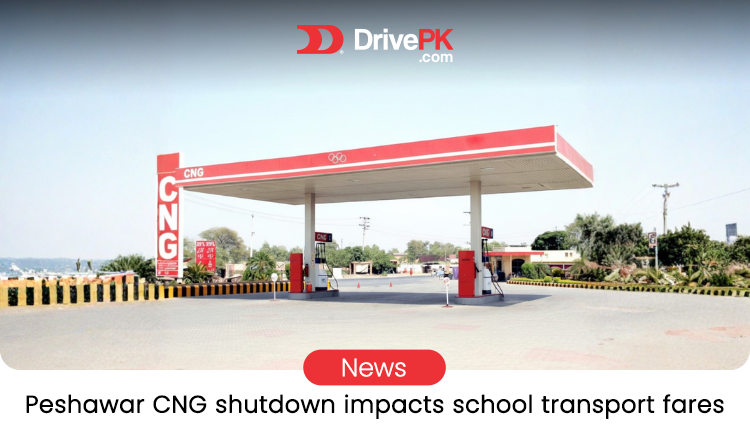
Table of Contents
- School Vans Stop Running, Kids Pay the Price
- Public Transport Fares Climb as Commuters Struggle
- Why Peshawar Faces This Crisis Again
- Families Feel the Financial Strain
- Residents Urge the Government to Act
- What Needs to Happen Next
- The Bigger Picture for Peshawar and KP
Peshawar woke up to another tough day on April 6, 2026. CNG filling stations stayed shut for the second day in a row because of an acute natural gas shortage. The closure hit hard across Khyber Pakhtunkhwa, but the provincial capital felt it the most. School vans stopped running. Public transport fares jumped. And ordinary people found themselves stuck between rising costs and no easy way to move.
This is not some distant problem. It touches students heading to class, parents managing tight budgets, and workers trying to reach their jobs. The Express Tribune and other local reports confirm the same story: most school operators parked their fleets rather than switch to expensive petrol. Public transporters who did switch passed the extra cost straight to riders.
School Vans Stop Running, Kids Pay the Price
Many Suzuki vans and buses that ferry children to school run on CNG. When stations closed, operators faced a simple choice. Fill up with petrol at nearly double the price or stay home. Most chose the second option.
Parents in areas like Gulbahar, University Road, and GT Road suddenly had to rearrange everything. Some drove their kids themselves. Others paid for expensive private rides. A few simply kept children at home. Attendance dropped, and the usual morning rush turned into confusion.
One school van owner told reporters he cannot afford petrol every day. “We run on thin margins,” he said. “Petrol will eat up whatever little profit we make.” His story is not unique. Across Peshawar, dozens of operators made the same call. The result? Thousands of students left without reliable transport.
And it does not end at the school gate. Parents who work worry about picking kids up on time. Some shift work hours or ask relatives for help. The ripple effect spreads through entire families.
Public Transport Fares Climb as Commuters Struggle
CNG powers a big chunk of Peshawar’s buses, wagons, and rickshaws. With no gas at the pumps, many drivers switched to petrol. The higher running cost meant one thing: higher fares.
Riders noticed the change immediately. A short trip that once cost a fixed amount now demands more. Daily commuters who rely on public transport for work or errands feel the pinch. Some wait longer because fewer vehicles operate. Others walk parts of their route to save money.
The timing makes it worse. Families already deal with rising living costs. Fuel prices have climbed before, and now this gas shortage piles on top. A worker earning modest wages might spend a larger slice of his pay just getting to and from the job. That leaves less for food, school fees, or bills.
Why Peshawar Faces This Crisis Again
Gas shortages are not new in Khyber Pakhtunkhwa. The province produces some natural gas, yet supply often falls short in peak seasons. Authorities sometimes give priority to household users over CNG stations. In March 2026, stations closed for three days around Eid to ease pressure on domestic supply. Similar moves happened earlier in January.
This time the shutdown came without much warning. Unannounced load-shedding of natural gas left stations dry. The Sui Northern Gas Pipeline Company manages the flow, and low inputs from fields add to the problem. Whatever the exact reason, the effect on the ground stays the same.
People wonder why a province with gas resources still runs short. The debate continues, but right now the focus is practical. How do we get through the next few days without transport grinding to a halt?
Families Feel the Financial Strain
Most households in Peshawar already watch every rupee. School fees, groceries, and utility bills take up a lot. Now transport costs rise without notice.
A parent who pays for two kids’ van fare suddenly faces either higher charges or the hassle of alternative arrangements. A daily commuter who spends Rs 200 on bus rides might see that jump to Rs 300 or more. Over a month, those extra rupees add up fast.
Small businesses that depend on cheap transport also suffer. Delivery boys, shopkeepers moving goods, and even roadside vendors feel the slowdown. The whole local economy takes a quiet hit when people move less and spend more on basics.
Residents Urge the Government to Act
People have started speaking up. Social media and local news show the same message: fix this quickly. Residents warn that a few more days of closures could push the transport system close to collapse.
They want clear answers. When will CNG stations reopen? Can authorities arrange temporary relief? Is there a plan to prevent these sudden shortages in future?
Some suggest better load management or investment in alternative fuels. Others simply ask for timely notice so families can prepare. The common thread is frustration mixed with hope that someone in power listens.
What Needs to Happen Next
Short term, the priority is restoring supply to CNG stations. Even partial reopening would help school vans and public buses get back on the road.
Longer term, the province needs steadier gas management. That could mean better storage, clearer priority rules between domestic and commercial use, or exploring other energy options for transport.
In the meantime, local administration could work with transporters to keep fares reasonable. Clear guidelines and quick checks might stop sudden spikes that hurt riders the most.
Parents and schools can also think ahead. Carpool groups, staggered timings, or backup plans make small differences when big systems fail.
The Bigger Picture for Peshawar and KP
Peshawar is a busy city full of students, workers, and traders. Reliable transport keeps it moving. When CNG shuts down, the city slows. Kids miss lessons. Workers lose wages. Families stretch budgets thinner.
This latest shutdown shows how one resource shortage touches every part of daily life. It is not just about fuel. It is about education, income, and peace of mind.
The good news is that people here are resilient. They adjust, they speak out, and they keep going. But resilience has limits. The government and gas authorities owe it to citizens to treat this as urgent. A few days of disruption is manageable. Weeks of it would be damaging.
Right now, the message from the streets is straightforward. Open the stations. Ease the pressure on families. And plan ahead so Peshawar does not face the same crisis next month or next winter. For more updates, visit DrivePK.com
Tags
Share this article
About the Author

Najeeb Khan
Automotive enthusiast and writer
Comments (0)
Login Required
You need to be logged in to comment on this article.
No comments yet. Be the first to share your thoughts!
Related Articles

Toyota Corolla Discontinued Before Pakistan Facelift
Pakistan’s pre-facelift Toyota Corolla is reportedly discontinued, hinting at a facelift. Prices, bookings, specs and launch timing remain unconfirmed.
DrivePK Car Inspection Reports: Buy with Confidence
Buying a used car in Pakistan? A pre-purchase inspection can reveal hidden damage, engine issues and red flags before you pay—but it’s not enough alone.

2028 Kia Sportage: Major Design Changes Spotted
Kia’s next Sportage may get a bolder, boxier redesign, with an upright profile, sharper lines, wider grille and split headlights hinted by spy shots.