Petrol Prices Drop from December 1: New Rates for Petrol and Diesel Announced
Pakistan has reduced petrol by Rs2 and diesel by Rs4.79 per litre from December 1. With new rates now effective, the bigger benefit comes from the diesel cut, which lowers transport costs and offers relief to households, farmers, and businesses across the country.
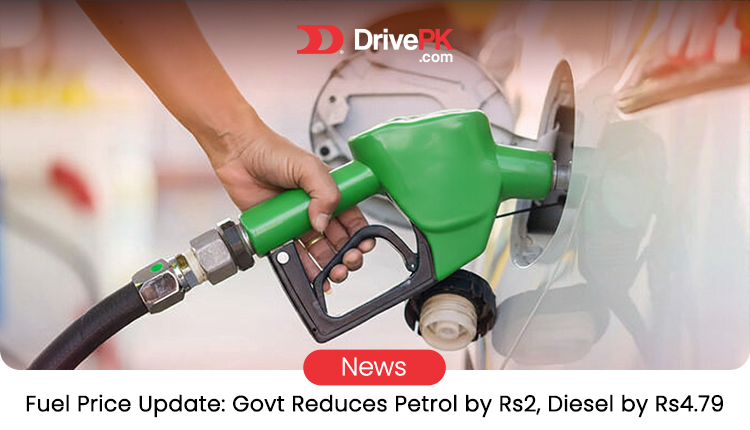
Table of Contents
- Diesel Cut Is Bigger, and That Actually Helps More People
- Relief for Middle and Lower Income Families
- The Tax Reality Nobody Talks About
- What Happens Next?
Finally, some good news at the pump.
The federal government has cut petrol price by Rs2 per litre and high-speed diesel by Rs4.79 per litre for the first half of December.
New rates effective from midnight tonight:
- Petrol: Rs263.45 per litre
- High-Speed Diesel: Rs279.65 per litre
The reduction is on OGRA’s recommendation and will remain in place until December 15.
Diesel Cut Is Bigger, and That Actually Helps More People
Most people notice petrol because they fill bikes and cars. But the bigger drop is on diesel, and that’s what really moves Pakistan.
Trucks, buses, trains, generators, water pumps, tractors, everything heavy runs on HSD.
When diesel gets cheaper by almost Rs5, transport companies pay less. That usually means lower freight charges in a few days. Which means vegetables, fruit, cement, clothes – everything that reaches your bazaar or home, should cost a little less soon.
Farmers filling tractors for wheat sowing right now will feel it immediately.
So yes, the Rs2 cut on petrol is nice for bike and car owners. But the diesel cut is the one that touches almost everyone’s pocket.
Relief for Middle and Lower Income Families
Bike walas, Uber/Careem drivers, small Suzuki pickup owners, these are the people who check prices every day.
Even Rs2 per litre saves money when you fill 15–20 litres twice a week. It adds up.
For families running on tight budgets, every rupee counts, especially with school fees, bills, and groceries all going up.
It’s not a huge drop, but it’s something. And right now, people will take whatever breathing space they can get.
The Tax Reality Nobody Talks About
Here’s the part most notifications don’t mention.
There is still ZERO GST on petrol and diesel.
But the government is collecting around Rs79–80 per litre through petroleum levy, climate levy, customs duty, and dealer margins.
That hasn’t changed.
In fact, petroleum levy collections have already crossed Rs1.16 trillion this fiscal year, and we’re only in the fifth month.
With monthly consumption of petrol + diesel touching 700,000 to 800,000 tonnes, that number is going to keep climbing.
So yes, prices came down a bit. But the government is still making record revenue from fuel.
What Happens Next?
Prices are revised every 15 days. If international oil stays around current levels and the rupee doesn’t fall further, we might see small cuts or stable prices in mid-December too.
But if oil shoots up or the dollar jumps, it can reverse quickly.
Bottom line: fill your tank today or tomorrow morning before stations update their boards. Every litre you buy at the old rate is money saved.
Small relief, but real relief.
And right now, that’s exactly what millions of Pakistanis need.For more updates, visit DrivePK.com
Tags
Share this article
About the Author

Najeeb Khan
Automotive enthusiast and writer
Comments (0)
Login Required
You need to be logged in to comment on this article.
No comments yet. Be the first to share your thoughts!
Related Articles
Toyota Corolla Discontinued Before Pakistan Facelift
Pakistan’s pre-facelift Toyota Corolla is reportedly discontinued, hinting at a facelift. Prices, bookings, specs and launch timing remain unconfirmed.
DrivePK Car Inspection Reports: Buy with Confidence
Buying a used car in Pakistan? A pre-purchase inspection can reveal hidden damage, engine issues and red flags before you pay—but it’s not enough alone.
2028 Kia Sportage: Major Design Changes Spotted
Kia’s next Sportage may get a bolder, boxier redesign, with an upright profile, sharper lines, wider grille and split headlights hinted by spy shots.