Petrol Prices in Pakistan to Drop from January 1, 2026: Details and Impacts
Good news for drivers in Pakistan: petrol prices could drop by Rs 10.60 per litre from January 1, 2026. High-speed diesel and other fuels will see cuts too. This short-term relief comes amid global oil trends, but longer-term levies might rise due to IMF agreements.
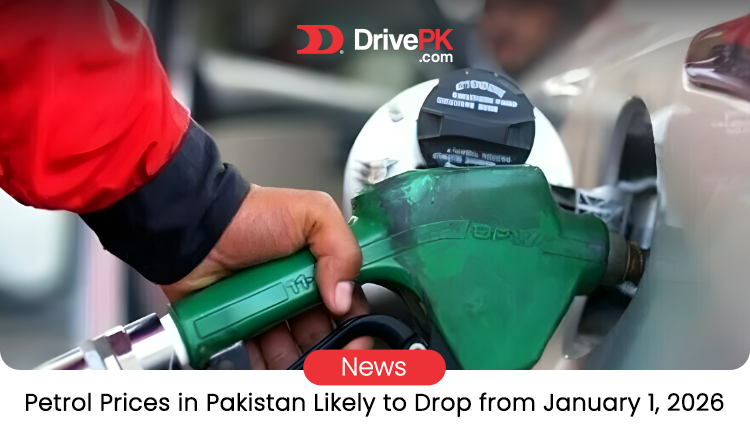
Table of Contents
- Why Are Prices Dropping Now?
- A Look Back at 2025 Fuel Prices
- How This Affects Everyday People
- The Economy's Broader Picture
- What’s Next? IMF and Future Levies
Pakistanis have been dealing with high fuel costs for a while now. But there's some relief coming soon. From January 1, 2026, petrol prices are expected to go down. This change could ease things for many people who rely on vehicles every day.
The government plans to cut petrol by Rs 10.60 per litre. That would bring it from Rs 263.09 to Rs 252.49 per litre. High-speed diesel might drop by Rs 8.59, landing at Rs 259.21. Light diesel oil could see a Rs 6.62 reduction, and kerosene oil by Rs 8.92. These adjustments are for the next two weeks.
OGRA, the Oil and Gas Regulatory Authority, will send its suggestions to the Petroleum Division on December 31, 2025. Then, the Prime Minister will give the final nod. If approved, this will kick in right at the start of the new year.
Why Are Prices Dropping Now?
Fuel prices in Pakistan don't change on a whim. They follow global trends. Right now, international oil prices are falling. That's the main reason for this cut. Crude oil costs less because demand is slowing in places like Asia and Europe. Geopolitical issues have calmed a bit, too, which helps keep prices stable.
The exchange rate matters a lot. Pakistan imports most of its oil, so a steady rupee against the dollar keeps costs down. Without big swings in currency, local prices can reflect global drops more directly.
Taxes and levies play a role, but this time they're not pushing prices up. The government adjusts every fortnight based on these factors. It's a way to balance the budget while responding to market shifts. And lately, the math points to lower rates.
But fluctuations aren't new. Prices go up when global oil spikes or the rupee weakens. Customs duties and freight costs can add to the bill, too. This decrease is a welcome break from that pattern.
A Look Back at 2025 Fuel Prices
To understand this change, let's review last year. 2025 saw a mix of ups and downs in petrol prices. In January, petrol was around Rs 252.66 per litre. By July, it jumped by Rs 8.36 due to IMF-related adjustments and currency issues.
October brought some relief with a Rs 5.66 drop, thanks to lower global demand. But then, prices rose again in November and December. By mid-December, petrol hit Rs 263.09.
Diesel followed a similar path. High-speed diesel went up by Rs 11.37 in July, then eased later. These shifts show how tied Pakistan's economy is to world events. Oil imports make up a big chunk of expenses, so any global ripple hits here hard.
Over the year, the average petrol price was about Rs 155.58 per litre from early 2016 to late 2025, but recent months pushed it higher. The pattern? Prices often rise with taxes or international hikes, then dip when things cool off.
How This Affects Everyday People
Lower fuel prices mean more money in pockets. For drivers, a Rs 10 cut saves on commutes and trips. Families might spend less on transport, leaving room for other needs like food or school fees.
But it's bigger than that. Cheaper diesel helps truckers and farmers. Goods move at lower costs, which can slow inflation. When fuel is pricey, everything from groceries to clothes gets more expensive because of higher shipping.
On the flip side, past increases have hurt. High prices squeeze budgets, especially for low-income households. Kerosene hikes affect cooking costs in rural areas. And when oil costs rise, it can lead to less spending overall, slowing the economy.
Consumers change habits, too. People drive less, switch to public transport, or even buy fuel-efficient cars. Businesses face higher costs, which might mean job cuts or price hikes for services.
This January drop could boost confidence. It might encourage more travel and shopping, giving a small lift to local businesses. But relief is short-term if global prices rebound.
The Economy's Broader Picture
Pakistan's economy feels fuel changes deeply. As an oil importer, low prices help the trade balance. Less spent on imports means more foreign reserves. That strengthens the rupee and fights inflation.
But high prices do the opposite. They fuel inflation, making life tougher. In 2025, petroleum levy collections hit records, adding to government revenue but burdening people.
The government uses these funds for budgets and debt. Yet, it creates a cycle: higher levies push prices up, hurting growth. Lower prices now might ease inflation, which has been a worry.
Agriculture suffers too. Diesel powers tractors and irrigation. Cheaper fuel means better crop yields and lower food prices. Transport sectors, like buses and taxis, benefit directly.
Overall, this cut could add to economic stability. But volatility remains a risk. Stable policies would help more than quick fixes.
What’s Next? IMF and Future Levies
This decrease is good, but don't expect it to last forever. Documents to the IMF show plans for higher petroleum levies. From July 2026, the climate support levy rises by Rs 2.5 per litre.
Levy collections are set to grow from Rs 1,468 billion in 2025-26 to Rs 2,212 billion by 2029-30. The goal? More revenue for debt and reforms.
The levy might hit Rs 85 per litre to raise Rs 540 billion extra. That's part of the IMF deals for economic support. While it helps the budget, it could mean higher prices later.
A carbon levy starts at 5 percent, rising to 20 percent by August 2026. These steps aim at sustainability but add costs.
So, enjoy the January relief. But watch for mid-2026 changes. Planning, like using efficient vehicles, could soften future blows.
In the end, fuel prices shape daily life in Pakistan. This drop offers a breather. Let's hope for more stable times ahead. For more updates, visit DrivePK.com
Tags
Share this article
About the Author

Najeeb Khan
Automotive enthusiast and writer
Comments (0)
Login Required
You need to be logged in to comment on this article.
No comments yet. Be the first to share your thoughts!
Related Articles
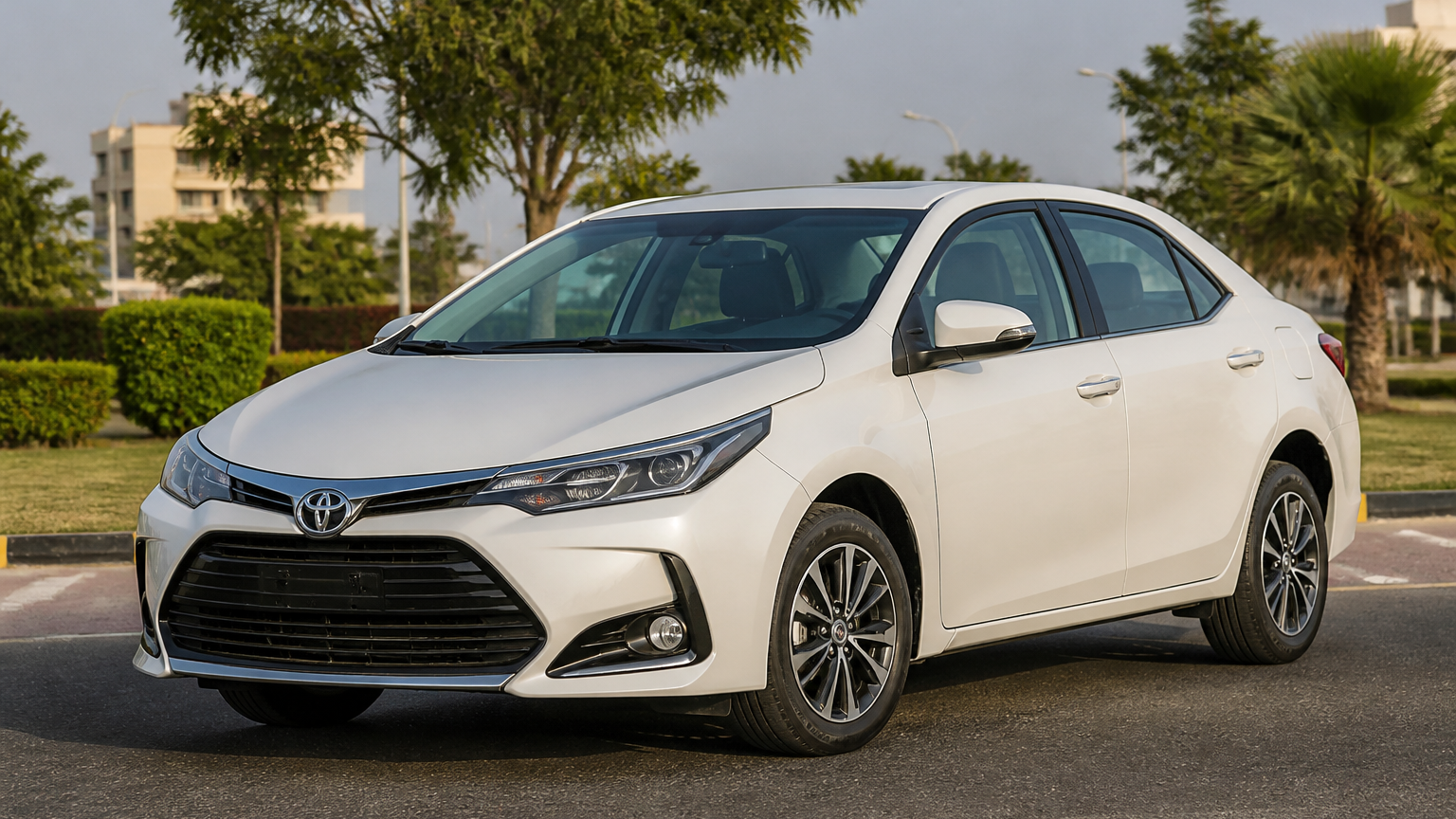
Toyota Corolla Discontinued Before Pakistan Facelift
Pakistan’s pre-facelift Toyota Corolla is reportedly discontinued, hinting at a facelift. Prices, bookings, specs and launch timing remain unconfirmed.
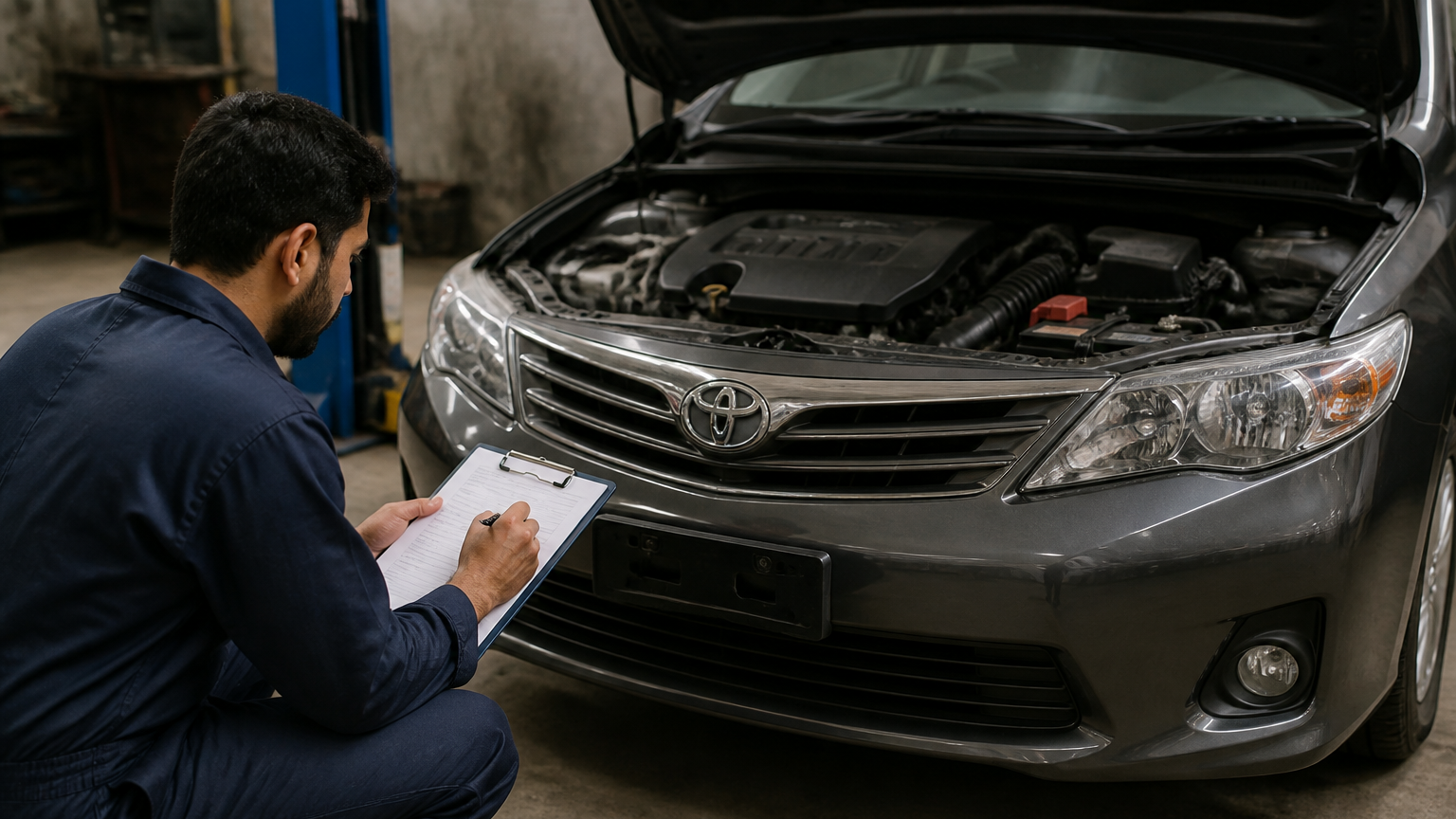
DrivePK Car Inspection Reports: Buy with Confidence
Buying a used car in Pakistan? A pre-purchase inspection can reveal hidden damage, engine issues and red flags before you pay—but it’s not enough alone.
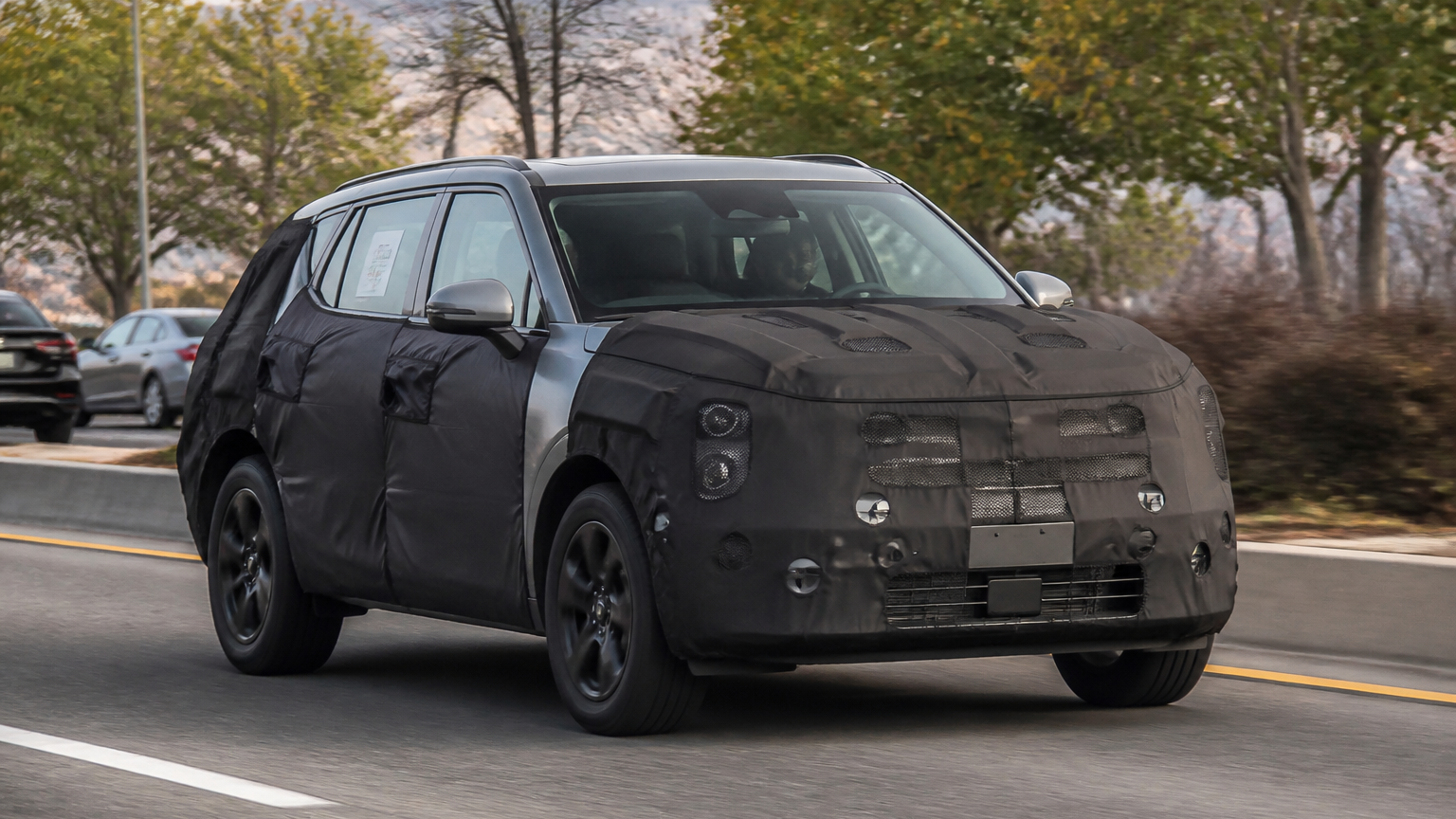
2028 Kia Sportage: Major Design Changes Spotted
Kia’s next Sportage may get a bolder, boxier redesign, with an upright profile, sharper lines, wider grille and split headlights hinted by spy shots.