Petrol Pump Owners Seek Monthly Fuel Pricing in Pakistan
Pakistan petrol pump owners seek monthly pricing to reduce losses, but approval isn’t confirmed. Follow official fuel notices, not social media.
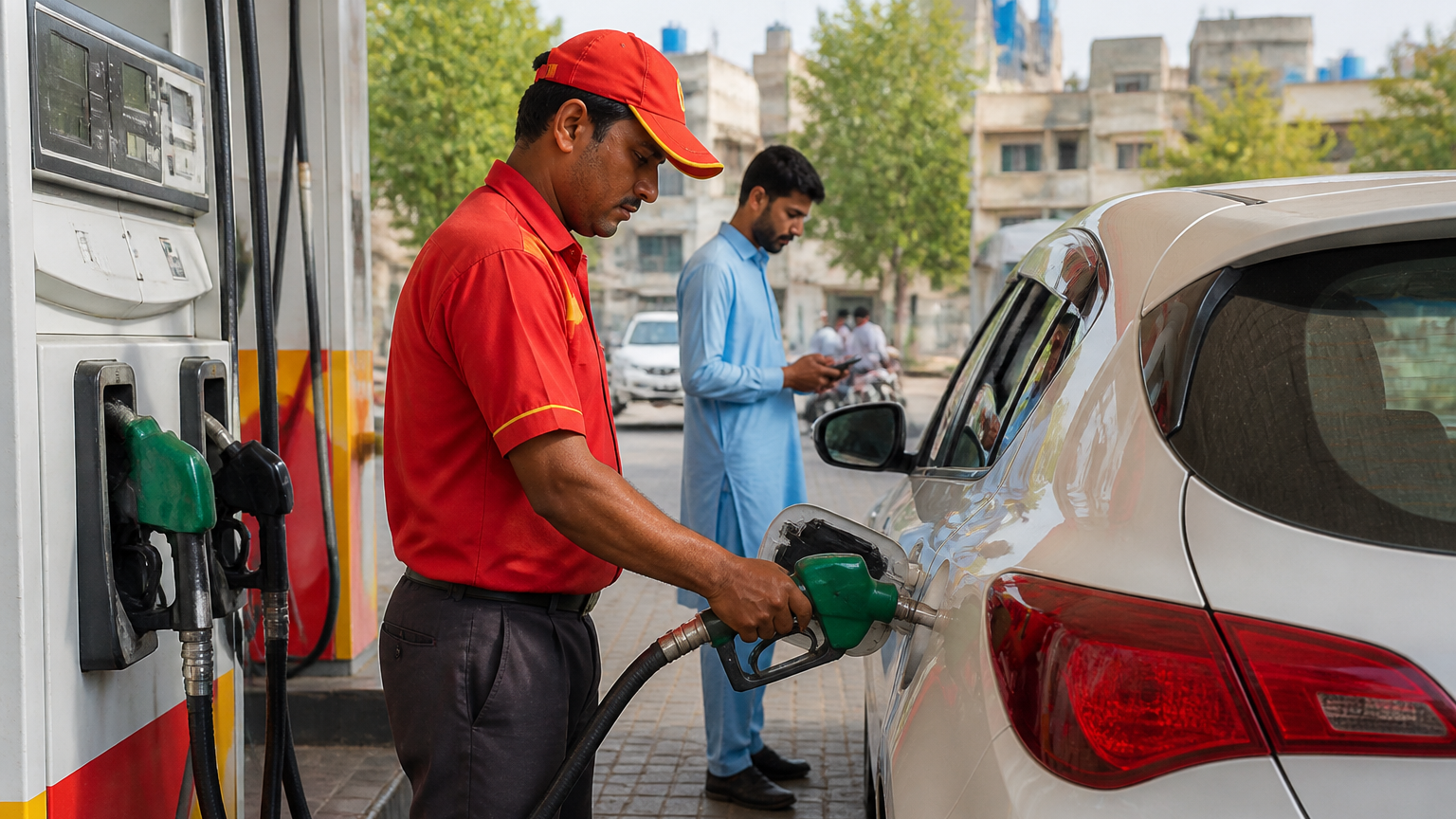
Table of Contents
- Why petrol pump owners want monthly fuel pricing
- How a lower price can hurt old stock
- What this could mean for motorists
- Has the government approved it?
- What drivers should do now
- Conclusion
- Explore DrivePK services
The All Pakistan Petrol Pump Owners Association has reportedly asked Prime Minister Shehbaz Sharif to move Pakistan’s fuel pricing to a monthly system instead of frequent revisions. The request is still just that — a request — and no government approval or launch date has been confirmed. For drivers, the key point is simple: keep following official fuel notifications, not social media chatter.
Why petrol pump owners want monthly fuel pricing
The push comes from a business problem that many station owners say they face when prices change often. A report shared on X by reportedly the association wants fewer price changes because petrol bought earlier can lose value if the official rate drops before that stock is sold.
That matters because a petrol station is not just a pump with a signboard. It has fuel in underground tanks, suppliers to pay, staff wages, electricity bills, and day-to-day running costs. When prices move again and again, owners have less room to plan.
This concern is not new in Pakistan’s fuel market. Drivers already watch every announcement closely, as seen in our earlier coverage of Pakistan Fuel Prices: Diesel Up Rs3.47, Petrol Down and Petrol Price Pakistan Falls Rs3, Diesel Rs7, where even small changes shaped how people budgeted for travel.
How a lower price can hurt old stock
The idea is easy to understand.
- A station buys petrol at the going rate and stores it in its tanks.
- Later, the government announces a lower selling price.
- The fuel already sitting at the pump may now have to be sold for less than the owner expected.
That creates inventory risk for the retailer. But the available reporting does not give a rupee loss per station, how much stock is held, or how many pumps are affected. So any exact loss figure would be guesswork.
What this could mean for motorists
For drivers, a monthly review sounds neat on paper. It may make household fuel spending easier to plan, especially for office commuters, ride-hailing drivers, and transport businesses that work on tight margins.
But there’s another side too. If global oil prices drop sharply after the monthly review date, people may have to wait longer for that cut to reach the pump. If prices rise quickly, the reverse could happen.
So this is not about cheaper fuel by default. It’s about how often the price is reset and how quickly changes are passed through.
Has the government approved it?
No confirmed approval has been established in the evidence now available.
The only supported claim is that the association’s request was reported publicly and directed at Prime Minister Shehbaz Sharif. There is no verified sign here of a government order, a Petroleum Division announcement, or an OGRA policy change introducing monthly pricing.
That means motorists should not treat monthly fuel pricing as current policy. The November 6, 2026 fuel prices — petrol at Rs352.59 per litre and High-Speed Diesel at Rs382.25 per litre — were a separate official revision and should be read as dated context, not proof of a new pricing system. For background on that update, see our report on Fuel Prices in Pakistan Oct 2025 | Petrol Rs. 268.68, Diesel Rs. 276.81, which explains how price announcements can shift over time.
What drivers should do now
Don’t refuel early just because a social media post says a new system is coming. Wait for an official notification from the government or OGRA before changing your plan.
If you need to travel long distance, keep a normal fuel reserve. But don’t hoard petrol at home or store it unsafely. The smartest move is still the boring one: buy fuel when your vehicle needs it, and check the next official update before making any budget assumptions.
Conclusion
Petrol pump owners are asking for monthly fuel pricing because frequent cuts can leave them holding fuel bought at a higher price. But that idea is still only a reported industry request, not an approved policy. For now, Pakistani motorists should watch for an official fuel-price notification and ignore claims that monthly pricing has already started. For more updates, visit a source report
Explore DrivePK services
Buying or selling a vehicle? Explore DrivePK services, including car inspection, Sell It For Me and Featured Listings, and choose the option that fits your needs.
For more updates, visit DrivePK.com
Tags
Share this article
About the Author

Dr Khan
Automotive Expert & Content Strategist
Comments (0)
Login Required
You need to be logged in to comment on this article.
No comments yet. Be the first to share your thoughts!
Related Articles
سندھ نے نمبر پلیٹس کے لیے 1.5 ارب روپے کی منظوری دے دی
سندھ نے نئی سیکیور گاڑیوں کی پلیٹس کے لیے 1.5 ارب روپے منظور کر لیے، جس سے تاخیر میں کمی آسکتی ہے—تاہم موٹرسائیکل سواروں اور ڈرائیورز کو فوری اجرا کی توقع نہیں رکھنی چاہیے۔
Sindh Approves Rs 1.5 Billion for Number Plates
Sindh approves Rs1.5bn for new secure vehicle plates, potentially easing delays—but motorists shouldn’t expect immediate issuance.
پاکستان میں 1,000cc کاروں کے لیے فیول سبسڈی زیرِ غور
ایندھن میں ریلیف 1,000cc تک کی کاروں تک بڑھ سکتا ہے، تاہم یہ تجویز ابھی حتمی نہیں۔ موجودہ امداد موٹرسائیکلوں، رکشوں اور 800cc تک کی کاروں کے لیے ہے۔