Pink Bus Service in Balochistan: Safe Travel for Women and Students
Balochistan Chief Minister Mir Sarfaraz Bugti has launched the Pink Bus service, a women-only initiative for safe travel. It aims to help women and students reach schools, jobs, and hospitals easily. The service will expand to more districts soon, supporting women's growth and progress.
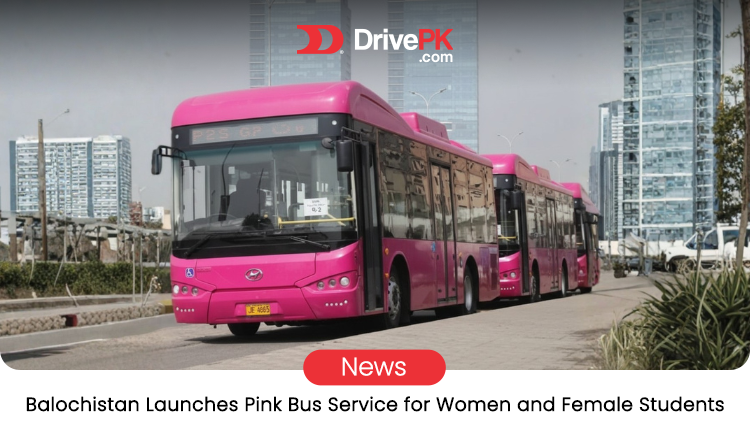
Table of Contents
- Why This Matters for Education
- Boosting Jobs and Health Access
- How the Service Works
- Challenges Ahead
- Looking to the Future
- Stories from the Ground
- Conclusion
Balochistan just got a bit safer for women on the move. Chief Minister Mir Sarfaraz Bugti kicked off the Pink Bus service. It's a bus line just for women and girls. No men allowed. This means safer rides to school, work, or the doctor.
I remember hearing stories from friends in other parts of Pakistan about crowded buses. Women often feel uneasy there. In Balochistan, things can be even tougher. Long distances, rough roads, and old customs sometimes keep girls at home. But this new service changes that.
The buses are pink for a reason. They stand out. And they signal something important: women matter here. Bugti said it's not a short-term thing. These buses will run every day, all year. That's a promise from the government.
Why This Matters for Education
Think about a girl in a remote village. She wants to go to college in Quetta. But how? Public transport feels risky. Taxis cost too much. Many families say no because of safety worries.
Now, with Pink Buses, that changes. Girls can hop on without fear. Bugti pointed out how this helps education. More girls in school means smarter communities. And it fights back against ideas that say women should stay home.
I've seen this in other places. In Lahore, similar services helped more women finish degrees. Balochistan needs that boost. Literacy rates for women here lag. This bus could help close the gap.
The service starts in key areas. But phase two expands it. Soon, buses might roll into districts like Zhob or Gwadar. That opens doors for thousands.
Boosting Jobs and Health Access
It's not just about school. Women need jobs too. Many work in teaching, nursing, or small businesses. But getting there safely is key.
Pink Buses make that easier. A woman can commute without hassle. That means more income for families. And stronger economies in the province.
Health is another big win. Clinics and hospitals are often far away. Women delay check-ups because of transport issues. Now, they can go alone or with kids, feeling secure.
Bugti talked about the government's push for women in all fields. From farming to tech, opportunities are growing. This bus supports that. It's a tool to build progress.
And it counters bad narratives. Some voices say education harms women. Bugti says no. These initiatives show the opposite. They promote growth and equality.
How the Service Works
The buses follow set routes. They connect homes to schools, offices, and markets. Drivers and staff are trained for safety. CCTV might be on board, I hope so.
Fares should be low. That way, everyone can afford it. Bugti didn't give details yet, but affordability is key in Balochistan.
Women I've spoken to love the idea. One said, "Finally, a space that's ours." Another added, "My daughter can study without me worrying all day."
The launch event was simple. Bugti cut the ribbon, spoke briefly, and the first bus rolled out. No big fanfare, just action.
Challenges Ahead
Nothing's perfect from day one. Balochistan has rough terrain. Roads need fixes. Buses must handle that.
Security is always a concern here. But women-only buses reduce some risks. Still, the government should add patrols or apps for tracking.
Funding matters too. Will it last? Bugti says yes, it's permanent. But budgets can shift. Women's groups should watch and push for more.
And what about transgender women? Or those with disabilities? The service should include them. Inclusivity makes it stronger.
Looking to the Future
This is just the start. Bugti hinted at more for women. Maybe skills training or loans for businesses. Transport is the foundation.
Other provinces watch Balochistan. If this works, it could spread. Sindh or Khyber Pakhtunkhwa might follow.
For now, Pink Buses roll in Quetta and nearby. Women board with smiles. It's a small change, but it feels big.
I think about my niece. She's smart and wants to be a doctor. This bus could take her there. That's why it excites me.
Balochistan grows when women thrive. Bugti gets that. His words ring true: these steps build a better province.
Stories from the Ground
Imagine Fatima, a student in Mastung. She walks miles to catch a ride. Now, a Pink Bus stops near her home. She arrives fresh, ready to learn.
Or Aisha, a nurse in a city hospital. Night shifts scared her. But a dedicated bus changes everything. She feels safe going home.
These aren't made-up tales. They're real possibilities. Women share them online and in chats.
The service also sparks talks. Families discuss education more. Men support it too. Change happens slowly, but it starts here.
Conclusion
The Pink Bus isn't a fix-all. But it's a solid move. Safe travel empowers women. It leads to better schools, jobs, and health.
Bugti's team deserves credit. They listened to needs. Now, they deliver.
If you're in Balochistan, try the bus. Share your story. It helps improve things.
And for outsiders, this shows progress. Balochistan steps forward, one bus at a time.For more updates, visit DrivePK.com
Tags
Share this article
About the Author

Najeeb Khan
Automotive enthusiast and writer
Comments (0)
Login Required
You need to be logged in to comment on this article.
No comments yet. Be the first to share your thoughts!
Related Articles
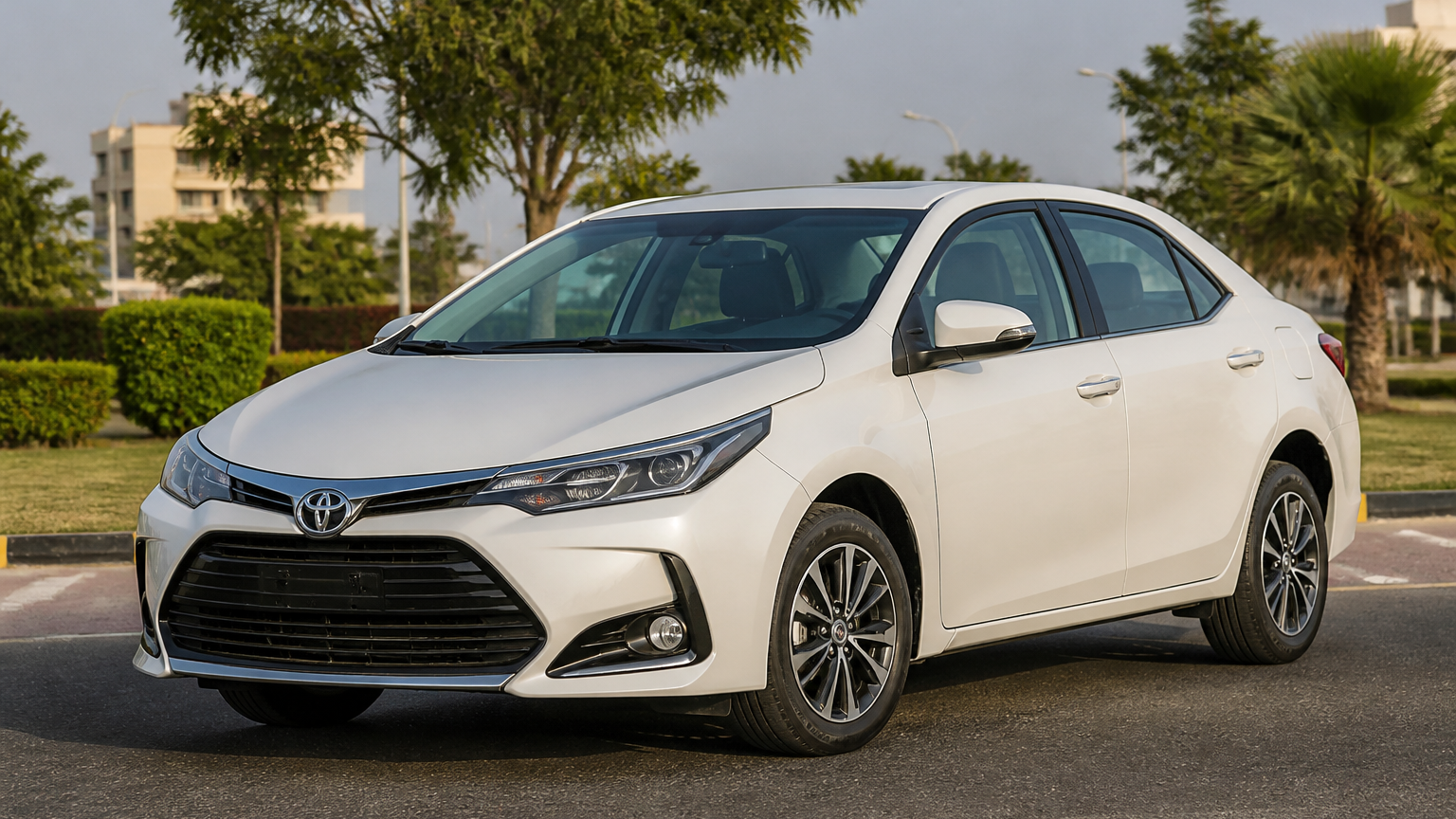
Toyota Corolla Discontinued Before Pakistan Facelift
Pakistan’s pre-facelift Toyota Corolla is reportedly discontinued, hinting at a facelift. Prices, bookings, specs and launch timing remain unconfirmed.
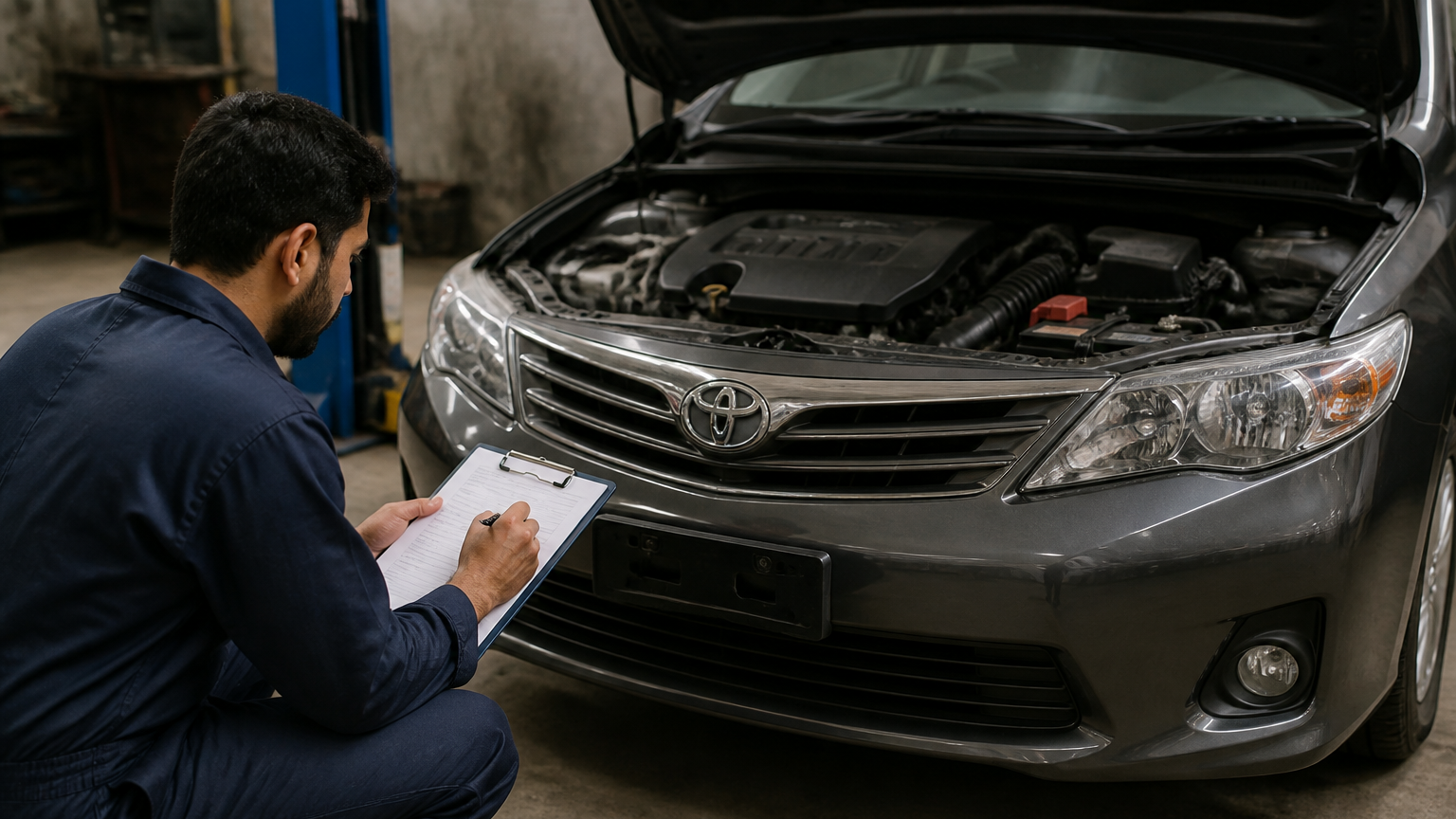
DrivePK Car Inspection Reports: Buy with Confidence
Buying a used car in Pakistan? A pre-purchase inspection can reveal hidden damage, engine issues and red flags before you pay—but it’s not enough alone.
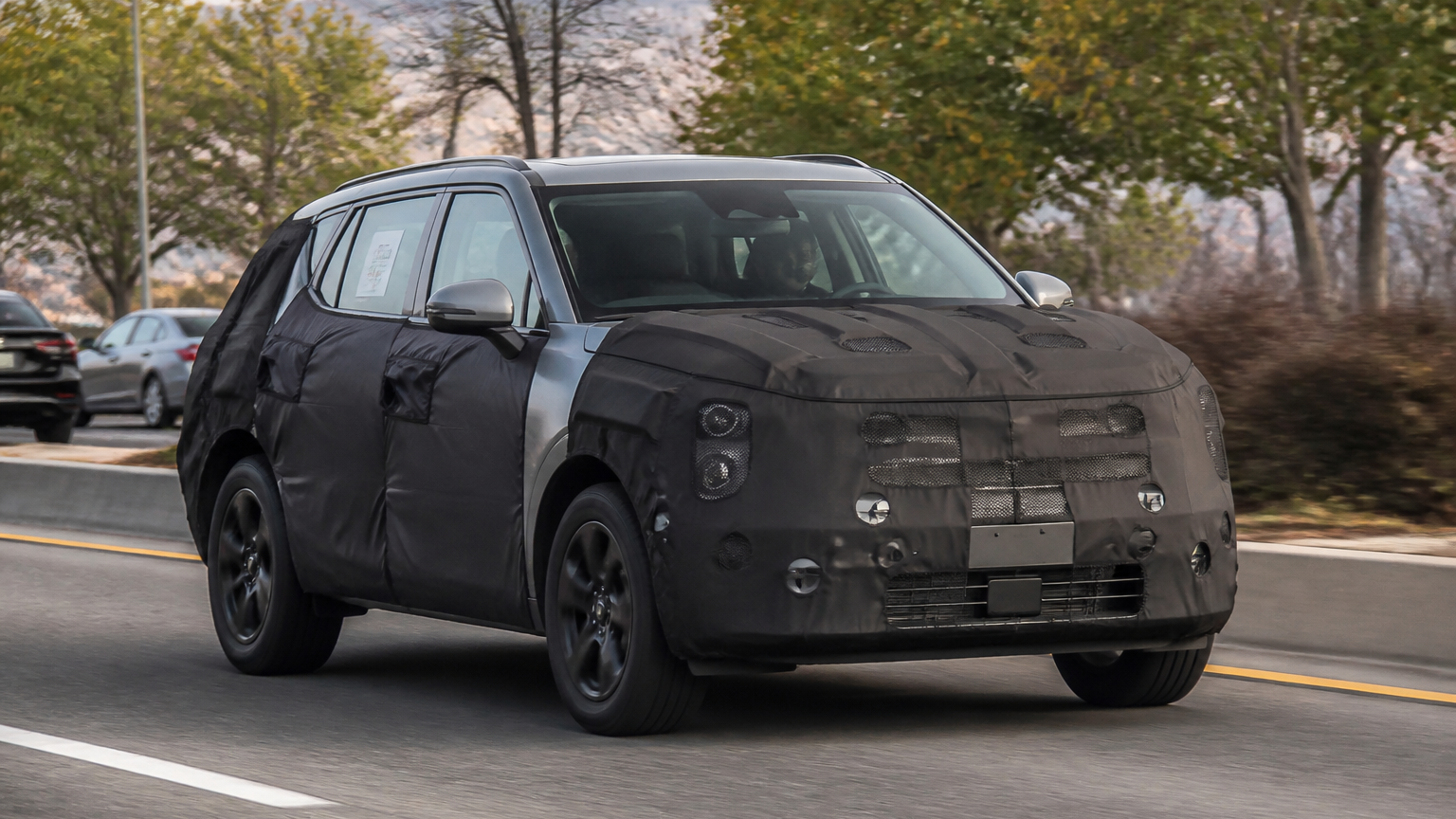
2028 Kia Sportage: Major Design Changes Spotted
Kia’s next Sportage may get a bolder, boxier redesign, with an upright profile, sharper lines, wider grille and split headlights hinted by spy shots.