PMA Introduces Women & Children Only Section on Rawalpindi-Islamabad Metrobus
The Punjab Masstransit Authority has added a dedicated partitioned area for women and children on the Rawalpindi-Islamabad Metrobus. Marked “Women & Children Only,” the section offers more privacy, comfort and safety during daily rides. It aims to create a calmer, more respectful space on one of the twin cities’ busiest routes.
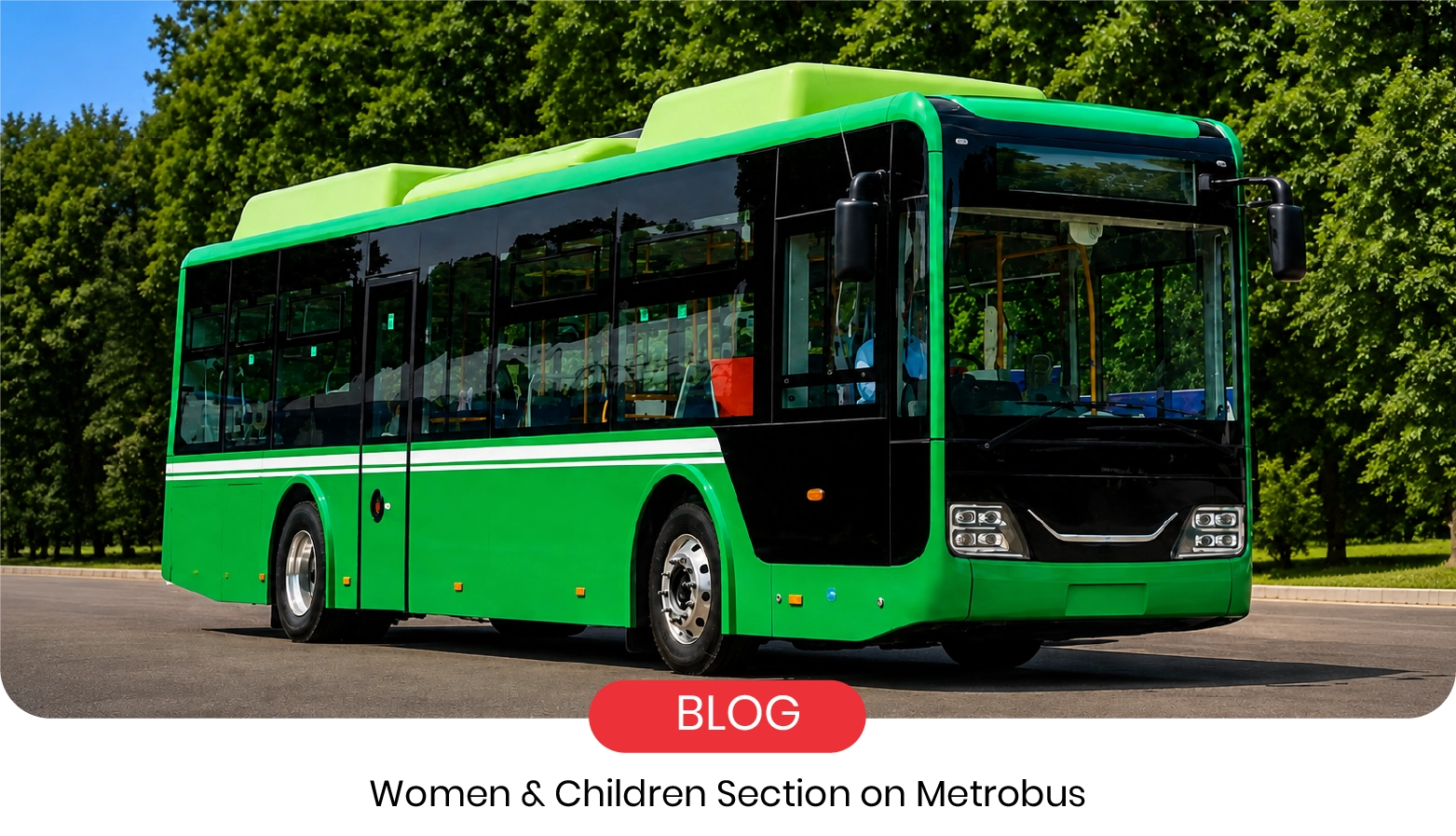
Table of Contents
- What the New Partition Looks Like
- Why This Change Matters
- How It Fits with Existing Service
- What Passengers Can Expect
- Broader Context of Women-Friendly Transport
- What Comes Next
Daily travel on the Rawalpindi-Islamabad Metrobus can feel crowded and unsettled. Women with children often look for a quieter corner. Many want clear space that feels private and safe. The Punjab Masstransit Authority has now taken a direct step to meet that need.
The authority has introduced a dedicated partitioned area marked “Women & Children Only.” The change applies to the Rawalpindi-Islamabad Metrobus System. Officials say the goal is greater privacy, comfort, organization and safety for female and young passengers.
This is a practical upgrade. It turns an existing women-friendly arrangement into a clearer, more protected zone.
What the New Partition Looks Like
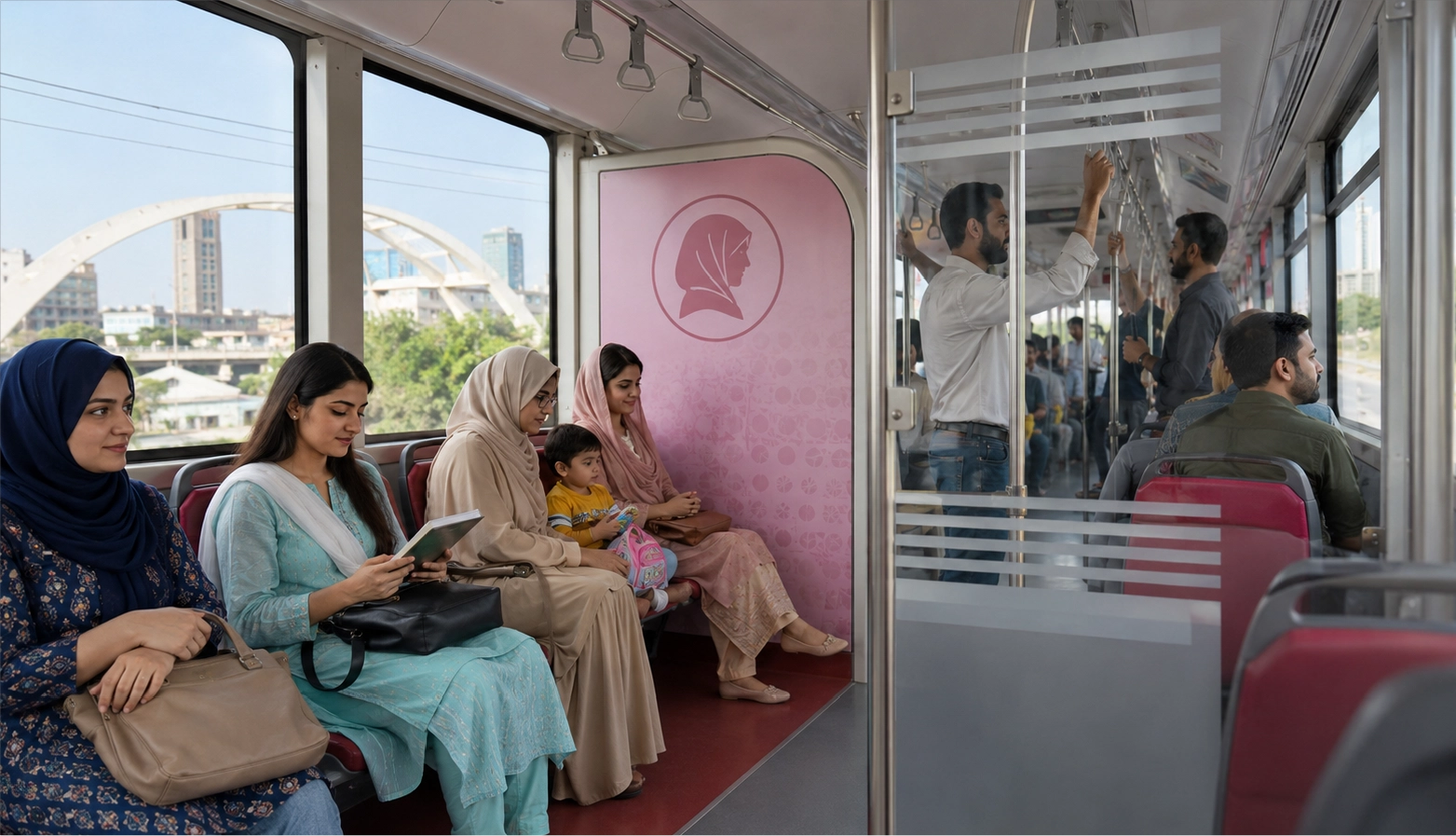
The section is physically divided from the rest of the bus. Clear signs mark it as reserved for women and children. The barrier creates a distinct space where mothers, female students and young children can sit without the constant mixing that happens in peak hours.
PMA describes the move as a step toward safer and more respectful public transport. The official message is straightforward: every woman deserves a safe and dignified ride. The partition is meant to give peace of mind on every journey.
Passengers will notice the difference most during busy times. When buses fill up, the separate area helps keep the space organised. It reduces the chance of unwanted contact and gives families a more settled place to sit.
Why This Change Matters
Women have long valued the reserved seating on the Metrobus. Studies and passenger feedback over the years show that many female riders choose the service mainly because of the separate section. Without it, some said they would not use the system at all.
Crowding has remained a concern. At the edge of the women’s area, the boundary can feel soft. Men sometimes stand or sit too close during rush hours. Mothers with small children find it harder to manage bags, strollers and active kids in mixed space. Privacy becomes limited.
The new partition addresses these everyday problems. It strengthens the sense of safety without changing the overall service. It also supports better organisation so that the reserved seats stay available for those who need them most.
The Rawalpindi-Islamabad Metrobus is one of the busiest links in the twin cities. It carries tens of thousands of passengers each day. Small improvements in comfort and respect can make a real difference for regular users, especially working women and students who rely on it for daily travel.
How It Fits with Existing Service
The Metrobus has always kept space for women near the front of the bus. Security cameras, staff presence and dedicated stations already help create a more controlled environment than many other public options. The partition builds on that foundation.
PMA operates the system with a focus on safety, comfort and efficiency. Linking the new arrangement to these goals keeps the message consistent. Passengers who travel with children now have a clearer zone designed for their needs. Women travelling alone gain stronger privacy.
The change does not remove seats for other passengers. It simply organises the space more clearly. Male passengers continue to use the main section. The result should be a calmer ride for everyone once the rules settle in.
What Passengers Can Expect
Look for the “Women & Children Only” signs when you board. The partitioned area will be easy to identify. Women and children should use that section. Staff and drivers will help keep the arrangement in place.
During peak hours the benefit will be most visible. Less mixing means less stress. Mothers can focus on their children instead of managing limited space. Female students and office workers gain a more predictable environment.
The authority encourages respectful use of the whole bus. The partition is a tool to support that respect, not a complete separation of the service.
Broader Context of Women-Friendly Transport
Public transport in the twin cities has improved for female riders over the past decade. The Metrobus itself was an early step that many women called a real change. Reliable timing, fixed stations and reserved seating reduced uncertainty and fear for many.
Other cities in Punjab have tested women-only buses or extra female-only services during busy periods. The Rawalpindi-Islamabad system has chosen a different approach: strengthen the existing mixed service with a clearer physical divide.
Passenger surveys from earlier years repeatedly asked for better barriers or clearer boundaries. The new partition responds to that feedback. It shows the authority is listening to how women and families actually experience the ride.
Safety on public transport remains a daily concern for many women. Clear space, visible rules and consistent enforcement help more than slogans. This measure focuses on the practical side of the journey.
What Comes Next
PMA will monitor how the partitioned section works in real conditions. Feedback from regular riders will matter. If the arrangement proves effective, similar steps could appear on other routes or systems under the authority.
For now the change is live on the Rawalpindi-Islamabad Metrobus. Women and children can step into a more defined space designed for their comfort and safety. The rest of the bus continues as before, only better organised.
Daily travel does not have to feel unsettled. A simple partition and clear marking can make the difference between a tense ride and a calmer one. The Punjab Masstransit Authority has taken that step. Passengers who need the space now have it. For more updates, visit DrivePK.com
Tags
Share this article
About the Author

Najeeb Khan
Automotive enthusiast and writer
Comments (0)
Login Required
You need to be logged in to comment on this article.
No comments yet. Be the first to share your thoughts!
Related Articles
Jetour T2 Facelift Gets 173 km EV Range in China
Jetour’s T2 facelift brings sharper looks, smarter tech and up to 173km electric range—but Pakistan launch, specs and pricing remain unconfirmed.
Honda HR-V Price Cut Up to Rs. 10.7 Lakh in Pakistan
Honda reportedly cuts HR-V prices in Pakistan by up to Rs. 10.7 lakh from Sept 25, 2026—but confirm the limited-time deal with a dealer.
Pakistan Fuel Levy: How It Raises Inflation Pressure
A fuel levy can ripple through Pakistan’s economy, raising travel, delivery and everyday costs—fueling inflation far beyond the petrol pump for families.