Punjab AI System for Fake Number Plates: How It Works and Impacts
Transport unions across Pakistan have called for a nationwide wheel jam strike on December 19. This could halt goods movement and public transport from north to south. The protest targets heavy fines and strict traffic rules. Businesses worry about supply chain breaks, while the government stresses road safety. If demands aren't met, a full shutdown might follow.
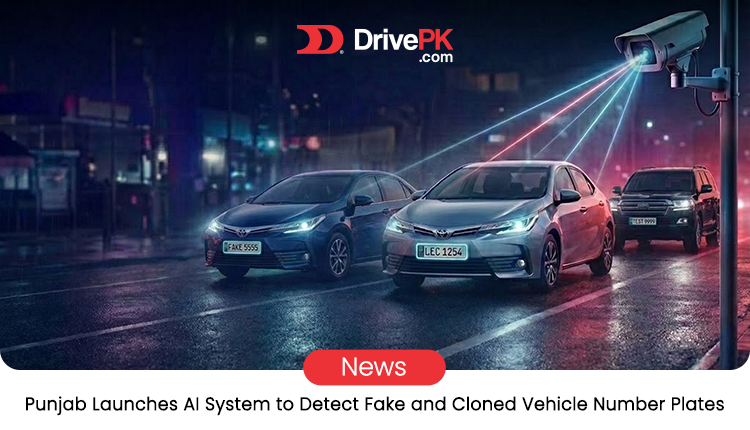
Table of Contents
- Why Punjab Needed This
- The Tech Behind It
- What Happens to Offenders
- Benefits for Everyone
- Possible Downsides to Watch
- Looking Ahead
Punjab just got a new tech upgrade for its roads. The government launched an AI system to hunt down fake number plates. It's run by the Punjab Safe City Authority. Cameras across the province now scan plates on the spot.
Here are the basics. A vehicle drives by a Safe City camera. The AI grabs the plate details. It checks them against official records right away. If something looks off like a fake, changed, or copied plate, an alert fires off.
That alert goes to virtual patrolling officers. They watch the vehicle live through the system. Then they send out nearby teams to stop it. No more waiting around or missing clues.
It's smart and fast. No human has to spot the issue first. That cuts down on errors from manual checks.
Why Punjab Needed This
Roads in Punjab see a lot of action. But fake plates have been a headache. Criminals use them to hide. Think car thefts or worse. Altered plates dodge fines too.
The old way relied on cops pulling over suspects. That left gaps. People slipped through. Now, AI fills those holes. It runs 24/7 without breaks.
Authorities say this will drop crime rates. Safer streets mean fewer worries for families. And traffic rules get enforced better. No more cheating the system.
But it's not just about catching bad guys. Honest drivers benefit too. Fair play on the roads builds trust.
The Tech Behind It
Safe City cameras are the eyes. They've been around for years, watching key spots. Now they're smarter with AI.
The software scans plates in seconds. It uses databases from the police and police. Matches happen in real time. If no match, or if it's flagged as cloned, boom alert.
Virtual officers sit in control rooms. They track via live feeds. It's like a video game, but for real safety. Field teams get coords and head out quickly.
This setup is province-wide. From Lahore to smaller towns, coverage is growing. Plans might expand it further.
And the AI learns over time. It gets better at spotting tricks. That's key in a place where people try new ways to fake plates.
What Happens to Offenders
Get caught? It's serious. Punjab has zero tolerance here. Fake plates tie into big crimes. So penalties are tough.
Laws treat this as forgery. Fines, jail time, or both. Vehicles get seized. No slap on the wrist.
The goal is deterrence. Make people think twice before tampering. Early cases will set examples.
But what if it's a mistake? Systems aren't perfect. Appeals might exist, but details are slim so far. Drivers should keep papers updated to avoid false flags.
Benefits for Everyone
This isn't just police work. It helps the whole community. Fewer stolen cars on the roads. Fewer hit-and-runs with fake IDs.
Traffic flows smoothly, too. Rules stick when everyone's accountable. Congestion might ease if cheats are out.
Economy-wise, it's a win. Crime costs money in losses and insurance. Cutting that saves cash for better things.
Public safety jumps up. Parents feel easier about kids commuting. Businesses transport goods without fear.
And it's modern. Punjab steps up with tech. Other provinces might follow. Pakistan could see nationwide changes.
Possible Downsides to Watch
No system is flawless. Privacy comes up. Cameras everywhere mean more watching. Who sees the data? How secure is it?
Some worry about overreach. What if AI errs on innocents? Hassles for regular folks.
Cost is another point. Building this took funds. Will it pay off? Time tells.
Drivers might feel pressured. Strict rules could be frustrating if not fair. Balance is needed.
But overall, the intent is good. Safety first. Feedback from users will shape it.
Looking Ahead
This launch marks a shift. Tech meets law enforcement. Punjab leads the way in Pakistan.
If it works, expect more AI in daily life. Maybe for pollution checks or speed traps next.
For now, drivers: Check your plates. Keep them legit. The system's watching.
Stay updated via official channels. Changes might come based on how it rolls out.
This move shows a commitment to safer roads. And that's something we all need.
For more updates, visit DrivePK.com
Tags
Share this article
About the Author

Najeeb Khan
Automotive enthusiast and writer
Comments (0)
Login Required
You need to be logged in to comment on this article.
No comments yet. Be the first to share your thoughts!
Related Articles
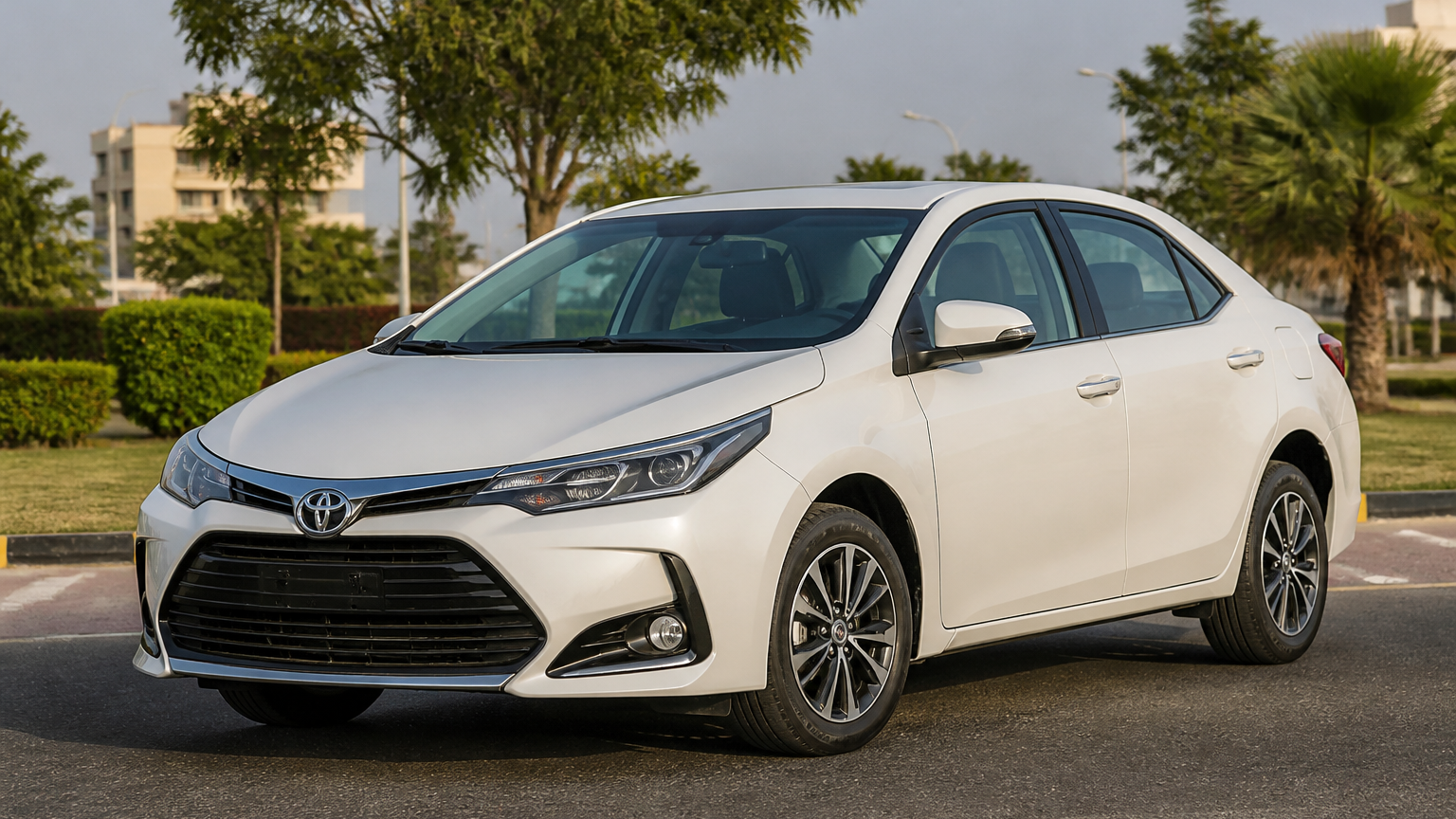
Toyota Corolla Discontinued Before Pakistan Facelift
Pakistan’s pre-facelift Toyota Corolla is reportedly discontinued, hinting at a facelift. Prices, bookings, specs and launch timing remain unconfirmed.
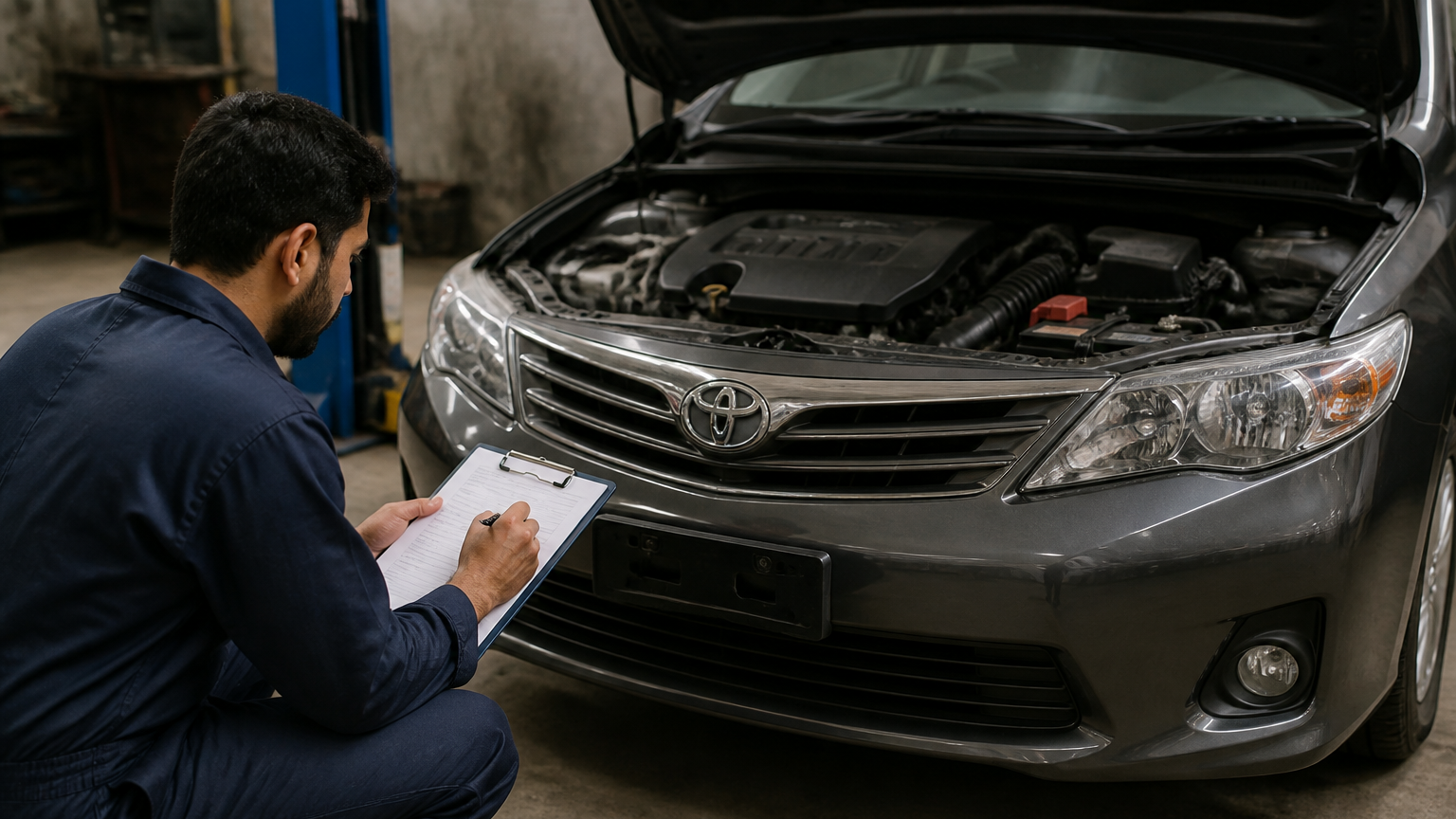
DrivePK Car Inspection Reports: Buy with Confidence
Buying a used car in Pakistan? A pre-purchase inspection can reveal hidden damage, engine issues and red flags before you pay—but it’s not enough alone.
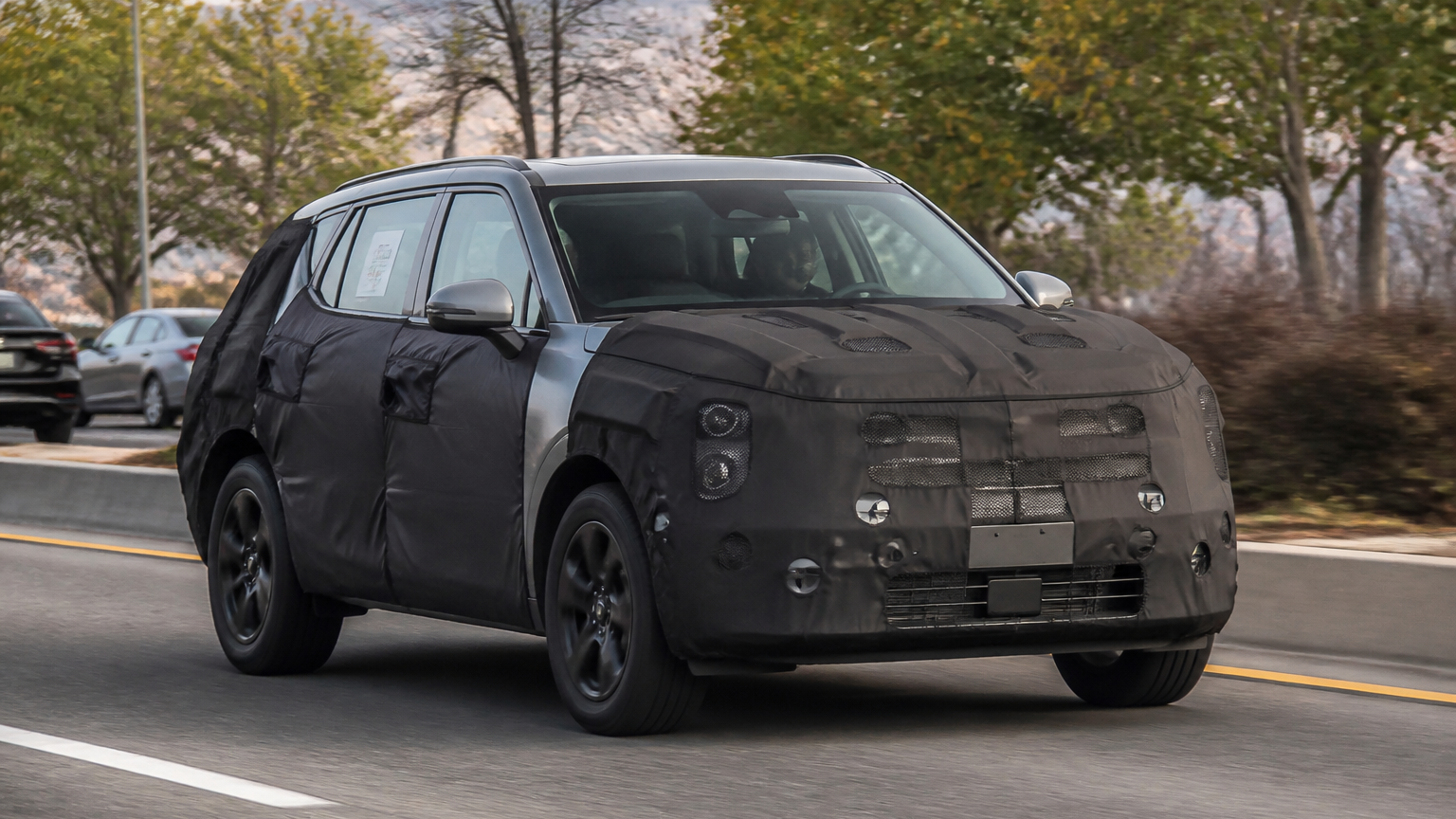
2028 Kia Sportage: Major Design Changes Spotted
Kia’s next Sportage may get a bolder, boxier redesign, with an upright profile, sharper lines, wider grille and split headlights hinted by spy shots.