Punjab CM Approves 125,000 E-Bikes for Students
Punjab Chief Minister Maryam Nawaz Sharif has approved more than 125,000 electric bikes for students under the CM Electric Bike Scheme. Students will pay no down payment and only around Rs 3,000 a month. The government will cover interest and insurance, and free helmets plus safety rods will be provided. The portal opens this week.
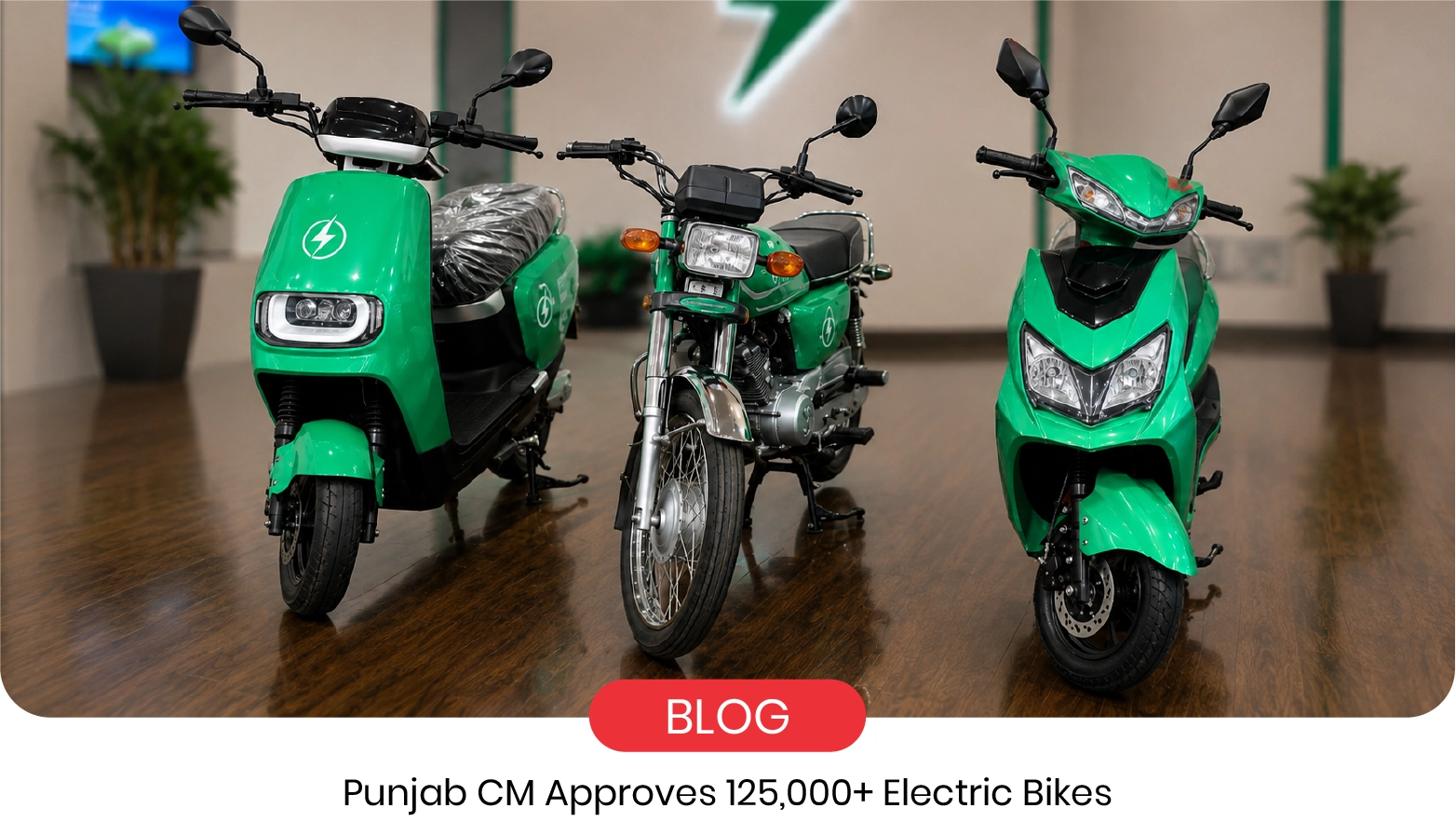
Table of Contents
- What Students Will Actually Get
- Why the Scheme Matters for Students
- How the Numbers Compare with Earlier Plans
- Practical Steps Students Should Watch For
- Wider Context of Punjab’s Green Transport Push
- What Comes Next
Punjab Chief Minister Maryam Nawaz Sharif has given the green light for a major expansion of the CM Electric Bike Scheme. More than 125,000 electric bikes will go to students across the province. The decision came during a special review meeting held this week.
The key change is affordability. Students will not pay any down payment. The monthly installment is set at around Rs 3,000. The Punjab government will cover the interest and insurance costs. This removes two of the biggest barriers for many young people who need reliable transport for college or university.
What Students Will Actually Get
Each bike will come with a modern lithium iron phosphate (LiFePO4) battery. These batteries are known for better safety and longer life compared with older types. Along with the bike, every selected student will receive a free helmet and safety rods. The government has also arranged two days of free driving training so new riders can learn safe handling of the electric bikes.
The chief minister directed officials to open the e-bike portal this week. Once applications are processed, eligible students should receive their bikes within six weeks. That timeline is unusually short for a scheme of this size and shows the priority being given to the programme.
Why the Scheme Matters for Students
Daily commuting costs add up fast for students. Petrol prices, public transport delays, and long walks or rides in crowded buses eat into both time and money. An electric bike offers a practical alternative. Running costs are low because electricity is cheaper than fuel, and the bike can be charged at home or on campus in many cases.
For female students in particular, personal transport can mean greater independence and safety when travelling to classes or part-time work. The scheme treats male and female students under the same no-down-payment rules, which keeps the process straightforward.
The government has also given in-principle approval to widen the scheme later. Future phases may include government employees, departments, and public delivery riders. For now, the focus remains on students.
How the Numbers Compare with Earlier Plans
Earlier versions of the e-bike programme involved smaller numbers and different payment terms. One earlier phase targeted around 100,000 bikes with a down payment for male students and interest-free monthly payments of about Rs 2,100. The new decision raises the scale to more than 125,000 bikes and removes the down payment entirely while setting the installment near Rs 3,000. The government continues to absorb the interest cost, so the monthly amount stays manageable.
The shift reflects feedback from students and families who found even modest upfront payments difficult. By covering interest and insurance as well, the province is absorbing a larger share of the overall cost.
Practical Steps Students Should Watch For
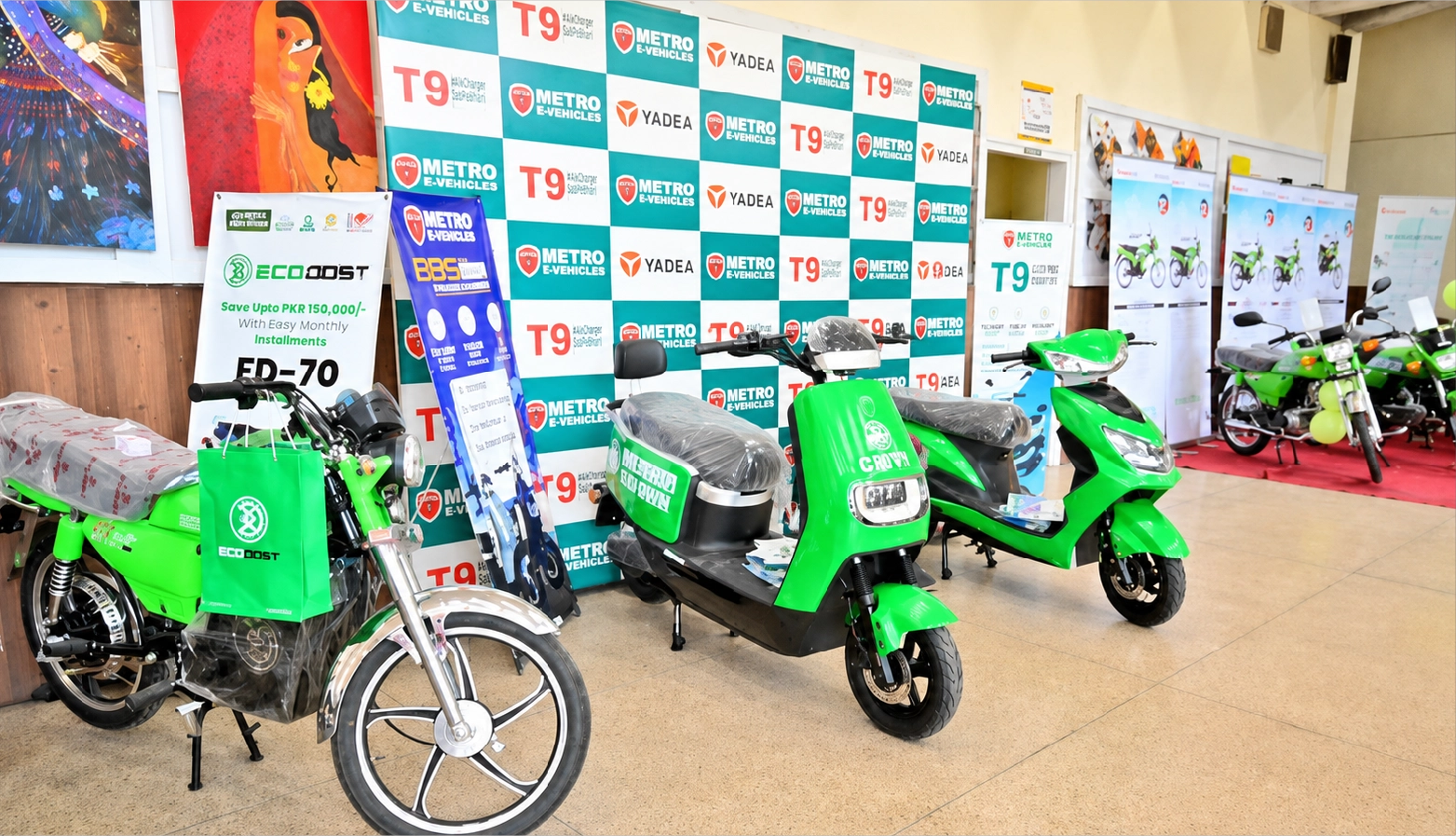
The portal is expected to go live this week. Eligible students will need to check the official site for the exact application process, required documents, and any domicile or enrollment conditions. Typical requirements in past rounds have included being a regular student of a recognised college or university, holding a valid learner’s permit or driving licence, and meeting age criteria.
Because demand is likely to be high, the authorities may use transparent balloting if applications exceed the available bikes. Students who apply early and complete their paperwork correctly will be in a stronger position.
Wider Context of Punjab’s Green Transport Push
The electric bike scheme sits inside a broader effort to expand cleaner transport options. Punjab has already introduced electric buses in several cities and is supporting local assembly of electric vehicles. Giving students access to e-bikes fits that direction while solving an immediate daily problem for thousands of young people.
Electric bikes also reduce pressure on crowded public transport and cut the number of petrol two-wheelers on the road. Over time, the cumulative effect on air quality and household fuel spending can be meaningful. For more updates, visit DrivePK.com
What Comes Next
The next few days will show how quickly the portal opens and how clearly the eligibility rules are published. Officials have been told to move fast so that selected students receive their bikes inside the six-week window. Free training and safety gear should help new riders start with confidence.
For many students, this scheme will turn a daily transport struggle into something more reliable and affordable. The absence of a down payment and the government’s decision to cover interest and insurance make the offer realistic rather than out of reach. As the portal opens and applications begin, the real test will be how smoothly the process runs from registration to delivery.
Tags
Share this article
About the Author

Najeeb Khan
Automotive enthusiast and writer
Comments (0)
Login Required
You need to be logged in to comment on this article.
No comments yet. Be the first to share your thoughts!
Related Articles
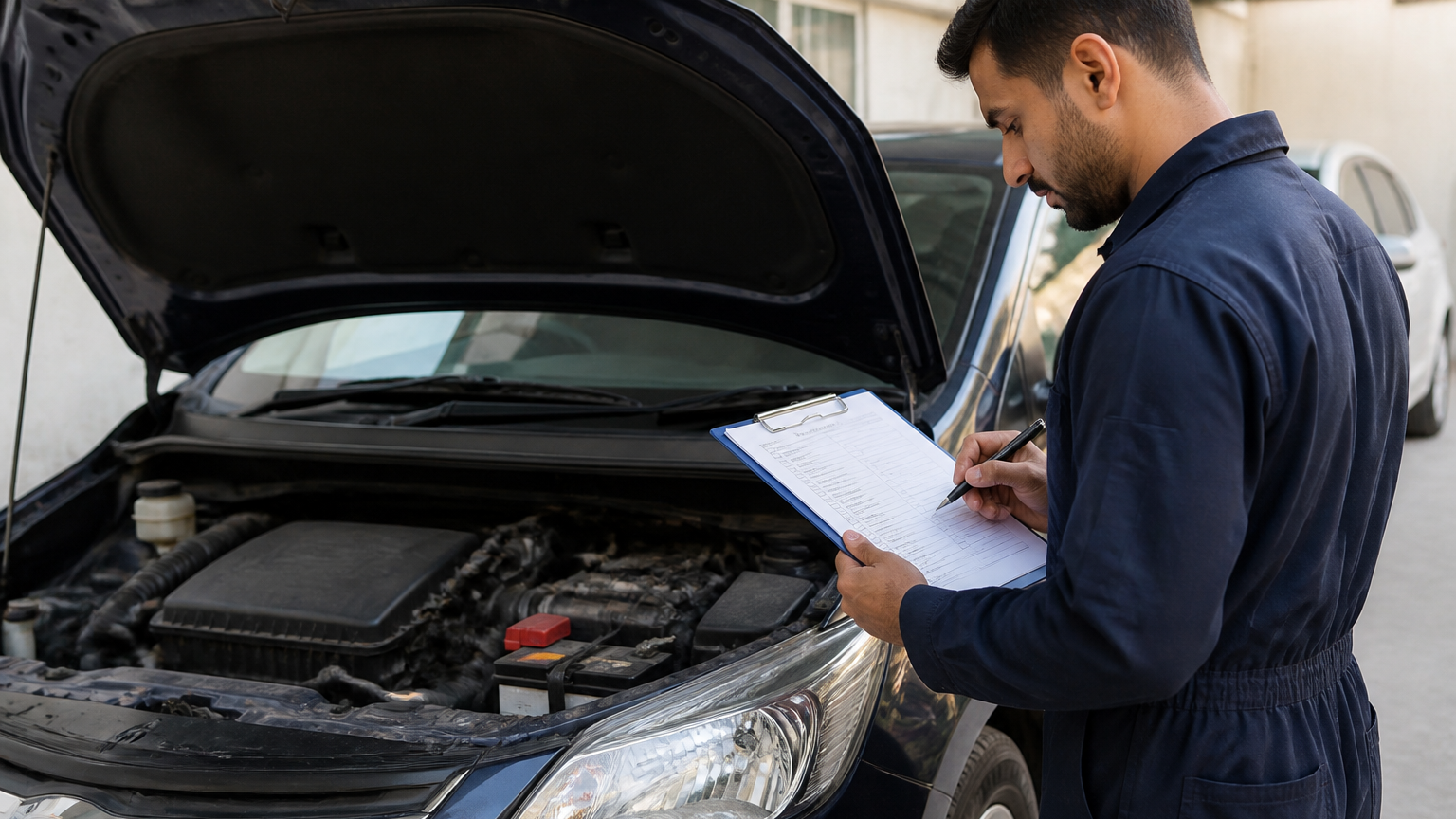
DrivePK Car Inspection Report: Buy Used Cars Safely
Buying a used car in Pakistan? A DrivePK inspection report reveals hidden faults, supports smarter negotiations, and helps you avoid costly mistakes.
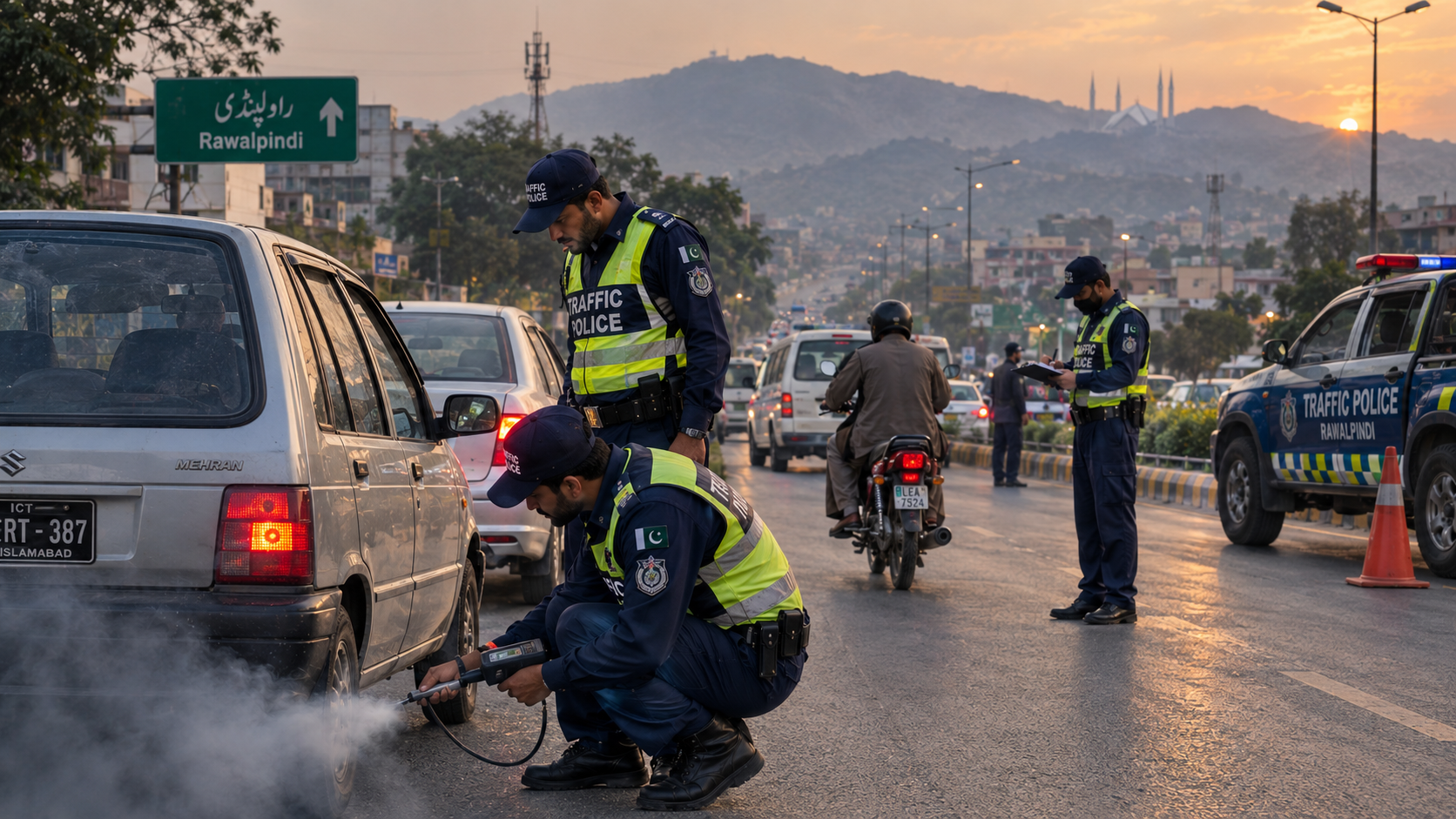
Rawalpindi to Impound Smoke-Emitting Vehicles
Rawalpindi Traffic Police is gearing up for a citywide crackdown on smoke-belching vehicles, with inspections, fines and delays for commuters.
Toyota Corolla Discontinued Before Pakistan Facelift
Pakistan’s pre-facelift Toyota Corolla is reportedly discontinued, hinting at a facelift. Prices, bookings, specs and launch timing remain unconfirmed.