Punjab Electric Bus Service: New Route from Gujar Khan to T Chowk Starts Next Month
Punjab is rolling out a new electric bus route from Gujar Khan to T Chowk next month, with 15 buses on GT Road stopping at Mandra. This adds to Rawalpindi's growing fleet and Jhelum's local services, aiming for greener, reliable travel for over 26,000 daily passengers.
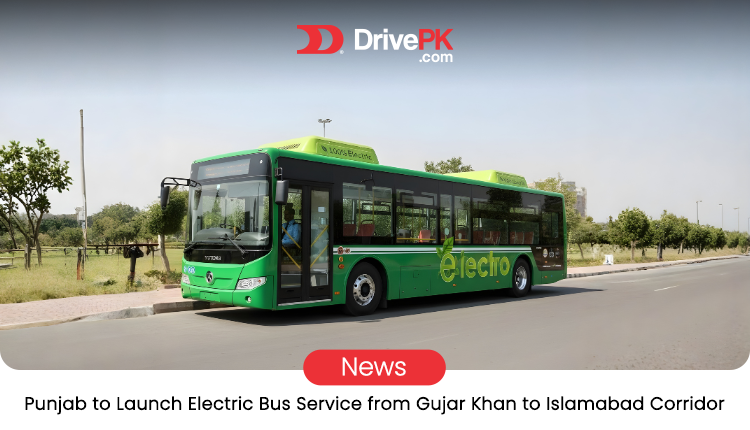
Table of Contents
- What's Behind This New Route?
- Why Electric Buses Matter for You
- The Bigger Picture: Punjab's Mobility Goals
- Looking Ahead: What's Next for Punjab's Buses?
Imagine hopping on a quiet bus that doesn't spew smoke, zipping you from Gujar Khan to T Chowk without the usual hassle. That's what's coming next month in Punjab. The government is starting a fresh electric bus service along this busy corridor. It's a small step, but it could change how people get around.
The route runs on GT Road, connecting Gujar Khan to T Chowk in the Islamabad-Rawalpindi area. Fifteen electric buses will make the trips. They'll stop at Mandra, making it easy for folks in between to join. No more waiting in the heat for unreliable rides. This is about real, everyday help for commuters who need dependable options.
And it's not just talk. Officials have planned it to fit into daily life. Buses will run regular schedules, focusing on peak hours when people head to work or school. If you've ever dealt with crowded vans or rickshaws, this sounds like a breath of fresh air. Cleaner air, too, since these buses run on electricity.
What's Behind This New Route?
Punjab isn't stopping at one line. This launch ties into a bigger plan to grow electric public transport across the province. Rawalpindi already has 45 electric buses in action. Soon, that number jumps to 80. How? By adding new routes and fixing up stops and charging spots.
Think about the traffic jams on those roads. More buses mean fewer cars, maybe. Or at least smoother flows. The government picked this corridor because it's a hotspot for travel between cities. People commute for jobs, shopping, or family visits. Now, they get a green choice that's also kind to the wallet.
Jhelum is in on it, too. They've just added 15 electric buses for local routes. Short trips around town, like to markets or clinics, become simpler. No fuel costs spiking, no engine noise. It's practical stuff that adds up over time.
Officials point out the daily impact. Existing services already carry more than 26,000 passengers each day. That's a lot of people ditching old ways. And with these expansions, that number should climb. It's not flashy, but it's steady progress.
Why Electric Buses Matter for You
Let's get real about the perks. First off, reliability. These buses stick to timetables better than some older systems. Rain or shine, they show up. For someone rushing to an office in Rawalpindi, that's gold.
Then there's the eco side. Electric buses cut down on emissions. No diesel fumes choke the air. Punjab's cities deal with smog, especially in winter. This helps chip away at that problem. Cleaner streets mean healthier lungs for everyone, kids included.
Affordability is key, too. Fares stay low, thanks to government backing. Compare that to private taxis or fuel-guzzling cars. You save money and time. Plus, the buses are comfy, air-conditioned, with space for bags or even wheelchairs in some models.
But it's not perfect. Charging infrastructure needs work. What if a bus runs low mid-route? Officials say they're building more stations along the GT Road. Upgrades are coming, but it takes time. Still, starting now beats waiting forever.
Intercity links get a boost as well. Gujar Khan to T Chowk isn't isolated. It connects to bigger networks in Islamabad and beyond. Travelers from smaller towns can reach hubs without multiple switches. That eases the grind of long commutes.
The Bigger Picture: Punjab's Mobility Goals
This isn't a one-off. Punjab's government sees electric transport as a priority. They want sustainable mobility for all. That means buses that don't harm the planet while getting people where they need to go.
Reducing emissions is front and center. With climate change hitting hard, floods and heatwaves, every bit counts. Electric fleets lower the province's carbon footprint. It's a nod to global efforts, but rooted in local needs.
Enhancing connectivity is another angle. Roads like GT Road are lifelines. Better buses strengthen them. Rural areas link up with urban spots, opening jobs and services. Jhelum's new buses show this in action, serving neighborhoods that were underserved.
Officials keep it grounded. They talk about passenger numbers and routes, not grand visions. But the daily ridership tells the story. Over 26,000 people rely on these services now. As fleets grow, so does trust.
Challenges remain, sure. Maintenance for electric vehicles differs from that of diesel ones. Training drivers and mechanics is ongoing. Power supply must be stable for charging. Punjab is tackling these head-on with infrastructure pushes.
And community input matters. Feedback from riders shapes routes. If a stop needs adding, they listen. It's about building a system that works for real people, not just on paper.
Looking Ahead: What's Next for Punjab's Buses?
Next month, those 15 buses start rolling from Gujar Khan. It's a test run, but with promise. Rawalpindi's expansion to 80 buses will follow soon. Jhelum keeps growing its local fleet.
If it succeeds, more routes could pop up. Maybe linking to Lahore or other districts. The goal is a web of electric options across Punjab. Affordable, green, and connected.
For commuters, it's a win. Less pollution, better rides. For the environment, it's a step forward. And for the government, it's proof that practical changes pay off.
Keep an eye on updates. Routes might adjust based on demand. But one thing's clear: Punjab is steering toward a cleaner future on the roads.
In the end, it's simple. Better buses mean better days for thousands. That's worth the effort.
For more updates, visit DrivePK.com
Tags
Share this article
About the Author

Najeeb Khan
Automotive enthusiast and writer
Comments (0)
Login Required
You need to be logged in to comment on this article.
No comments yet. Be the first to share your thoughts!
Related Articles
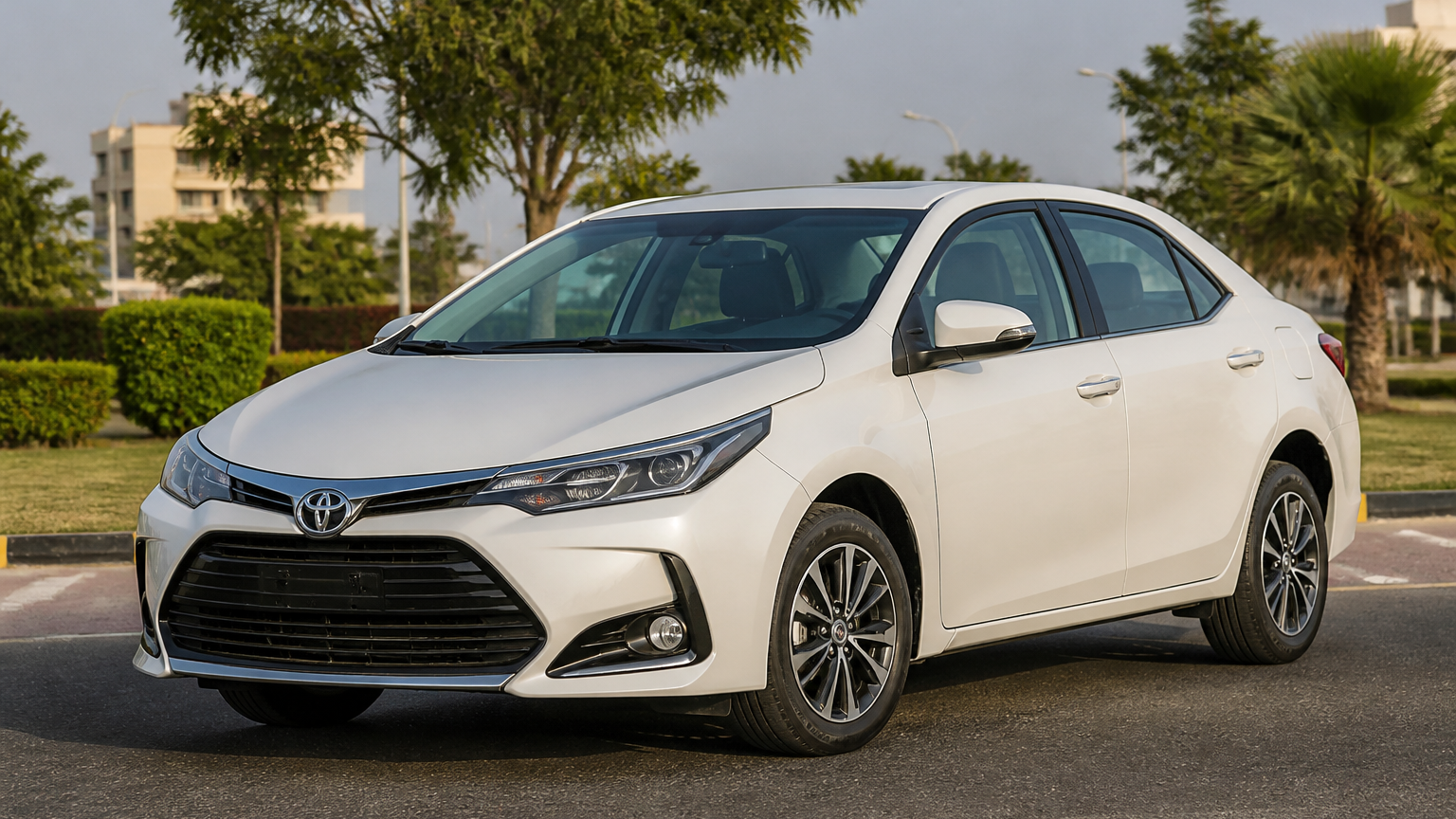
Toyota Corolla Discontinued Before Pakistan Facelift
Pakistan’s pre-facelift Toyota Corolla is reportedly discontinued, hinting at a facelift. Prices, bookings, specs and launch timing remain unconfirmed.
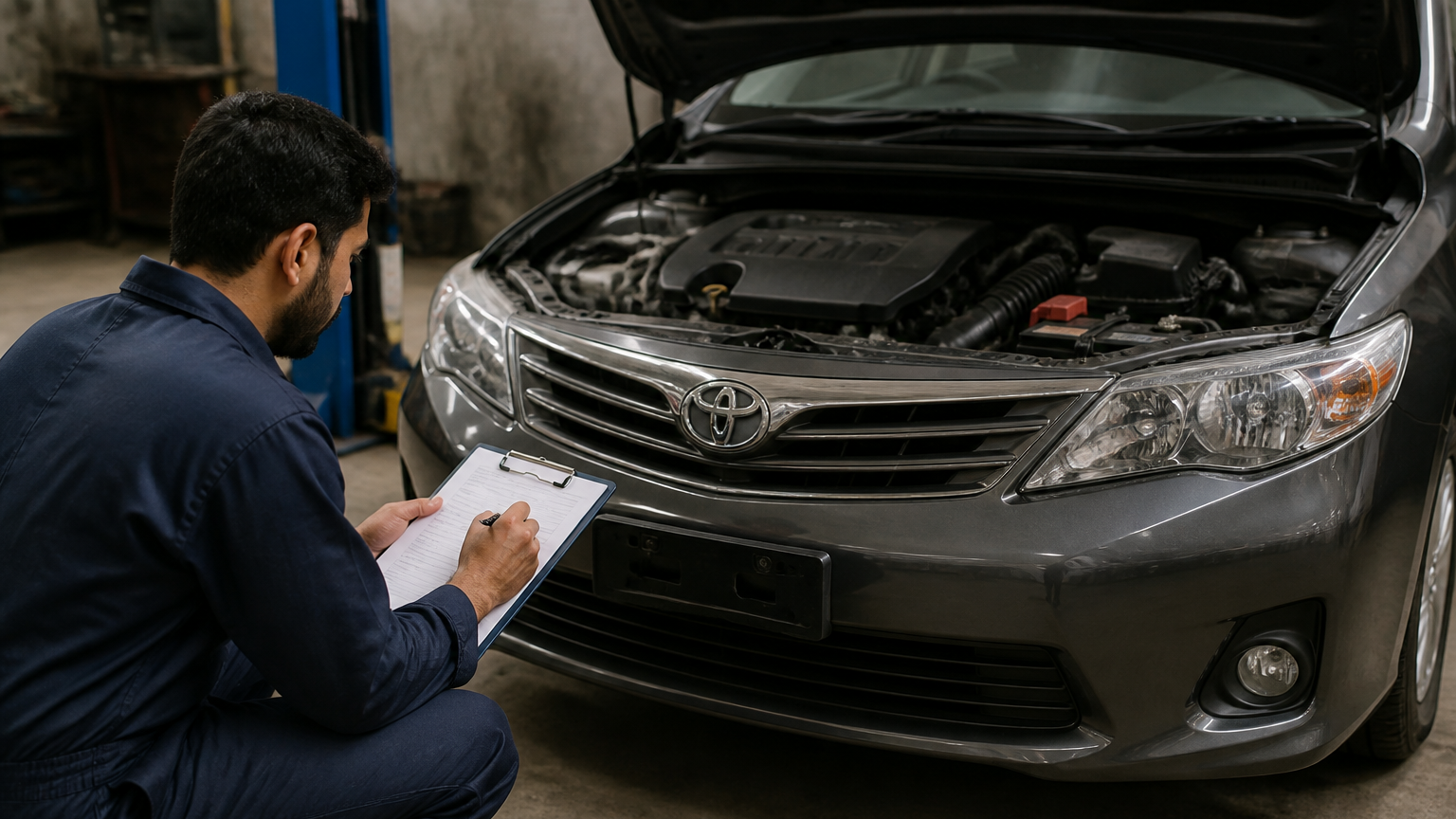
DrivePK Car Inspection Reports: Buy with Confidence
Buying a used car in Pakistan? A pre-purchase inspection can reveal hidden damage, engine issues and red flags before you pay—but it’s not enough alone.
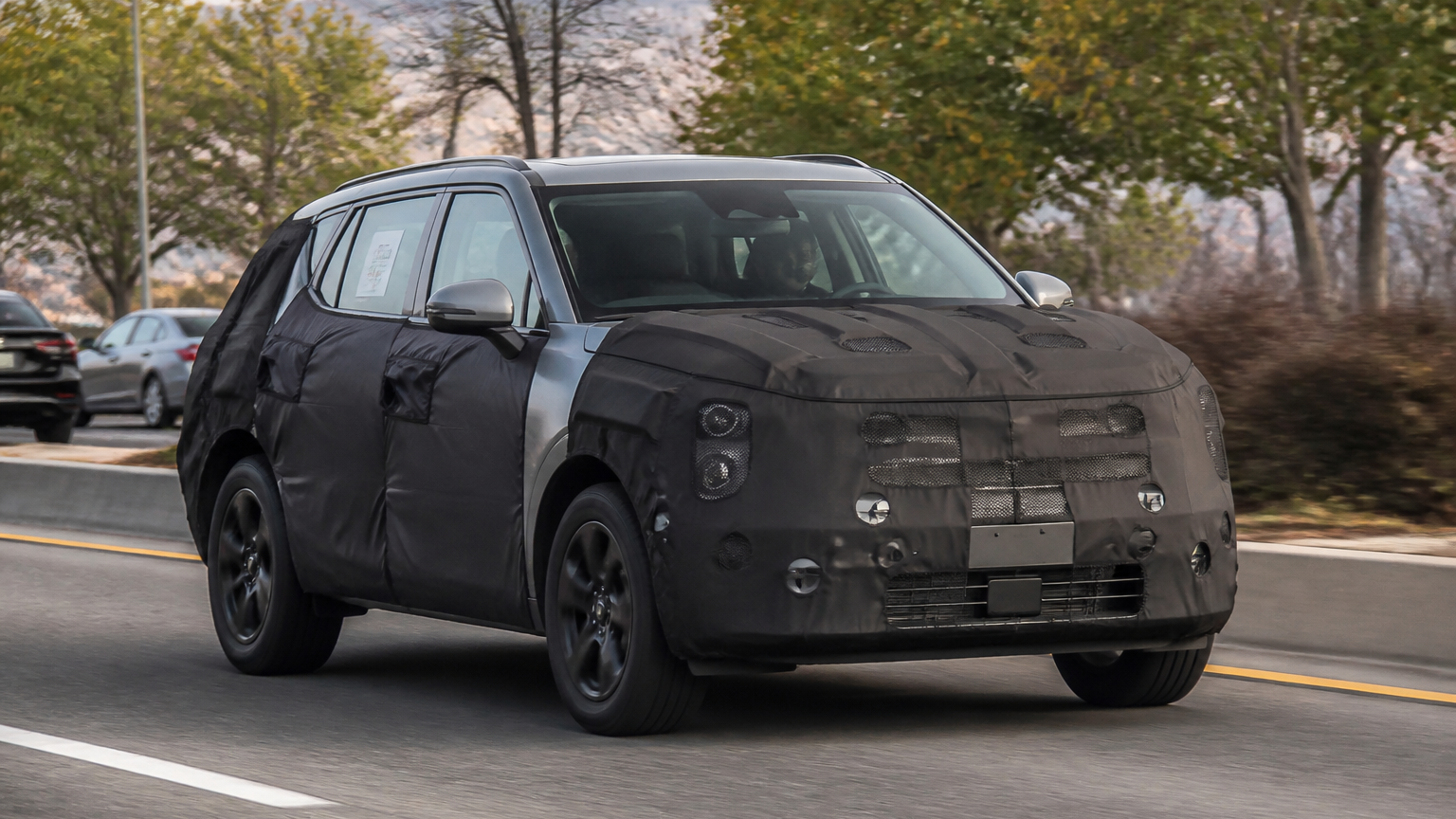
2028 Kia Sportage: Major Design Changes Spotted
Kia’s next Sportage may get a bolder, boxier redesign, with an upright profile, sharper lines, wider grille and split headlights hinted by spy shots.