Punjab Government Cracks Down on Misused E-Taxis in Chief Minister Scheme
The Punjab government is taking back e-taxis given under the Chief Minister’s scheme after finding many used for personal trips instead of public service. With a Rs 4 billion subsidy for 1,100 vehicles, authorities are now verifying every recipient. Here’s what this means for drivers and the future of the program.
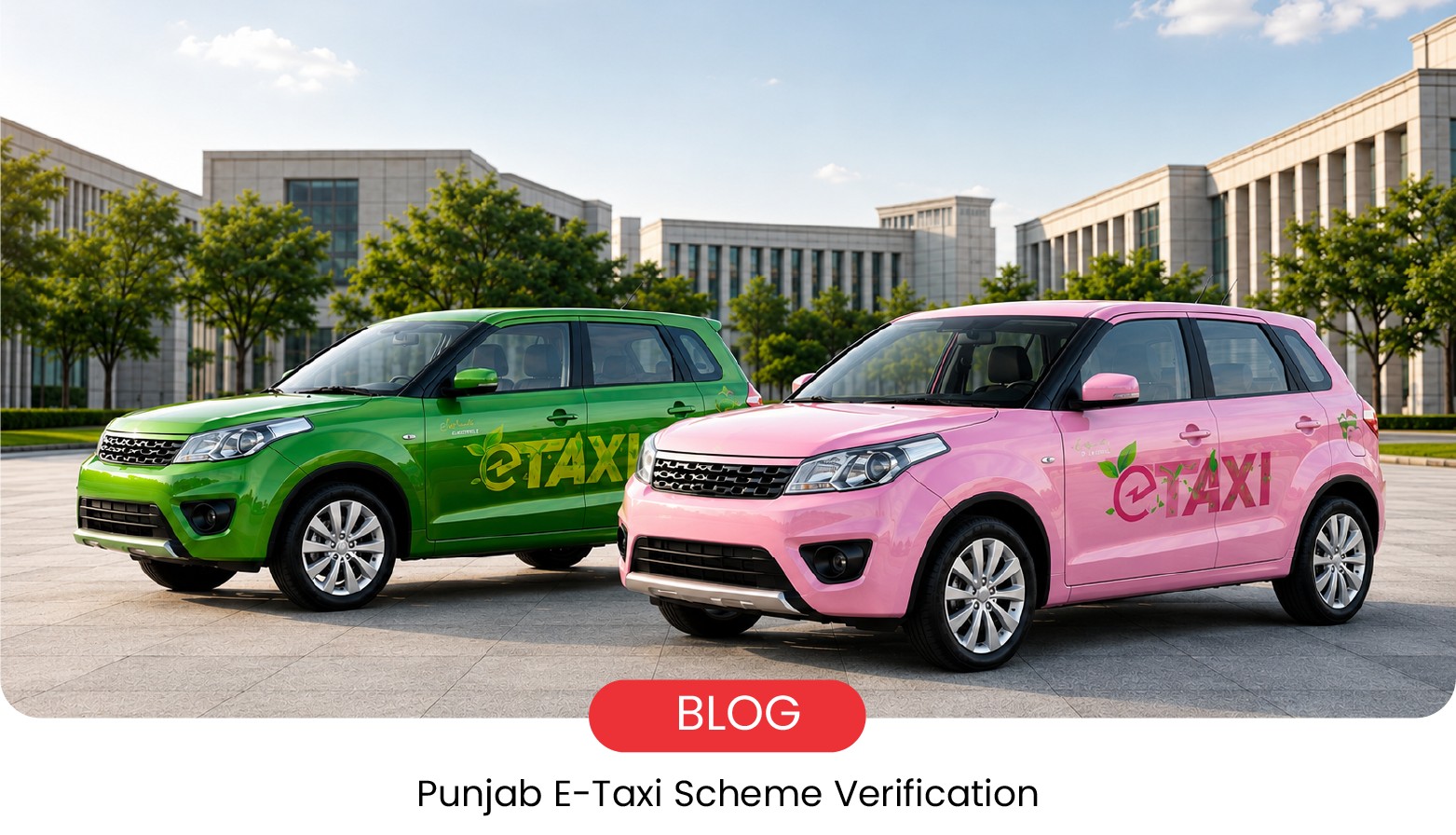
Table of Contents
- Background of the E-Taxi Scheme
- What Went Wrong
- Impact on Beneficiaries and the Program
- Why Electric Taxis Matter for Punjab
- What Happens Next
- Lessons for Future Government Initiatives
- Broader Context of Transport Reforms
- Final Takeaway
The Punjab government is acting firmly on its flagship e-taxi program. After reports of misuse, authorities plan to seize vehicles handed out under the Chief Minister E-Taxi Scheme. Many beneficiaries treated the subsidized electric cars as personal vehicles instead of running them as commercial taxis.
This move comes after a verification drive by the Punjab Transport Department. Transport Minister Bilal Akbar Khan made it clear: e-taxis found parked at homes or used only for private purposes will be taken back. Some owners even removed government markings from the vehicles.
Background of the E-Taxi Scheme
Chief Minister Maryam Nawaz launched the scheme as part of the Vision Transport 2030. The idea was simple and practical: give people a chance to earn through eco-friendly transport while cutting pollution in cities like Lahore.
In the first phase, the government provided 1,100 electric taxis. It offered a Rs 4 billion subsidy, interest-free installment plans, and support like charging facilities and safety features such as panic buttons. There was even a quota for women drivers to encourage broader participation.
The scheme aimed to create employment, promote electric vehicles, and improve public transport options. Drivers could earn a decent living while offering clean rides to passengers. Many saw it as a good opportunity, especially with government help on down payments and no markup on loans.
What Went Wrong
Not everyone followed the rules. Some recipients used the cars for family trips, school runs, or kept them idle at home instead of operating as taxis. Others removed official branding, making it harder to track.
The Transport Department received complaints and started inspections. They have complete records of all beneficiaries. The verification process checks whether vehicles are actually providing commercial taxi services as agreed.
Minister Bilal Akbar Khan stressed that the government will not tolerate misuse of public funds. The subsidy comes from taxpayers, and the program’s success depends on real service to the public.
Impact on Beneficiaries and the Program
Genuine drivers who follow the rules have nothing to worry about. The action targets only those who violated the terms. For honest operators, this could mean less unfair competition from people treating subsidized cars as personal assets.
The crackdown sends a strong message about accountability. Government schemes work best when conditions are clear and enforced. This verification drive might discourage future misuse and help the program achieve its goals.
For women drivers and others who joined with good intentions, the scheme still offers real potential. Proper operation can lead to steady income and support the shift to electric mobility.
Why Electric Taxis Matter for Punjab
Punjab faces growing traffic and pollution challenges in its big cities. Electric vehicles produce zero tailpipe emissions and cost less to run over time. The government wants to build an e-mobility ecosystem with e-buses, e-taxis, and better charging infrastructure.
This scheme was a pilot to test the model. Success could lead to more phases and wider rollout. It also supports national goals for cleaner transport and reduced oil imports.
Safety features like panic buttons connected to emergency services add trust for both drivers and passengers. The focus on inclusivity, including opportunities for female entrepreneurs, was a positive step.
What Happens Next
The Transport Department continues its inspections across all recipients. Owners found in violation will lose their vehicles. The government may redistribute recovered taxis to eligible candidates who will actually operate them as intended.
Drivers should keep proper records of commercial operations trip logs, earnings, and service to passengers. Staying compliant protects their investment and livelihood.
The public can expect stronger enforcement to ensure the benefits reach those who need them and serve the community as intended.
Lessons for Future Government Initiatives
This situation highlights the importance of monitoring in subsidy programs. Good intentions need strong follow-through. Clear rules, regular checks, and quick action against violations help maintain trust in public schemes.
It also shows the challenges of introducing new technology and business models. Transitioning to electric taxis requires not just vehicles but a change in habits and proper support systems.
Punjab’s leadership appears committed to fixing issues rather than ignoring them. This accountability can strengthen similar programs in the future.
Broader Context of Transport Reforms
The E-Taxi Scheme fits into greater efforts under Chief Minister Maryam Nawaz. From e-buses to road improvements, the focus is on modern, green, and accessible transport. These steps aim to create jobs, reduce environmental impact, and improve daily commuting for millions.
Challenges like misuse are common in big initiatives, but timely correction makes the difference. Residents and potential drivers will watch how this verification drive concludes and whether the program expands successfully.
For now, the message is straightforward: use the opportunity as intended, or lose it. The government wants working taxis on the roads, not parked cars in driveways.
Final Takeaway
The Punjab government’s decision to seize misused e-taxis shows seriousness about public resources. The Chief Minister E-Taxi Scheme had strong potential to boost employment and clean transport. With proper enforcement, it can still deliver on those promises.
Genuine beneficiaries should continue operating their vehicles commercially. The verification process protects the scheme’s integrity. For everyone else, it’s a reminder that government support comes with responsibilities.
Punjab is trying something new with electric mobility. Success depends on collective effort from officials to drivers to passengers. If this pilot works well after corrections, it could open the door to bigger changes in the province’s transport sector. For more updates, visit DrivePK.com
Tags
Share this article
About the Author

Najeeb Khan
Automotive enthusiast and writer
Comments (0)
Login Required
You need to be logged in to comment on this article.
No comments yet. Be the first to share your thoughts!
Related Articles
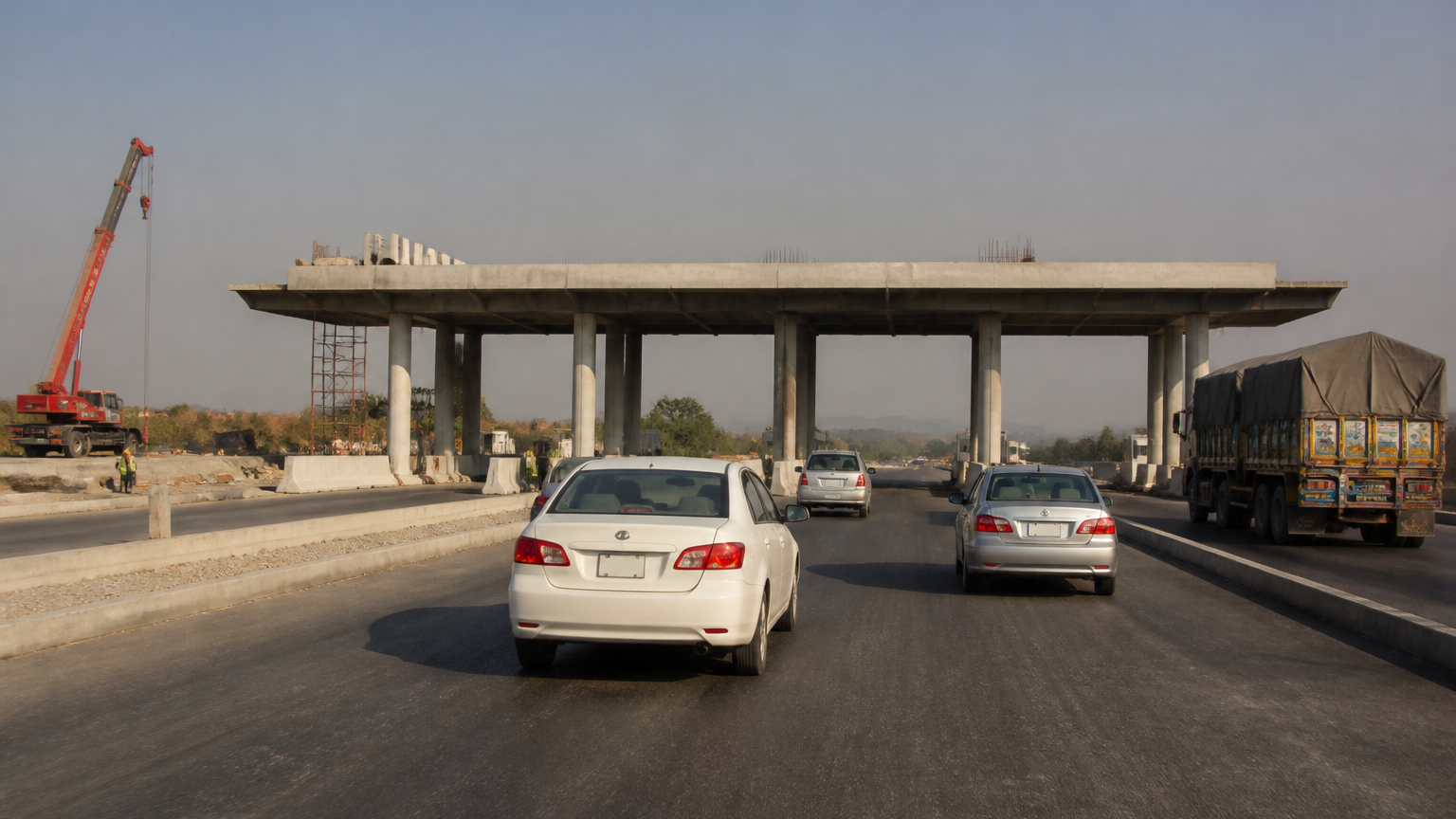
Rawalpindi Ring Road Opening Delayed by Toll Plaza Work
Rawalpindi Ring Road is structurally complete, but toll plazas and e-toll systems remain unfinished—delaying opening, toll rates and traffic relief.
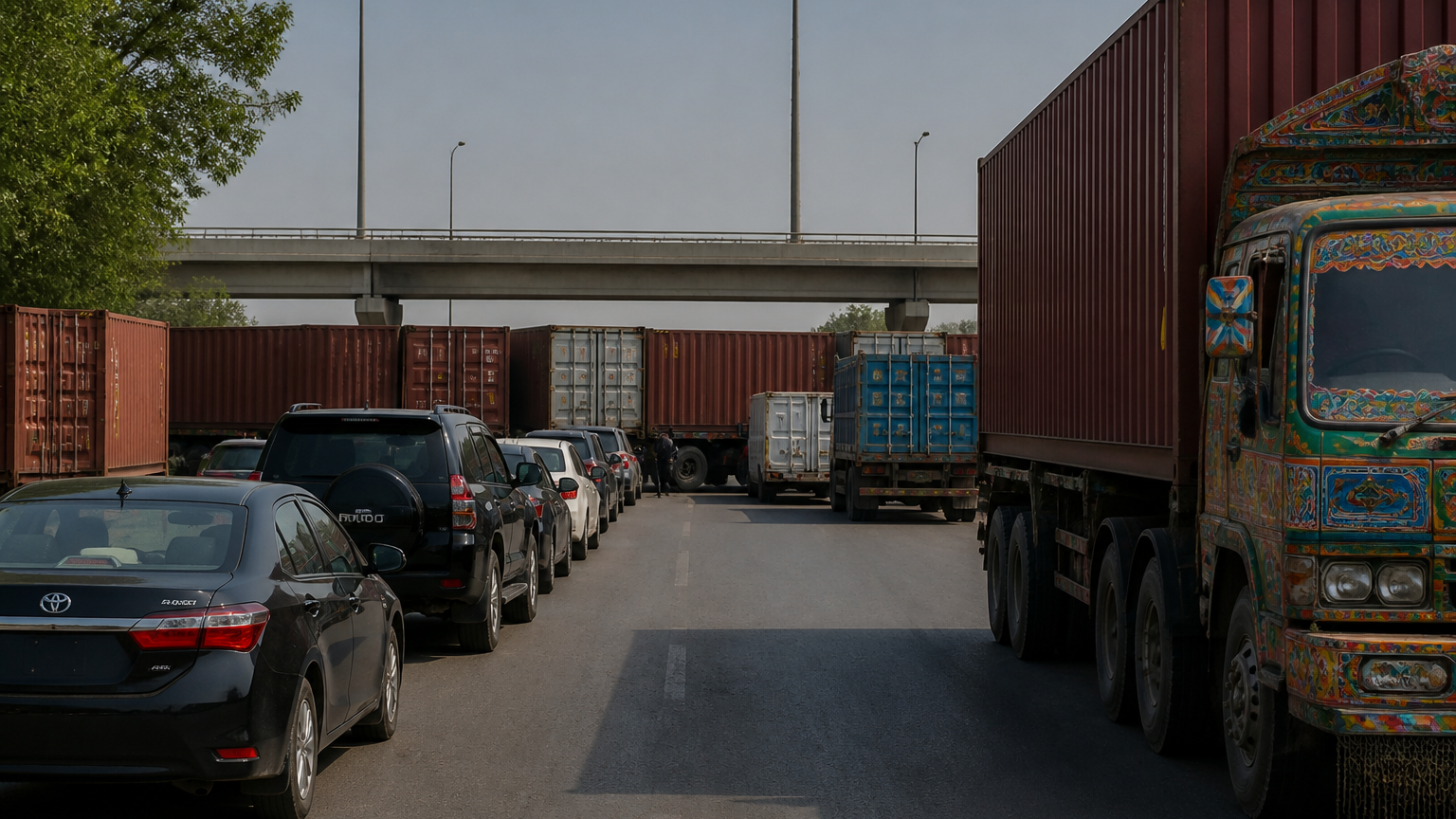
Islamabad Blockades Delay Karachi Freight Before PTI Protest
PTI’s Oct. 4 march may delay northbound freight from Karachi, affecting car parts, tyres and workshop supplies—but the scale remains unclear.
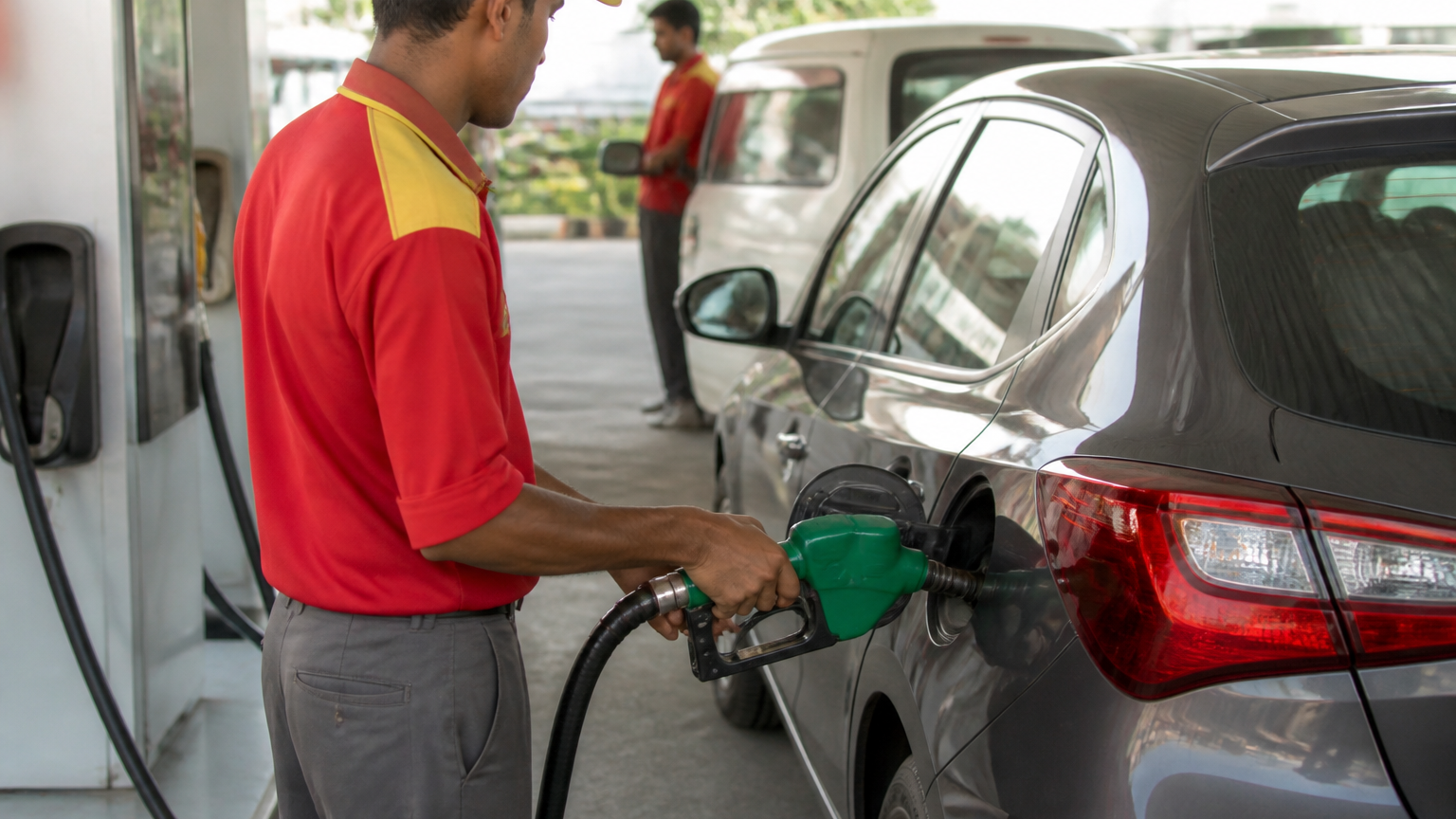
Oil Prices Near $100: Impact on Pakistan
Brent nears $100 after a sharp swing linked to China’s fuel-export curbs—but Pakistan’s petrol and diesel prices remain unchanged for now.