Punjab Launches AI “Talk to Camera” System for Safer Streets
Punjab has launched a new AI system, “Talk to Camera,” to detect open manholes, fires, and other hazards in real time. Triggered by a tragic accident involving a seven-year-old boy, the tool uses computer vision to scan CCTV footage and alert authorities instantly, making streets safer across the province.
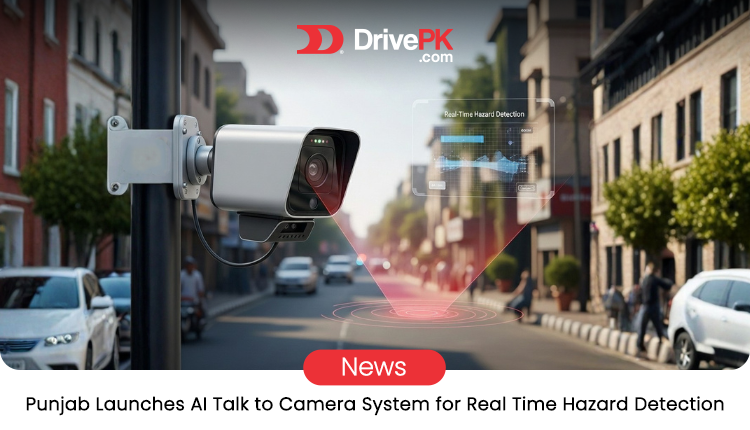
Table of Contents
- What Is Talk to Camera?
- The Tragic Spark That Started It All
- How the System Works in Simple Terms
- Testing It Out: Success in Lahore and Sheikhupura
- Backing from the Top: Chief Minister's Role
- Why This Matters for Everyday Life
- Looking Ahead: A Safer Punjab
A seven-year-old boy in Punjab fell into an open manhole and died. It was a heartbreaking accident. But it sparked change. The government rolled out an AI tool called Talk to Camera. This system spots dangers before they hurt more people.
Open manholes are common in cities. They hide in plain sight. Rain or neglect leaves them exposed. Kids play nearby. Workers forget covers. One slip, and tragedy strikes. Punjab decided to act. They built something smart to watch over us.
What Is Talk to Camera?
Talk to Camera comes from the Punjab Safe Cities Authority. It's an AI setup that scans CCTV feeds. No more endless hours of human monitoring. The system uses computer vision. That's tech that lets machines "see" like we do.
You give it commands in plain words. Say, "Find open manholes." It searches the camera network. It flags hazards fast. Things like fires, blocked roads, or unsafe spots in public areas. The AI pinpoints locations and adds timestamps. Teams on the ground get alerts right away.
It's not just reactive. It looks ahead. Spot patterns in risks. Prevent problems before they grow.
The Tragic Spark That Started It All
Back to that boy. He was playing in a neighborhood. The manhole had no cover. No warning signs. He fell in and couldn't get out. News spread fast. People demanded fixes. Chief Minister Maryam Nawaz listened. She pushed for better safety tools.
Punjab has busy cities. Lahore alone has millions of people. Manholes line the streets for sewers and drains. But maintenance lags. Covers get stolen for scrap metal. Or they break and aren't replaced. One death was too many. It highlighted a bigger issue: how to keep watch on everything.
The Safe Cities Authority stepped up. They had CCTV networks already. But humans can't watch every frame. AI could. So they developed Talk to Camera. It's a direct response to real pain.
How the System Works in Simple Terms
Imagine a vast web of cameras across Punjab. Thousands of them. Talk to Camera taps into that. It runs on computer vision algorithms. These scan video for specific shapes or changes.
An open manhole? It looks for dark holes in pavements. Fires? It spots smoke or flames. Blocked roads? It detects unusual crowds or stopped traffic.
The natural language part is key. You don't need code. Just speak or type commands. "Show me fire risks in downtown Lahore." The AI processes it. Pulls relevant clips. Marks them with exact spots and times.
It's like having a tireless guard. One that understands English or local languages. And it learns over time. More data means better accuracy.
Testing It Out: Success in Lahore and Sheikhupura
They didn't rush the rollout. First, tests in Lahore and Sheikhupura. Real-world checks.
In Lahore, the AI scanned busy areas. It found several open manholes. Each one tagged with GPS coords and the exact moment spotted. Teams fixed them quick.
Sheikhupura saw similar wins. The system caught hazards humans might miss. No false alarms bogged things down. Accuracy was high.
These trials proved it works. No glitches in detection. Fast responses followed. Punjab officials were impressed. So they greenlit a full province-wide launch.
Backing from the Top: Chief Minister's Role
Chief Minister Maryam Nawaz is all in. She sees this as a way to modernize safety. "We can't bring back lost lives," she might say, "but we can save others."
Her support means resources flow. Funding for more cameras. Training for operators. Integration with emergency services.
It's part of a bigger push. Punjab wants smarter cities. Tech that serves people, not just buzz.
Why This Matters for Everyday Life
Think about your daily walk. Kids going to school. Vendors on streets. One open manhole could ruin it all.
Talk to Camera changes that. Faster fixes mean fewer accidents. Fires get caught early. Roads stay clear.
It's proactive. Not waiting for calls. The AI hunts threats. Alerts go to police or maintenance crews. They act before harm.
For cities, it's efficient. Saves time and money. Humans focus on big decisions. AI handles the scan.
But it's not perfect. Tech needs upkeep. Cameras can fail. AI might miss edge cases. Still, it's a strong start.
Communities feel safer. Parents worry less. Streets become friendlier.
Looking Ahead: A Safer Punjab
The rollout is underway. More cities will join soon. Talk to Camera expands.
Other provinces might follow. If it works here, why not elsewhere?
It's a reminder: Tragedy can lead to good. That boy's story pushed innovation. Now, AI guards against repeats.
Punjab aims for zero such deaths. Smarter surveillance helps. Proactive detection, too.
And that's the goal. Safer streets for all.
We watch how it unfolds. Early signs look promising. For more updates, visit DrivePK.com
Tags
Share this article
About the Author

Najeeb Khan
Automotive enthusiast and writer
Comments (0)
Login Required
You need to be logged in to comment on this article.
No comments yet. Be the first to share your thoughts!
Related Articles
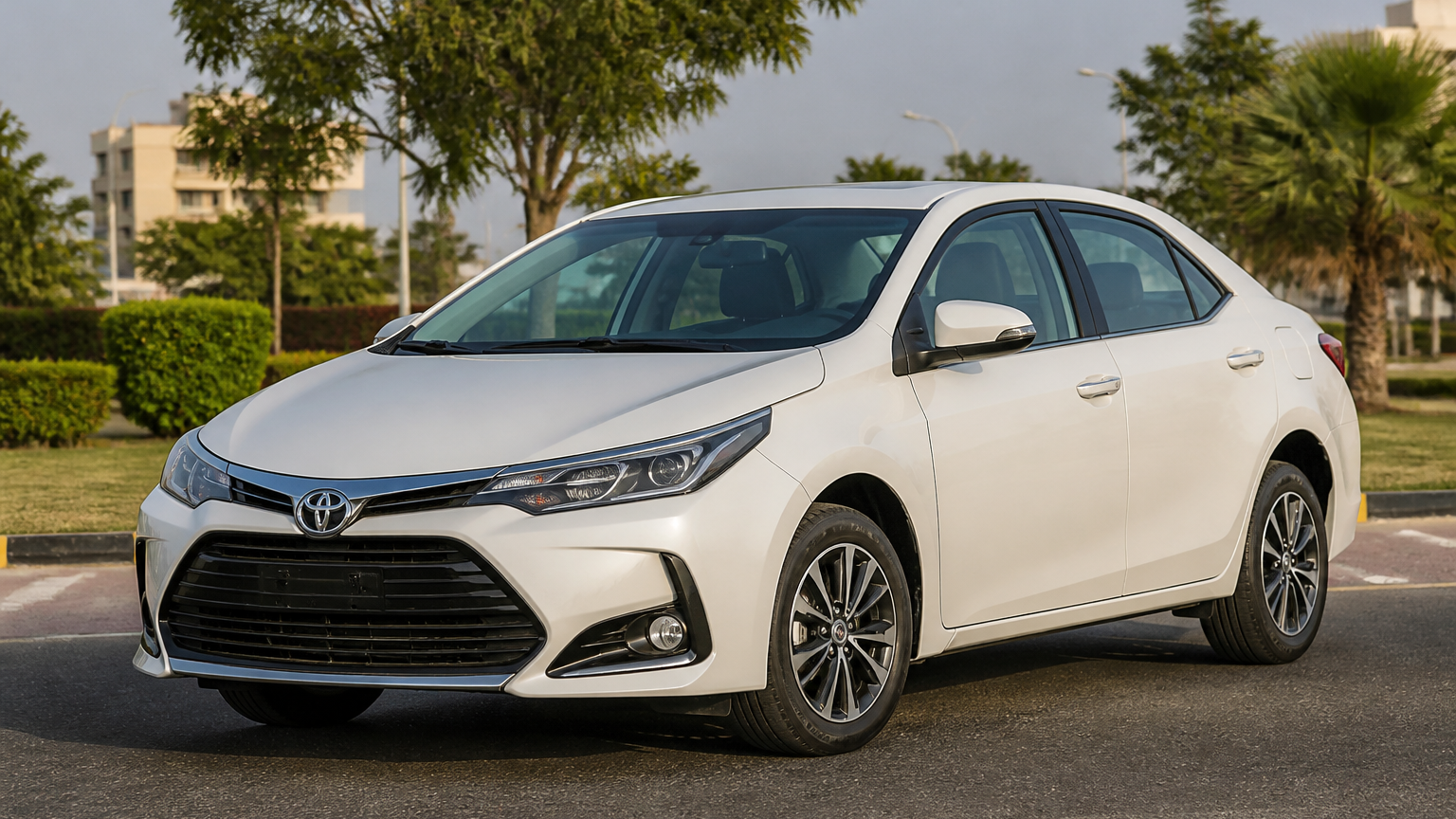
Toyota Corolla Discontinued Before Pakistan Facelift
Pakistan’s pre-facelift Toyota Corolla is reportedly discontinued, hinting at a facelift. Prices, bookings, specs and launch timing remain unconfirmed.
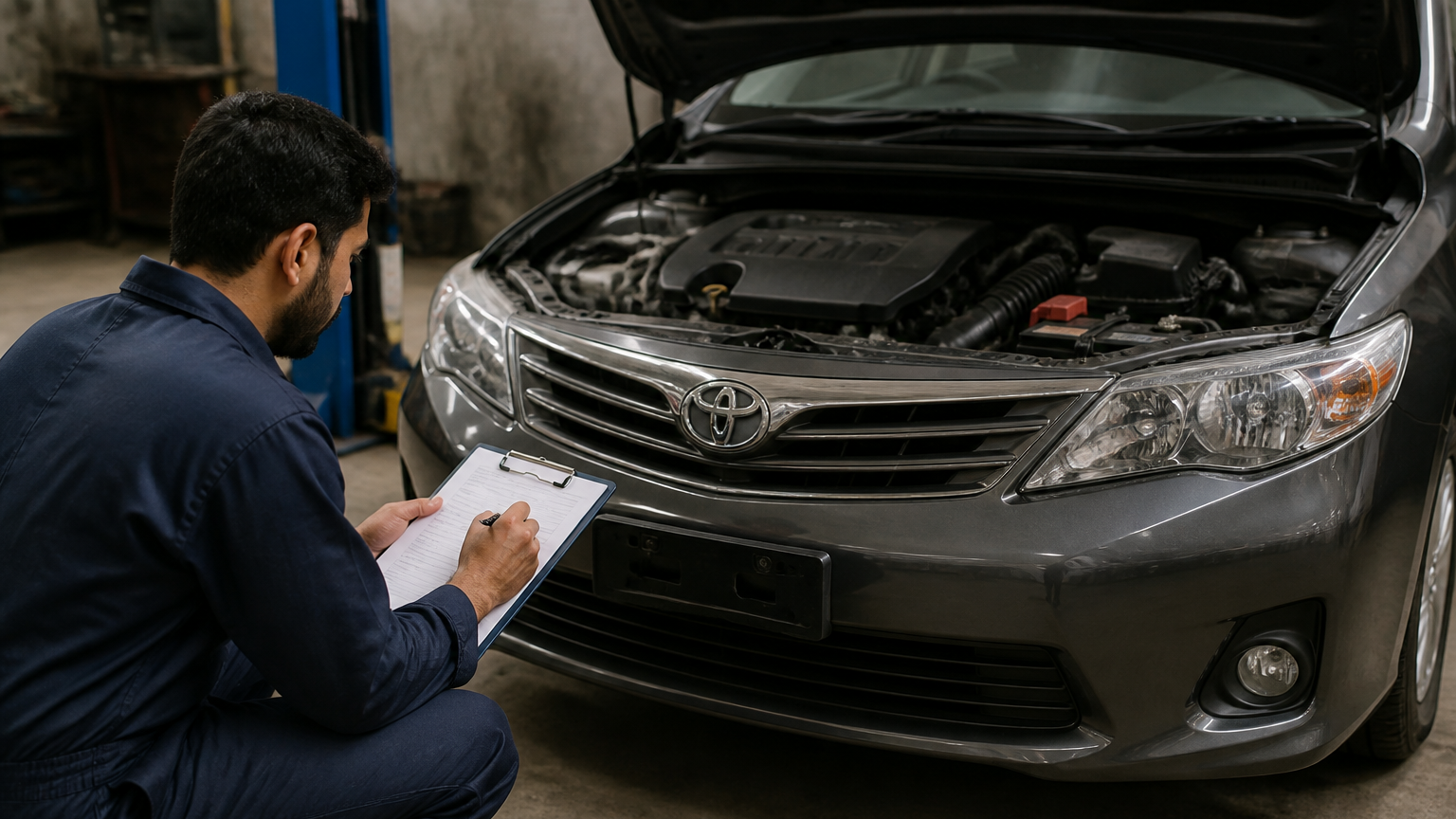
DrivePK Car Inspection Reports: Buy with Confidence
Buying a used car in Pakistan? A pre-purchase inspection can reveal hidden damage, engine issues and red flags before you pay—but it’s not enough alone.
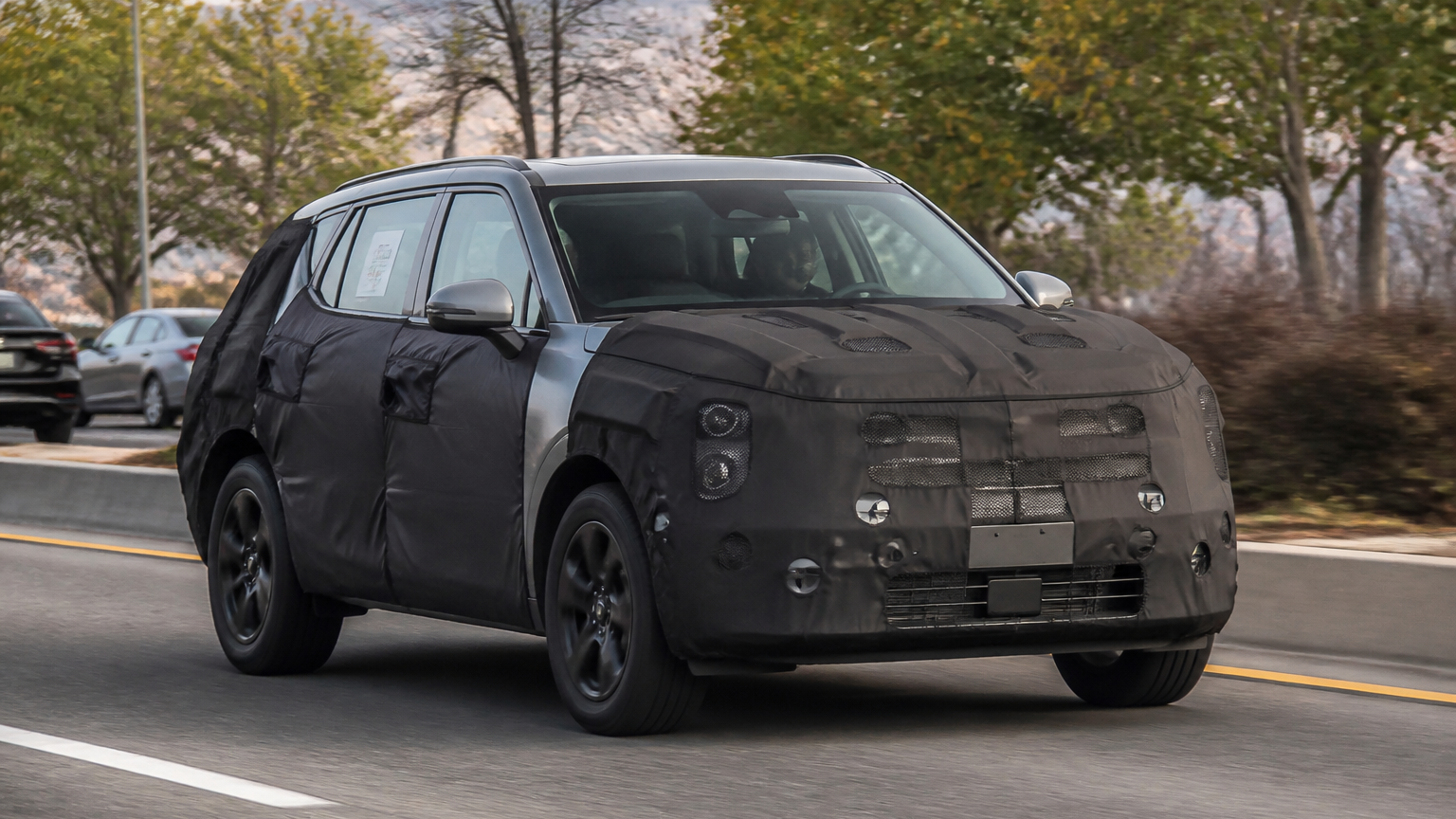
2028 Kia Sportage: Major Design Changes Spotted
Kia’s next Sportage may get a bolder, boxier redesign, with an upright profile, sharper lines, wider grille and split headlights hinted by spy shots.