Punjab Launches Electric Bus Service in Jhang Under Green Initiative
Punjab has launched a new electric bus service in Jhang under Chief Minister Maryam Nawaz’s Green Initiative, offering cleaner, quieter, and more comfortable travel across key city routes. With modern features, zero emissions, and improved connectivity, the service aims to deliver a fresh start for sustainable public transport.
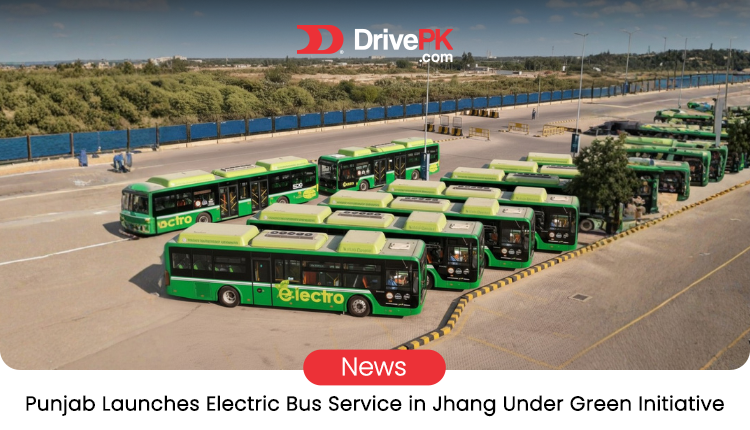
Table of Contents
- The Announcement That Got Things Rolling
- Routes That Connect the City
- Features That Make Rides Better
- Why Electric Buses Matter Now
- Broader Goals for Punjab's Green Push
- What Comes Next for Jhang and Beyond
Jhang's streets just got a bit greener. Today, December 12, 2025, marks the launch of a new electric bus service. It's part of Chief Minister Maryam Nawaz's Green Initiative. The Punjab Transport Company runs it. These buses promise easier trips for everyone in town.
Traffic in Jhang can be a hassle. Old buses belch smoke. Rides feel cramped. But now, electric options change that. No more fumes. Just smooth, quiet journeys. It's a simple fix for a common problem.
The Announcement That Got Things Rolling
Chief Minister Maryam Nawaz pushed this forward. She wants Punjab to lead in green transport. The service kicks off today. It builds on similar rollouts in other cities like Rawalpindi and Faisalabad. Jhang joins the list, making eco-friendly rides more widespread.
The Punjab government sees this as key to cutting pollution. Buses run on batteries, not diesel. That means less dirty air. And it's not just talk. They've planned routes that hit busy spots. People have waited for better options. Now, they're here.
Routes That Connect the City
Three main paths start today. First, from GBS Jhang to Gojra Bypass. This one helps workers and traders get around fast. It's a straight shot for daily commutes.
Next, Bus Stand Jhang to Aliabad. This route tackles crowded areas. It eases traffic jams. Folks heading to markets or homes will find it handy.
Last, GBS Jhang to UVAS. That's the University of Veterinary and Animal Sciences. Students and staff get a direct link. No more long waits or unreliable vans. More routes could come if demand grows.
These paths cover key needs. Students rush to class. Workers head to jobs. Everyone saves time. And the buses run often enough to keep things moving.
Features That Make Rides Better
Step inside one of these buses. Comfortable seats greet you. The air feels fresh. No engine roar drowns out thoughts. Low-noise operation is a big plus in noisy cities.
WiFi comes standard. Check emails or scroll news on the go. It's free and reliable. GPS tracking lets you see where the bus is. Apps might tie in soon for real-time updates.
The tech is green at its core. Electric engines mean zero tailpipe emissions. They charge up quickly and run far. Low costs for the company mean fares stay fair. Safer too, with modern brakes and stable rides.
It's all about ease, no sweat in summer heat. Clean interiors. These aren't luxury coaches, but they beat old models hands down.
Why Electric Buses Matter Now
Pollution chokes Punjab's air. Old vehicles add to it daily. Electric buses cut that out. No fumes means better health for all. Less noise helps too. Quiet neighborhoods stay that way.
Fuel dependency drops. Pakistan imports oil. These buses use local power grids. Over time, solar could charge them. It's a step toward energy smarts.
For riders, it's cheaper in the long run. No gas hikes hit wallets. And comfort draws more people to public transport. Cars stay home. Roads are clear.
Jhang isn't huge, but it grows. Better buses support that. Families travel safely. Kids get to school easily. It's a practical change.
Broader Goals for Punjab's Green Push
This isn't just Jhang's win. It's part of a bigger plan. CM Maryam Nawaz aims for sustainable transport everywhere. Rawalpindi got 80 e-buses last month. Faisalabad added 30. Chakwal launched recently, too.
The vision is to hit by 2030. More cities. Cleaner fleets. Punjab Transport Company leads the charge. They handle ops and upkeep.
Challenges exist. Charging stations need to be built. Power supply must stay steady. But starts like this and builds momentum. Feedback from riders will shape fixes.
Communities back it. Social posts buzz with excitement. One local said, "Finally, a ride that doesn't choke you." It's real talk from real people.
What Comes Next for Jhang and Beyond
Watch for expansions. More routes in Jhang soon. Other towns might follow. The Green Initiative keeps growing.
If you're in Jhang, hop on today. See the difference. For Punjab, it's a sign of progress. Cleaner air. Smoother trips. One bus at a time.
And that's the story. Simple steps toward a better tomorrow. For more updates, visit DrivePK.com
Tags
Share this article
About the Author

Najeeb Khan
Automotive enthusiast and writer
Comments (0)
Login Required
You need to be logged in to comment on this article.
No comments yet. Be the first to share your thoughts!
Related Articles
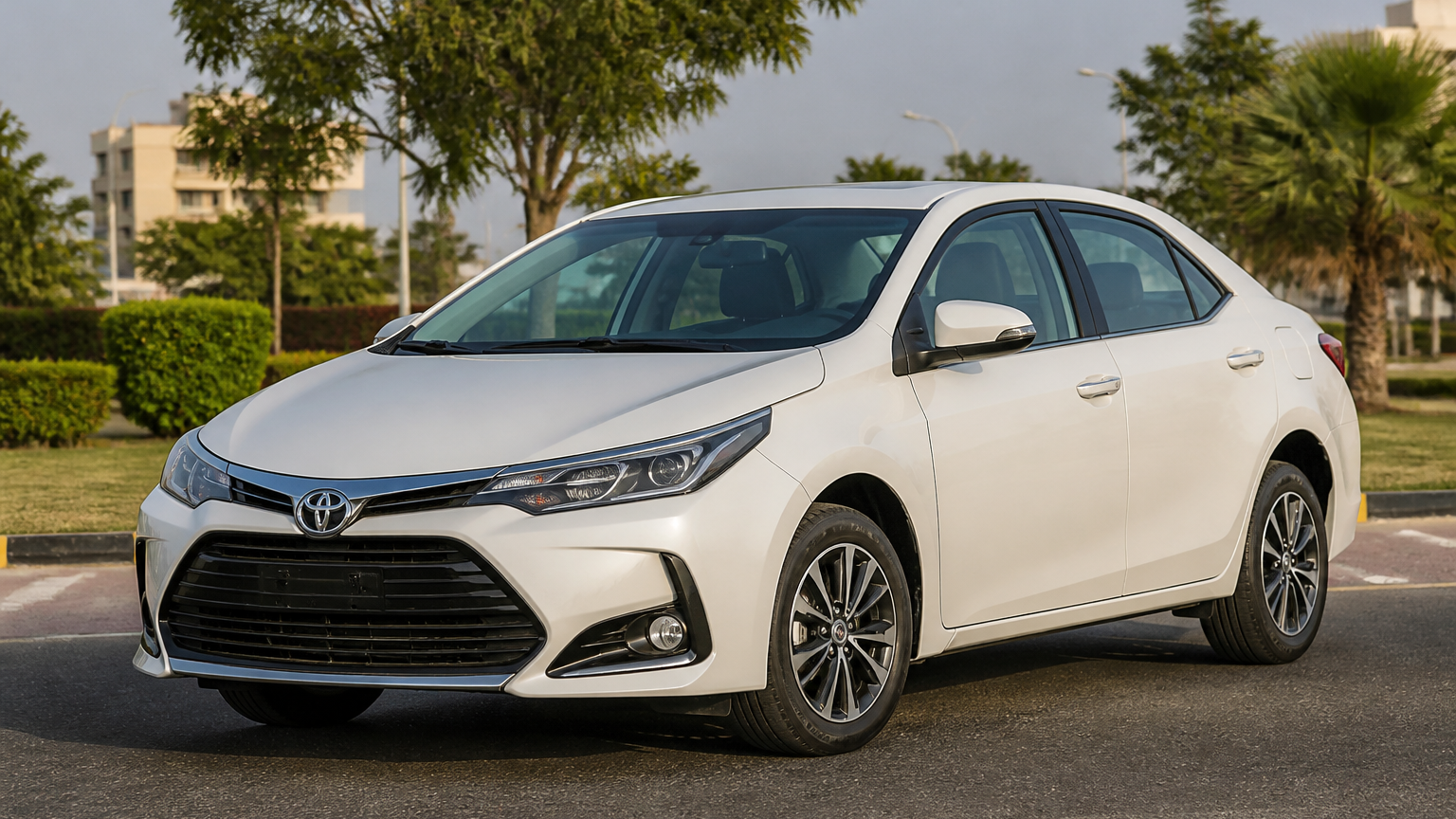
Toyota Corolla Discontinued Before Pakistan Facelift
Pakistan’s pre-facelift Toyota Corolla is reportedly discontinued, hinting at a facelift. Prices, bookings, specs and launch timing remain unconfirmed.
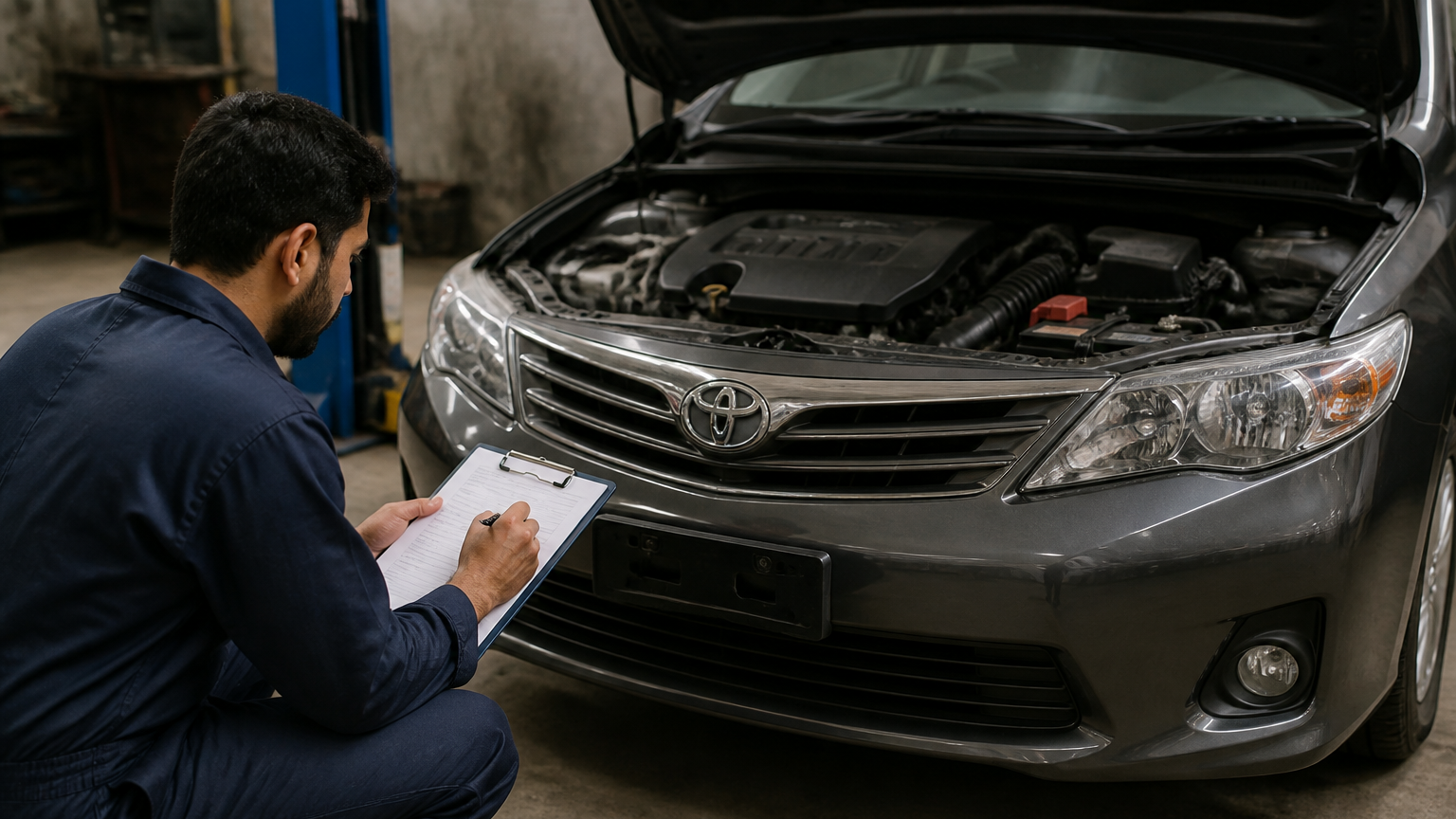
DrivePK Car Inspection Reports: Buy with Confidence
Buying a used car in Pakistan? A pre-purchase inspection can reveal hidden damage, engine issues and red flags before you pay—but it’s not enough alone.
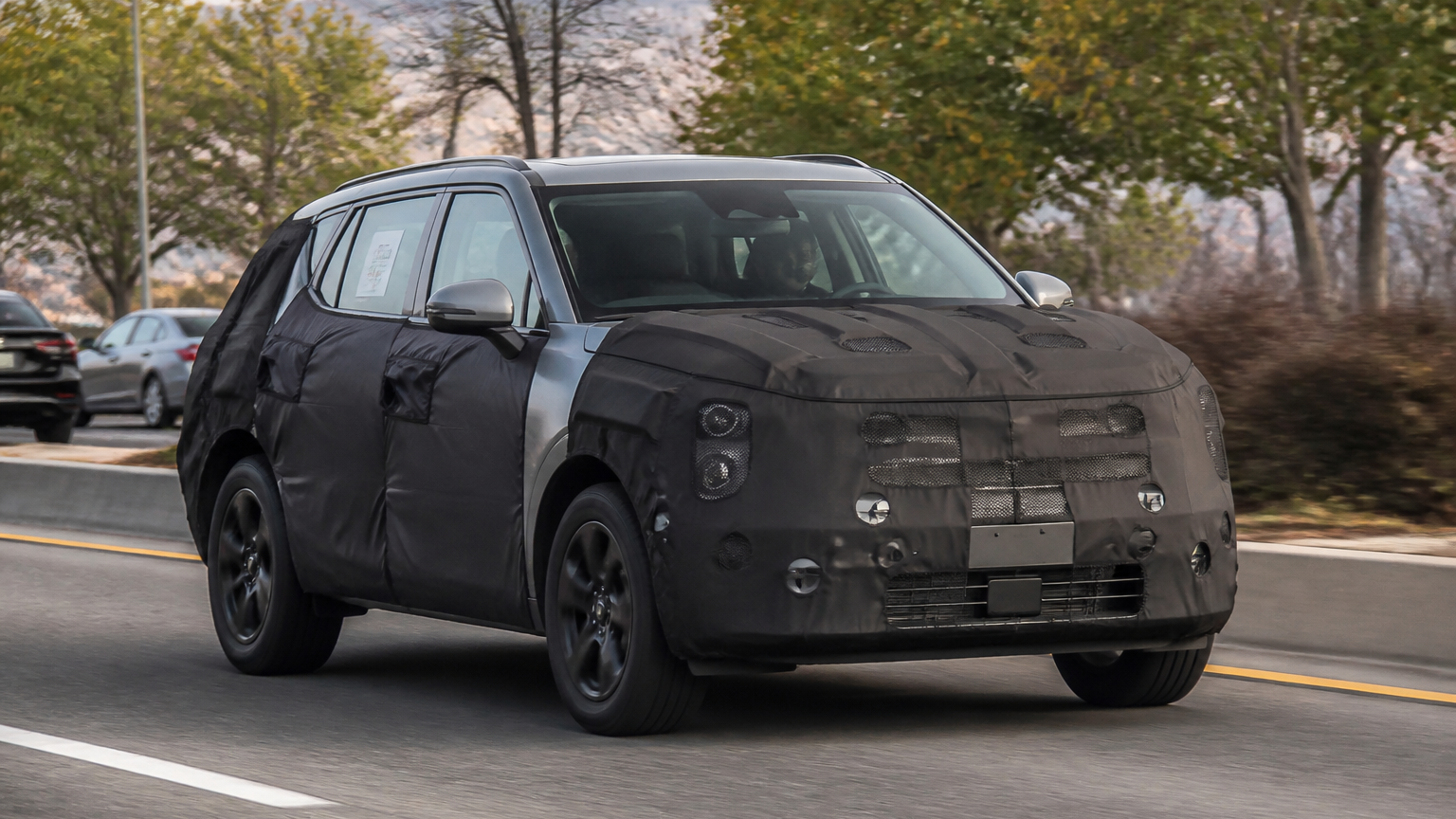
2028 Kia Sportage: Major Design Changes Spotted
Kia’s next Sportage may get a bolder, boxier redesign, with an upright profile, sharper lines, wider grille and split headlights hinted by spy shots.