Punjab Launches Electric Rickshaw Factory in Raiwind! Big EV Push Begins
Punjab has opened its first electric rickshaw factory in Raiwind, kicking off large-scale EV production under the 2025 EV policy. With local assembly, tax incentives, 1,000 electric buses on order, and new charging infrastructure planned, the province is moving toward cleaner, cheaper, and fully electric transport.
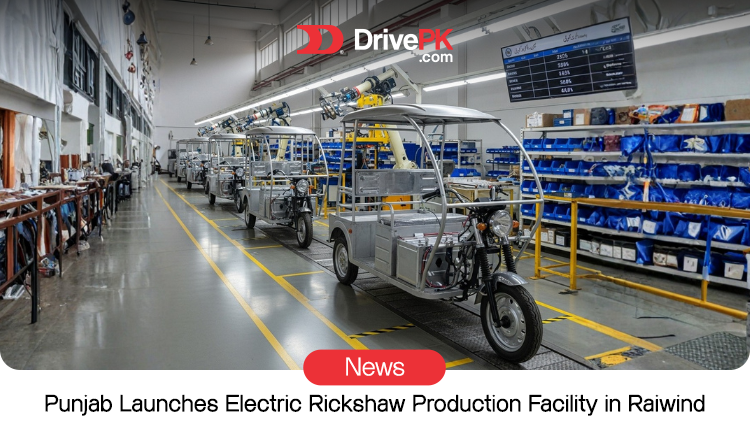
Table of Contents
- What the New Factory Actually Builds
- Punjab Electric Vehicle Policy Is Now Live
- 1,000 Electric Buses Are Coming
- Smog and Pollution Target
- Sialkot Industrial Estate Gets Green Light
- What’s Coming to Punjab Roads
Punjab just took a real step toward cleaner transport. Minister Shafay Hussain opened the province’s first full electric rickshaw manufacturing plant in Raiwind this week.
What the New Factory Actually Builds
Workers assemble everything on site – chassis, body, battery pack, motor, and controller. Each electric rickshaw price will start around Rs 450,000–550,000, depending on battery size. No petrol, no CNG, zero tailpipe smoke. The plant already created 200 direct jobs and can scale up fast.
Punjab Electric Vehicle Policy Is Now Live
The minister confirmed that the provincial EV policy 2025 is final. It offers tax breaks, cheaper electricity rates for charging stations, and easier licenses for commercial EVs. An environment credit policy is next – companies earn credits when they switch fleets to electric.
1,000 Electric Buses Are Coming
Punjab ordered 1,000 battery electric buses from China. First deliveries land in 2026. Instead of keeping them imported forever, a local electric bus assembly plant will open in Punjab within two years.
Smog and Pollution Target
One petrol rickshaw pumps out as much pollution as 50 new cars. Replace a few thousand with electric rickshaws in Lahore and the winter smog numbers drop fast. Same math works for the diesel buses being replaced.
Sialkot Industrial Estate Gets Green Light
While in Raiwind, the minister also approved a 1,400-acre new industrial zone in Sialkot. Factories there can produce EV parts, batteries, or even full vehicles and qualify for the new EV incentives.
What’s Coming to Punjab Roads
- Electric rickshaw for sale signs in Lahore, Faisalabad, Multan
- Public charging stations at CNG pumps and markets
- Lahore electric bus routes starting in 2026
- Cheaper running cost for loaders and passenger rickshaws
- Cleaner air on bad AQI days
Punjab is moving from talk to actual factories and buses. The Raiwind electric rickshaw plant is running today. The buses are already paid for. If the policies stay steady, the province will have more electric vehicles on the road than any other part of Pakistan by 2027, and most of them built right here.
Tags
Share this article
About the Author

Najeeb Khan
Automotive enthusiast and writer
Comments (0)
Login Required
You need to be logged in to comment on this article.
No comments yet. Be the first to share your thoughts!
Related Articles
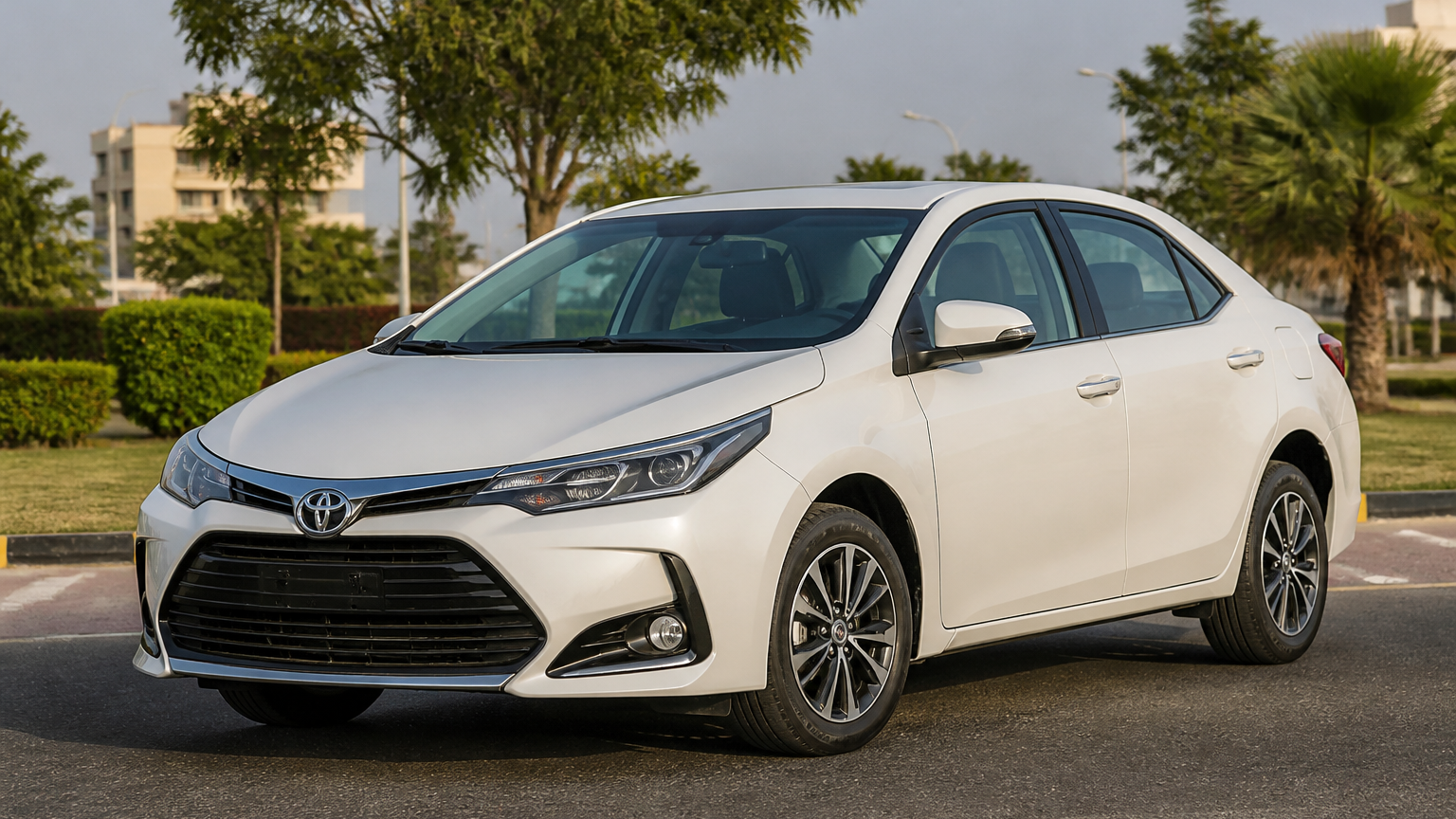
Toyota Corolla Discontinued Before Pakistan Facelift
Pakistan’s pre-facelift Toyota Corolla is reportedly discontinued, hinting at a facelift. Prices, bookings, specs and launch timing remain unconfirmed.
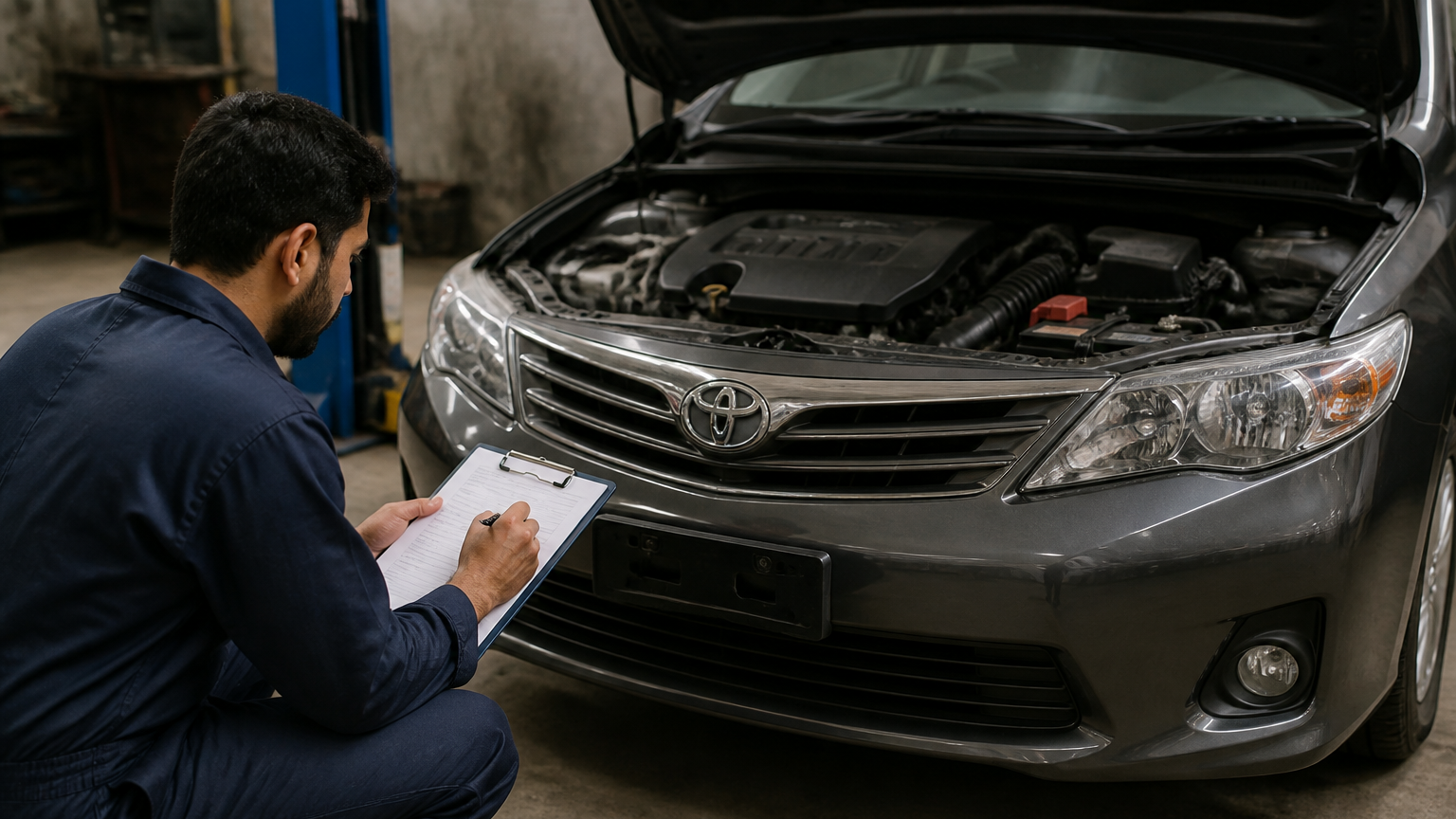
DrivePK Car Inspection Reports: Buy with Confidence
Buying a used car in Pakistan? A pre-purchase inspection can reveal hidden damage, engine issues and red flags before you pay—but it’s not enough alone.
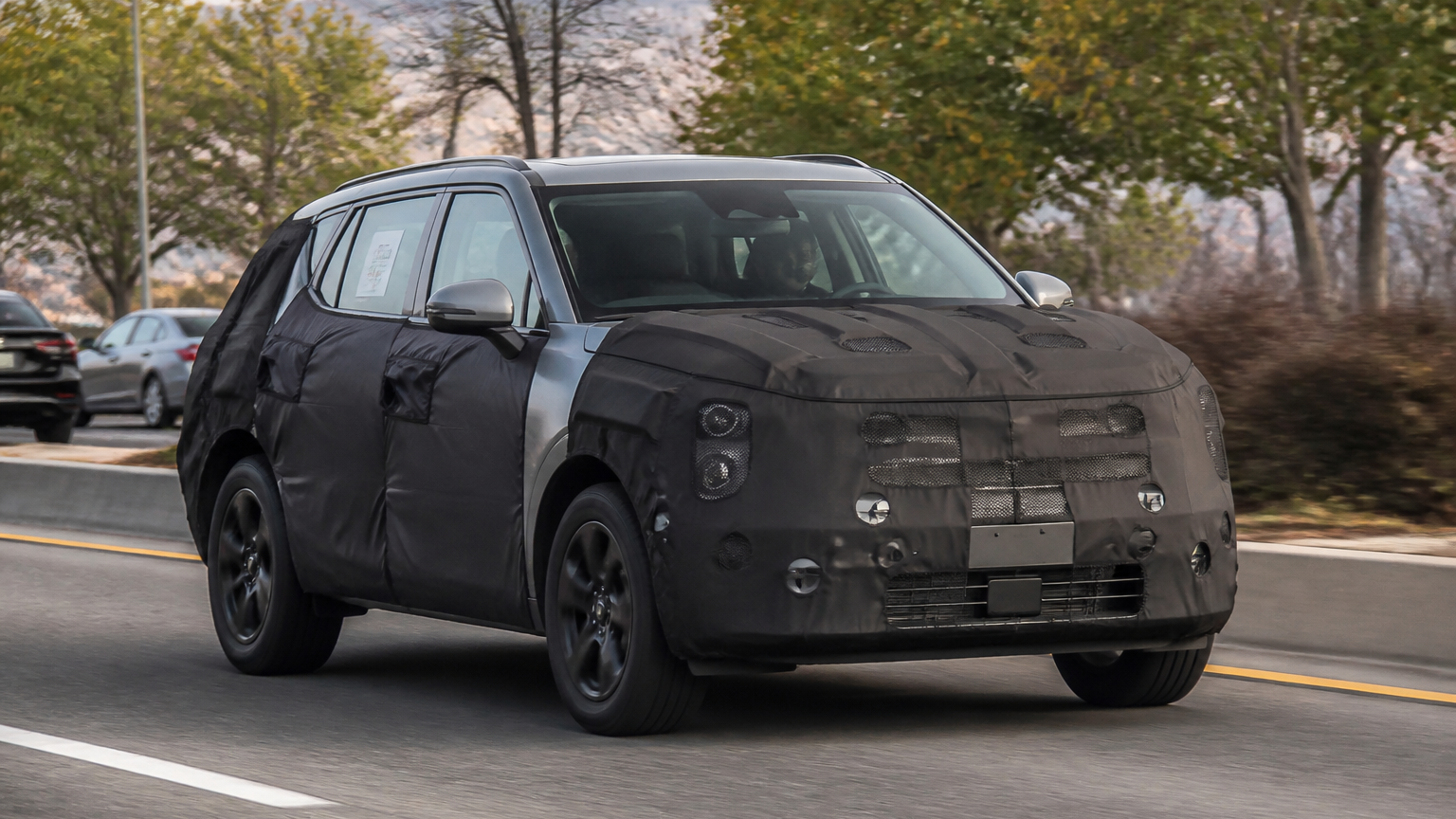
2028 Kia Sportage: Major Design Changes Spotted
Kia’s next Sportage may get a bolder, boxier redesign, with an upright profile, sharper lines, wider grille and split headlights hinted by spy shots.