Punjab Makes EV Charging Stations Mandatory at New Petrol Pumps
Punjab has made it mandatory for all new petrol pumps to install EV charging stations, marking a big step toward cleaner air and sustainable mobility. The policy tackles smog and fuel dependency while making electric vehicle ownership easier for the public. With charging access expanding across cities like Lahore, Faisalabad, and Rawalpindi, Punjab is setting the pace for Pakistan’s electric transport future.
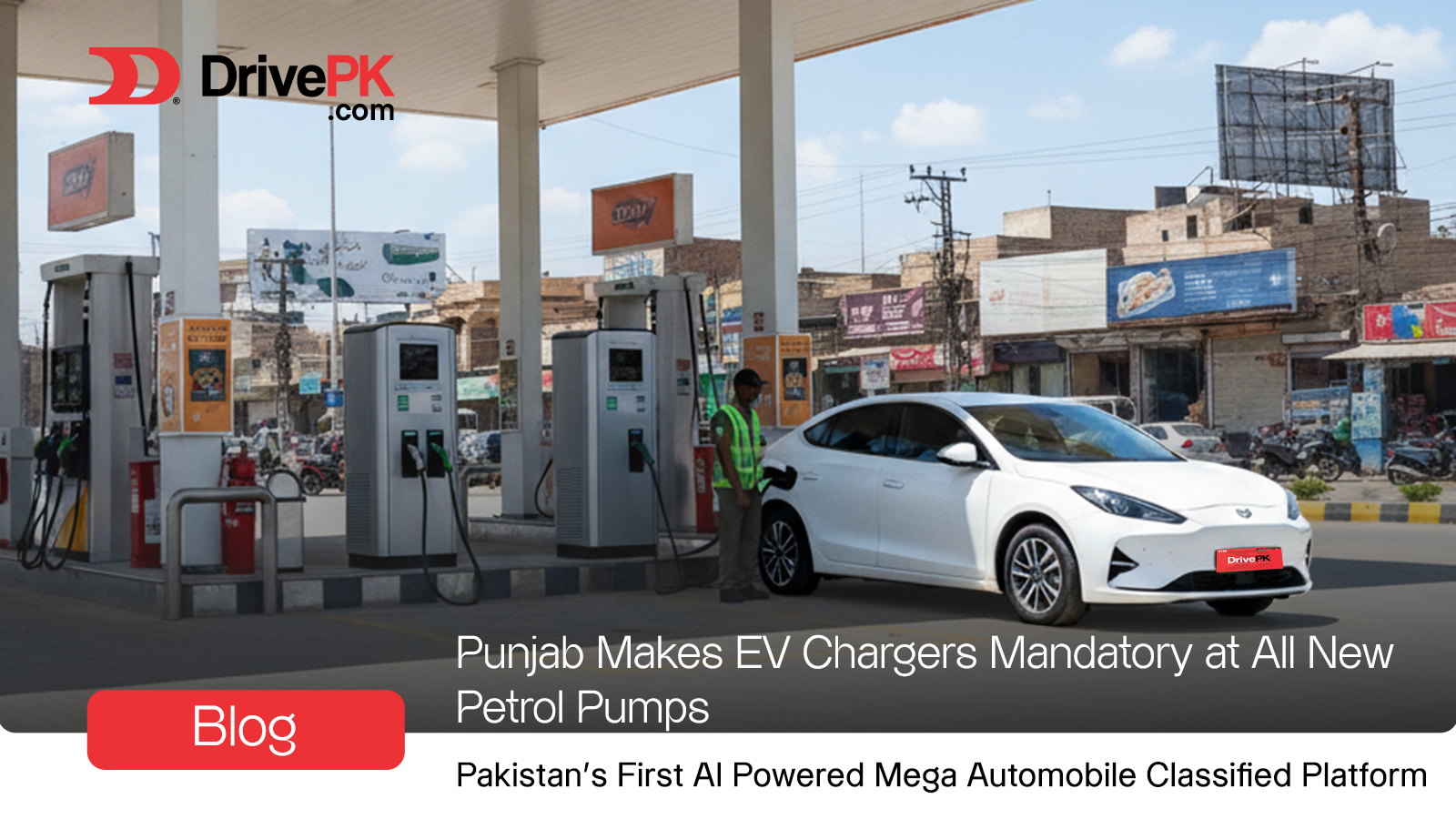
Table of Contents
- A Push for Cleaner Air
- Easier Charging, Better Access
- Responding to Rising Fuel Costs
- A Small Step Toward a Bigger Change
The Punjab government has made a major policy shift. From now on, all new petrol pumps across the province must include electric vehicle (EV) charging stations. The move is part of a broader plan to cut air pollution and support the shift toward cleaner transport.
A Push for Cleaner Air
Air quality in cities like Lahore has reached alarming levels in recent years. Smog and vehicle emissions are significant contributors to the problem. By adding EV charging points at every new fuel station, the government hopes to make electric vehicles easier to own and use. This policy is not just about convenience; it’s about improving public health and reducing harmful emissions.
Easier Charging, Better Access
One of the biggest barriers to EV adoption in Pakistan is the lack of charging infrastructure. Many drivers worry about where they’ll charge their cars, especially on long trips. With this new rule, charging stations will become a common sight across Punjab. This could encourage more people to consider electric vehicles, especially as fuel prices continue to rise.
Officials have said that detailed implementation guidelines for fuel station owners will be released soon. These will outline the technical and safety requirements for installing chargers.
Responding to Rising Fuel Costs
Fuel prices have been a constant source of stress for consumers. Electric vehicles, though still new for many, offer a way to cut long-term running costs. Charging an EV costs far less than filling a petrol tank, and maintenance needs are lower too. The government’s step could help reduce dependence on fossil fuels and create a more balanced energy future.
A Small Step Toward a Bigger Change
While the decision applies only to new petrol pumps for now, it sets the direction for what’s coming next. The province is signaling that the future of mobility is electric. Cleaner air, lower costs, and better infrastructure all depend on choices like these simple, steady steps that make everyday life better.
The policy may seem small today, but it’s a sign that Punjab is starting to move toward a more sustainable and practical transport system, one charging station at a time. For more updates, visit DrivePK.com
Tags
Share this article
About the Author

Najeeb Khan
Automotive enthusiast and writer
Comments (0)
Login Required
You need to be logged in to comment on this article.
No comments yet. Be the first to share your thoughts!
Related Articles
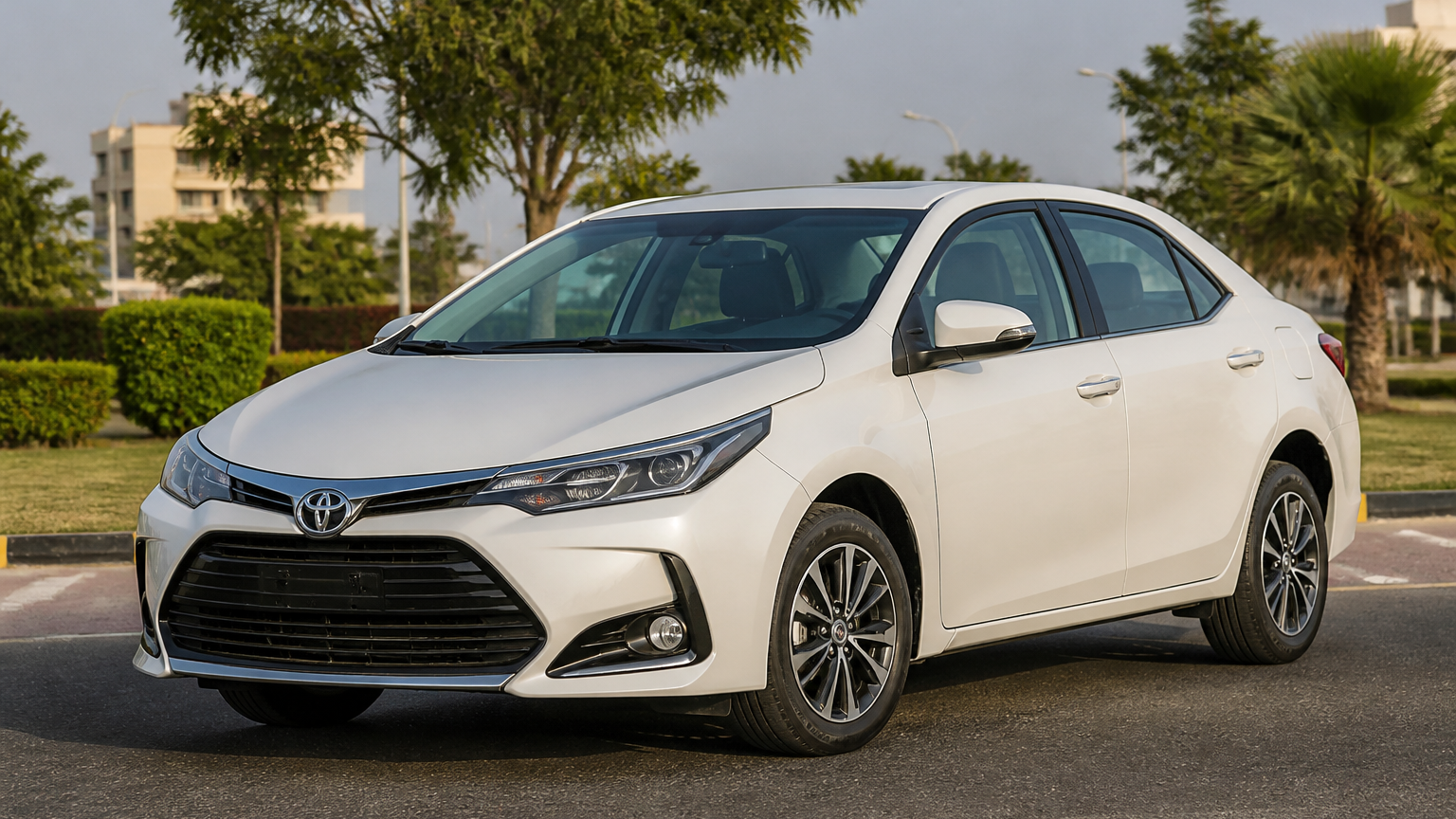
Toyota Corolla Discontinued Before Pakistan Facelift
Pakistan’s pre-facelift Toyota Corolla is reportedly discontinued, hinting at a facelift. Prices, bookings, specs and launch timing remain unconfirmed.
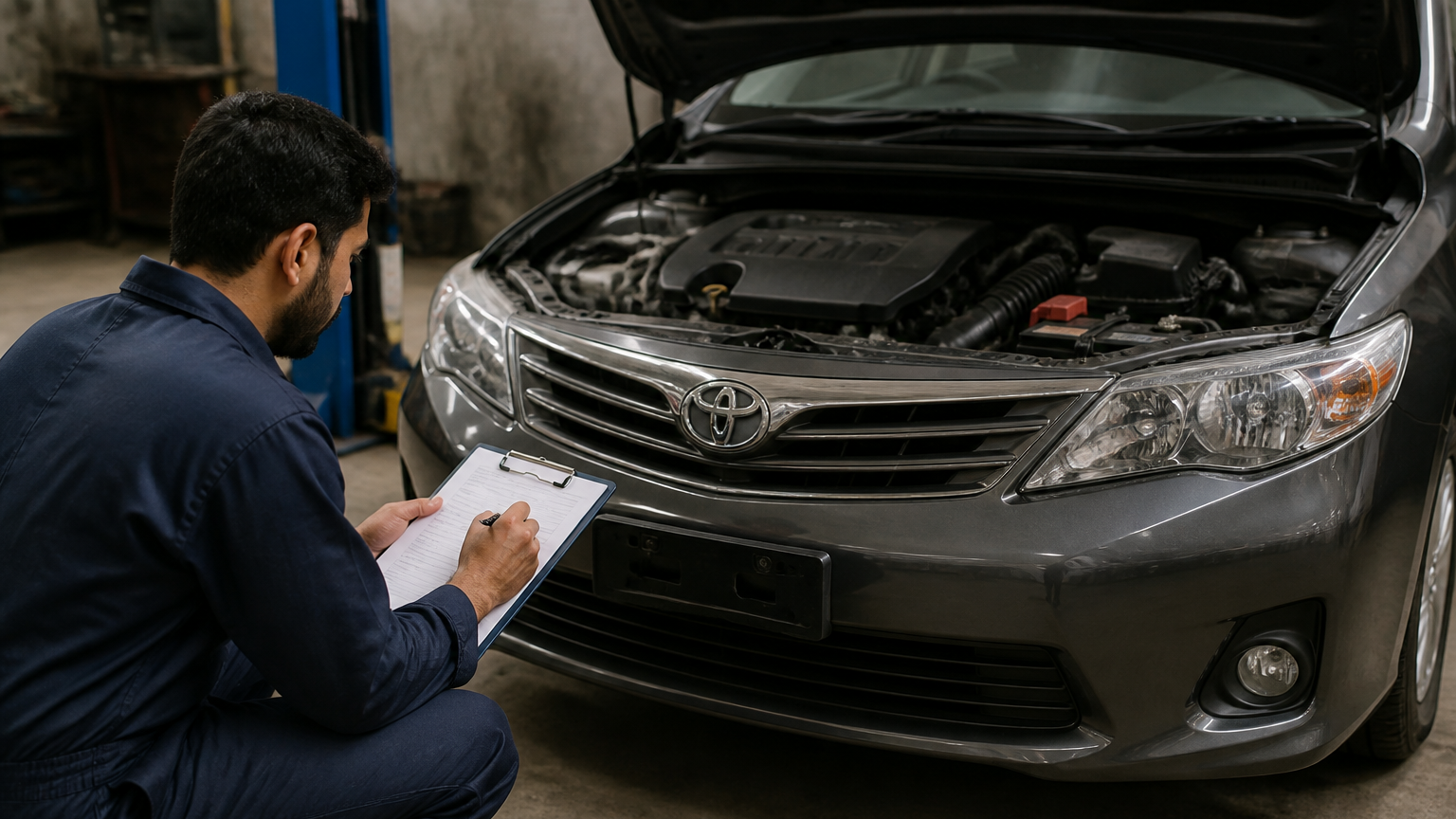
DrivePK Car Inspection Reports: Buy with Confidence
Buying a used car in Pakistan? A pre-purchase inspection can reveal hidden damage, engine issues and red flags before you pay—but it’s not enough alone.
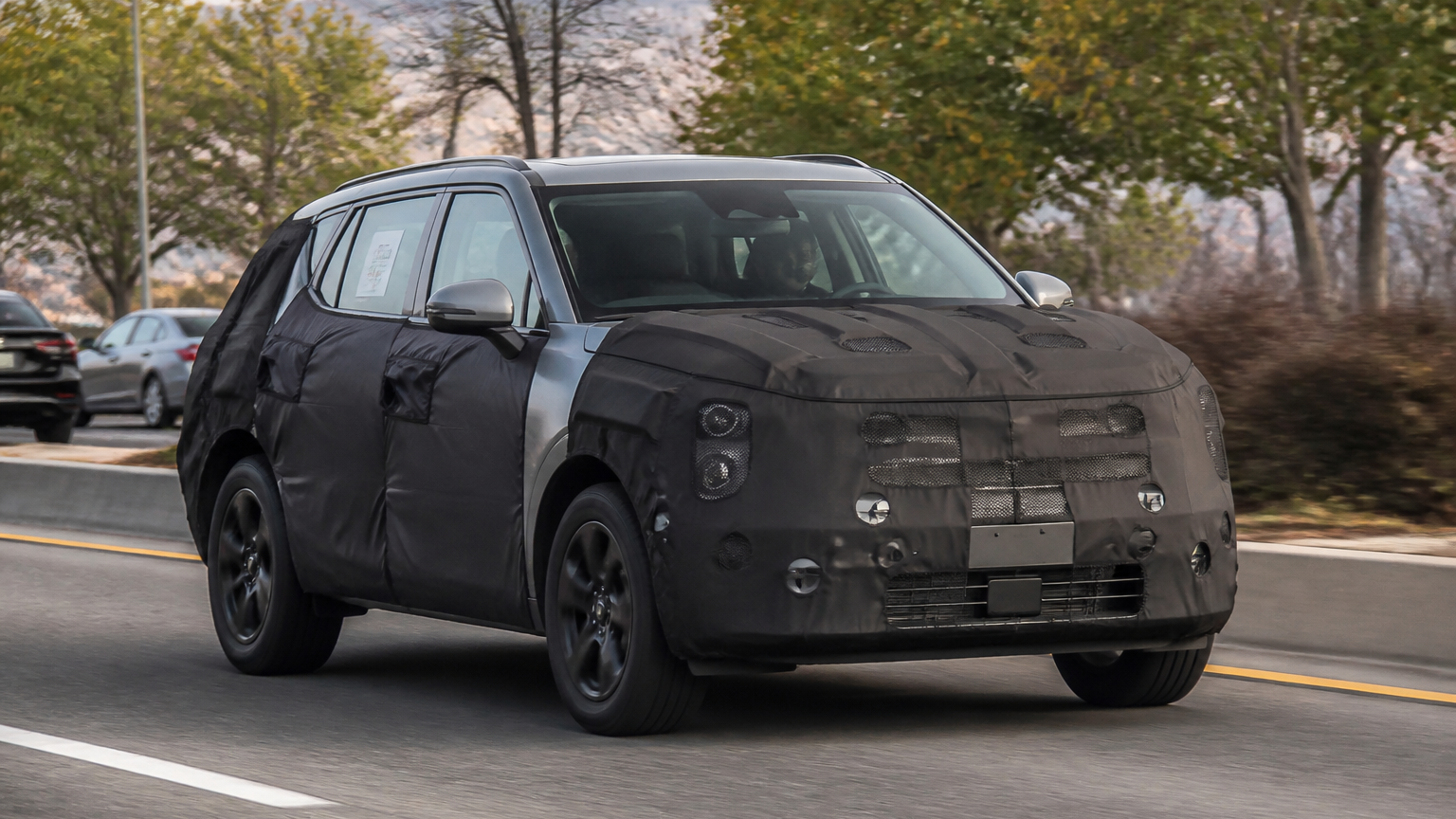
2028 Kia Sportage: Major Design Changes Spotted
Kia’s next Sportage may get a bolder, boxier redesign, with an upright profile, sharper lines, wider grille and split headlights hinted by spy shots.