Punjab Motor Transport Policy 2026: New Rules for Government Vehicles
The Punjab government has released the Motor Transport Policy 2026. All departments must follow new guidelines for buying electric vehicles and managing official transport. Official vehicles go to officers in grade 17 and above, while petrol limits rise by 25 litres per month. The policy is now in effect across the province.
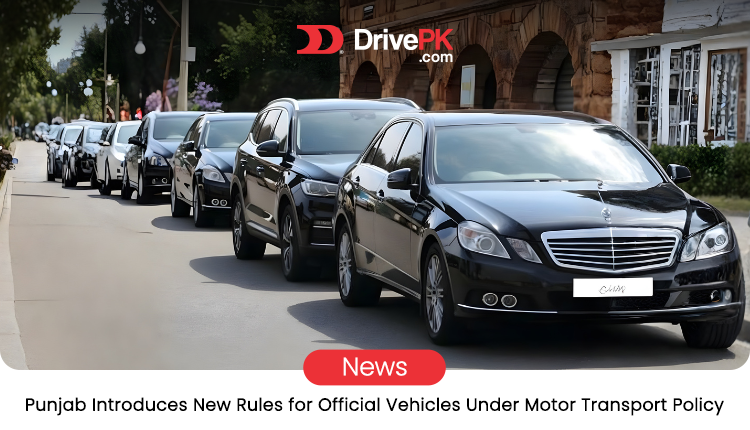
Table of Contents
- Rules for Buying Electric Vehicles
- Who Gets an Official Vehicle
- Petrol Limits Go Up by 25 Litres
- How the Policy Will Work Across Departments
- What It Means for Government Efficiency
- Connection to Broader Transport Goals
- A Practical Step Forward
The Punjab government has put out the Motor Transport Policy 2026. It came after cabinet approval and now applies to every provincial department. The Department of Services, General Administration, and Coordination (S&GAD) sent out the official notification, so the rules are active right away.
This policy sets straightforward guidelines on how government offices handle vehicles. It touches on buying new ones, who gets an official car, and how much fuel officers can use. The aim seems to be better control, fairness, and some support for greener options.
Rules for Buying Electric Vehicles
One clear change is about electric vehicles. If any department wants to buy EVs, it now needs prior approval from the Finance Department.
This step makes sense on paper. Electric vehicles cost more upfront, and departments need charging stations and maintenance plans. Getting Finance to review helps avoid rushed buys that could strain budgets later. It also ensures the purchases fit the bigger picture of government spending.
Punjab has been pushing electric transport in public services. The recent electric bus launches in places like Rajanpur show that direction. For government departments, this approval process adds a layer of checks so the shift to electric happens in a planned way.
Who Gets an Official Vehicle
The policy is specific about official vehicles. Only officers in grade 17 and above will get them.
This brings clarity. In the past, allocation could feel uneven. Now there is a cutoff. Senior officers who handle more responsibilities and travel often will have access to official transport. Junior staff will continue without this perk, which keeps things fair.
It also helps control costs. Not every officer needs a dedicated vehicle. Limiting it to grade 17 and above reduces the total fleet size and the expenses that come with it.
Petrol Limits Go Up by 25 Litres
Another update affects fuel. The monthly petrol limit for all officers has increased by 25 litres.
This adjustment recognises that officers often travel more than before. Development work, field visits, and regular duties add up. The extra fuel gives them some breathing room without needing constant approvals for more.
At the same time, it stays within limits. The increase is fixed, not open-ended. Combined with the rules on vehicle allocation, it tries to balance practical needs with cost control.
For officers using their own cars or pool vehicles, this change can make daily work smoother.
How the Policy Will Work Across Departments
The S&GAD notification means every provincial department must follow these rules now. No exceptions mentioned for specific offices.
Implementation will need coordination. Departments will have to update their internal processes for vehicle purchases and allocations. Finance will play a bigger role in EV decisions. Transport sections will handle the day-to-day petrol and vehicle management.
It is a province-wide change, so bigger departments in Lahore and smaller ones in districts like Rajanpur all come under the same rules. This creates consistency.
What It Means for Government Efficiency
On the surface, these changes look practical. Requiring approval for electric vehicles encourages careful planning. Limiting official cars to senior grades reduces unnecessary vehicles on the road. The extra petrol helps officers focus on work instead of fuel worries.
Over time, this could save money. Fewer vehicles mean lower maintenance and fuel bills overall. A controlled shift to electric vehicles supports long-term savings on fuel imports and better air quality.
But there are real-world points to watch. The extra approval step for EVs might slow things down at first. Departments will need to prepare proper cases for Finance. Training and awareness about the new limits will also matter, so no one breaks the rules by mistake.
Connection to Broader Transport Goals
This policy fits with other steps Punjab has taken. The government is expanding electric buses across districts. It has talked about moving the official fleet toward electric and hybrid options in the past.
The Motor Transport Policy 2026 adds structure to that direction. It does not ban petrol vehicles outright for government use, but it puts controls on new electric purchases. The petrol increase gives immediate relief while the electric transition moves forward.
For the South Punjab districts that are getting new buses and development projects, these rules could help local offices manage their own transport better.
A Practical Step Forward
The Motor Transport Policy 2026 is not dramatic. It is a set of clear, workable rules. It tells departments exactly what they can and cannot do with vehicles and fuel.
Officers in grade 17 and above now know where they stand on official cars. Everyone gets a bit more petrol each month. And the push for electric vehicles comes with proper oversight.
Success will show in how smoothly departments adopt it. If the approval process stays quick and fair, it can speed up the green shift without wasting money. If paperwork gets too heavy, it might create delays.
For now, the policy is in place. Government offices across Punjab will start working under these new guidelines. It is one more piece in the effort to run public services efficiently and responsibly. For more updates, visit DrivePK.com
Tags
Share this article
About the Author

Najeeb Khan
Automotive enthusiast and writer
Comments (0)
Login Required
You need to be logged in to comment on this article.
No comments yet. Be the first to share your thoughts!
Related Articles
Toyota Corolla Discontinued Before Pakistan Facelift
Pakistan’s pre-facelift Toyota Corolla is reportedly discontinued, hinting at a facelift. Prices, bookings, specs and launch timing remain unconfirmed.
DrivePK Car Inspection Reports: Buy with Confidence
Buying a used car in Pakistan? A pre-purchase inspection can reveal hidden damage, engine issues and red flags before you pay—but it’s not enough alone.
2028 Kia Sportage: Major Design Changes Spotted
Kia’s next Sportage may get a bolder, boxier redesign, with an upright profile, sharper lines, wider grille and split headlights hinted by spy shots.