Punjab Motorcycle Bill 2026: Minors 16+ Can Ride Legally with Permits
Punjab's Motor Vehicles Amendment Bill 2026 lets minors 16 and up ride motorcycles legally with Juvenile Driving Permits. Passed by the Home Affairs Committee, it updates the 1965 Ordinance to boost safety through training and supervision, cutting illegal rides and accidents.
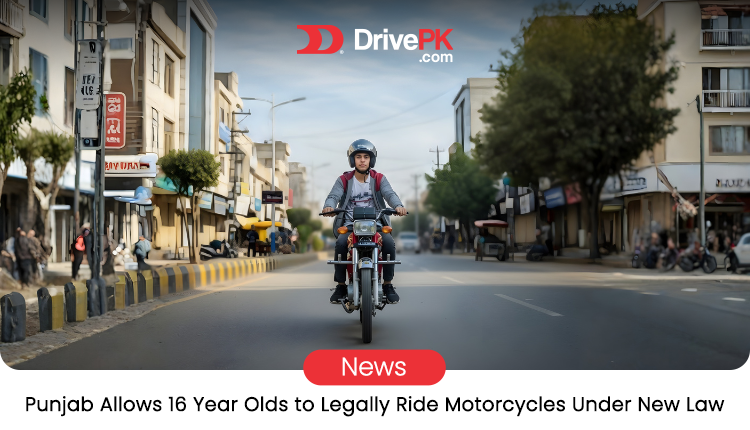
Table of Contents
- Details on the Juvenile Driving Permit
- Pushing for Better Road Safety
- How It Fits the Bigger Picture
- Challenges Ahead
- What It Means for Families
- Next Steps and Watch List
Punjab just made a big shift in how teens handle motorcycles. The Motor Vehicles Amendment Bill 2026 cleared the Punjab Assembly's Home Affairs Committee. Now, kids aged 16 and older can ride legally, but only under tight rules. It's a step to rein in the chaos on roads where young riders often break laws.
For years, underage riding has been a headache. Teens zip around without licenses, leading to wrecks. This bill aims to fix that by bringing them into the system. Instead of bans, it's about control and education. The change updates the old Motor Vehicles Ordinance from 1965. That law was strict; no riding under 18. Now, it's adapting to reality.
The bill heads to the full Punjab Assembly next. Debates will happen, then a vote. If it passes, expect changes soon. Parents and teens in places like Rawalpindi should watch this closely. It could mean safer streets for everyone.
Details on the Juvenile Driving Permit
At the heart of this is the Juvenile Driving Permit. It's not a free pass. Minors 16 and up must apply, pass tests, and follow guidelines. Think training courses on safe riding, helmet use, and road rules. Supervision is key; maybe a parent or guardian rides along at first.
The permit sets limits. No carrying passengers, perhaps. Or restrictions on engine size. Details will come out in the final version. But the goal is clear: teach responsibility early. Illegal riding drops when there's a legal path. And with oversight, accidents involving young riders could fall.
Why 16? It matches ages for other activities, like some jobs or voting in places. Punjab sees many teens on bikes already, especially in rural spots. Banning them outright doesn't work. This way, they learn under watch.
Committee members reviewed it thoroughly. They heard from experts on safety and traffic. No major pushback so far. It seems like a practical fix.
Pushing for Better Road Safety
Road accidents kill too many in Punjab each year. Motorcycles are involved in a big share. Young riders, without training, make risky moves. Speeding, no helmets, wrong turns. This bill tackles that head-on.
By requiring permits, the government promotes classes. Teens learn about signals, braking, and hazards. Supervision means adults guide them. It's like training wheels for the road. Over time, this could cut crashes.
Illegal riding hides problems. Cops chase unlicensed kids, but it doesn't stop them. Now, with a framework, focus shifts to prevention. Fewer fines, more education. That's smarter.
Think about families. Parents worry when kids sneak out on bikes. This gives a safe option. Register, train, ride right. It builds habits that last.
And for the community? Safer roads mean less strain on hospitals and police. Everyone wins when fewer wrecks happen.
How It Fits the Bigger Picture
Punjab isn't alone in rethinking teen driving. Other places have similar setups for scooters or bikes. The 1965 ordinance was outdated. Cars were rare back then; now, traffic is nonstop. Updates like this keep laws relevant.
The bill ties into broader safety drives. Helmet campaigns, speed checks, better signage. All part of making Punjab's roads less deadly. Data shows young riders cause or suffer in many incidents. Regulating them early helps.
But it's not perfect. Enforcement matters. Will there be enough trainers? How strict on tests? Debates in the assembly will hash that out. Input from riders and parents could shape it.
In urban areas like Lahore or Rawalpindi, this hits home. Busy streets, heavy traffic. Teens need skills to navigate. Rural roads have their own risks, such as potholes and animals. Training covers both.
Challenges Ahead
No change is easy. Some worry about more bikes on the roads. Will it lead to congestion? Or encourage reckless behavior? The bill's conditions aim to counter that. Strict rules weed out the unprepared.
Cost is another thing. Permits might have fees. Training classes, too. For low-income families, that could be a barrier. Hopefully, subsidies or free sessions come in.
Monitoring is key. How to ensure supervision? Tech like apps or logs? Details are pending.
Critics say 16 is too young. Brains aren't fully developed. But supporters point to data: regulated young drivers do better than hidden ones.
The assembly debate will bring voices from all sides. Amendments might tweak ages or rules. It's democracy at work.
What It Means for Families
If you're a parent in Punjab, talk to your teen. Explain the bill. If they want to ride, stress safety first. Look for upcoming permit info.
For teens, it's a chance. Legal riding means freedom, but with strings. Pass the test, wear gear, follow laws. It's grown-up stuff.
Schools might get involved. Awareness programs on road safety. That reinforces the message.
In the end, this could save lives. One less accident is worth it.
Next Steps and Watch List
The bill will go to the Punjab Assembly soon. Follow the news for debate dates. If approved, implementation might start mid-2026.
Check government sites for permit applications. Traffic police will likely handle it.
This is progress. Punjab adapts to modern needs while prioritizing safety. Fingers crossed, it works.
Safer roads start with smart rules. This bill could be a model for others. Time will tell.For more updates, visit DrivePK.com
Tags
Share this article
About the Author

Najeeb Khan
Automotive enthusiast and writer
Comments (0)
Login Required
You need to be logged in to comment on this article.
No comments yet. Be the first to share your thoughts!
Related Articles
Toyota Corolla Discontinued Before Pakistan Facelift
Pakistan’s pre-facelift Toyota Corolla is reportedly discontinued, hinting at a facelift. Prices, bookings, specs and launch timing remain unconfirmed.
DrivePK Car Inspection Reports: Buy with Confidence
Buying a used car in Pakistan? A pre-purchase inspection can reveal hidden damage, engine issues and red flags before you pay—but it’s not enough alone.
2028 Kia Sportage: Major Design Changes Spotted
Kia’s next Sportage may get a bolder, boxier redesign, with an upright profile, sharper lines, wider grille and split headlights hinted by spy shots.