Punjab Reduces Public Transport Fares After Rs14 Diesel Price Cut
Punjab has cut public transport fares after diesel prices fell by Rs14 to Rs265.65 per liter. Minister Bilal Akbar Khan mandates revised lists, district monitoring, and strict actions against overchargers to pass savings to citizens.
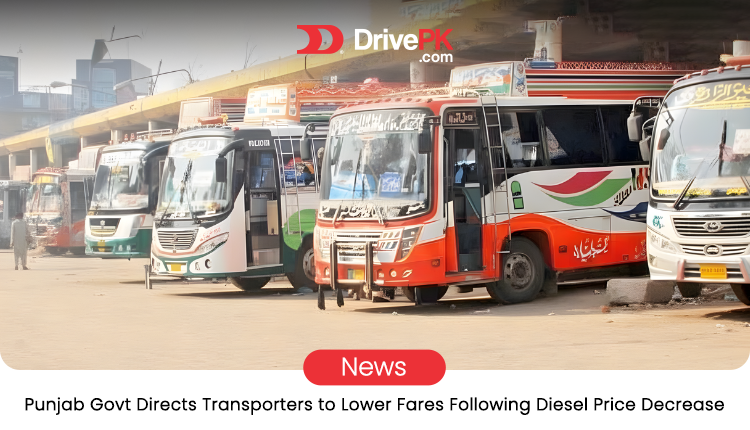
Table of Contents
- Punjab Slashes Public Transport Fares After Diesel Price Drop
- Behind the Fare Cut
- How They'll Make It Work
- Impact on Commuters and Economy
- Broader Picture in Pakistan
- What Riders Should Do
Punjab Slashes Public Transport Fares After Diesel Price Drop
Travel just got cheaper in Punjab. The provincial government has cut fares for buses and other public vehicles. This follows a big drop in diesel prices. Transport Minister Bilal Akbar Khan made the call. He wants the savings to reach everyday commuters. No more high costs for rides. But will it stick? Enforcement is key here.
The move hits at a good time. Fuel costs eat into transport budgets. When diesel falls, fares should too. That's the logic. Punjab is making sure it happens fast. Revised lists are out. Teams check compliance. Overchargers face trouble. It's a push for fair play on roads.
Behind the Fare Cut
Diesel prices tumbled by Rs 14 per liter. From Rs279.65 to Rs265.65. Effective from December 16, 2025. Petrol stayed the same. But diesel powers most buses and trucks. So this matters a lot.
The government didn't wait. Minister Khan ordered action right away. He told officials to update fare charts. These show new rates for routes across Punjab. From Lahore to Multan, expect lower prices.
Why now? Fuel relief should go to people, not the pockets of operators. Inflation bites hard. This eases some pain. Families save on daily commutes. Students too. It's direct help.
But history shows mixed results. Past cuts didn't always pass on. Transporters resisted. This time, the plan is tighter.
How They'll Make It Work
Authorities aren't leaving it to chance. Monitoring teams form in every district. They spot-check buses and vans. Ask passengers about fares. Note violations.
Regional Transport Authorities (RTAs) lead this. They report back regularly. Progress on cuts. Issues faced. It's accountability in action.
Penalties are clear. Overcharge? Pay back extra cash on the spot. No excuses. Repeat offenders risk fines or license pulls. Minister Khan said no leniency.
This setup aims to build trust. Commuters report issues more easily. Hotlines maybe. Or apps. Though not specified yet.
Implementation starts now. Fares adjust based on diesel savings. No exact percentages given. But proportional to the Rs14 drop. For a Lahore-Islamabad bus, it could mean Rs50-100 less per ticket. Depends on the distance.
Impact on Commuters and Economy
Think about daily riders. Office workers in Lahore. They hop on wagons or buses. Savings add up. Rs20 less per trip? That's Rs400 a month. Buys groceries.
For longer hauls, bigger wins. Trucks carry goods more cheaply. Prices at markets dip. Inflation cools a bit.
The sector gets a boost. Transparent rules mean less corruption. Touts lose ground. Operators who follow thrive.
But challenges lurk. Rural areas might lag. Fewer teams there. Fuel stations vary in price slightly. Enforcement must cover all.
Public response? Positive so far. Social media buzzes with thanks. But watch for gripes if cuts don't show.
The government sees this as a win. Promotes the use of public transport. Fewer cars, less traffic. Cleaner air, too.
Broader Picture in Pakistan
This isn't isolated. Federal fuel adjustments happen bi-weekly. December's cut focused on diesel. Helps transport and farming.
Other provinces watch. Sindh or KP might follow. National policy ties in.
Road safety ties here. Cheaper fares mean more riders. Buses must stay safe. Overloading risks rise.
Education helps. Tell people the new rates. Posters at stops. Announcements.
Minister Khan stressed transparency. "Benefits go to the public," he said. No middlemen.
If successful, sets a model. Future drops lead to quick cuts.
What Riders Should Do
Check new fares. Ask at terminals. Report overcharges. Use official channels.
Operators: Update signs. Train staff. Avoid fines.
Overall, it's a relief in tough times. Punjab steps up.
Watch for updates. If diesel dips more, fares might too.
This move shows the government listening. Fuel down, fares down. Simple.
For more updates, visit DrivePK.com
Tags
Share this article
About the Author

Najeeb Khan
Automotive enthusiast and writer
Comments (0)
Login Required
You need to be logged in to comment on this article.
No comments yet. Be the first to share your thoughts!
Related Articles
Toyota Corolla Discontinued Before Pakistan Facelift
Pakistan’s pre-facelift Toyota Corolla is reportedly discontinued, hinting at a facelift. Prices, bookings, specs and launch timing remain unconfirmed.
DrivePK Car Inspection Reports: Buy with Confidence
Buying a used car in Pakistan? A pre-purchase inspection can reveal hidden damage, engine issues and red flags before you pay—but it’s not enough alone.
2028 Kia Sportage: Major Design Changes Spotted
Kia’s next Sportage may get a bolder, boxier redesign, with an upright profile, sharper lines, wider grille and split headlights hinted by spy shots.