Punjab Relaunches E-Bike Scheme: 100,000 Bikes for Students on Easy Installments
Punjab Chief Minister Maryam Nawaz has relaunched the e-bike scheme, targeting 100,000 electric bikes for students with big subsidies and easy payments. Special help for female students and government employees. Plus, big plans for electric buses. Here's everything you need to know.
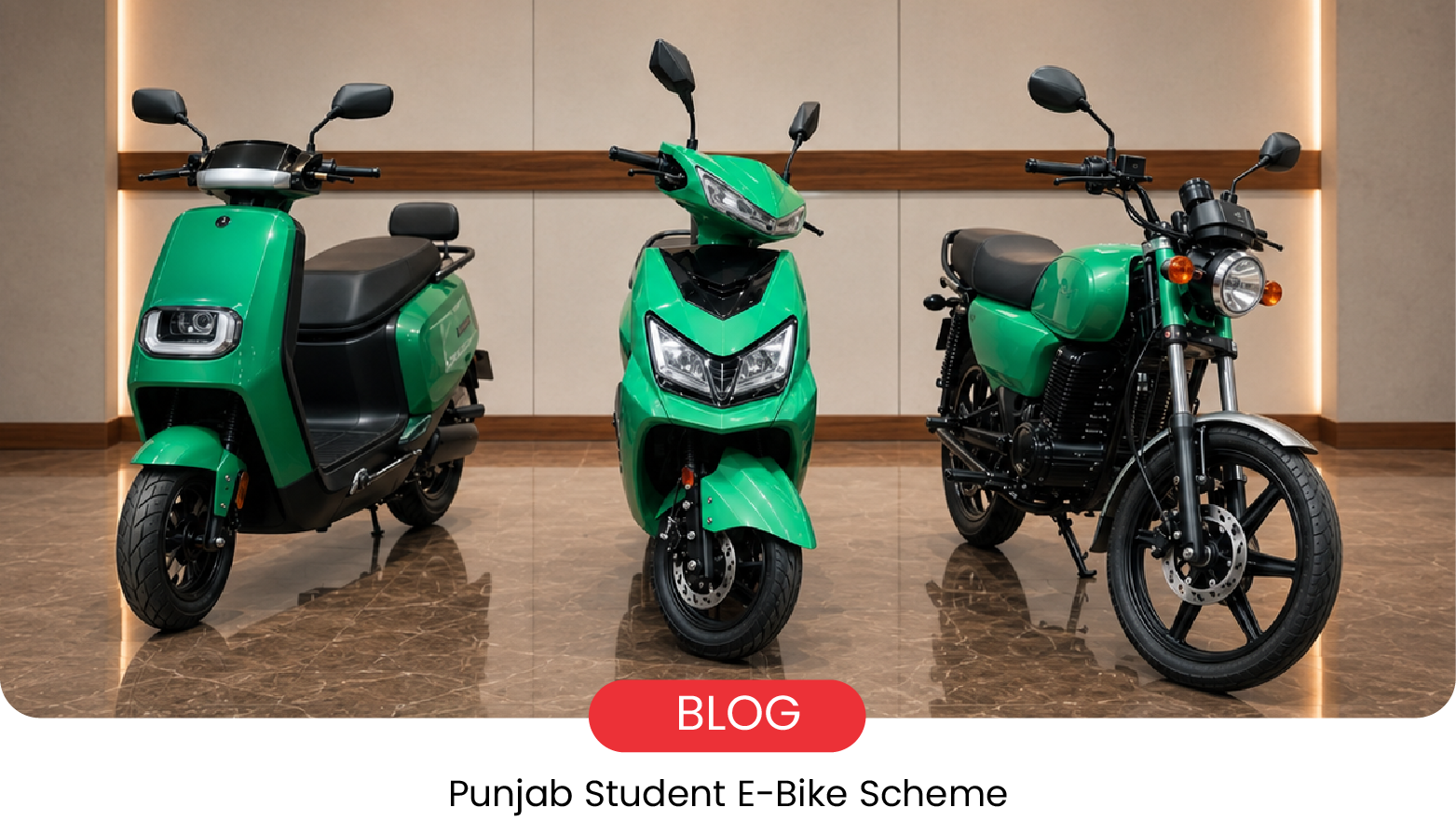
Table of Contents
- How the E-Bike Scheme Works
- Why This Matters for Students and Families
- Electric Buses: Bigger Picture for Punjab Transport
- Benefits Beyond Convenience
- Potential Challenges and Realistic View
- Who Can Benefit and Next Steps
- A Practical Push for Green Mobility
Getting to college or work shouldn't be such a struggle. Many students in Punjab deal with long commutes, high fuel costs, and unreliable transport every day. The Punjab government just announced something that could make life easier for thousands of them.
Chief Minister Maryam Nawaz has approved the relaunch of the e-bike scheme. The plan is to distribute 100,000 electric bikes to students within one year. These come on easy, interest-free installment plans with a solid government subsidy.
How the E-Bike Scheme Works
The government is putting in real support. Here's the breakdown:
- Subsidy: Rs70,000 per e-bike from the Punjab government.
- For male students: Rs14,000 down payment, then monthly installments of Rs2,100 (interest-free).
- For female students: The CM covers the down payment and registration fee. They only handle the monthly Rs2,100 installments.
- Eligibility: Students, and now government employees can also apply.
This interest-free structure removes the burden of markup that usually makes financing expensive. Over time, the payments stay manageable for students and young workers from different backgrounds.
The scheme builds on previous efforts to promote green transport and help youth with affordable mobility. Distributing such a large number 100,000 in a year shows serious intent to reach students across the province.
Why This Matters for Students and Families
Think about a student traveling from a smaller town or village to college in a bigger city. Public transport can be crowded and time-consuming. Petrol bikes add fuel expenses that add up fast. An e-bike changes that.
Electric bikes cost almost nothing to run compared to petrol ones. No more worrying about petrol price hikes every few weeks. Charging is cheaper, and maintenance is usually simpler.
For female students, the extra support on down payment and registration removes barriers. It encourages more girls to continue education without transport worries holding them back. That's a practical step toward better access.
Government employees getting eligibility broadens the reach. Many public servants, especially in education or field roles, can benefit too.
Electric Buses: Bigger Picture for Punjab Transport
The announcement didn't stop at bikes. During the same meeting, plans for electric buses came up. Punjab has started assembling electric buses locally a key milestone for self-reliance in EV manufacturing.
The first phase targets 1,500 electric buses across 91 tehsils. This covers divisions like Gujranwala, Gujrat, Rawalpindi, Multan, Sahiwal, Bahawalpur, Dera Ghazi Khan, Faisalabad, and Sargodha.
Longer term, the goal is 5,000 electric buses over the next five years. Some buses are already ready (189 new ones), with more shipments expected from China soon. New services and fleet expansions are planned in several districts.
This fits a wider push for green transport: e-bikes, e-taxis, electric three-wheelers, and now locally assembled buses. It aims to cut pollution, reduce fuel imports, and create jobs in the emerging EV sector.
Benefits Beyond Convenience
These initiatives touch several real pain points:
- Affordability: Subsidies and zero-interest payments make EVs accessible to students who couldn't afford them otherwise.
- Environment: More electric vehicles mean less smoke on the roads. Punjab faces air quality challenges, especially in urban areas and during certain seasons.
- Education and Mobility: Easier commutes can improve attendance and reduce dropout rates linked to transport issues.
- Economic Impact: Local assembly of buses supports industry and skills development. Widespread adoption of e-bikes can boost related services like charging stations.
For families stretching their budgets, every rupee saved on transport helps with other needs like books, fees, or food.
Potential Challenges and Realistic View
No scheme is perfect. Some past bike distribution programs faced issues with delivery timelines, quality checks, or awareness in rural areas. With 100,000 units, the government will need strong logistics and transparent selection.
Charging infrastructure matters. While home or college charging works for many, wider availability of stations will help, especially in smaller towns.
Eligibility and application processes should stay fair and simple. Students will want clear information on how to apply, required documents, and timelines.
On the bus side, integration with existing routes, driver training, and maintenance will determine success. But starting local assembly is a positive signal for long-term sustainability.
Who Can Benefit and Next Steps
- Students: Enrolled in recognized institutions check official portals for exact criteria.
- Female students: Extra financial relief makes it even more accessible.
- Government employees: Now eligible under the expanded scheme.
Keep an eye on official announcements from the Punjab government, Bank of Punjab (often involved in such financing), or the relevant transport department. Online application portals usually open once details are finalized.
If you're a student or know one who commutes daily, this could be worth exploring soon. Similar past schemes saw quick uptake once payments started.
A Practical Push for Green Mobility
Punjab's move combines immediate relief for students with longer-term investment in electric transport. The e-bike scheme with its Rs70,000 subsidy and interest-free structure directly helps young people. The electric bus expansion, including local assembly, shows ambition for cleaner public transport across 91 tehsils and beyond.
It's not going to solve every transport problem overnight. But it addresses real needs: affordability, access to education, reduced pollution, and support for local manufacturing.
As these programs roll out over the coming year, results on the ground will tell the full story. For now, it offers hope to students tired of expensive or difficult daily travel. Families and young workers stand to gain too.
Punjab is betting on electric vehicles to shape the future of mobility in the province. If implemented well, initiatives like these can make a meaningful difference in daily lives while supporting broader environmental and economic goals.
Stay updated through official channels, and if eligible, consider how an e-bike could fit your routine. Changes like this make getting around a little less of a burden.For more updates, visit DrivePK.com
Tags
Share this article
About the Author

Najeeb Khan
Automotive enthusiast and writer
Comments (0)
Login Required
You need to be logged in to comment on this article.
No comments yet. Be the first to share your thoughts!
Related Articles
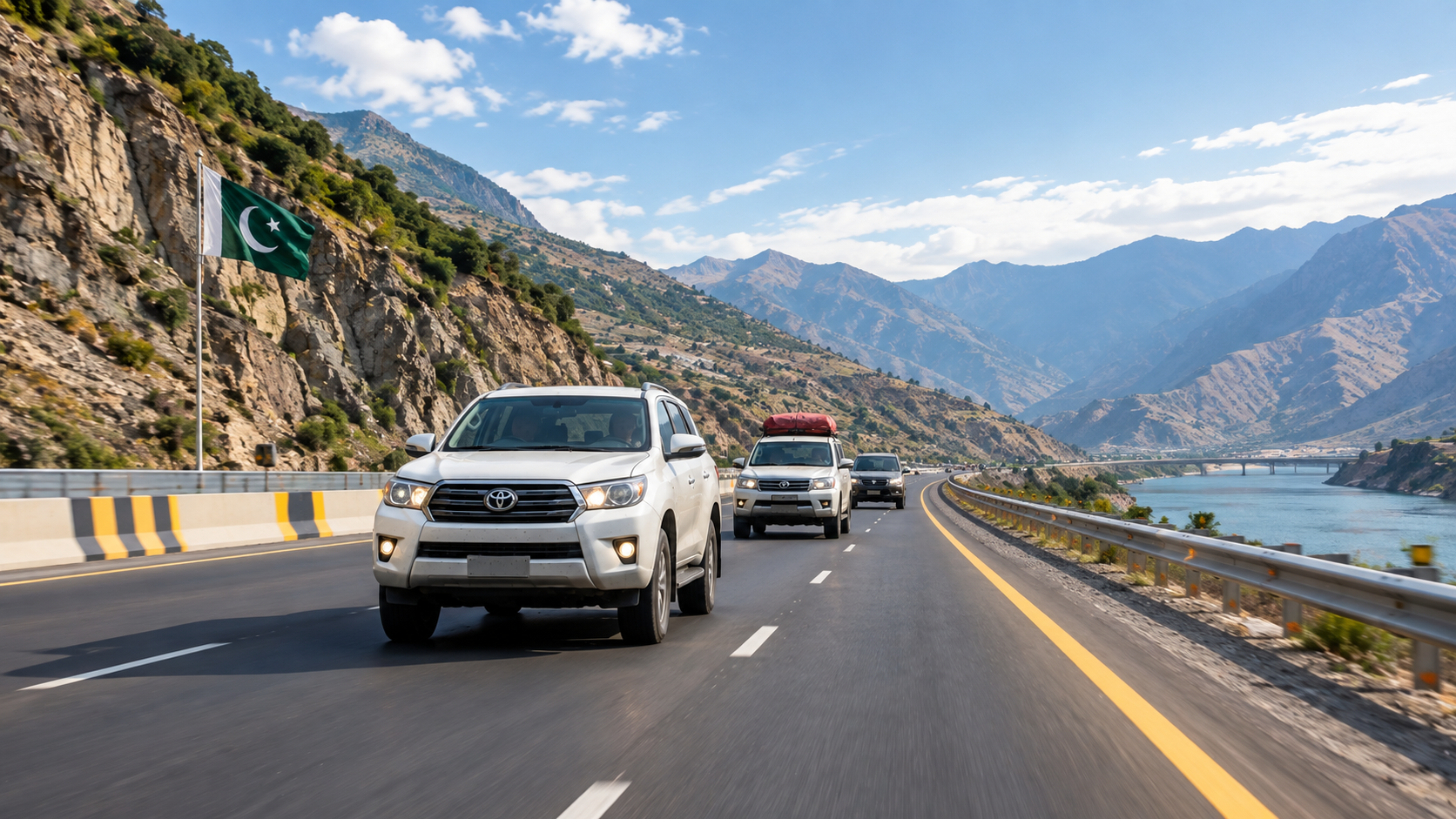
Baltistan Highway Safety Measures Ordered Amid Landslides
Gilgit-Baltistan orders urgent safety measures on the Baltistan Highway after landslides disrupt travel, tourism and goods along the key Skardu link.
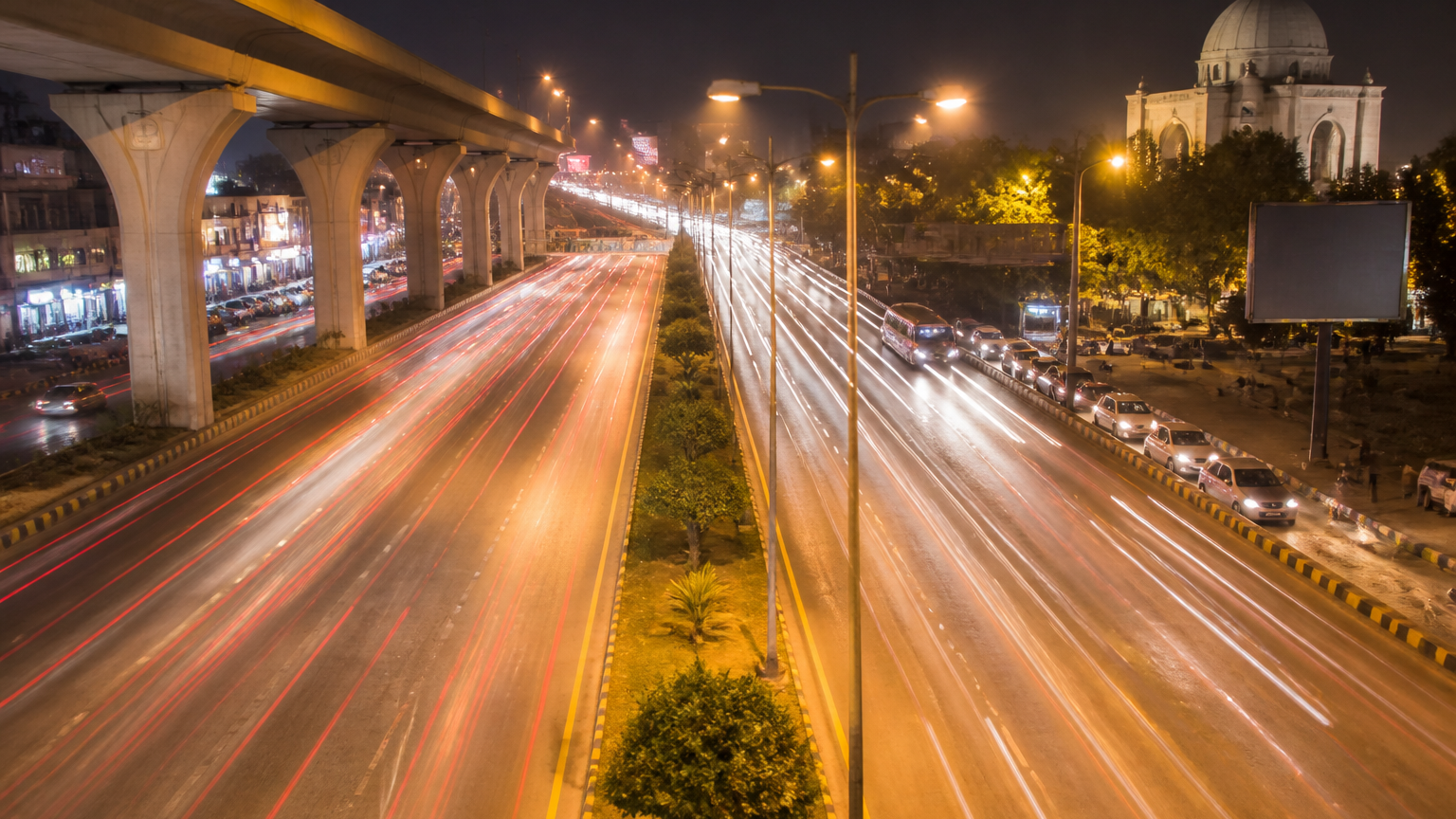
Rawalpindi Approves Rs. 6.5bn Road Schemes
A Rs6.5bn plan for 18 roads around Rawalpindi is circulating—but without official documents, it remains an unverified report, not a confirmed project.
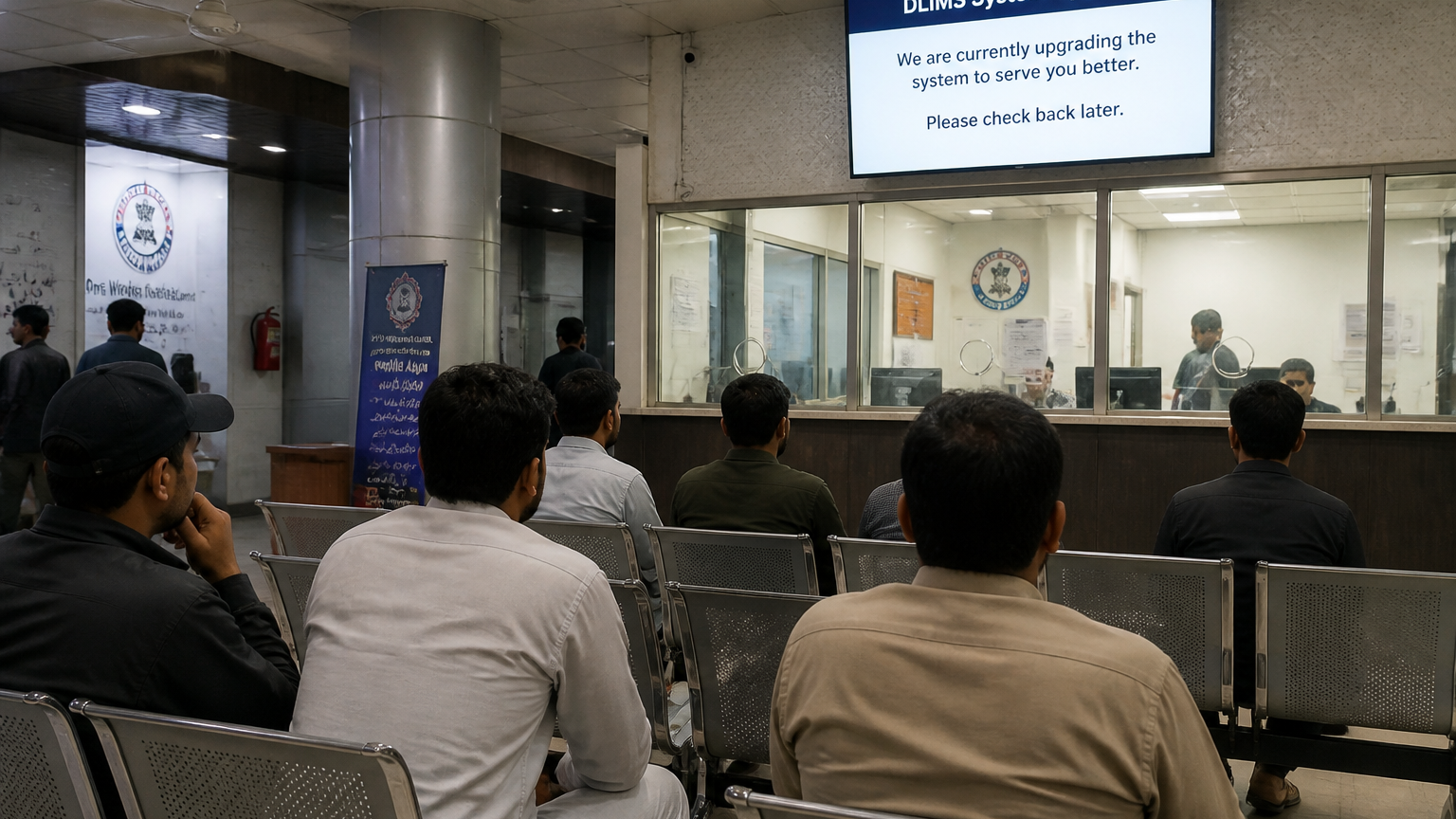
Punjab Driving License Services Suspended for DLIMS Upgrade
Punjab driving license services may be disrupted during a DLIMS upgrade. Check official updates before visiting a licensing center to avoid a wasted trip.