Punjab Transporters Call Off Strike After Government Talks 2025
Punjab transporters ended their strike after government talks, resuming bus and truck services while a committee reviews traffic rules to ensure fair enforcement.
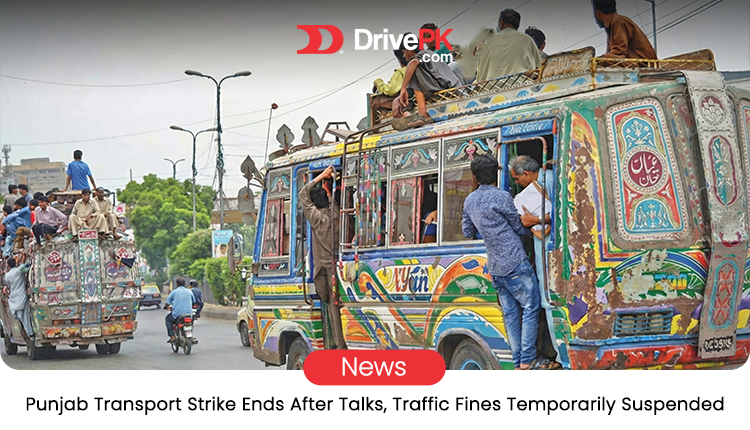
Table of Contents
- What Led to the Strike?
- The Negotiations That Turned Things Around
- Key Parts of the Agreement
- How It Affected Everyday People
- What's Next for Punjab's Roads?
People in Punjab can breathe easier now. The transporters' wheel-jam strike ended quickly after talks with the provincial government. It started with heavy fines in the new traffic rules, but wrapped up the same day. This means buses and trucks are back on the roads without much hassle.
The strike hit on December 8, 2025, but didn't last long. By evening, both sides shook hands on a deal. No more blocked highways or empty bus stands for now.
What Led to the Strike?
Transporters weren't happy with the Traffic Ordinance 2025. They called it unfair, especially the steep fines for things like overloading or missing fitness certificates. Fines could reach up to PKR 50,000, walloping small operators. They worried it would drive them out of business.
Groups like the Punjab Transporters Alliance rallied against it. They demanded the government scrap or fix the rules. The strike shut down some routes, but not everything. City buses and intercity services kept running in many places.
Protests popped up in Lahore, Rawalpindi, and other spots. Drivers parked their vehicles on roads to make their point. But police kept watch, and things stayed mostly peaceful.
The Negotiations That Turned Things Around
Talks kicked off fast. Punjab Transport Minister Bilal Akbar Khan met with transporter leaders. They hashed out the problems face-to-face.
By the end of the day, transporters agreed to end the strike. "We called it off because the government accepted our demands," said one committee member. But there was some mix-up later when the minister spoke. He said enforcement stopped for now, but some transporters thought it meant full changes right away.
Still, the deal stuck. Everyone went home with a plan to sort things out.
Key Parts of the Agreement
Here's what they settled on:
- A committee will look into the transporters' complaints. It includes people from both sides to review the rules fairly.
- Challans for commercial vehicles are on hold. No tickets under the new rules until the review finishes.
- The government paused the Traffic Rules 2025 for trucks and buses. Amendments are coming based on what the committee finds.
- Full services resume right away. Transporters promised to get back to work without delay.
These steps give transporters breathing room. They can operate without fear of big fines while talks continue.
How It Affected Everyday People
The strike could have been a mess, but it wasn't too bad. Most urban transport kept going. People in Lahore and Karachi got to work okay. Intercity buses ran spottily in some areas, though.
Authorities warned against any trouble. "We'll take strict action if anyone disrupts public transport," they said. Police were out in force to keep roads clear.
For commuters, it meant minor delays at worst. Students, workers, and families dodged a bigger headache. And now, with the strike over, things are back to normal.
What's Next for Punjab's Roads?
The committee starts work soon. They'll dig into the rules and suggest fixes. Transporters want fair fines and better support, like easier fitness checks.
The government aims to make roads safer without hurting livelihoods. Amendments could soften the ordinance, maybe lower fines or add grace periods.
But questions linger. Some transporters say the pause isn't enough; they want the whole thing reworked. If talks stall, another strike could loom.
For now, it's a win for dialogue. It shows how talking can fix things fast. Drivers are back behind the wheel, and passengers are moving again.
This event highlights bigger issues in Punjab's transport world. Overloaded trucks, old vehicles, and safety concerns won't vanish overnight. But with this deal, there's a path forward.
Keep an eye on updates. If the committee delivers, it could mean smoother rides for everyone. And that's good news for a province on the move. For more updates, visit DrivePK.com
Tags
Share this article
About the Author

Najeeb Khan
Automotive enthusiast and writer
Comments (0)
Login Required
You need to be logged in to comment on this article.
No comments yet. Be the first to share your thoughts!
Related Articles
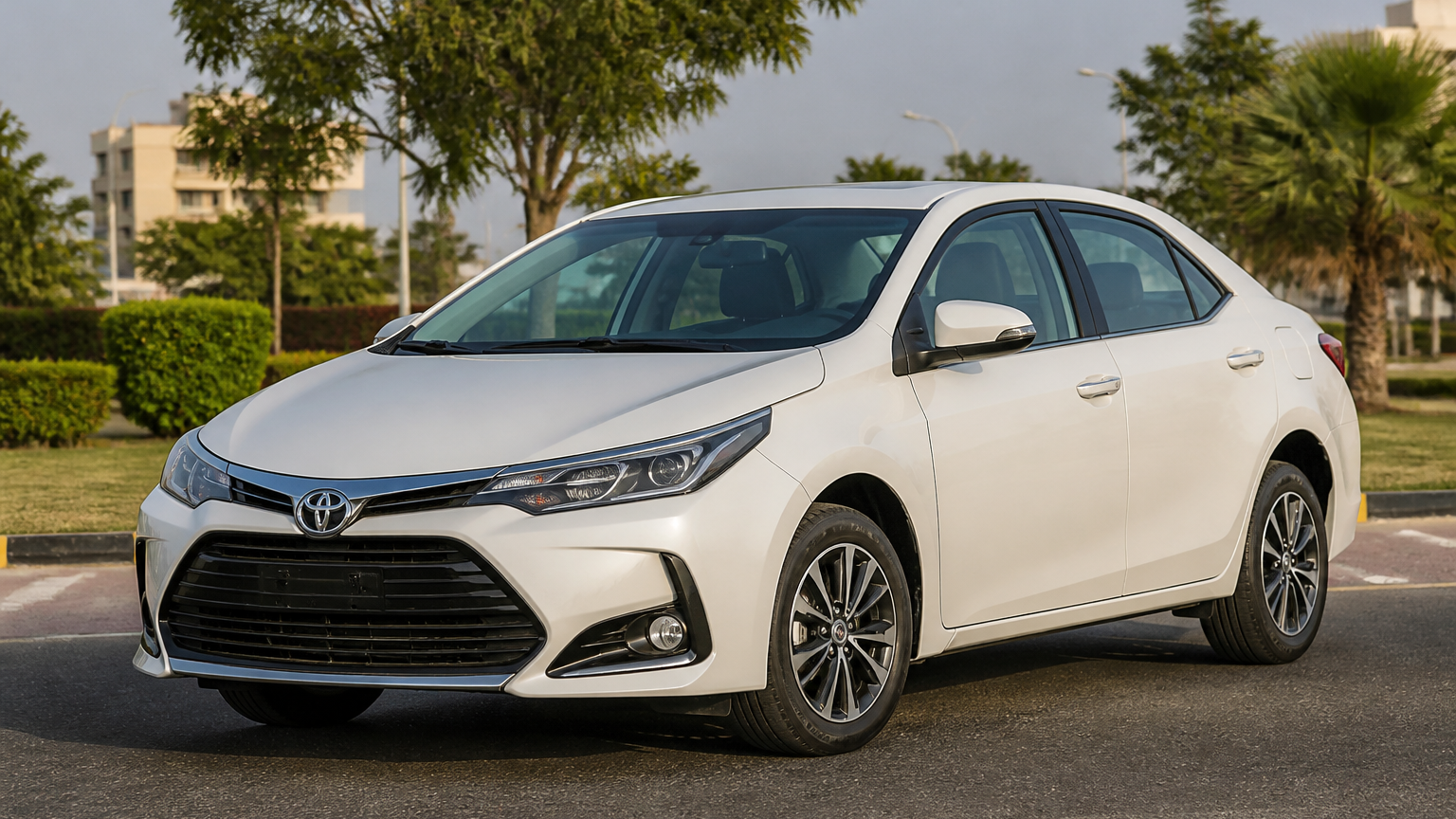
Toyota Corolla Discontinued Before Pakistan Facelift
Pakistan’s pre-facelift Toyota Corolla is reportedly discontinued, hinting at a facelift. Prices, bookings, specs and launch timing remain unconfirmed.
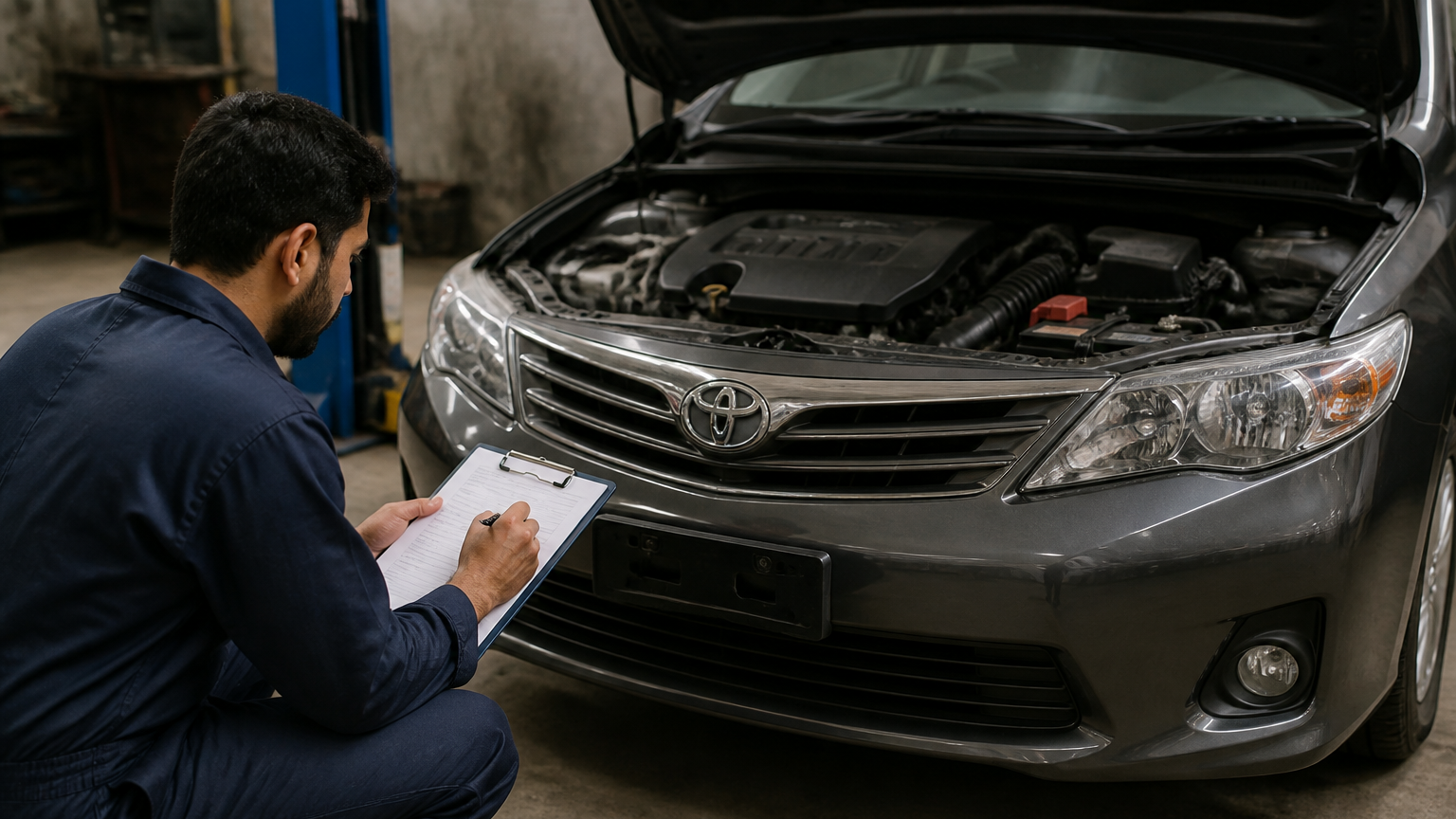
DrivePK Car Inspection Reports: Buy with Confidence
Buying a used car in Pakistan? A pre-purchase inspection can reveal hidden damage, engine issues and red flags before you pay—but it’s not enough alone.
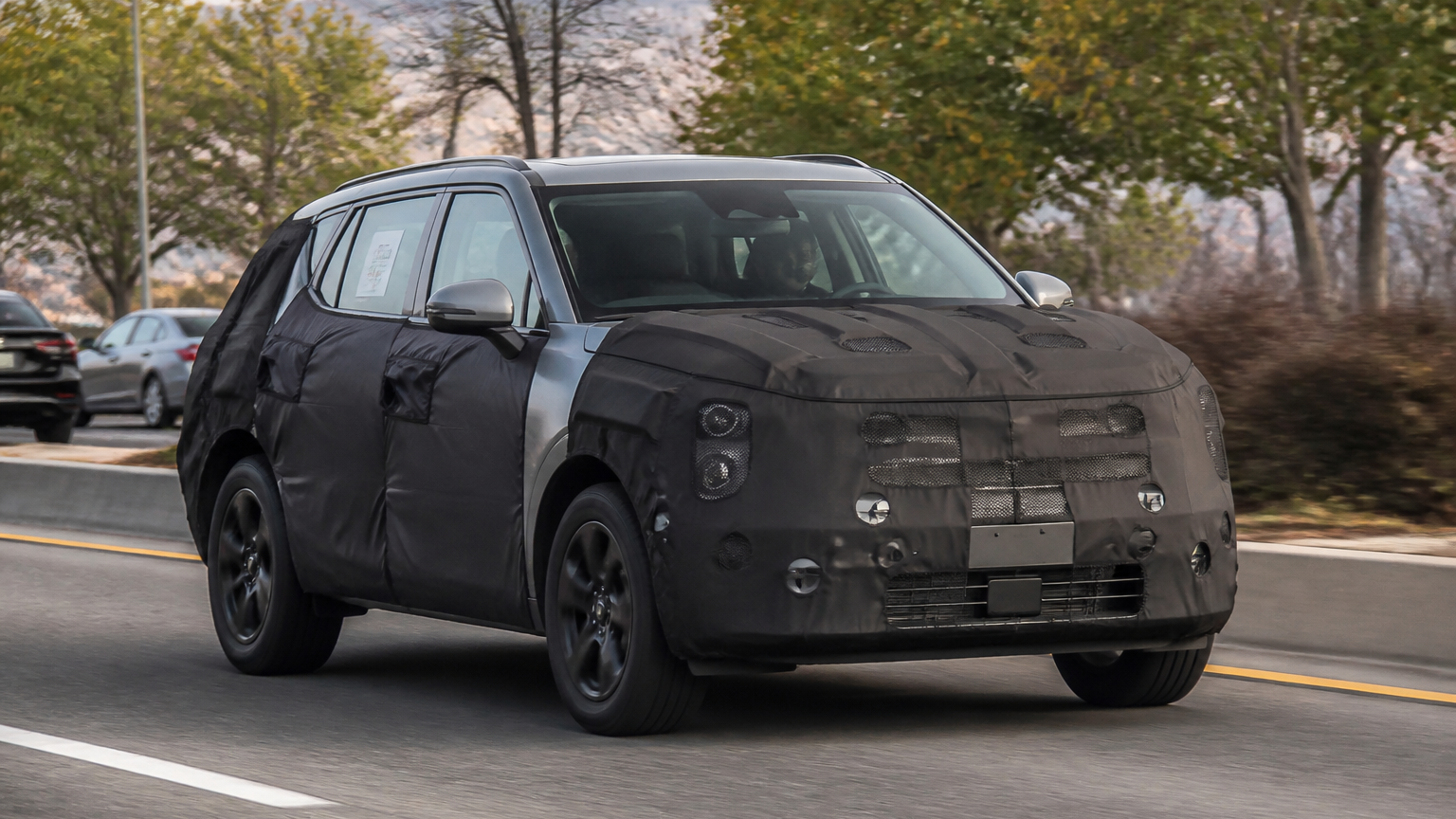
2028 Kia Sportage: Major Design Changes Spotted
Kia’s next Sportage may get a bolder, boxier redesign, with an upright profile, sharper lines, wider grille and split headlights hinted by spy shots.