Rawalpindi Electric Bus Fleet Expands to 80: Greener Commutes Ahead
Rawalpindi plans to expand its electric bus fleet from 45 to 80 vehicles post-Kutchery Chowk upgrade. This enhances commuter connectivity, eases traffic, and promotes eco-friendly travel with lower emissions.
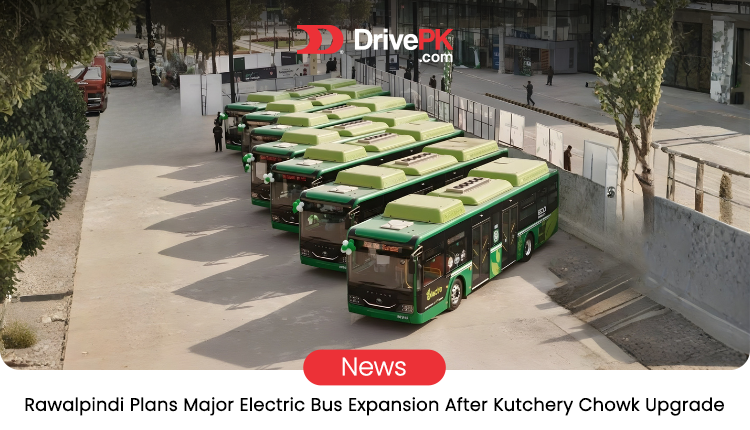
Table of Contents
- What's Happening Now with Electric Buses
- The Push to 80 Buses
- How This Eases Traffic and Daily Life
- Going Green: Cutting Emissions and Pollution
- Challenges and How They're Tackled
- Looking Ahead: More Routes and Expansion
Rawalpindi is stepping up its game in public transport. The city plans to grow its electric bus fleet from 45 to 80 vehicles. This comes right after upgrades at Kutchery Chowk. The aim? Make commuting easier, cut down on traffic jams, and push for greener ways to get around. It's a smart move that shows Rawalpindi's push toward modern city living. With fewer emissions, these buses promise cleaner air and smoother rides for everyone.
What's Happening Now with Electric Buses
Rawalpindi already has 45 electric buses running. They rolled out in phase two last November. These buses cover four main routes across the city. For example, one goes from Saddar to Qabristan Chowk via Qasim Market and Shalley Valley. That's about 7 kilometers with seven buses on it. Another route links Fawara Chowk to Koral Chowk, passing Liaquat Bagh and Old Airport Road 11.3 kilometers with eight buses.
Then there's the path from Saddar Metro Bus Station to Munawar Colony via Tulsa Road, also with seven buses. The longest one stretches 13.1 kilometers from Marrir Metro Bus Station to Motorway Chowk via The Mall and Peshawar Road, using 14 buses. These routes connect key spots, helping people get to work, school, or markets without hassle.
The buses themselves are modern. They come with air conditioning, free Wi-Fi, and charging ports. Plus, they're wheelchair-friendly and have spaces just for women. Fares stay low at 20 rupees per ride. But women, seniors, students, and people with disabilities ride for free. That's a big help for families on tight budgets.
The Push to 80 Buses
The expansion adds 35 more buses to hit 80 total for Rawalpindi city. This ties into broader plans across Punjab, where the government wants 1,100 green buses by year's end. For the wider Potohar region, including Attock, Chakwal, and Jhelum, the fleet could reach 145 buses. Each of those districts gets 15 buses.
Why now? It follows the remodel at Kutchery Chowk, a busy intersection. Upgrades there fix traffic flow and make room for more buses. And six new routes are in the works to cover more ground. This means better links between neighborhoods, reducing the need for private cars.
Punjab Chief Minister Maryam Nawaz kicked things off. She called it part of making transport sustainable and less polluting. The buses are from China, built for efficiency. They've got CCTV for safety and run quietly, cutting noise in crowded areas.
How This Eases Traffic and Daily Life
Traffic in Rawalpindi can be a nightmare. Narrow roads, too many vehicles, and old buses belching smoke make it worse. Electric buses change that. They carry more people per trip, pulling cars off the streets. That means less congestion at spots like Liaquat Bagh or Peshawar Road.
For commuters, it's a win. Faster rides mean less time stuck in jams. Students heading to universities or workers to offices get there on time. And with low fares, it's affordable. One rider shared how the AC makes hot summers bearable. No more sweaty commutes.
The setup also boosts connectivity. Routes link metro stations to outer areas, making the whole system seamless. If you're in Misrial or Munawar Colony, getting downtown is simpler now.
Going Green: Cutting Emissions and Pollution
Electric buses run on batteries, so no exhaust fumes. In a city like Rawalpindi, where air quality dips low in winter, this matters. Fewer diesel buses mean less smog. Punjab's plan targets pollution head-on, and Rawalpindi leads the charge.
It's sustainable too. Charging stations use cleaner energy over time. And with global warming in mind, this shift helps Pakistan meet climate goals. Residents notice the difference in quieter streets and fresher air.
But it's not just buses. The government ties this to bigger fixes like signal-free corridors and flyovers. These cut travel times and fuel use.
Challenges and How They're Tackled
Starting up wasn't smooth. The launch was delayed from October due to protests. But now, operations run steadily. Maintenance is key buses need regular charging and checks. The city builds more depots for that.
Public buy-in grows. Education campaigns show how to use the buses. And with free rides for vulnerable groups, it builds trust.
Looking Ahead: More Routes and Expansion
By mid-2026, all 80 buses should roll. New routes might reach Gujar Khan or Taxila, linking the suburbs better. Punjab expands to other cities too, like adding 200 buses across 10 spots.
This could spark more EV use, like charging spots for cars. Rawalpindi might inspire Islamabad or Lahore to amp up their fleets.
In the end, this expansion isn't just about buses. It's about building a livable city. Easier travel, cleaner air, and modern vibes. Rawalpindi shows how public transport can evolve. For more updates, visit DrivePK.com
Tags
Share this article
About the Author

Najeeb Khan
Automotive enthusiast and writer
Comments (0)
Login Required
You need to be logged in to comment on this article.
No comments yet. Be the first to share your thoughts!
Related Articles
Toyota Corolla Discontinued Before Pakistan Facelift
Pakistan’s pre-facelift Toyota Corolla is reportedly discontinued, hinting at a facelift. Prices, bookings, specs and launch timing remain unconfirmed.
DrivePK Car Inspection Reports: Buy with Confidence
Buying a used car in Pakistan? A pre-purchase inspection can reveal hidden damage, engine issues and red flags before you pay—but it’s not enough alone.
2028 Kia Sportage: Major Design Changes Spotted
Kia’s next Sportage may get a bolder, boxier redesign, with an upright profile, sharper lines, wider grille and split headlights hinted by spy shots.