Rawalpindi Just Turned On AI Cameras That Fine You Without a Cop in Sight
Rawalpindi has activated over 2,000 AI-powered traffic cameras that automatically detect violations such as red-light jumping, no helmets, lane cutting, and fake plates. The system reads your number plate and sends an e-challan directly to your home, no police officer needed, no arguments, no escape.
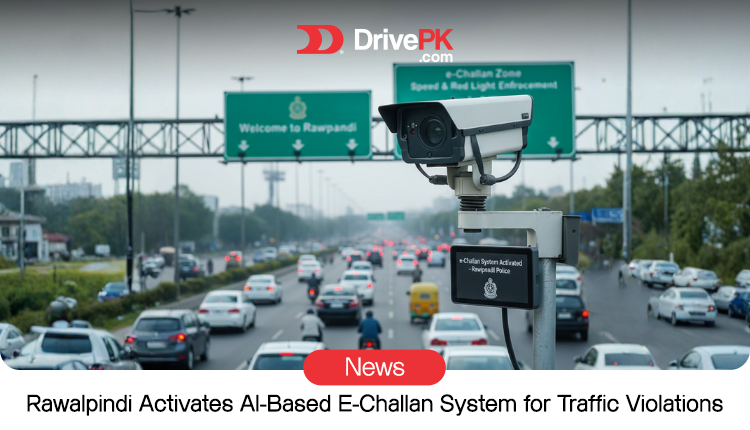
Table of Contents
- What the cameras catch
- Where the eyes are
- How it actually works
- Why they did it
- What drivers say so far
- Fines stay the same, for now
- The bigger picture
- Bottom line
Rawalpindi drivers, listen up. The city’s Safe City Project is now live, and more than 2,000 cameras are watching every move on the roads. Jump a red light, ride without a helmet, or cut lanes like it’s a video game? The system catches it, reads your plate, and sends an e-challan straight to your house. No traffic sergeant, no argument, no “sir thori si der thi.”
What the cameras catch
The AI doesn’t miss much. Common violations that now cost you money instantly:
- Running red lights
- Motorcycles without helmets
- No seatbelt in cars
- Fancy or missing number plates
- Zig-zag lane changes
- Wrong-way driving
If the camera sees it, you’re getting a ticket.
Where the eyes are
They’ve put up 2,000+ high-resolution cameras at 359 spots across the city. Main roads, signals, and choke points are fully covered. From Faizabad to Committee Chowk, Saddar to Sixth Road, there’s almost no escape if you break the rules.
How it actually works
Camera spots the violation → snaps clear photos of the plate → runs the number through the Excise database → prints and mails the challan to the address on record. Most fines land at your doorstep within a week. Pay online or at any bank. Ignore it, and the next one doubles.
Why they did it
Rawalpindi traffic police were writing thousands of tickets by hand every day. Officers spent more time chasing bikers than managing flow. Plus, everyone knows the old “on-the-spot settlement” routine. The new system kills that. Every rupee goes to the government, and officers stay on the road where they’re needed.
What drivers say so far
Some are angry. “How will we manage now?” is the common cry on WhatsApp groups. Others are relieved. One rider told me, “At least now the guy who jumps signals in front of me will finally pay instead of laughing at the cop who can’t leave his point.”
Fines stay the same, for now
- Red light jumping: Rs. 500 to 1,000
- No helmet: Rs. 500
- No seatbelt: Rs. 500
- Fake/fancy plates: up to Rs. 5,000
The amounts haven’t changed yet, but the certainty of getting caught has.
The bigger picture
This is just the start. Once the bugs are ironed out in Rawalpindi, Islamabad will flip the same switch. After that, expect Lahore, Faisalabad, and every other Safe City to follow fast.
Bottom line
The days of flashing headlights at a cop and getting away are over in Rawalpindi. Wear your helmet. Buckle up. Stop at red lights. Keep your original plate on. The cameras never blink, never sleep, and definitely don’t accept “give me only one chance”, etc.
For more updates, visit DrivePK.com
Tags
Share this article
About the Author

Najeeb Khan
Automotive enthusiast and writer
Comments (0)
Login Required
You need to be logged in to comment on this article.
No comments yet. Be the first to share your thoughts!
Related Articles
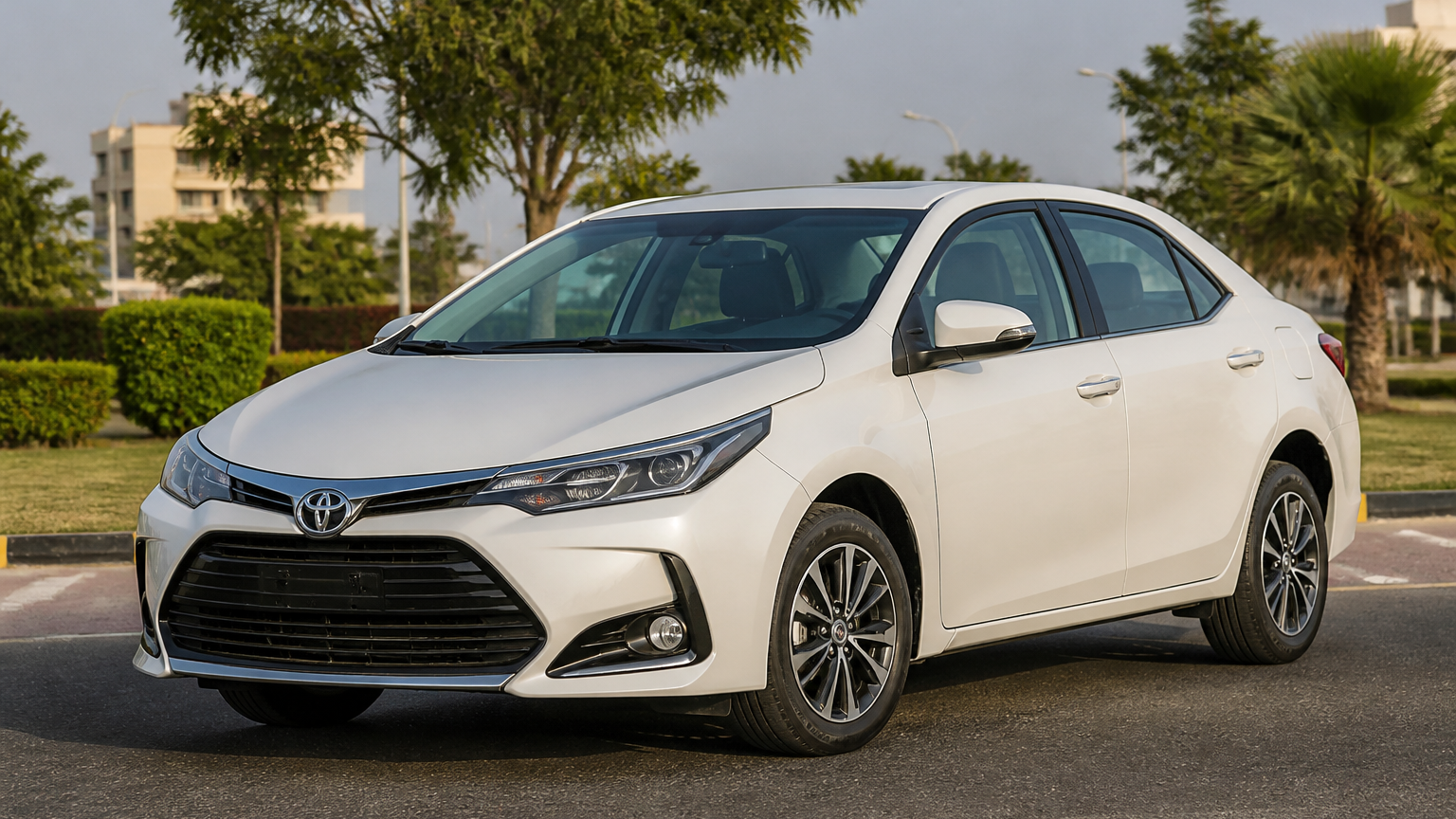
Toyota Corolla Discontinued Before Pakistan Facelift
Pakistan’s pre-facelift Toyota Corolla is reportedly discontinued, hinting at a facelift. Prices, bookings, specs and launch timing remain unconfirmed.
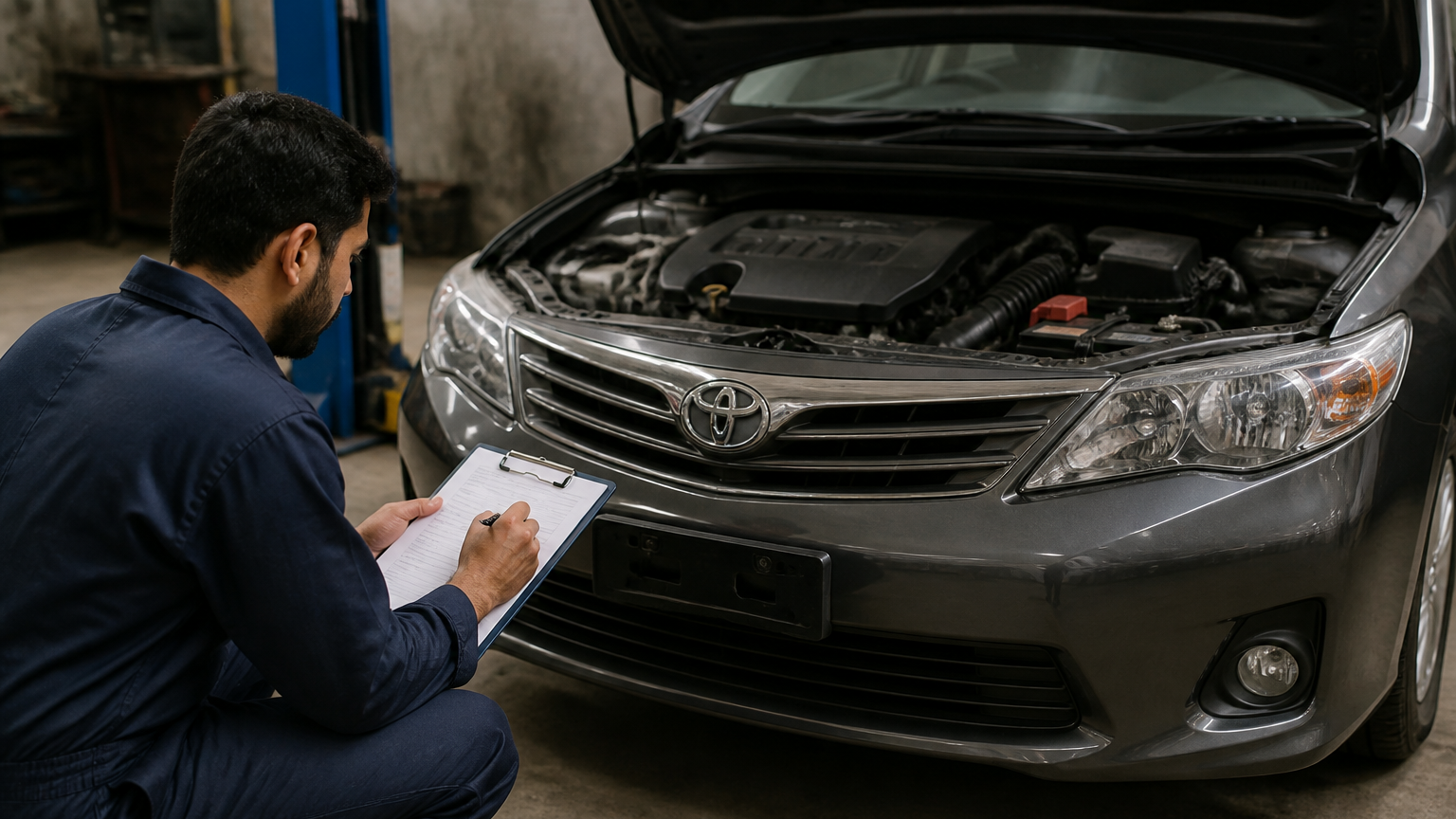
DrivePK Car Inspection Reports: Buy with Confidence
Buying a used car in Pakistan? A pre-purchase inspection can reveal hidden damage, engine issues and red flags before you pay—but it’s not enough alone.
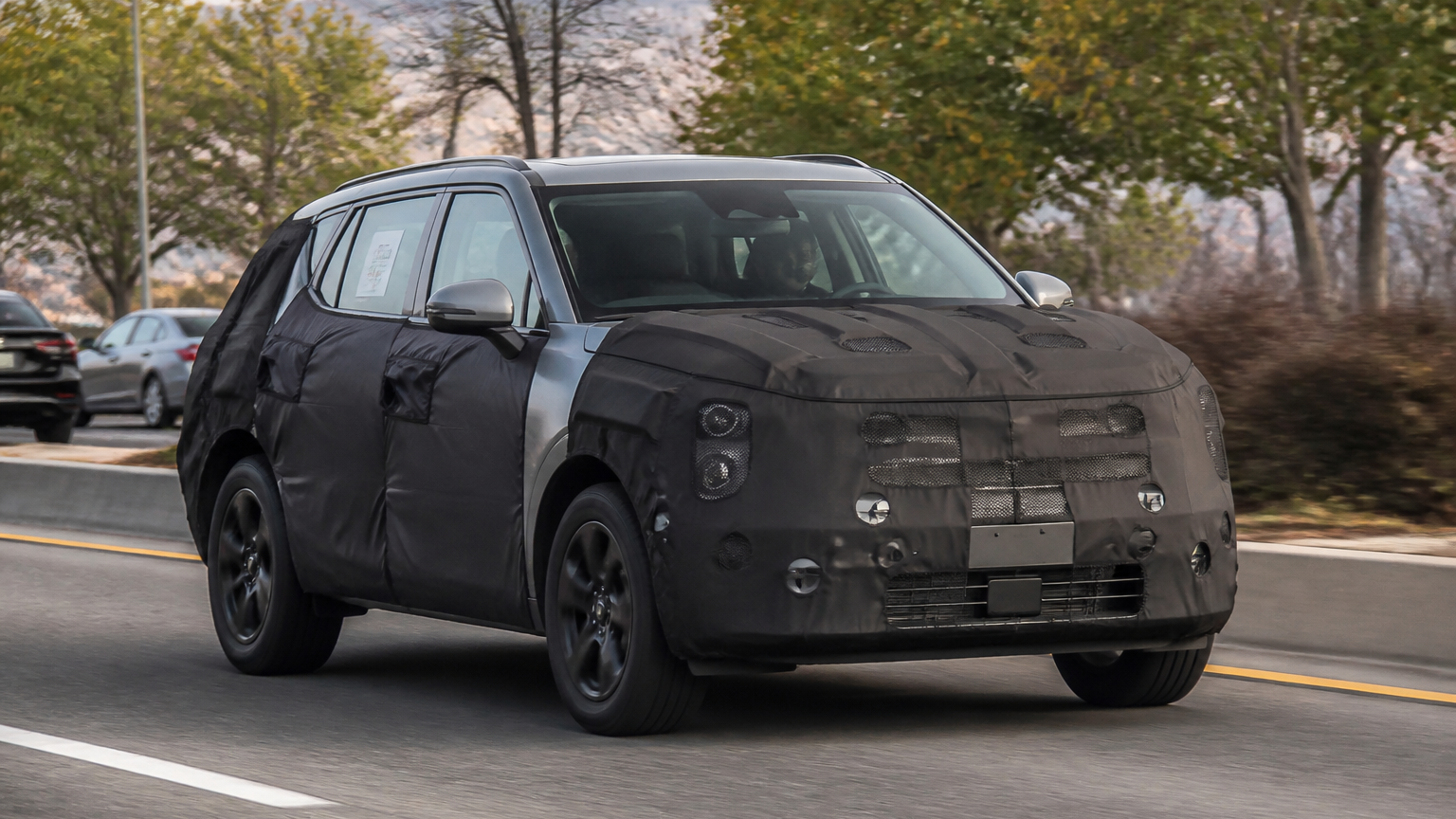
2028 Kia Sportage: Major Design Changes Spotted
Kia’s next Sportage may get a bolder, boxier redesign, with an upright profile, sharper lines, wider grille and split headlights hinted by spy shots.