Rawalpindi Ring Road: Finally Close to Opening
The long-awaited Rawalpindi Ring Road has reached its final stage. With asphalt work complete on the 38.3 km stretch, only finishing touches remain. 47 billion project promises to ease daily traffic headaches and open new opportunities for residents and businesses. Here's what you need to know.
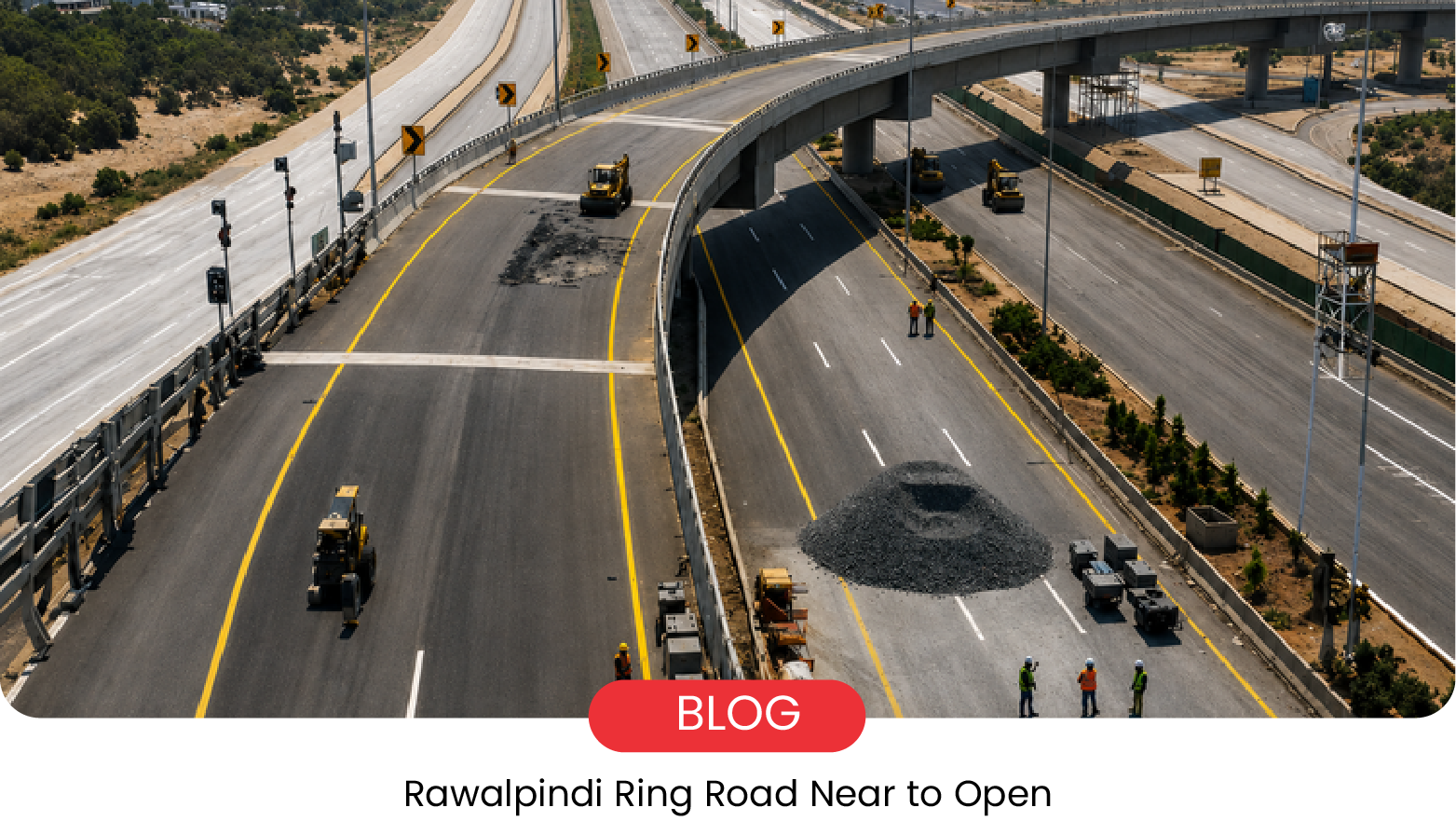
Table of Contents
- Current Status of the Project
- Why Rawalpindi Needed This Road
- Key Features of the Ring Road
- How It Will Change Daily Life
- Boost for Real Estate and Investment
- Challenges Along the Way
- What Happens Next
- The Bigger Picture for Punjab
- Tips for Residents and Commuters
You sit in traffic on GT Road again. Horns blare. The minutes turn into hours. Sound familiar? For years, people in Rawalpindi and nearby areas have dealt with this daily grind. But change is coming. The Rawalpindi Ring Road project is in its final stretch.
This 38.3-kilometer road aims to take heavy traffic out of the city center. It connects Baanth on GT Road to Thalian near the M-2 Motorway. Five interchanges will help move vehicles smoothly. And right now, the main work is nearly wrapped up.
Current Status of the Project
As of late June 2026, the project sits at around 90% complete. Asphalt laying on the full route is done. What’s left? Lane markings, drainage systems, fencing, landscaping, signboards, and road lighting.
Officials say the road could open to traffic in July after the Punjab government sets the inauguration date. The Thalian interchange will come later as a separate phase. This approach lets people start using most of the route soon while finishing the last piece.
The total cost has risen to Rs. 47 billion due to inflation, added features like toll plazas, and extra land for the Thalian interchange. Still, the focus stays on quality and getting it done right.
Why Rawalpindi Needed This Road
Rawalpindi’s roads handle far more traffic than they were built for. Growth in vehicles, population, and trade between the twin cities has created constant bottlenecks, especially on GT Road and key links to Islamabad.
The ring road diverts through traffic. It gives drivers a faster way around the busy core. Early plans showed it could shift tens of thousands of vehicles daily away from crowded streets.
This matters for everyone. Commuters save time. Truck drivers move goods quicker. Emergency services reach destinations faster. Less stop-and-go traffic also means lower fuel use and fewer emissions in the city.
Key Features of the Ring Road
- Length: 38.3 km, six lanes wide for smooth high-speed travel.
- Interchanges: Five main ones at Baanth, Chak Beli Khan, Adiala Road, Chakri Road, and Thalian (latter coming later).
- Design:Controlled access with bridges, overpasses, culverts, and safety features.
- Width: Wide corridor (around 90-110 meters in sections) for future growth.
- Speed Limit:Expected around 120 km/h on open stretches.
An industrial zone is also planned along the corridor. This could bring jobs and economic activity close to the new route.
How It Will Change Daily Life
Imagine leaving Rawat or Chakri and reaching the motorway without fighting city traffic. That’s the promise. Travel times between key points should drop significantly.
For families, shorter commutes mean more time at home. For businesses, faster logistics cut costs. Shop owners along older routes might see adjustments, but overall connectivity improves trade across the region.
One clear win: reduced congestion in central Rawalpindi. This helps public transport, pedestrians, and local traffic move better. Air quality could improve as idling cars decrease.
Boost for Real Estate and Investment
Areas near the interchanges are already seeing interest. Housing societies along Chakri, Adiala, and other points stand to gain from better access. Property values in well-connected spots often rise as people prefer easier commutes.
Investors watch these projects closely. New roads open land for development. They support planned industrial zones too. For buyers looking at plots or homes in the twin cities area, this road is worth factoring in.
That said, not every society will benefit equally. Location near actual interchanges and good planning will matter most.
Challenges Along the Way
Delays have been common. Original timelines slipped due to funding, land issues, and other hurdles. Multiple deadlines came and went before reaching this point.
The decision to open without the full Thalian interchange first drew some criticism, especially from heavy vehicle operators. But authorities prioritized getting the main route usable quickly.
Quality remains key. Officials stress no compromise on standards, which is important for a road meant to last.
What Happens Next
Finishing work continues at pace. Once ready, the Punjab government will announce the opening. Expect a formal inauguration, possibly with Chief Minister Maryam Nawaz involved based on past oversight.
After opening, monitoring traffic flow and making small adjustments will follow. The Thalian interchange work should ramp up soon after.
Longer term, this road forms part of bigger connectivity plans linking Rawalpindi better to surrounding areas and motorways.
The Bigger Picture for Punjab
Infrastructure like this supports economic growth. Better roads mean smoother supply chains, more investment, and improved living standards. Rawalpindi’s role as a key hub gets stronger.
It also shows commitment to tackling urban problems head-on. While one road won’t fix everything, it removes a major pain point that has frustrated residents for years.
Tips for Residents and Commuters
- Stay updated through official RDA or Punjab government channels for the exact opening date.
- Plan routes once open. Early days might see trial runs or restrictions.
- For investors or home buyers, check sites near interchanges but do your due diligence on approvals and development status.
- Support local efforts for clean, safe use of the new road.
This project has been in the works a long time. Seeing asphalt laid and finishing work underway feels like real progress.
The Rawalpindi Ring Road won’t magically erase all traffic issues overnight. But it should make daily drives noticeably better for thousands of people. Less time stuck, more time doing what matters. That’s something worth looking forward to. For more updates, visit DrivePK.com
Tags
Share this article
About the Author

Najeeb Khan
Automotive enthusiast and writer
Comments (0)
Login Required
You need to be logged in to comment on this article.
No comments yet. Be the first to share your thoughts!
Related Articles
Oil Prices Near $100: Impact on Pakistan
Brent nears $100 after a sharp swing linked to China’s fuel-export curbs—but Pakistan’s petrol and diesel prices remain unchanged for now.
Pakistan Motorway Projects: PM Inauguration Soon
PM Shehbaz may inaugurate key road projects soon, including Lodhran-Multan, Peshawar Bypass and M-4 works—but no date or opening is confirmed.
Hayatabad Underpass Opens in Peshawar for Rs1.6bn
Peshawar opens a Rs1.6bn Hayatabad underpass after 90 days—promising faster commutes, but will it truly ease rush-hour traffic?