Sindh Extends EV Tax Incentives Until May 2028
The Sindh government has extended tax and registration incentives for non-commercial electric vehicles until May 29, 2028. Registration stays at Rs1,000, annual tax at Rs500, and electric motorcycles get a Rs500 lifetime tax. The move aims to boost EV use, cut fuel imports, and improve city air.
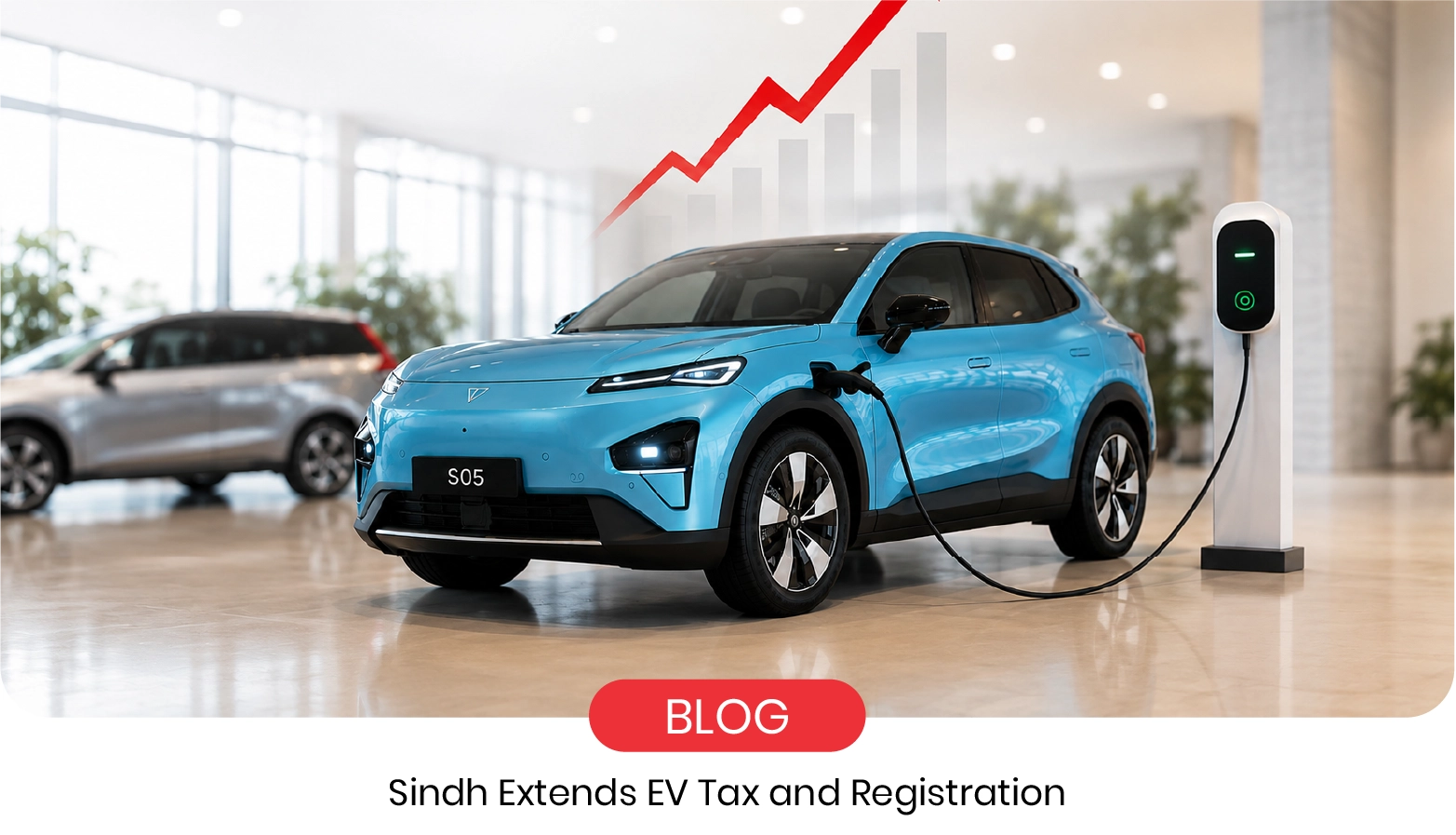
Table of Contents
- What Exactly Changes for Buyers
- Why the Government Is Doing This
- How This Fits the Bigger Picture in Pakistan
- What It Means for Ordinary Buyers
- Practical Points to Keep in Mind
- Looking Ahead
If you have been thinking about switching to an electric car or bike in Sindh, the government just made the decision a bit easier. The provincial cabinet has extended the tax and registration incentives for non-commercial electric vehicles for another two years. The package now runs until May 29, 2028.
This is not a new scheme. It is a continuation of earlier relief that was set to change after May 2026. Chief Minister Murad Ali Shah chaired the meeting where the Excise, Taxation and Narcotics Control Department’s proposal was approved. The message is clear: the province wants more people to choose electric over petrol or diesel.
What Exactly Changes for Buyers
Under the extended package, the numbers stay simple and low.
Registration of a non-commercial electric vehicle costs Rs1,000. That is a flat fee. The annual motor vehicle tax for these EVs remains Rs500. For electric motorcycles, the tax is even simpler a one-time lifetime payment of Rs500. No yearly hassle after that.
Larger electric vehicles that match or exceed the equivalent of a 2,000cc engine face a luxury tax of Rs5,000. And if you register late, the penalty is Rs1,000.
These rates apply from May 30, 2026, through May 29, 2028. The cabinet fixed them clearly so buyers and dealers know what to expect for the next two years.
Why the Government Is Doing This
Sindh’s leadership has been open about the reasons. More electric vehicles on the road should cut the province’s reliance on imported fuel. Pakistan’s petroleum import bill has stayed high. In recent years it has run into the billions of dollars, putting steady pressure on foreign reserves. Transport uses a large share of that fuel. Every EV that replaces a petrol or diesel vehicle reduces that demand a little.
Lower carbon emissions are another goal. The same shift helps with urban air quality. Cities like Karachi have long struggled with vehicle exhaust. Studies have pointed to transport as a major source of fine particles and nitrogen oxides. Cleaner vehicles do not solve everything, but they remove one big source of daily pollution from the streets.
Chief Minister Shah has said the incentives form part of a wider push for sustainable transport. Keeping the costs of registration and annual tax low removes one barrier for families and individuals who want to make the switch.
How This Fits the Bigger Picture in Pakistan
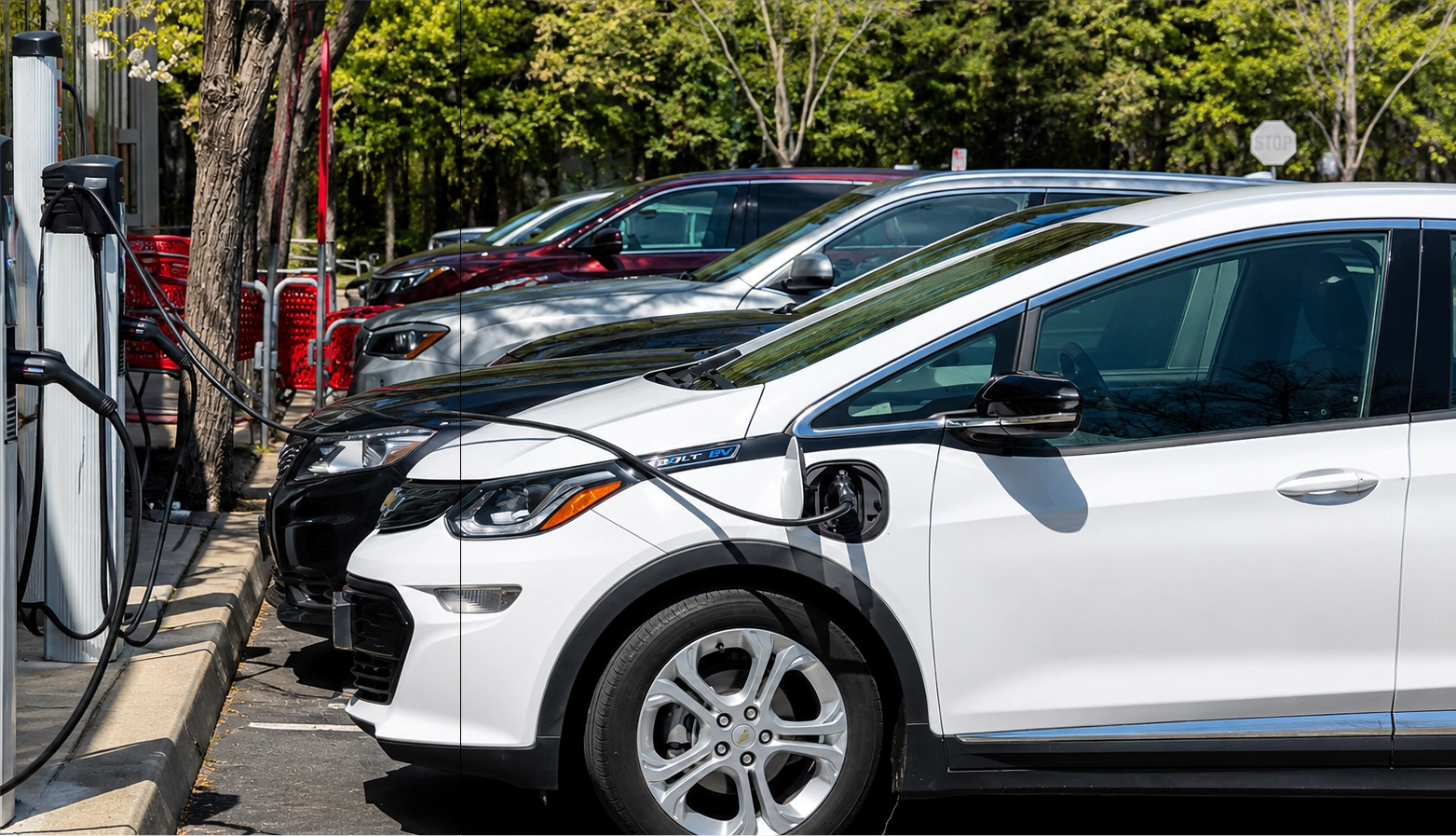
Electric vehicles are still a small part of the total fleet, but the numbers are rising. Two-wheelers have led the way. Production and sales of electric motorcycles have climbed sharply in the last few years. Local manufacturers have stepped up, and Chinese brands have entered the market in force. Four-wheel EVs and hybrids are also appearing more often, though they remain expensive for most buyers.
Federal policy has moved in the same direction. The New Energy Vehicle Policy sets targets for higher EV shares by 2030. Subsidies under programmes like PAVE have focused on electric bikes and rickshaws. Provincial steps like Sindh’s tax relief add another layer of support where it reaches the buyer directly at the time of registration and every year after.
Charging infrastructure is still thin outside major cities, but it is expanding. Plans for hundreds of new stations in Sindh have been announced. Private operators are also adding points in Karachi and other urban centres. The combination of lower ownership taxes and more places to charge makes the overall proposition stronger.
What It Means for Ordinary Buyers
For someone buying a small electric car or an electric motorcycle, the savings are real. Traditional vehicle registration and annual taxes can add up, especially on higher-capacity models. Keeping the EV figures at Rs1,000 and Rs500 removes a recurring cost that petrol vehicle owners still face.
The lifetime Rs500 tax on electric motorcycles is particularly useful. Many families rely on bikes for daily travel. A one-time payment instead of yearly fees lowers the long-term cost of ownership. Combined with cheaper running costs — electricity versus petrol — the total picture becomes more attractive.
The Rs5,000 luxury tax on larger equivalent vehicles keeps some balance. It signals that the strongest incentives are aimed at everyday transport rather than high-end models.
The late-registration penalty of Rs1,000 is modest but clear. It encourages owners to complete the paperwork on time without creating a heavy burden.
Practical Points to Keep in Mind
These incentives apply to non-commercial electric vehicles. Commercial fleets may face different rules. Buyers should confirm the exact category of their vehicle with the Excise department at the time of registration.
The “equivalent to 2,000cc” wording for the luxury tax is important for pure electric models that have no traditional engine capacity. Officials will use established conversion methods. Checking the classification early avoids surprises.
The extension covers the period from late May 2026 to late May 2028. Anyone planning a purchase in that window can count on the stated rates.
Looking Ahead
Two more years of stable, low registration and tax costs give the market time to grow. More dealers, more local assembly, and more charging points should appear if demand continues to rise. The federal and provincial moves together create a clearer signal for investors and manufacturers.
Air quality in Sindh’s cities will not improve overnight. Fuel imports will not disappear. But steady policy like this reduces friction for people who are ready to change. Each electric vehicle that replaces a conventional one cuts a little fuel use and a little exhaust.
The Sindh cabinet’s decision keeps the door open for that shift. For buyers, the message is straightforward: the low fees stay in place until May 2028. If an electric vehicle already fits your needs and budget, the tax side just became one less thing to worry about. For more updates, visit DrivePK.com
Tags
Share this article
About the Author

Najeeb Khan
Automotive enthusiast and writer
Comments (0)
Login Required
You need to be logged in to comment on this article.
No comments yet. Be the first to share your thoughts!
Related Articles
DrivePK Car Inspection Report: Buy Used Cars Safely
Buying a used car in Pakistan? A DrivePK inspection report reveals hidden faults, supports smarter negotiations, and helps you avoid costly mistakes.
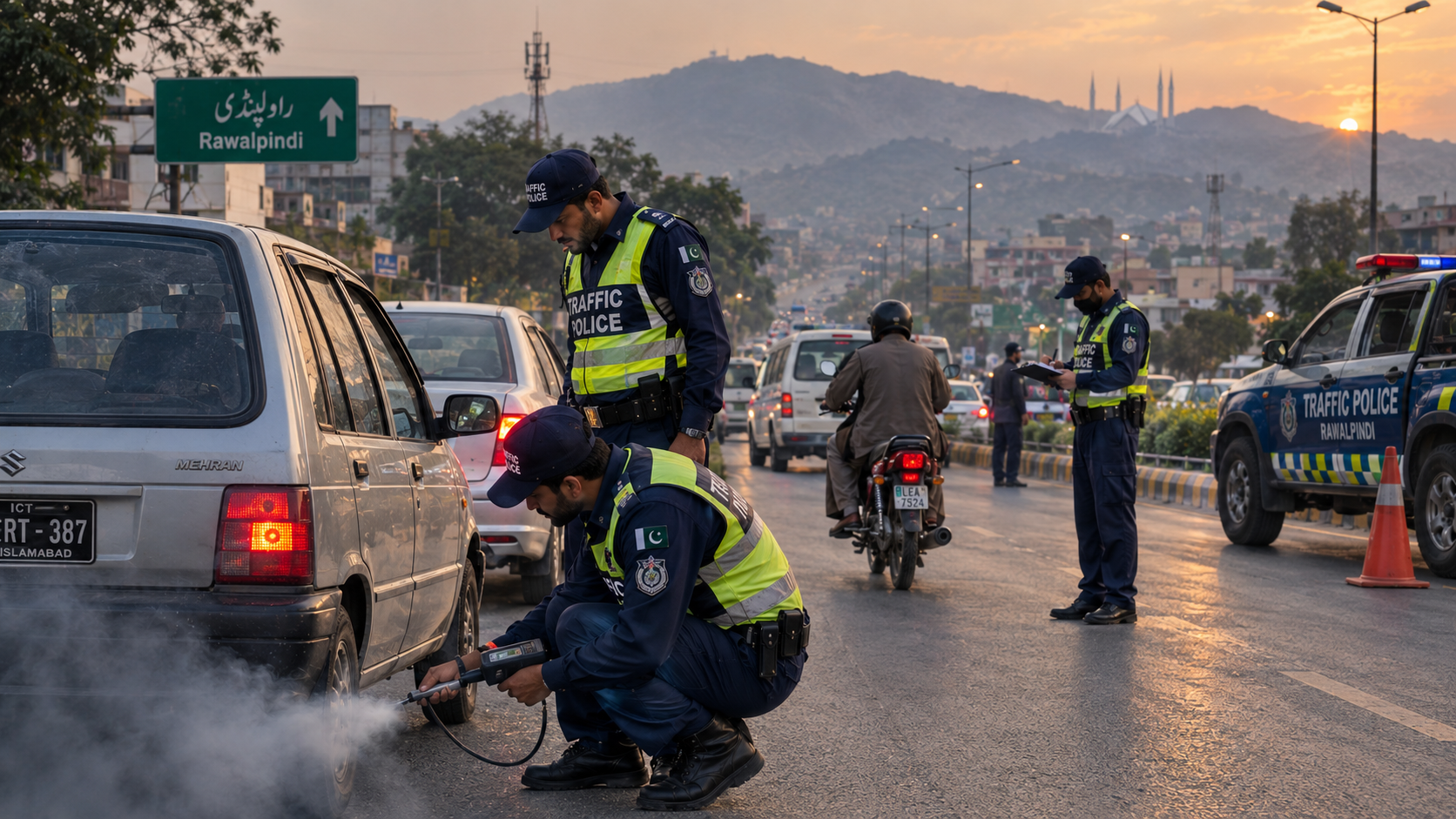
Rawalpindi to Impound Smoke-Emitting Vehicles
Rawalpindi Traffic Police is gearing up for a citywide crackdown on smoke-belching vehicles, with inspections, fines and delays for commuters.
Toyota Corolla Discontinued Before Pakistan Facelift
Pakistan’s pre-facelift Toyota Corolla is reportedly discontinued, hinting at a facelift. Prices, bookings, specs and launch timing remain unconfirmed.