Sindh Government Agrees to Cut E-Challan Fines in Karachi for Motorcycles and Small Cars
The Sindh government has agreed to review and cut heavy e-challan fines in Karachi, starting with motorcycles and small cars up to 1000cc. This move follows public complaints and a special committee meeting chaired by Interior Minister Ziaul Hassan Lanjar. It aims to ease burdens while keeping roads safe.
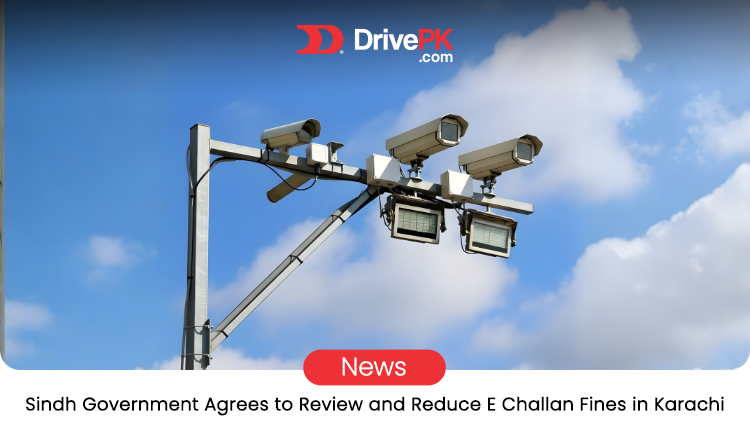
Table of Contents
- What Sparked This Change?
- Details from the Key Meeting
- Why This Matters for Everyday People
- Broader Traffic Fixes on the Horizon
- Conclusion
Traffic fines can hit hard, especially in a busy city like Karachi. Drivers and riders often feel the pinch from high penalties. But there's some relief on the way. The Sindh government recently agreed to look at reducing these fines. This came after a meeting of a special committee in the Sindh Assembly. They focused on electronic challans, or e-challans, which use cameras to catch violations.
The news is timely. Many people have complained about the steep costs. Motorcyclists, in particular, say the fines are too much for small mistakes. Now, the government seems ready to listen and make changes.
What Sparked This Change?
Karachi's e-challan system started in 2025. It aims to improve traffic flow and safety. Cameras spot things like speeding or wrong turns. Then, fines show up on your phone or in the mail. It's modern, but not everyone loves it.
Public outcry grew over errors in the system. Some got fines for things they didn't do. Others pointed out the high amounts—sometimes thousands of rupees for minor issues. This led to debates in the Sindh Assembly.
To address it, the government formed a high-level committee. It's chaired by Sindh Interior Minister Ziaul Hassan Lanjar. Members include opposition leader Ali Khurshidi from the Muttahida Qaumi Movement-Pakistan (MQM-P). Other lawmakers like Asif Khan, Farooq Awan, and Sadia Javed are on board. Police officials, such as the Additional IG Karachi and DIG Traffic, join them too.
The committee's job? Review the whole system. They look at fines, enforcement, and transparency. The goal isn't just to collect money. It's to promote road safety and fair rules.
Details from the Key Meeting
The first meeting happened in Karachi. It was straightforward but packed with talks on traffic woes. The DIG Traffic gave a briefing. He explained how the system works, new laws, and help for citizens.
Ali Khurshidi spoke up strongly. He said the opposition backs the e-challan setup. It's good for discipline. But the fines? Too high, especially for bikes and small cars. He pushed for cuts on motorcycles and vehicles with up to 1000cc engines.
The government listened. They agreed in principle to lower these penalties. Sources say this could ease life for many riders and drivers. It's not final yet; more talks are set for next week. But it's a step forward.
And it's not just about fines. The meeting covered bigger issues. Minister Lanjar ordered quick action on heavy vehicles without plates. They must be seized. All big trucks need trackers in two months. No more tinted windows or fake lights either. Substandard number plates? Out of the question.
They also plan a traffic awareness unit. Police will team up with stars from cricket, hockey, and football. These celebs will hit the streets to teach rules. Imagine a famous player reminding you to wear a helmet.
Plus, recommendations are coming for 400 new traffic lights. Online payments for fines will get easier. And a new group will handle how fines are set and shared.
Why This Matters for Everyday People
Think about it. Karachi's roads are chaotic. Bikes weave through cars. Trucks block lanes. Fines help control that. But if they're too harsh, people ignore them or get frustrated.
Reducing fines for small vehicles makes sense. Most folks ride bikes or drive cheap cars. A big penalty can wreck a month's budget. This change could build trust in the system.
It also keeps the focus on safety. The e-challan isn't going away. It's expanding to places like Hyderabad. But with fairer fines, more people might follow the rules.
Opposition input helps too. Khurshidi made it clear: Support the tech, fix the flaws. It's a balanced view.
Broader Traffic Fixes on the Horizon
The committee isn't stopping at fines. They're eyeing the whole picture. How do we make roads safer? Better signals, stricter checks on big vehicles, and education.
For example, those trackers on trucks. They could cut accidents. Tinted glass often hides bad driving. Banning it clears that up.
And the awareness push? Smart move. People learn better from faces they know. A cricketer saying "buckle up" might stick more than a sign.
Online tools are key too. Paying fines from home saves time. Filing complaints online cuts red tape.
All this ties into Sindh's push for modern traffic. Tech like cameras works in other countries. Here, it needs tweaks for local needs.
But challenges remain. Will reductions happen fast? Some reports say the decision is deferred. Others say it's agreed. We'll watch for updates.
Public feedback matters. If you've got a story about e-challans, share it. It could shape the next steps.
Conclusion
This review shows the government responding to concerns. It's not perfect, but it's progress. Lower fines could mean fewer burdens and better compliance.
For now, drive safely. Wear helmets, follow lanes. The system is here to help, not just punish.
If changes roll out, Karachi might see smoother traffic. And that's good for everyone: riders, drivers, and pedestrians.
In the end, fair rules build better cities. Sindh is aiming for that. Let's see how it plays out. For more updates, visit DrivePK.com
Tags
Share this article
About the Author
Najeeb Khan
Automotive enthusiast and writer
Comments (0)
Login Required
You need to be logged in to comment on this article.
No comments yet. Be the first to share your thoughts!
Related Articles
Toyota Corolla Discontinued Before Pakistan Facelift
Pakistan’s pre-facelift Toyota Corolla is reportedly discontinued, hinting at a facelift. Prices, bookings, specs and launch timing remain unconfirmed.
DrivePK Car Inspection Reports: Buy with Confidence
Buying a used car in Pakistan? A pre-purchase inspection can reveal hidden damage, engine issues and red flags before you pay—but it’s not enough alone.
2028 Kia Sportage: Major Design Changes Spotted
Kia’s next Sportage may get a bolder, boxier redesign, with an upright profile, sharper lines, wider grille and split headlights hinted by spy shots.