Sindh Pink Electric Scooties Reach Mirpurkhas Next
The Sindh government will give free pink electric scooties to women in Mirpurkhas next. More than 50,000 women applied. Over 2,000 completed training. More than 810 scooties already went out free in Karachi, Sukkur and Hyderabad. The plan helps women move freely, gain confidence and reach work or study without depending on others.
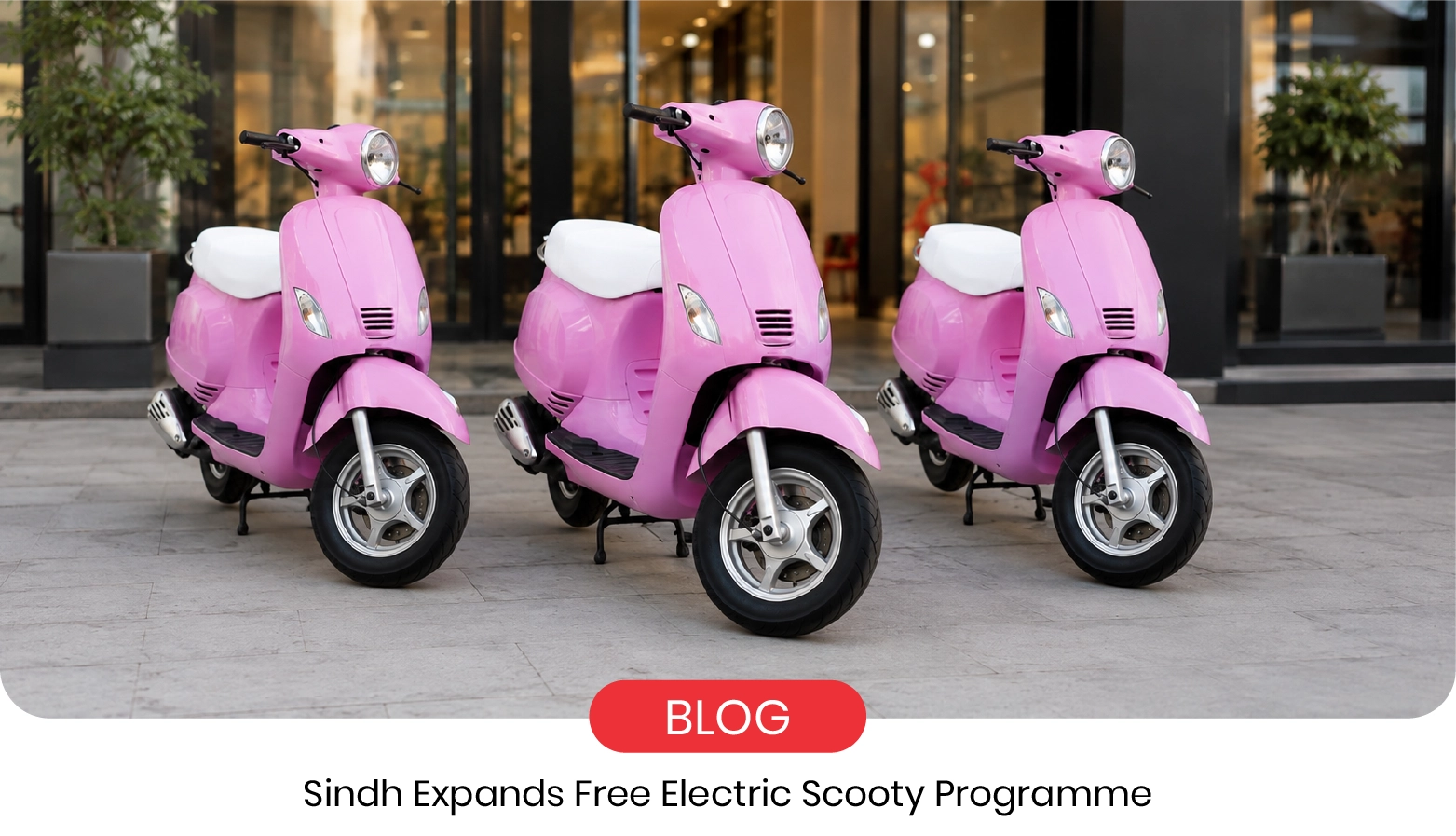
Table of Contents
- Pink Electric Scooties Coming to Mirpurkhas
- Numbers That Show Progress So Far
- What the Programme Actually Aims to Do
- How Women Qualify and Get Selected
- Training That Builds Real Skill
- Expansion Across Sindh Continues
- Real Daily Gains for Women Who Receive One
- Challenges That Still Exist
- What Comes Next for Mirpurkhas Women
Many women in Sindh plan their day around transport problems. Public buses can feel crowded or unsafe. Rickshaws cost more than expected. Petrol prices keep rising. Some women stay home simply because they have no easy way to leave. Students miss classes. Working women lose shifts. Job opportunities stay out of reach.
That reality is starting to change. The Sindh government has run a pink electric scooty programme for women. Now the next stop is Mirpurkhas.
Pink Electric Scooties Coming to Mirpurkhas
Senior Minister Sharjeel Inam Memon, who holds the Information, Transport and Mass Transit portfolios, confirmed the move. Pink electric scooties will be distributed free of cost in Mirpurkhas during the next phase of the women’s mobility programme.
The announcement came after strong interest across the province. More than 50,000 women have already applied for the scooties and the linked training. That number shows many women want the chance.
Training continues at the same time. More than 2,000 women have completed driving and related sessions so far. Classes run in Karachi, Hyderabad, Sukkur, Mirpurkhas and Shaheed Benazirabad. The goal is simple. Women learn to ride safely before they take the keys.
Numbers That Show Progress So Far
The government allocated 925 scooties in the first phase and 476 in the second. More than 810 have already been handed over free of charge.
Breakdown by city:
- 410 in Karachi
- 200 in Sukkur
- 200 in Hyderabad
These are not large numbers compared with the applications. Yet they mark a clear start. Each scooty goes to a woman who met the basic rules and completed training.
The scooties come with registration, insurance and a helmet. Riders must keep the vehicle for at least seven years. Selling or transferring it early is not allowed. Helmet use is required.
What the Programme Actually Aims to Do
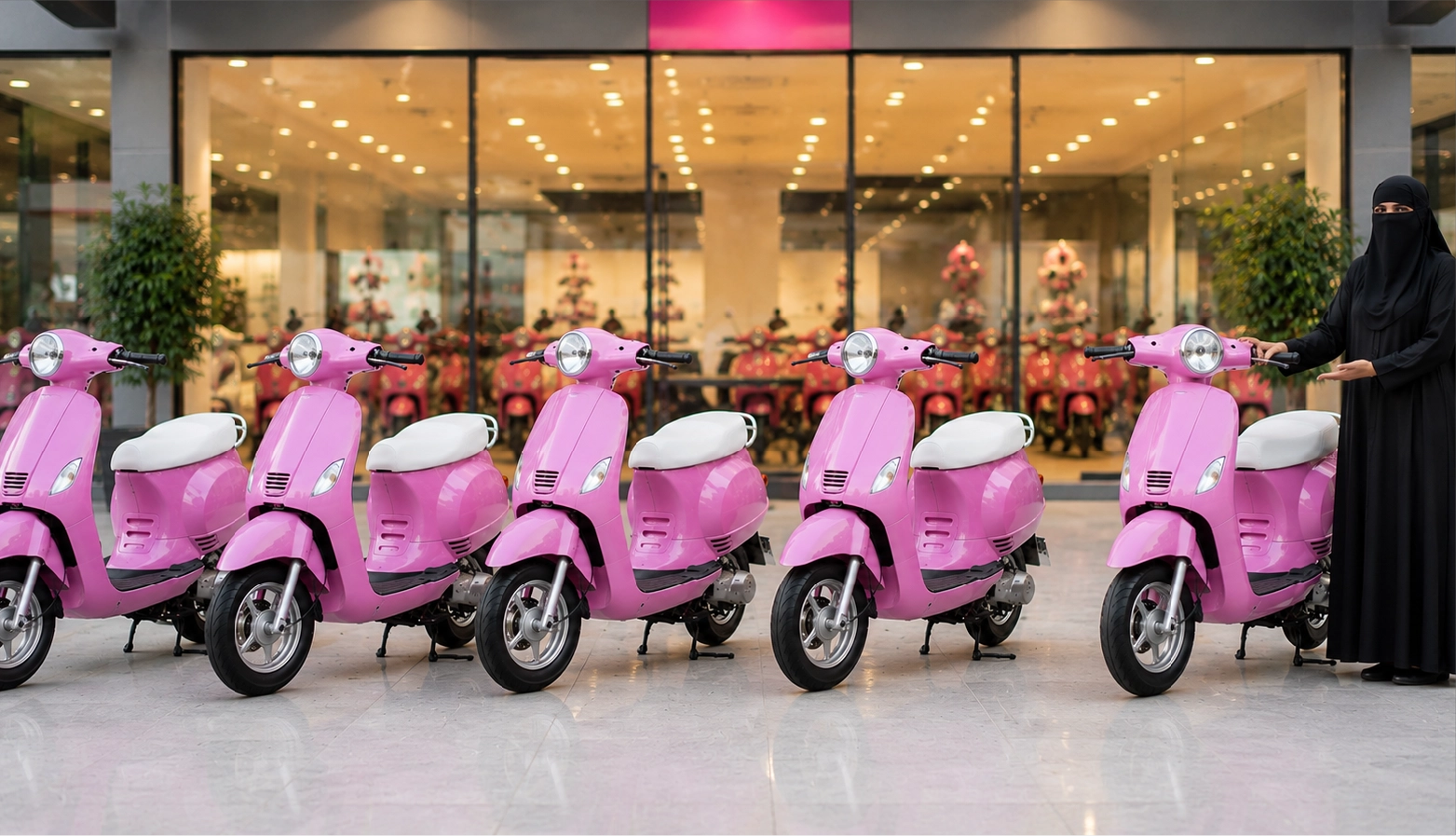
Sharjeel Memon stated the main purpose clearly. The Pink Electric Scooty Programme gives women freedom of movement, self-confidence and greater economic opportunities.
Freedom of movement means a woman can leave home without waiting for a male relative or paying high daily fares. Self-confidence grows when she controls her own travel. Economic opportunities open when she reaches work, classes or markets on time and without extra cost.
Electric scooties also cut fuel expenses. Charging costs less than petrol for most short trips. The vehicles fit city and town roads better than larger cars for many daily journeys.
How Women Qualify and Get Selected
Eligibility stays straightforward. Applicants must be permanent residents of Sindh with a valid domicile and PRC. They need a driving licence (motorcycle or car) or must complete the free training that leads to one. They should be students at a recognised institution or working women.
Selection happens through a public ballot process. Officials from different departments oversee it. Media are present. No political recommendation or special slip is required, according to government statements.
Women without a permanent licence can join the free training first. After they pass the road skills test they become eligible. Training covers safe riding, basic road rules and scooter care.
Applications go through the Sindh Mass Transit Authority system. Documents needed include CNIC, domicile, PRC, licence or learner permit, and proof of study or employment.
Training That Builds Real Skill
The training part matters as much as the scooty itself. More than 2,000 women have finished it. Sessions continue in five cities, including Mirpurkhas. Women learn how to handle the electric vehicle, understand traffic, and stay safe on roads that are still largely used by men.
Many women who never rode before now hold licences because of this programme. Officials note a clear rise in women applying for driving licences after the scheme began. That change alone points to a shift in daily habits.
Expansion Across Sindh Continues
The programme started in Karachi and moved to Sukkur and Hyderabad. Mirpurkhas is next. Officials say it will reach more districts over time. Training already runs in Shaheed Benazirabad as well.
Earlier statements mentioned a long-term aim of reaching far larger numbers of women. For now the focus stays on steady distribution and proper training rather than speed alone.
The pink colour makes the scooties easy to recognise. It also signals the programme is meant only for women. That visual marker helps in crowded streets and at charging points.
Real Daily Gains for Women Who Receive One
A free electric scooty removes several barriers at once. A student can reach college without relying on family schedules. A teacher or office worker can arrive on time even if public transport runs late. A small business woman can visit markets or customers more easily.
Cost savings add up. No daily rickshaw or bus fare. No petrol bills for short distances. Charging at home or public points keeps running costs low.
Safety improves when a woman controls her own vehicle and route. She can leave earlier or later without depending on shared transport. Helmets and training reduce risk.
Confidence follows independence. Women who once limited their movement now travel for work, study or family needs without asking permission for every trip.
Challenges That Still Exist
Demand far exceeds supply. Fifty thousand applications against just over eight hundred scooties so far show the gap. Balloting means many qualified women wait. Expansion to Mirpurkhas and other areas will help, but numbers remain limited for now.
Road conditions and charging networks also need attention. Electric vehicles work best with reliable power points. The government has spoken of expanding charging stations, yet coverage still varies by city.
Cultural attitudes take time to shift. Some families still hesitate when women ride alone. Visible success of early recipients can slowly change those views.
What Comes Next for Mirpurkhas Women
Women in Mirpurkhas who already applied or plan to apply should watch official announcements for exact dates and locations of the next distribution. Training continues in the city, so those without licences can start there.
The process stays the same: apply through the proper channel, complete training if needed, wait for the ballot, and pass the final skills check.
The programme does not promise overnight change for every woman in Sindh. It does offer a practical tool that removes one daily obstacle for those who receive it.
Over 50,000 applications prove the need is real. More than 2,000 trained women and 810 free scooties already on the road show the programme is moving. Mirpurkhas is the next place where that movement continues.
Women who gain their own transport gain more control over their time, their safety and their chances. That is the core of this effort.For more updates, visit DrivePK.com
Tags
Share this article
About the Author

Najeeb Khan
Automotive enthusiast and writer
Comments (0)
Login Required
You need to be logged in to comment on this article.
No comments yet. Be the first to share your thoughts!
Related Articles
Toyota Corolla Discontinued Before Pakistan Facelift
Pakistan’s pre-facelift Toyota Corolla is reportedly discontinued, hinting at a facelift. Prices, bookings, specs and launch timing remain unconfirmed.
DrivePK Car Inspection Reports: Buy with Confidence
Buying a used car in Pakistan? A pre-purchase inspection can reveal hidden damage, engine issues and red flags before you pay—but it’s not enough alone.
2028 Kia Sportage: Major Design Changes Spotted
Kia’s next Sportage may get a bolder, boxier redesign, with an upright profile, sharper lines, wider grille and split headlights hinted by spy shots.