Sindh Police Expands Faceless E-Ticketing Province-Wide After Karachi Success
Sindh Police is officially expanding Karachi’s successful faceless e-ticketing system to every district. With cameras, drones, and TRACS automation, drivers will receive digital challans instead of roadside stops, bringing transparency, fewer disputes, and easier fine payments across the province.

Table of Contents
- How Well It Worked in Karachi
- What the IGP Ordered
- Drones Are Coming Too
- Why This Matters to You
- When Will It Reach My City?
- The Real Win Here
Good news for anyone who drives in Sindh and hates dealing with traffic police on the road.
The faceless electronic ticketing system that has worked so well in Karachi is now coming to every district. IGP Ghulam Nabi Memon has given clear orders: start the groundwork now.
This is not just talk. It’s happening.
How Well It Worked in Karachi
Since the system started in Karachi, more than 23,000 people have visited the facilitation centers to pay fines or check challans.
Out of those thousands, fewer than 200 cases went to dispute. That’s less than 1%.
The city collected Rs 25 million in fines without a single policeman stopping anyone on the street.
No arguments at the roadside. No “settlement” talks. No claims of harassment.
You break a rule, the camera catches it, you get an SMS, you pay online or at the center. Done.
Most drivers actually like it once they use it. The proof is in the numbers.
What the IGP Ordered
In a high-level review meeting, Ghulam Nabi Memon told all divisional DIGs to start preparing their areas right away.
DIG IT has been told to check what equipment each district needs: cameras, data storage, and fast internet on main roads and highways.
Traffic DIG Karachi will guide district traffic officers on how to set up the TRACS (Traffic Rules Automated Control System) software and open facilitation centers in every district.
Drones Are Coming Too
This time they’re going bigger.
Ground cameras will be joined by drone-mounted scanners that fly over highways and city roads to catch violations in real time.
Red-light jumping, wrong-lane driving, over-speeding – nothing will hide.
The system will automatically generate challans and send them to your phone.
Why This Matters to You
If you live in Hyderabad, Sukkur, Larkana, Mirpurkhas, Shaheed Benazirabad, or any other district, your days of getting pulled over for small violations are numbered.
Soon you’ll get a proper digital challan instead of a handwritten one that sometimes “disappears” after cash changes hands.
Yes, you will still have to follow the rules. But at least the process will be fair and transparent.
And if you think you got the wrong ticket, just visit the facilitation center. Almost nobody loses their case when the video evidence is clear.
When Will It Reach My City?
No official date has been announced yet, but the IGP wants groundwork done fast.
Karachi already has the system running smoothly, so the rollout in big districts like Hyderabad and Sukkur could start in months, not years.
Smaller districts will follow once cameras and the internet are installed.
The police want this live everywhere before the end of 2026.
The Real Win Here
This is one of those rare government moves that actually reduces corruption and makes life easier for honest people at the same time.
Less human involvement = less chance for bribes.
Clear video proof = fewer fake challans.
Online payment or center visit = no need to carry cash on the road.
Sindh Police is showing other provinces how to do it right.
If you drive in Sindh, keep your documents updated and follow the signals.
Because very soon, the camera will always be watching, and it doesn’t accept excuses.
For more updates, visit DrivePK.com
Tags
Share this article
About the Author

Najeeb Khan
Automotive enthusiast and writer
Comments (0)
Login Required
You need to be logged in to comment on this article.
No comments yet. Be the first to share your thoughts!
Related Articles
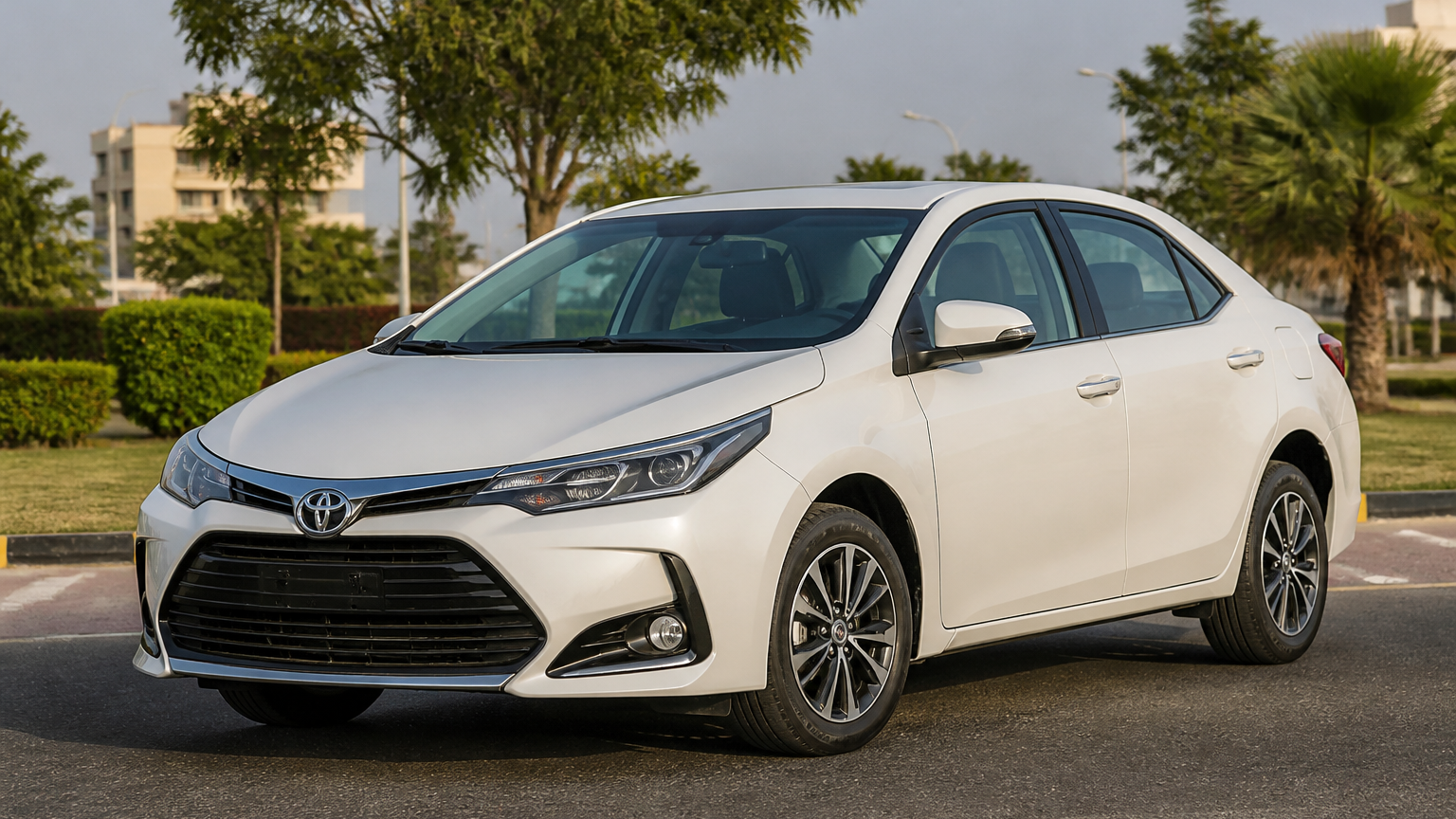
Toyota Corolla Discontinued Before Pakistan Facelift
Pakistan’s pre-facelift Toyota Corolla is reportedly discontinued, hinting at a facelift. Prices, bookings, specs and launch timing remain unconfirmed.
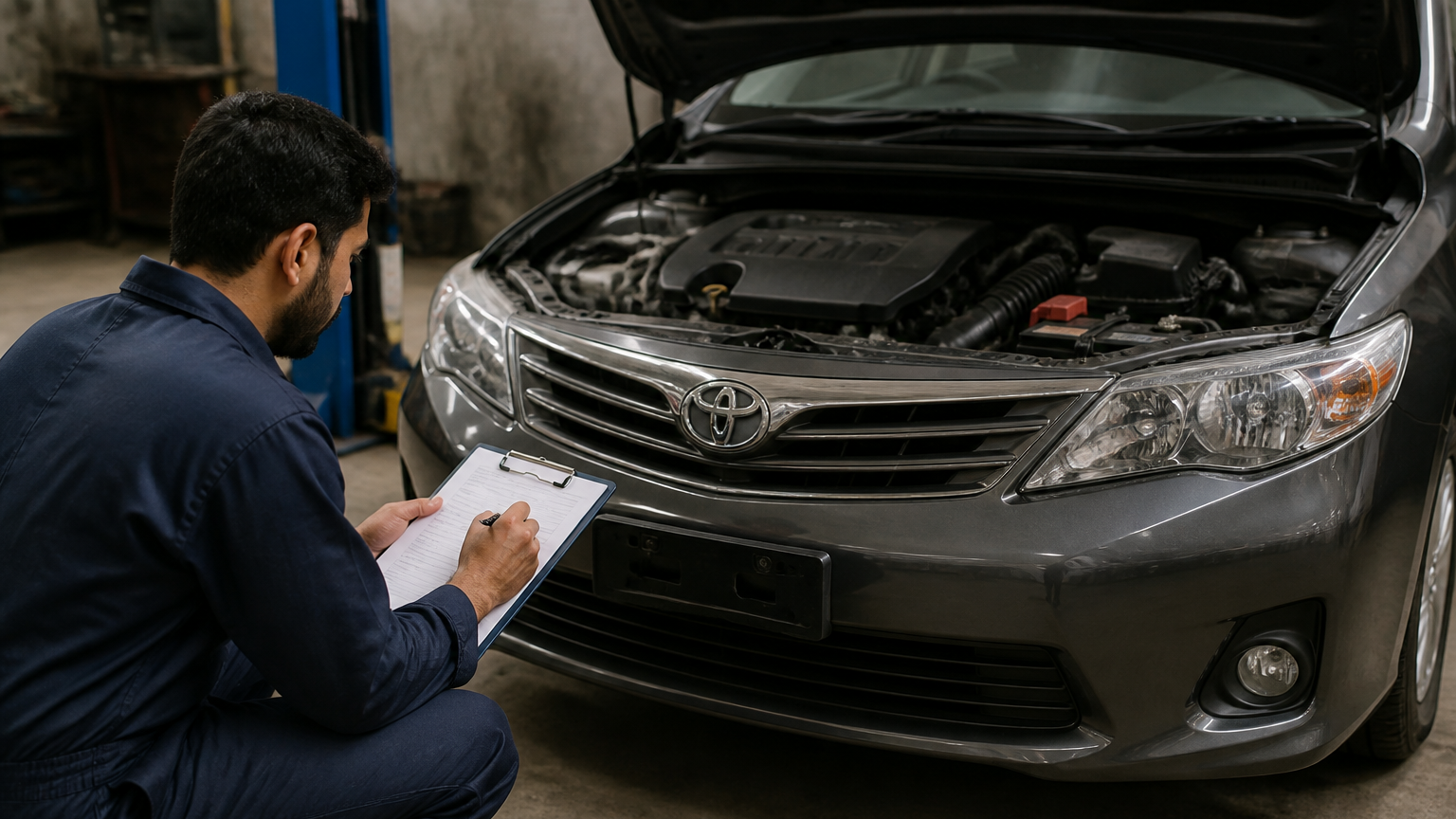
DrivePK Car Inspection Reports: Buy with Confidence
Buying a used car in Pakistan? A pre-purchase inspection can reveal hidden damage, engine issues and red flags before you pay—but it’s not enough alone.
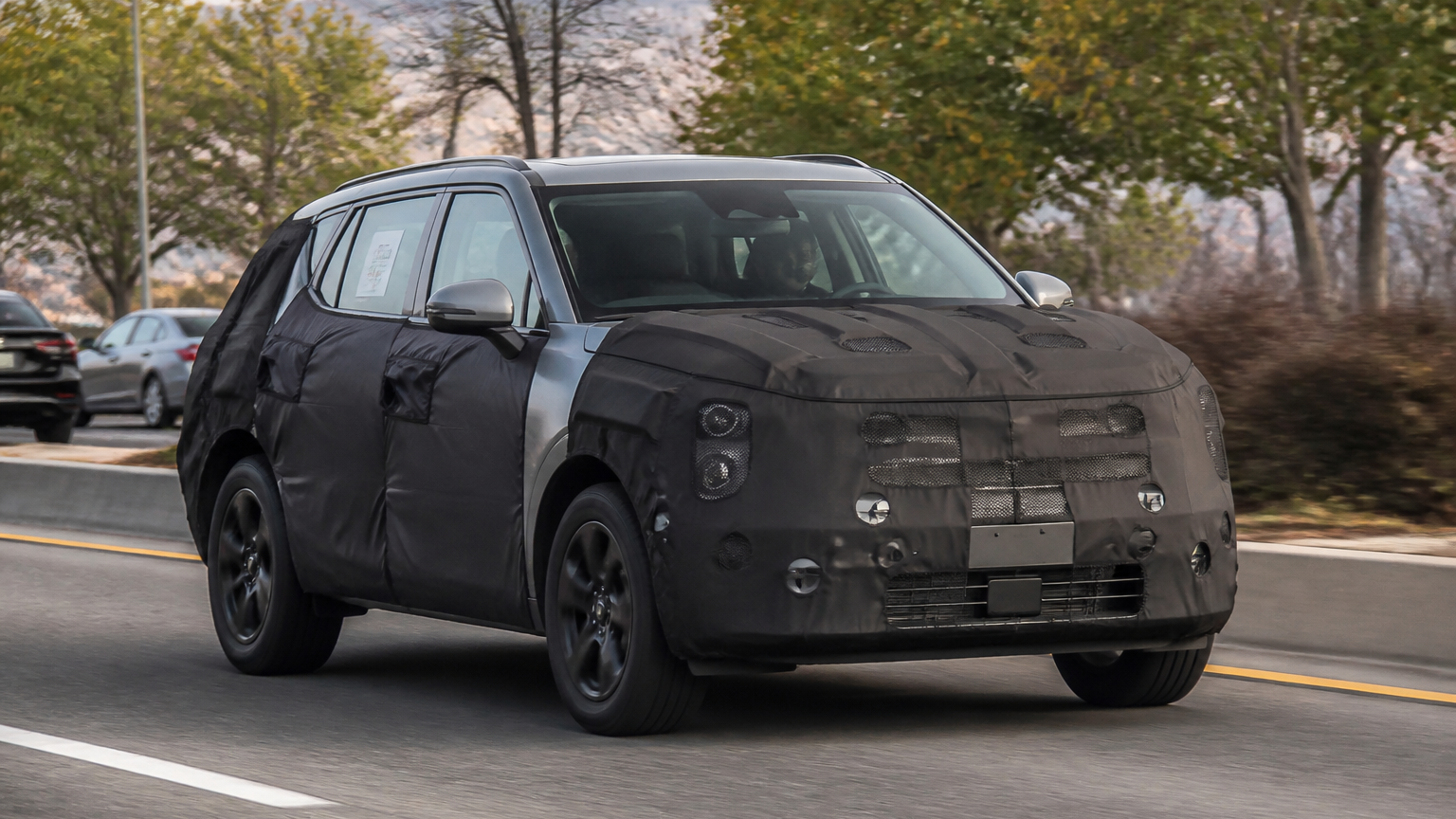
2028 Kia Sportage: Major Design Changes Spotted
Kia’s next Sportage may get a bolder, boxier redesign, with an upright profile, sharper lines, wider grille and split headlights hinted by spy shots.