Sindh to Launch EV Taxi Service in September 2026
The Sindh government will launch its electric vehicle taxi service in September 2026. Officials also plan to add 1,000 electric buses in phases by the end of the year and bring 50 double-decker buses to Karachi in October. The move aims to give people cleaner and more reliable transport options while the Red Line BRT depots stay on schedule.
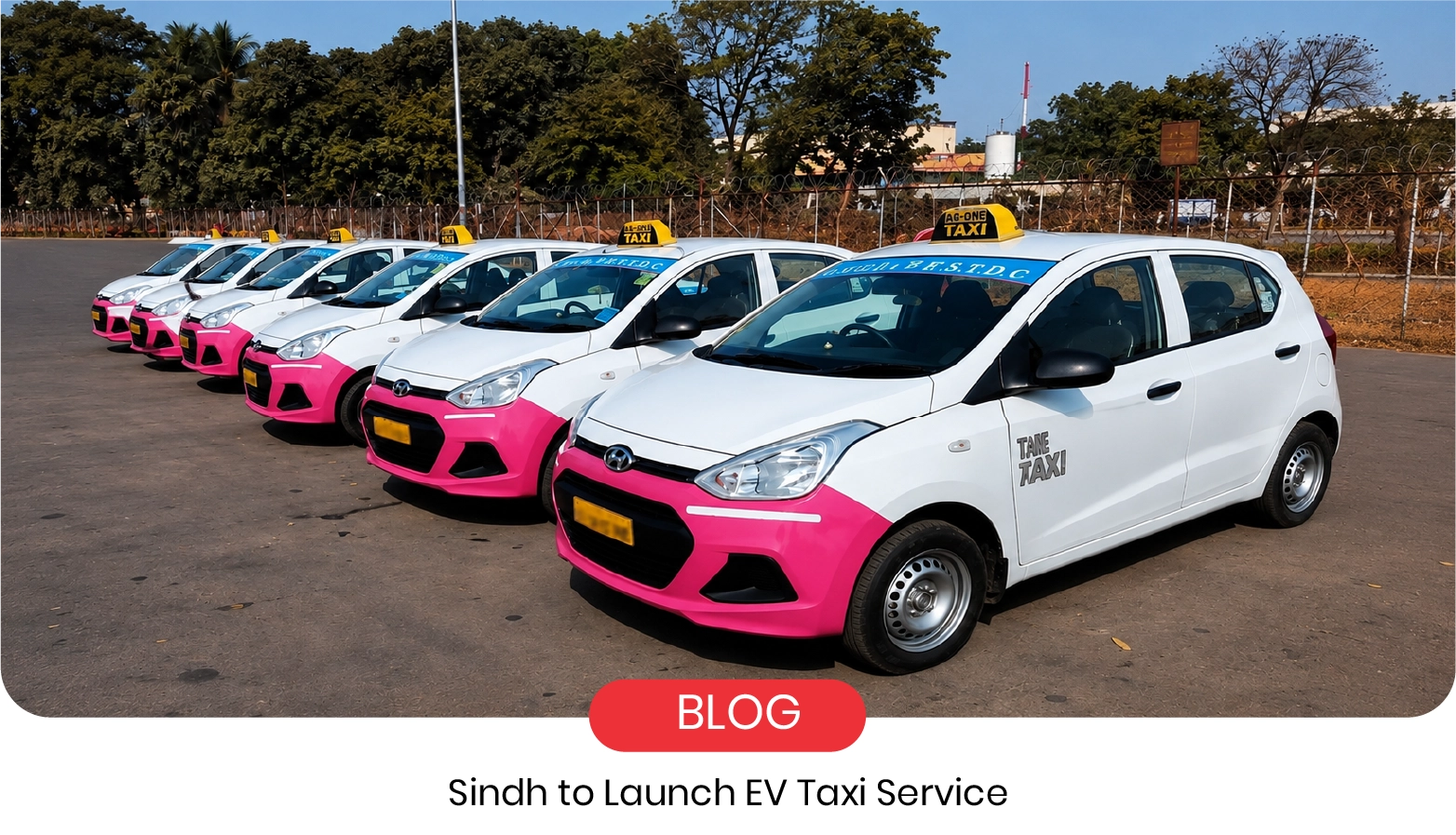
Table of Contents
- What the EV Taxi Service Will Offer
- 1,000 Electric Buses Coming in Phases
- Double-Decker Buses Arrive in October
- Progress on the Red Line BRT Project
- New Bus Routes in Northern Sindh
- Easing Traffic on University Road
- Why These Steps Matter for Daily Life
- Challenges That Still Need Attention
- Looking Ahead
Sindh is moving ahead with cleaner public transport. The provincial government will start an electric vehicle taxi service in September 2026. At the same time, it plans to bring 1,000 electric buses into the system in phases by the end of this year. Fifty new double-decker buses are also expected in Karachi in October.
These decisions came from a meeting of the Transport and Mass Transit Department. Senior Minister Sharjeel Inam Memon chaired the session. Transport Secretary Asad Zamin, TransKarachi CEO Zubair Channa, and other officials attended. They reviewed ongoing projects and set clear timelines.
The goal is simple. Give residents safer, cleaner and more efficient ways to travel. Petrol and diesel vehicles still dominate the roads. Electric options can cut local air pollution and lower running costs over time.
What the EV Taxi Service Will Offer
The electric taxi service is set to begin next month. It will give people another choice beyond regular taxis and ride-hailing apps that mostly use petrol cars. Electric taxis produce no exhaust fumes. They run quieter and cost less to operate once the charging network is in place.
Details on the exact fleet size, routes and fare structure have not been fully released yet. But the minister confirmed the September start date. The service is part of a wider push to modernise transport across the province, not just in Karachi.
For daily users, this could mean fewer waits for a clean ride. Delivery workers and office goers who rely on taxis may notice the difference once enough electric vehicles are on the road.
1,000 Electric Buses Coming in Phases
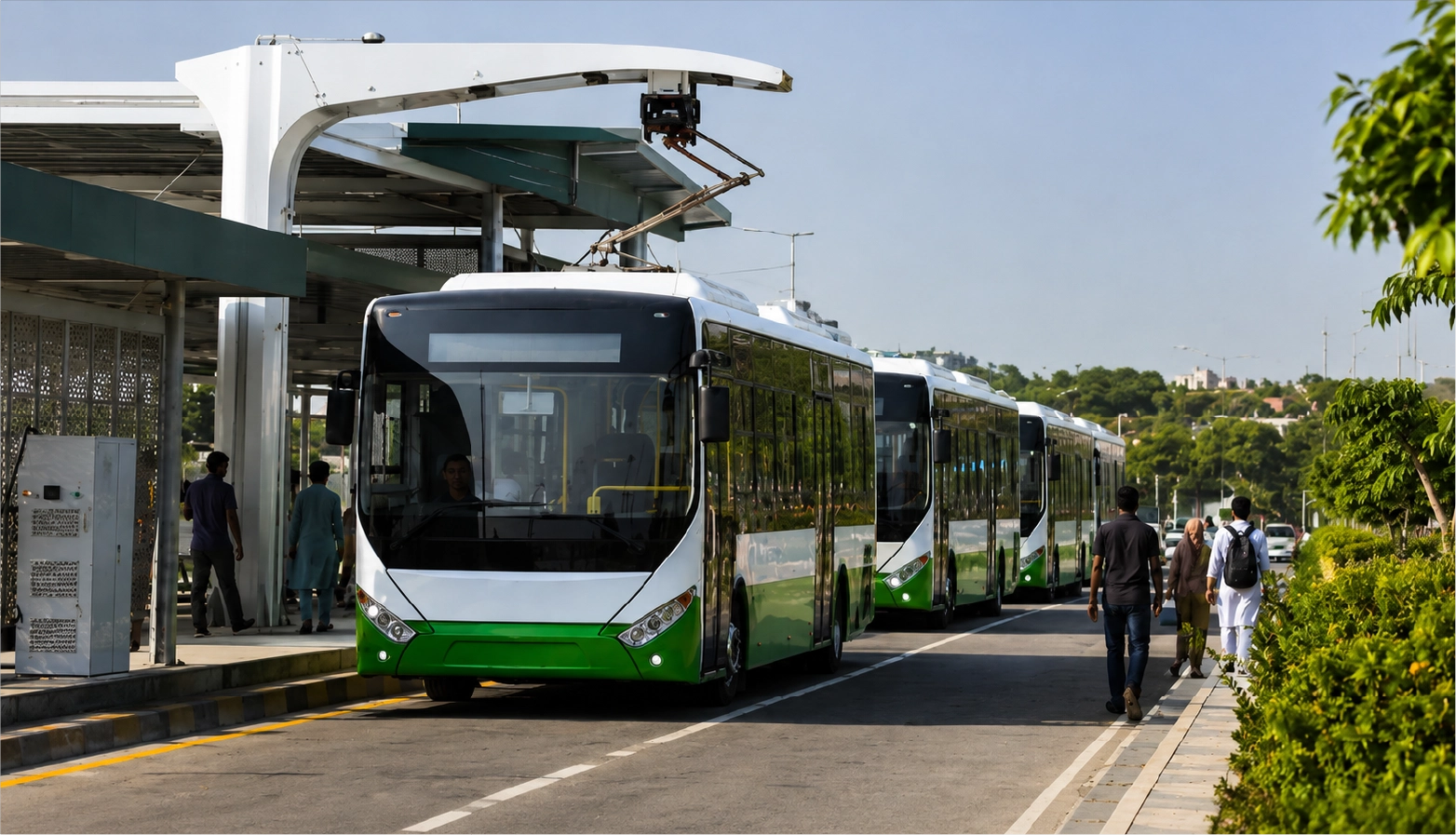
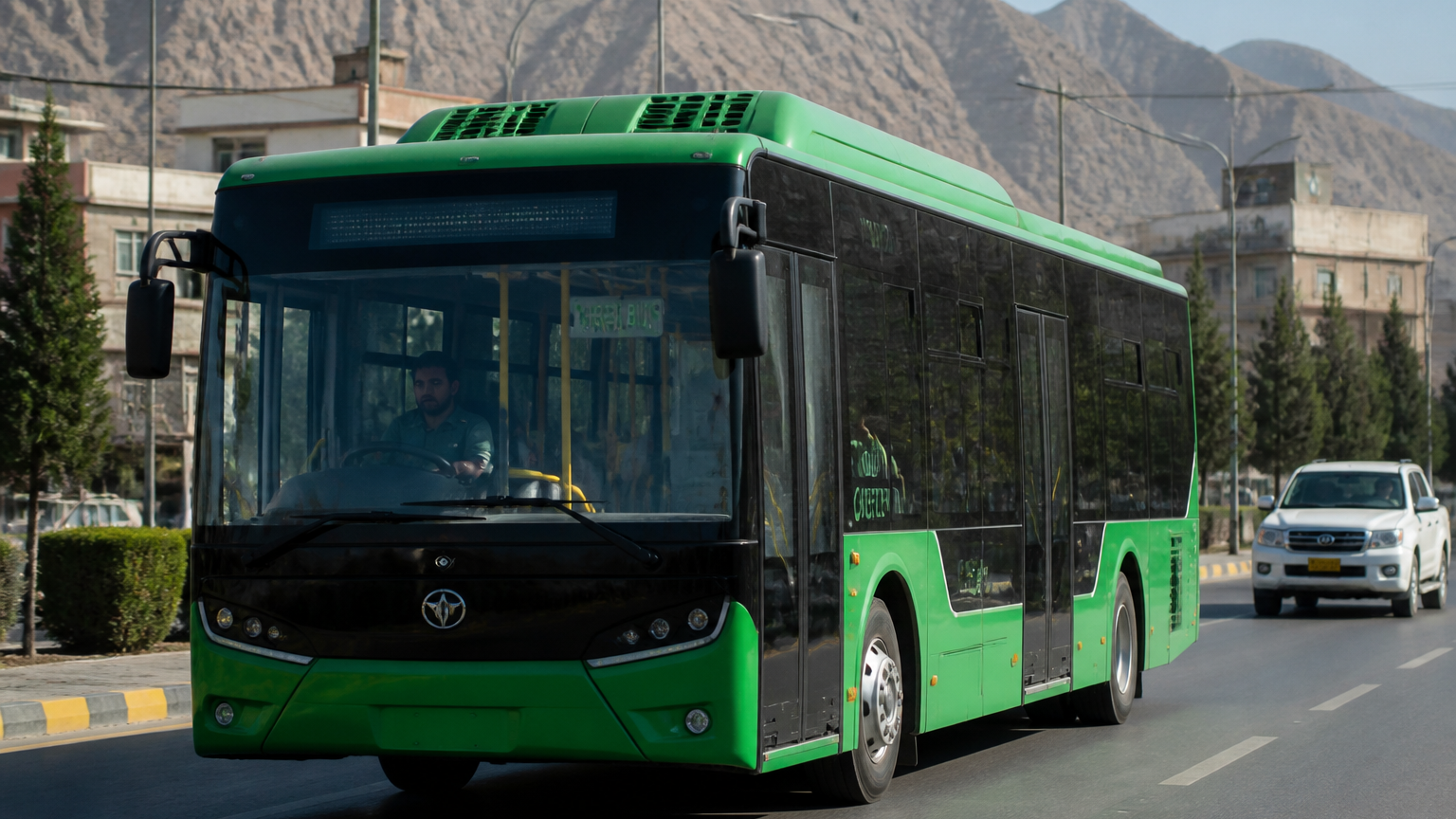
The government will add 1,000 electric buses to the public transport fleet. These will arrive in stages rather than all at once. The process is expected to run through the rest of 2026.
Electric buses already operate on some routes in Karachi and other cities. Adding a large number will expand coverage. They produce zero tailpipe emissions. This helps in a city where traffic and industrial activity keep air quality under pressure.
The buses will join the existing People’s Bus Service and other networks. Officials say the induction will strengthen the overall system and give more people access to reliable public transport.
Double-Decker Buses Arrive in October
Karachi will get 50 new double-decker buses in October. These vehicles carry more passengers than standard buses. They offer a modern ride with better seating and space.
Double-deckers have appeared in limited numbers before. The new batch is expected to improve capacity on busy corridors. Commuters who travel long distances within the city may find the extra space useful during peak hours.
The minister described them as a step toward comfortable, high-quality travel. Once on the road, they should ease pressure on regular bus routes.
Progress on the Red Line BRT Project
The meeting also focused on the Red Line Bus Rapid Transit project. Sharjeel Memon directed officials to finish all depots within the approved timeline. Delays on depots can hold up the entire system.
The Red Line is a major corridor project for Karachi. Completing the depots on time keeps the larger plan moving. Reliable BRT services depend on proper maintenance and parking facilities for the buses.
Officials received clear instructions to stay on schedule. This shows the government wants the project to deliver results without further slip.
New Bus Routes in Northern Sindh
Two new People’s Bus Service routes will start soon. One will run from Larkana to Qambar. The other will connect Qambar to Shahdadkot.
These routes will improve links in northern Sindh. People in smaller towns often rely on less reliable informal transport. Formal bus services can offer fixed timings and safer travel.
The minister ordered that the new routes open without delay. Once running, they should make inter-city travel easier for residents in those areas.
Easing Traffic on University Road
A section of the mixed-traffic lane on University Road in Karachi will open to the public in September. Construction work on transport projects has limited space on this busy road. Opening part of the mixed lane is meant to improve flow and reduce congestion.
University Road sees heavy traffic every day. Students, office workers and residents all use it. Any extra capacity can cut travel times during peak hours.
The decision shows the department is trying to balance long-term projects with daily convenience for drivers and passengers.
Why These Steps Matter for Daily Life
Karachi and other cities in Sindh face the same problems. Roads are crowded. Air quality suffers from vehicle emissions. Public transport is often unreliable or overcrowded. Petrol prices change often and add to household costs.
Electric taxis and buses address several of these issues at once. They run cleaner. Operating costs are lower once charging infrastructure is ready. More capacity from double-deckers and new routes can reduce the number of private vehicles on the road over time.
For a family that depends on taxis or buses, these changes could mean shorter waits and less exposure to exhaust fumes. Delivery riders and small business owners who move goods around the city may also benefit from more stable transport options.
Challenges That Still Need Attention
Launching services is only the first step. Charging stations for electric taxis and buses must be ready and reliable. Power supply in parts of Karachi can be uneven. The government will need enough charging points at depots and key locations.
Maintenance of electric vehicles requires trained staff and spare parts. If buses or taxis sit idle for long periods, public trust drops. Fares need to stay affordable so people actually use the new services instead of sticking with older options.
The Red Line depots must finish on time. Any further delay would slow the whole BRT corridor. New bus routes in Larkana and surrounding areas need proper scheduling and safety standards from day one.
Looking Ahead
September will bring the first electric taxis. October will see the double-decker buses. The rest of the year will bring more electric buses in stages. New routes in northern Sindh and better traffic flow on University Road are also on the calendar.
These are practical steps. They do not solve every transport problem overnight. But they move the system toward cleaner and more modern options. Residents will judge the results by how often the new taxis and buses actually show up and how reliable they prove to be.
The Sindh government has set the dates. Now the focus shifts to delivery on the ground. For more updates, visit DrivePK.com
Tags
Share this article
About the Author

Najeeb Khan
Automotive enthusiast and writer
Comments (0)
Login Required
You need to be logged in to comment on this article.
No comments yet. Be the first to share your thoughts!
Related Articles
Jinpeng U2 Electric Scooter Revealed at PAPS 2026
Jinpeng’s U2 e-scooter debuts in Pakistan with 1000W and 1500W motors, due in Dec 2026. Price, range, battery and features remain unknown.
M-4 Six-Lane Expansion Deadline Set for December 15
A December 15 deadline looms for the M-4’s six-lane expansion—but will it signal completion or simply mark another milestone in the long-awaited project?
Quetta to Get 17 More Electric Green Buses
Quetta plans 17 more electric buses, potentially lifting its fleet from 25 to 42 and reaching underserved areas—timing and routes remain unclear.