Switching to an Automatic Car in Pakistan: What to Know
Switching to an automatic in Pakistan? Weigh traffic comfort against purchase price, servicing, gearbox support, and surprise repair costs.
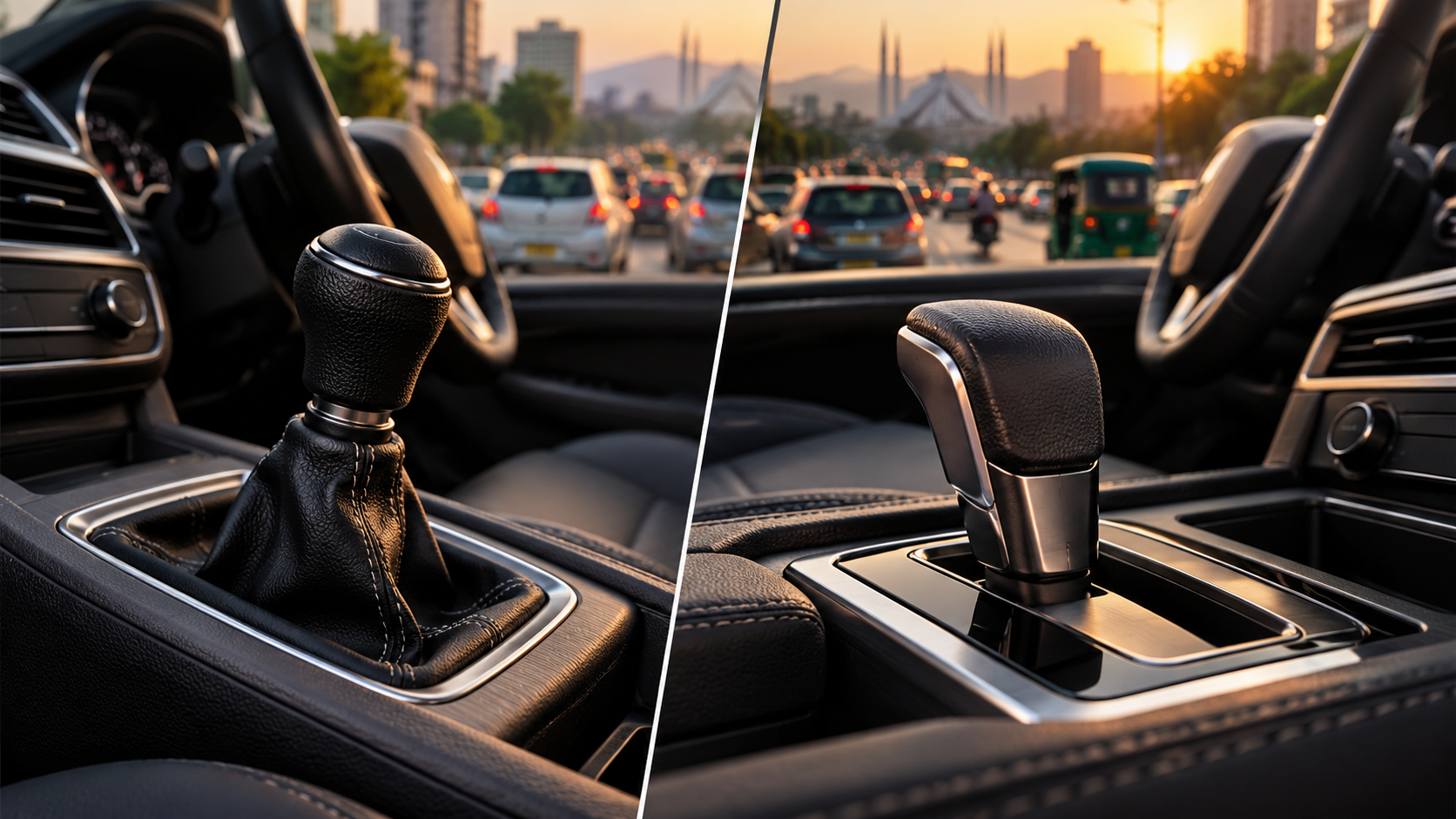
Table of Contents
- Is an Automatic Car Right for Your Daily Drive?
- Which Automatic Gearbox Type Should You Look At?
- Conventional torque-converter automatic
- CVT
- AMT
- DCT
- What Does Switching to an Automatic Really Cost?
- How Much Fuel Will an Automatic Use?
- What Should You Check During an Automatic-Car Test Drive?
- Should You Switch Now or Keep the Manual?
- Conclusion
- Explore DrivePK services
After hours of clutch work in Karachi, Lahore, or Islamabad traffic, an automatic starts to sound like a relief. But that comfort can come with a higher buy-in, a different kind of service need, and a repair bill you did not plan for. So if you’re thinking about switching from manual to automatic in Pakistan, the real question is not “automatic or not?” It’s whether the gearbox, support, and total cost fit your daily life.
Is an Automatic Car Right for Your Daily Drive?
An automatic is a smart choice if your day is full of stop-and-go traffic, school runs, office commutes, or shared family driving. It removes the clutch-pedal work, which makes crawling in traffic easier on your left leg and less tiring overall.
But it does not make driving lazy or careless. You still need smooth throttle use, good braking, and proper parking habits. And if your budget is tight, a manual can still make more sense because it usually gives you more room to buy a better car, newer car, or lower-km car for the same money.
A manual also stays practical if:
- You want simpler repairs and wider workshop familiarity.
- You often drive where transmission specialists are hard to find.
- You prefer direct gear control and stronger engine braking feel.
- You’d rather keep ownership costs as low as possible.
For a Pakistani buyer, the key is simple: if your routine is mostly urban traffic and you can afford the extra cost, an automatic may be worth it. If you’re stretching your budget already, the manual can be the safer financial move.
Which Automatic Gearbox Type Should You Look At?
“Automatic” is a broad word. The gearbox type matters a lot more than the badge on the boot.
Conventional torque-converter automatic
This is the classic automatic setup many drivers know. It uses fluid coupling instead of a clutch pedal, which usually gives smoother low-speed movement and easy creep in traffic. If serviced on time, it can be a solid and easy-going choice.
CVT
A CVT does not shift through fixed gears in the usual way. It changes ratio smoothly, which can help keep the engine in a useful range. Some drivers like the smooth feel; others dislike the engine flare during hard acceleration. The big thing with a CVT is correct fluid and correct service timing.
AMT
An AMT is basically a manual gearbox with automated clutch and shift control. It can be a cheaper way to get an automatic-style drive, but the shifts can feel more noticeable. In slow traffic, smoothness depends a lot on how the car is calibrated.
DCT
A dual-clutch setup can shift quickly and feel sharp on the move. But in repeated crawling traffic, heat management and software tuning matter a lot. This is the type where you really want to know the exact model, the service support, and whether local technicians know it well.
If you want a broader market context, DrivePK has also covered how buyers should treat a new policy story with caution until it is officially confirmed. That matters here too, because gearboxes, prices, and support can change from one model year to the next. You can read that background in this policy explainer, but remember: it is a secondary report, not an official notification.
What Does Switching to an Automatic Really Cost?
This is where many buyers get caught. The sticker price is only part of the story.
Instead of guessing, work out your own three-year cost:
textPurchase price or down payment: Rs __
Monthly instalment × 36 months: Rs __
Registration and transfer costs: Rs __
Insurance or takaful over 36 months: Rs __
Estimated fuel cost over 36 months: Rs __
Routine servicing and transmission fluid: Rs __
Tyres, battery and other wear items: Rs __
Repair reserve: Rs __
Estimated three-year ownership cost: Rs __
Before you fill it in, collect these numbers:
- Asking price from an authorised seller or verified listing.
- Full finance cost, not just the monthly instalment.
- Your average monthly driving distance.
- Current fuel price on the day you calculate.
- The car’s official fuel figure and a few real owner reports.
- Service and fluid-change intervals from the maker’s manual.
- Insurance, registration, and transfer charges.
- A reserve for gearbox or electronic repairs.
That last point matters most. A cheap used automatic can turn expensive fast if the service history is weak or the gearbox has been ignored.
How Much Fuel Will an Automatic Use?
There is no honest one-line answer here. Fuel use depends on the gearbox design, engine size, car weight, traffic, air-conditioning use, tyre pressure, and how you drive.
A modern automatic can be reasonable on fuel. A worn-out one, or one driven hard in heavy traffic, may not be. So don’t trust a single number from a sales ad.
If you want a real answer for your own car, use this method:
textLitres added ÷ kilometres driven × 100 = litres per 100 km
For cost:
textLitres used × current fuel price = fuel cost
Fuel cost ÷ kilometres driven = cost per kilometre
Do this over several tanks, not just one trip. And compare the same route, same AC use, and similar driving style.
What Should You Check During an Automatic-Car Test Drive?
A short test drive won’t prove long-term reliability, but it can warn you if something feels off.
Check these things in a new car:
- Confirm the exact gearbox type and variant.
- Move from Park to Drive and Reverse after a full stop.
- Watch how it creeps when you release the brake gently.
- Try slow parking and an incline.
- Repeat the drive with the air conditioner on.
- Listen for delayed engagement, harsh shifts, whining, or warning lights.
For a used car:
- Start it cold, not only after warm-up.
- Ask for service invoices and fluid-change records.
- Get a professional diagnostic scan.
- Check for flood, accident, or odometer issues.
- Confirm that parts and trained technicians are available locally.
If you’re already comparing cars, it also helps to browse a general new-car listings page like this one just to see how broad the market is. Treat it as a starting point only. It does not, by itself, confirm prices, gearbox specs, warranty terms, or service schedules.
Should You Switch Now or Keep the Manual?
Here’s the cleanest way to decide.
Buy an automatic now if:
- Your daily drive is mostly heavy traffic.
- Clutch fatigue is a real problem for you.
- You can afford the higher total cost.
- The exact gearbox has local support and a clear service history.
Keep the manual if:
- Budget is the main concern.
- You want simpler repairs.
- You drive where gearbox specialists are limited.
- You like direct control and lower risk.
Wait and save if:
- The automatic you can afford has unclear history.
- The gearbox type is uncommon locally.
- You have not budgeted for diagnosis or repairs.
- You’re relying on an unconfirmed finance or price claim.
For background, read our earlier coverage: Kia Sportage L Wins What Car? Award Again.
For background, read our earlier coverage: Kia Sportage L نے ایک بار پھر What Car? ایوارڈ جیت لیا.
Conclusion
Switching to an automatic in Pakistan can be worth it, but only if you judge the full picture: daily use, gearbox type, support, and total three-year cost. Buy now if traffic is wearing you down and the car has proper service backing. Keep your manual if budget and simple repairs matter more. Wait if the only automatic in reach has an uncertain history or weak local support.
The best automatic car is the one whose gearbox you understand, whose technicians you can actually find, and whose ownership cost you can carry for years without stress.
For more updates, visit a source report
Explore DrivePK services
Buying or selling a vehicle? Explore DrivePK services, including car inspection, Sell It For Me and Featured Listings, and choose the option that fits your needs.
For more updates, visit DrivePK.com
Tags
Share this article
About the Author

Dr Khan
Automotive Expert & Content Strategist
Comments (0)
Login Required
You need to be logged in to comment on this article.
No comments yet. Be the first to share your thoughts!
Related Articles
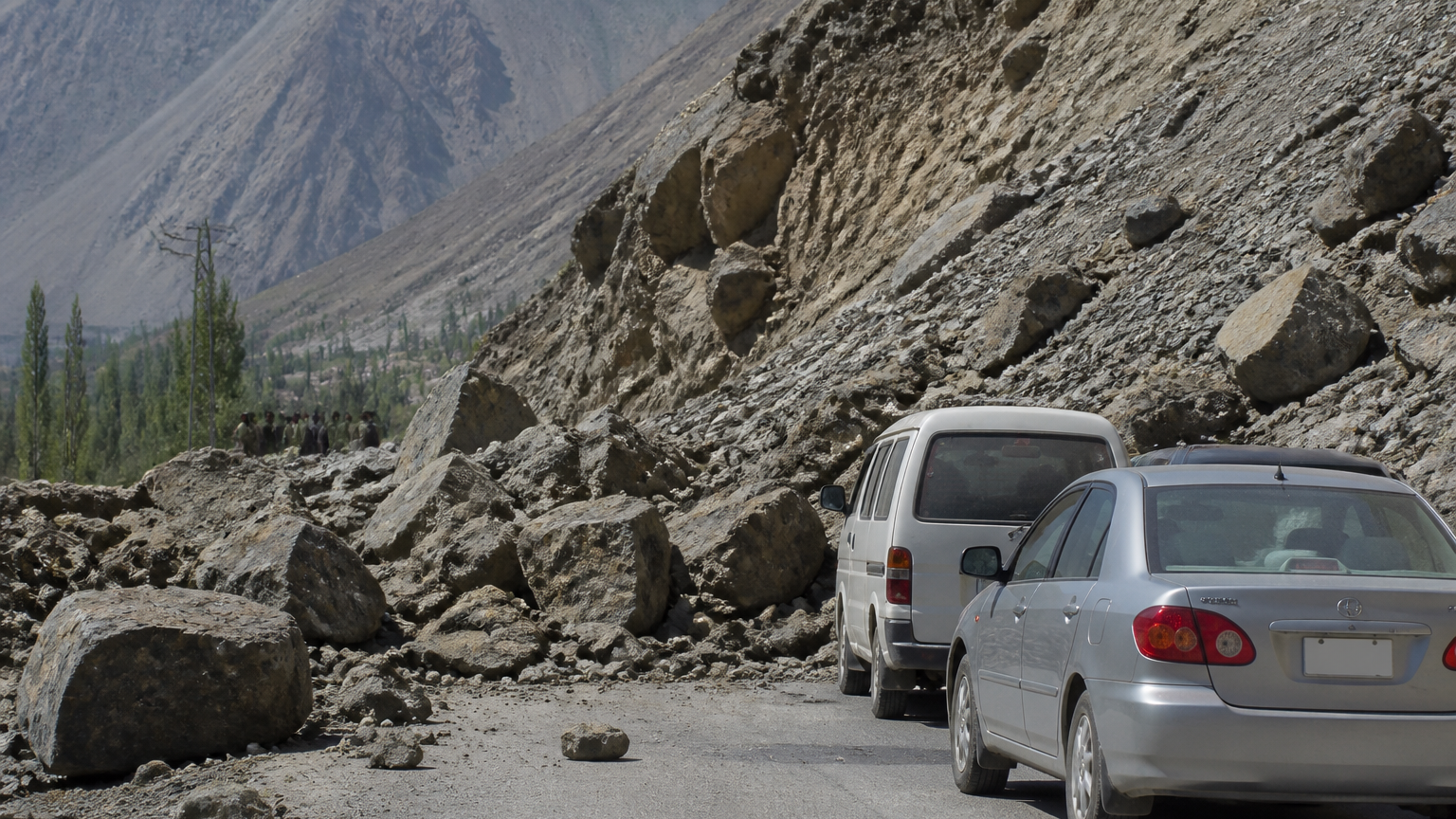
شانگس کے قریب لینڈ سلائیڈ کے بعد سکردو روڈ بند
شانگس کے قریب بالتستان روڈ پر لینڈ سلائیڈ کے باعث سفر معطل ہوگیا ہے۔ مسافر اس مقام کو عبور نہ کریں؛ عملہ ملبہ ہٹا رہا ہے، تاہم دوبارہ کھلنے کا وقت تاحال معلوم نہیں۔
Skardu Road Closed After Landslide Near Shangus
Landslide blocks Baltistan Road near Shangus, stranding travelers. Avoid crossing; crews are clearing debris, but reopening time remains unknown.