Tesla Q2 Sales at Peak and BYD Retains Global EV Lead
Tesla reported strong Q2 2026 deliveries of 480,126 vehicles, a 25% increase year-over-year that topped analyst expectations. While China and Europe fueled growth, the company trails BYD in pure EV sales. Investors focused on long-term AI and autonomy bets.
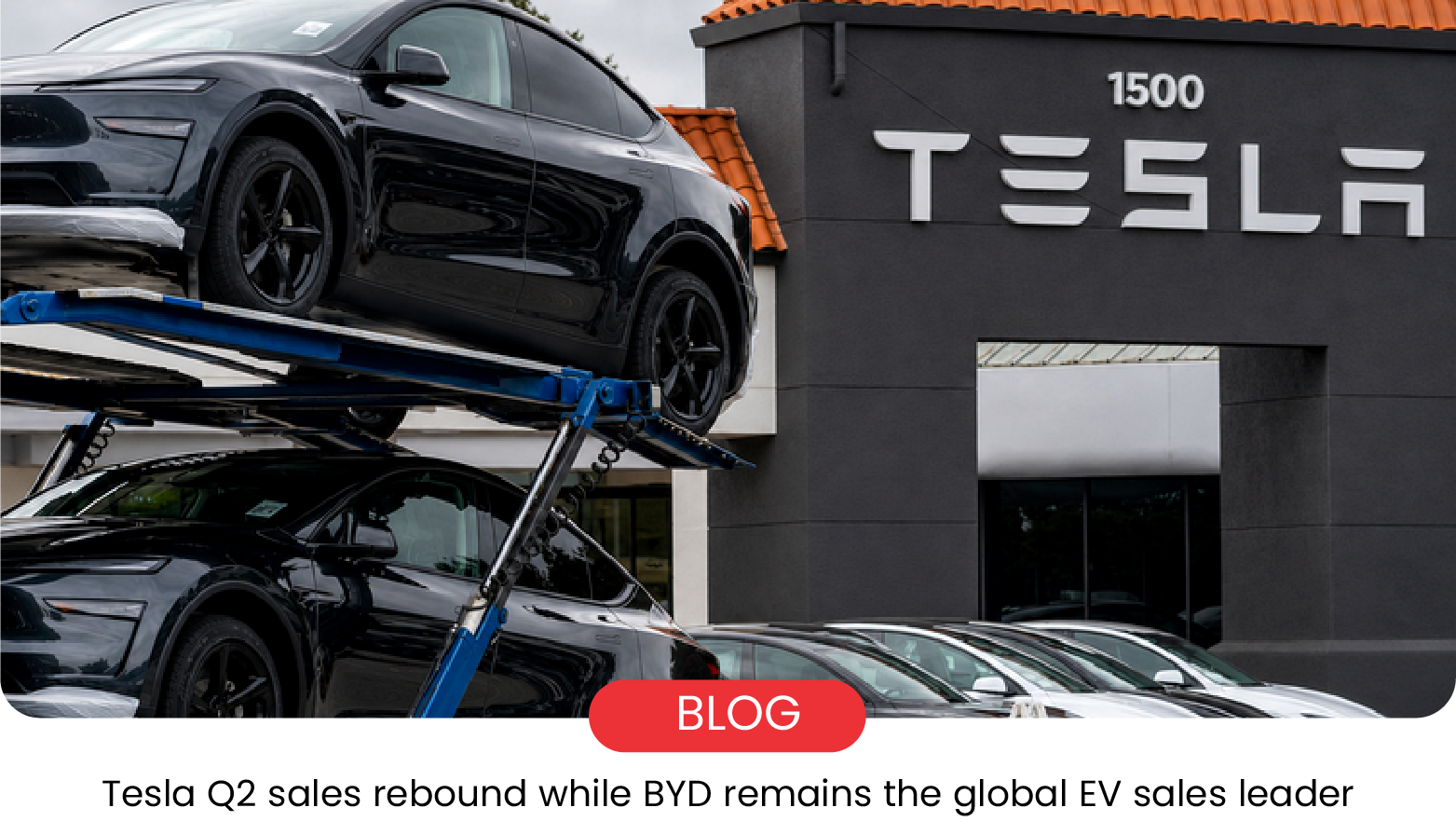
Table of Contents
- Global EV Sales Leaders in Q2 2026: A Comparative Look
- Breaking Down Tesla’s Regional Performance
- The Investor Reaction: Deliveries Strong, Focus on Future Tech
- Challenges Facing Tesla and the EV Industry
- Detailed Market Context and Trends in 2026
- What’s Next for Tesla: Guidance and Strategic Bets
- Practical Takeaways for Different Audiences
- Wrapping Up: A Milestone with Bigger Implications
Tesla delivered 480,126 vehicles around the world in the second quarter of 2026. This represents a solid 25% increase compared to the same period in 2025. The result comfortably beat Wall Street predictions, which had hovered below 400,000 units.
This performance highlights Tesla’s ability to maintain momentum in a competitive electric vehicle market. Demand in China and Europe stood out as key drivers. Both regions contributed meaningfully to the growth, helping Tesla navigate challenges in other areas.
The company has worked hard on production efficiency. Consistent output close to deliveries shows better supply chain management and factory utilization. Models like the Model Y continued as high-volume performers, while refreshed versions of the Model 3 also supported sales.
Why this growth matters in 2026:
The EV market is maturing. Higher interest rates in some countries cooled demand earlier, but Tesla’s brand strength, technology edge, and expanding charging infrastructure helped it outperform broader expectations. The beat signals resilience and sets a positive tone for the second half of the year.
Yet the story is nuanced. While total deliveries grew nicely, Tesla still trails BYD when it comes to pure battery electric vehicle (BEV) sales globally. This gap reflects different strategies: Tesla focuses on premium and technology-rich vehicles, while BYD offers a wider, more affordable range.
Global EV Sales Leaders in Q2 2026: A Comparative Look
Here is a detailed comparison of the leading electric vehicle manufacturers based on recent quarterly performance. Figures are approximate and focus on battery electric and plug-in hybrid vehicles where relevant (pure BEV noted for clarity).
| Rank | Manufacturer | Q2 2026 Deliveries/Sales (approx.) | YoY Growth | Key Markets & Notes |
|---|---|---|---|---|
| 1 | BYD | ~550,000+ (strong BEV + PHEV) | ~30-40% | Dominant in China, aggressive pricing, vertical integration |
| 2 | Tesla | 480,126 (mostly BEV) | +25% | Strong in China & Europe, technology leader, Model Y top seller |
| 3 | Volkswagen Group | ~250,000-280,000 | +15-20% | Europe focus, ID series growth, scaling ID. Buzz & others |
| 4 | General Motors | ~180,000-200,000 | +25%+ | North America push with Ultium platform, Chevy Equinox EV |
| 5 | Stellantis | ~140,000-160,000 | +10-15% | Europe & US, Jeep & Peugeot EV models |
| 6 | Hyundai/Kia | ~150,000+ | +20% | Strong in Korea & US with Ioniq & EV6 |
| 7 | BMW | ~100,000+ | +18% | Premium segment, iX and i4 success |
| 8 | Mercedes-Benz | ~80,000-90,000 | +12% | Luxury focus, EQS & EQE models |
Tesla’s position remains strong due to its ecosystem. Owners enjoy over-the-air updates, a vast Supercharger network, and advanced driver assistance features that many competitors are still catching up to.
Breaking Down Tesla’s Regional Performance
China has been a bright spot. Despite intense local competition, Tesla’s Shanghai Gigafactory continues high output. The company has adapted with localized features and competitive pricing on core models. Strong demand for the Model Y in particular helped drive Q2 growth.
Europe also contributed significantly. Countries with supportive EV policies, better charging infrastructure, and higher environmental awareness boosted sales. Tesla’s direct sales model and strong online presence give it an edge in these mature markets.
North America likely remained solid but faced some headwinds from higher financing costs and economic uncertainty. The Cybertruck ramp-up is adding a new revenue stream, appealing to buyers looking for something different in the truck segment.
Other regions, including emerging markets, are still smaller contributors but show long-term potential as charging networks expand and prices come down.
The Investor Reaction: Deliveries Strong, Focus on Future Tech
Despite beating delivery expectations, Tesla shares fell after the announcement. This reaction is common when the market prices in long-term narratives over short-term wins.
Investors are shifting attention to Tesla’s heavy investments in:
- Artificial Intelligence: Training massive models for autonomy and robotics.
- Autonomous Driving: Full Self-Driving (FSD) software continues to improve, with regulatory progress varying by region. Success here could unlock robotaxi services with high margins.
- Robotics: The Optimus humanoid robot project aims to address labor shortages and create entirely new business lines.
- Next-Gen Vehicles: Plans for more affordable models and platform refreshes to maintain leadership.
These initiatives require significant capital expenditure now. While they promise transformative growth, they also create near-term pressure on profits and free cash flow. That trade-off explains why some investors sold on the news even after good delivery numbers.
Tesla’s energy business (Megapack storage and solar) is another growth area. It diversifies revenue beyond vehicles and benefits from the same AI-driven optimization technologies.
Challenges Facing Tesla and the EV Industry
No company operates without hurdles. Tesla deals with:
- Intensifying competition from both Chinese and legacy automakers.
- Regulatory uncertainty around autonomy and trade policies.
- Raw material price volatility for batteries.
- The need to maintain high margins while scaling new technologies.
The broader industry faces slowing EV adoption in some segments due to range anxiety, charging access in rural areas, and higher upfront costs. Governments continue offering incentives in many places, but policy shifts can create uncertainty.
Tesla differentiates itself through vertical integration it makes its own batteries, software, and even key components. This control helps with quality, cost, and innovation speed.
Detailed Market Context and Trends in 2026
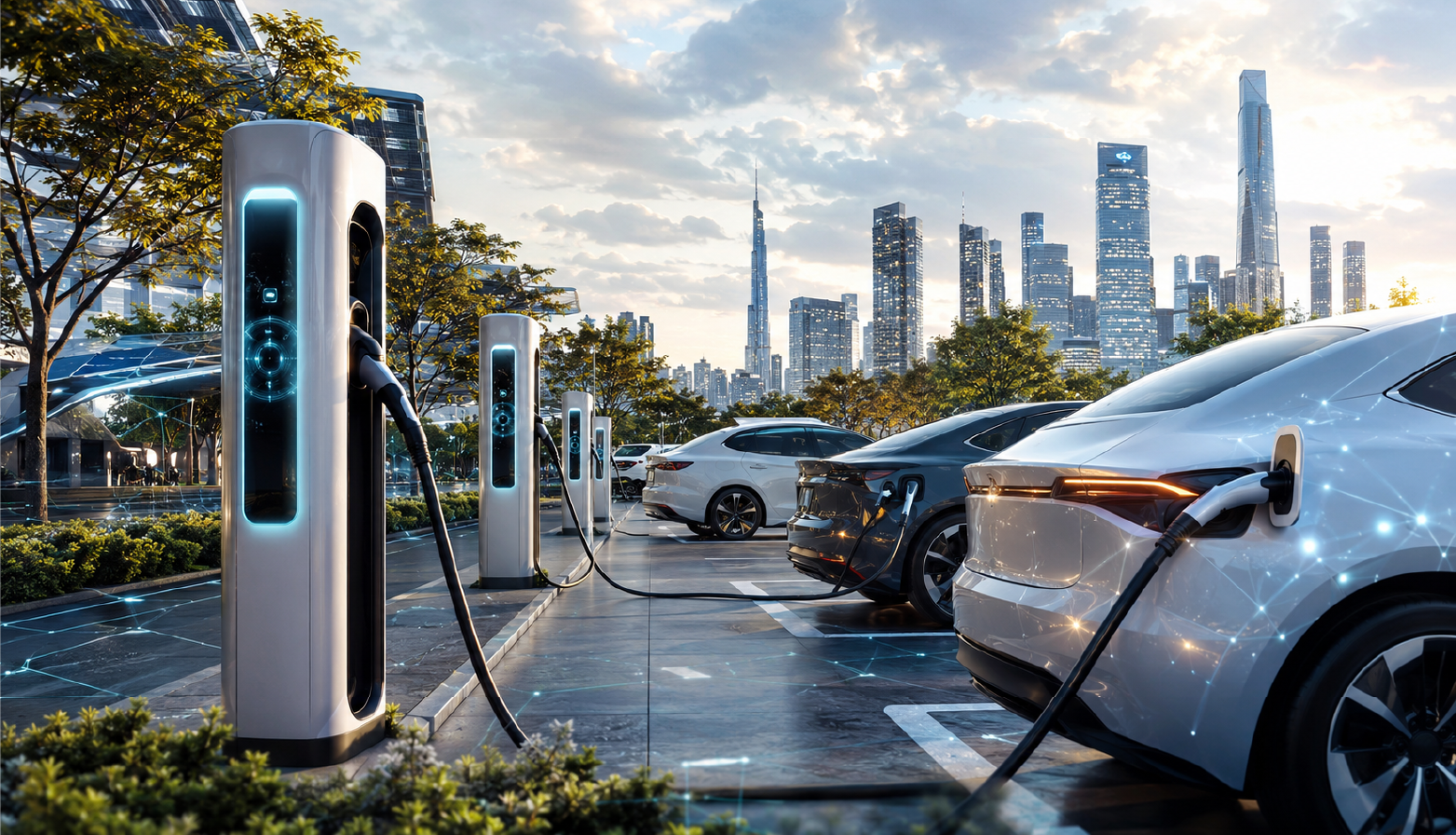
The global EV market has grown dramatically over the past decade. In 2026, several factors shape the landscape:
Policy Support: Many countries set ambitious targets for phasing out internal combustion engines. Europe’s strict emissions rules and China’s dual-credit system continue pushing manufacturers toward electrification.
Battery Technology: Improvements in energy density, faster charging, and lower costs make EVs more practical. Tesla’s 4680 cells and structural battery packs are part of this evolution.
Consumer Behavior: Younger buyers show strong preference for EVs. Features like instant torque, low running costs, and tech-forward interiors appeal widely.
Infrastructure Buildout: Major investments in charging networks are underway. Tesla’s Superchargers are opening to non-Tesla vehicles in more places, creating new revenue while expanding reach.
Despite these positives, adoption varies greatly by region. Norway and parts of Europe lead in market share, while many developing countries are still in early stages.
Tesla’s data advantage stands out. Millions of vehicles on the road generate real-world driving data that improves AI models faster than competitors can match. This flywheel effect strengthens its position in autonomy.
What’s Next for Tesla: Guidance and Strategic Bets
Looking ahead, Tesla is expected to provide more details in its upcoming earnings report. Analysts will watch for:
- Updated production guidance for the full year.
- Margin trends and cost control measures.
- Timelines for new vehicle launches and robotaxi events.
- Progress metrics on Optimus and energy storage deployments.
The company has a history of setting ambitious goals and working relentlessly toward them. While execution risk exists, past results show Tesla often finds ways to deliver.
For long-term believers, the current focus on AI and robotics represents the next chapter. Vehicle sales may eventually become just one part of a broader technology and energy platform.
Practical Takeaways for Different Audiences
For current Tesla owners: The strong delivery numbers signal continued support and software updates. Your vehicle likely gains value through over-the-air improvements.
For potential buyers: Q2 results show Tesla maintains strong demand. Consider test drives, especially with new features rolling out. Compare total cost of ownership, including fuel savings and lower maintenance.
For investors: Balance short-term delivery beats with long-term execution on high-investment projects. Diversification and patience are key given the volatility.
For the industry: Tesla’s performance pushes everyone to innovate faster. The competition benefits consumers through better products and lower prices over time.
Wrapping Up: A Milestone with Bigger Implications
Tesla’s Q2 2026 delivery of 480,126 vehicles marks another successful quarter. The 25% growth and beat of expectations underline the company’s operational strength and market appeal, particularly in China and Europe.
The table of leading brands shows a dynamic and competitive global EV market. BYD leads in volume, but Tesla holds a unique position through technology, brand, and ecosystem advantages.
While share price reactions focused on future investments in AI, autonomous driving, and robotics, the core vehicle business remains healthy. This balance strong today while building for tomorrow defines Tesla’s strategy.
As the year progresses, execution on these multiple fronts will determine the next phase of growth. The EV transition is well underway, and Tesla continues playing a central role in shaping it.
Whether you view Tesla as a car maker, tech company, or energy innovator, Q2 2026 deliveries provide encouraging evidence of progress. The road ahead has challenges, but the momentum and vision remain intact. For more updates, visit DrivePK.com
Tags
Share this article
About the Author

Najeeb Khan
Automotive enthusiast and writer
Comments (0)
Login Required
You need to be logged in to comment on this article.
No comments yet. Be the first to share your thoughts!
Related Articles

Rawalpindi Ring Road Opening Delayed by Toll Plaza Work
Rawalpindi Ring Road is structurally complete, but toll plazas and e-toll systems remain unfinished—delaying opening, toll rates and traffic relief.

Islamabad Blockades Delay Karachi Freight Before PTI Protest
PTI’s Oct. 4 march may delay northbound freight from Karachi, affecting car parts, tyres and workshop supplies—but the scale remains unclear.

Oil Prices Near $100: Impact on Pakistan
Brent nears $100 after a sharp swing linked to China’s fuel-export curbs—but Pakistan’s petrol and diesel prices remain unchanged for now.